
Long gone are the days of headphones merely being “good for Bluetooth.” Mainstream consumer brands like Sony, Bose, and Sennheiser crested the hill of “actually good” audio quality a long time ago and are now differentiating themselves based on lifestyle and usability features, with ANC chief among them. The technology that powers these advanced features is complex and not particularly cheap, and smaller brands with more limited R&D budgets lagged behind for a long time.
But multi-mic arrays, AI-powered ANC, and personalized hearing compensation systems have become much more common in recent years, thanks to advances in each respective field. That has worked to the benefit of smaller artisanal brands like Noble, which specialize in acoustic engineering rather than consumer technology.
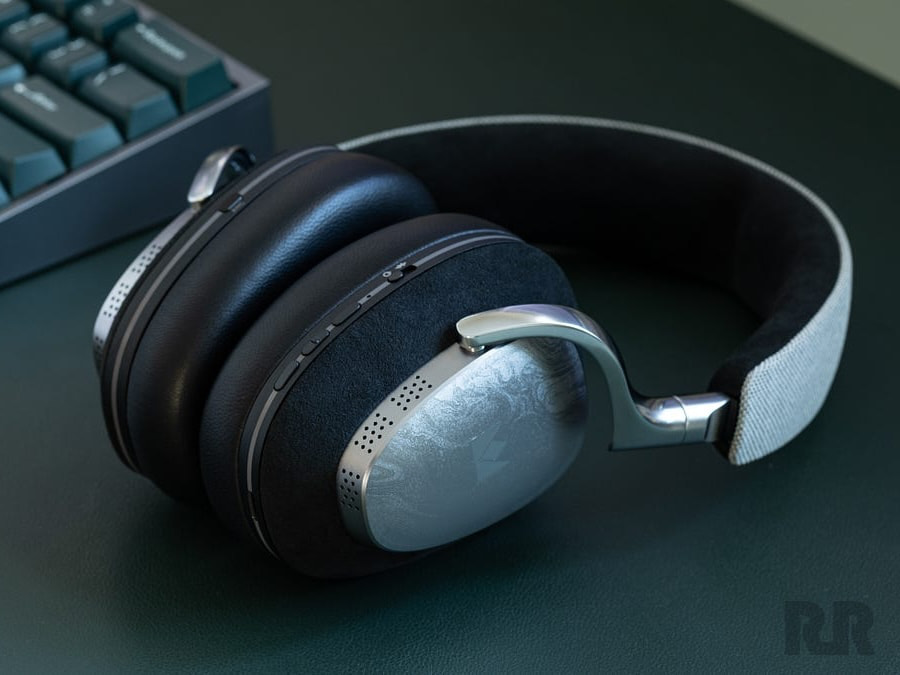
The Artemis is Noble’s newest wireless audio product, released right after the well received Osprey wireless IEMs. The Artemis now sits at the top of Noble’s wireless headphone lineup, superseding models like the FoKus Apollo and Apollo Pro and costing $899. But a “nice” headphone with smart integration of modern technology isn’t new, nor is it special in today’s highly competitive headphone market, so Noble went one step further.
The Artemis ditches the traditional single dynamic driver setup for a novel tribrid approach: one dynamic driver, one balanced armature driver, and one planar driver per side. It also features built in audio personalization with Audiodo hearing compensation technology and even allows users to service aging units themselves with easily replaceable batteries.
But $900 is still substantial, and there are a lot of great headphones that cost less. Does the Artemis’ feature set and exotic driver configuration justify its price? Well, let’s get into it.
About My Preferences: This review is a subjective assessment and is therefore influenced by my personal preferences. While I try to mitigate that as much as possible during the review process, I’d be lying if I said my biases were completely erased. So, for you, my readers, keep the following in mind:
- My ideal sound signature includes competent sub bass, textured mid bass, a slightly warm midrange, and extended treble.
- I have mild treble sensitivity.
Testing equipment and standards can be found here.
Related Reviews:
- Sony 1000X THE COLLEXION Headphones Review: A $650 Upgrade Or An Expensive Fashion Statement?
- Bowers & Wilkins Px8 S2 Vs Sennheiser HDB 630: Which Premium Wireless Headphones Sound Better?
- HiFiMAN Arya WiFi Review: A More Affordable Path To Wireless Planar Headphone Performance?
Specifications:
- Headphone Type: Wireless closed back over ear
- Driver Configuration: 1 dynamic driver, 1 balanced armature driver, and 1 planar magnetic driver per side
- Wireless Platform: Qualcomm QCC3095
- Bluetooth: 5.4
- Codecs: LDAC, aptX Adaptive, aptX Lossless
- ANC: User adjustable Active Noise Cancellation
- Transparency Mode: Yes
- Microphones: 6
- Multipoint: Yes
- Personalized Audio: Audiodo Personal Sound
- EQ: App based EQ with settings stored on the headphones
- Spatial Audio: Supported through the Noble FoKus app
- USB Audio: Yes, via USB C
- Wired Audio: 3.5mm
- Battery: 600mAh, user replaceable
- Battery Life: 55+ hours with ANC off; 35+ hours with ANC on
- Charging: USB C with fast charging
- Charging Time: Under 1.5 hours
- Water Resistance: IP52
- Weight: Under 350g
- Ear Pads: Magnetic, detachable, and replaceable
Build Quality
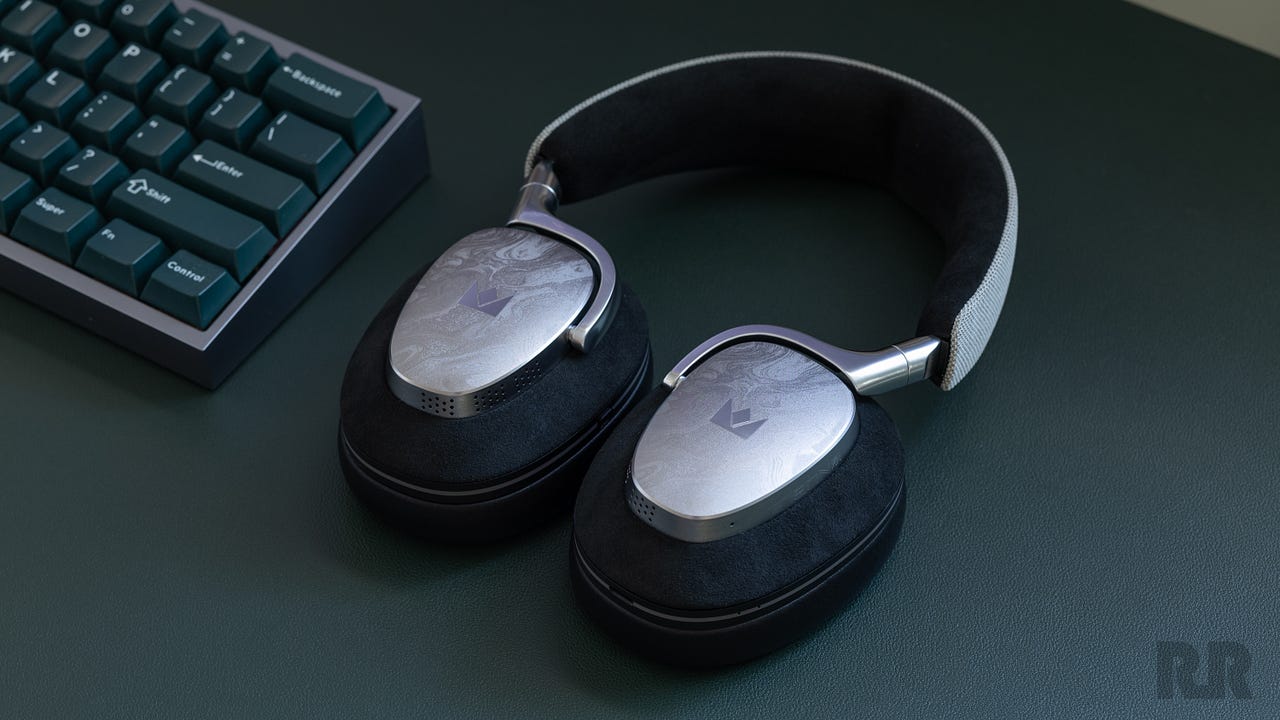
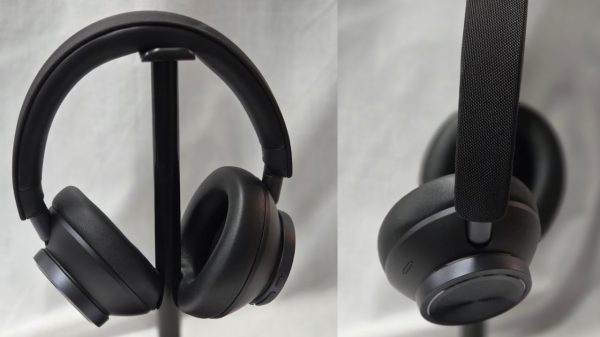
The Artemis is built primarily from high grade CNC machined aluminum. Each ear cup features a Damascus style pattern etched directly into the metal.
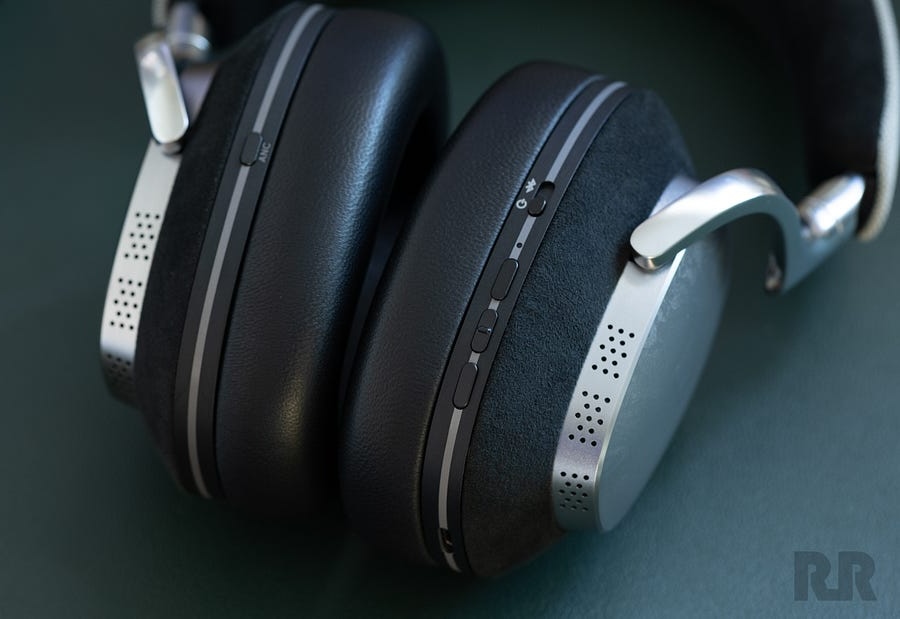
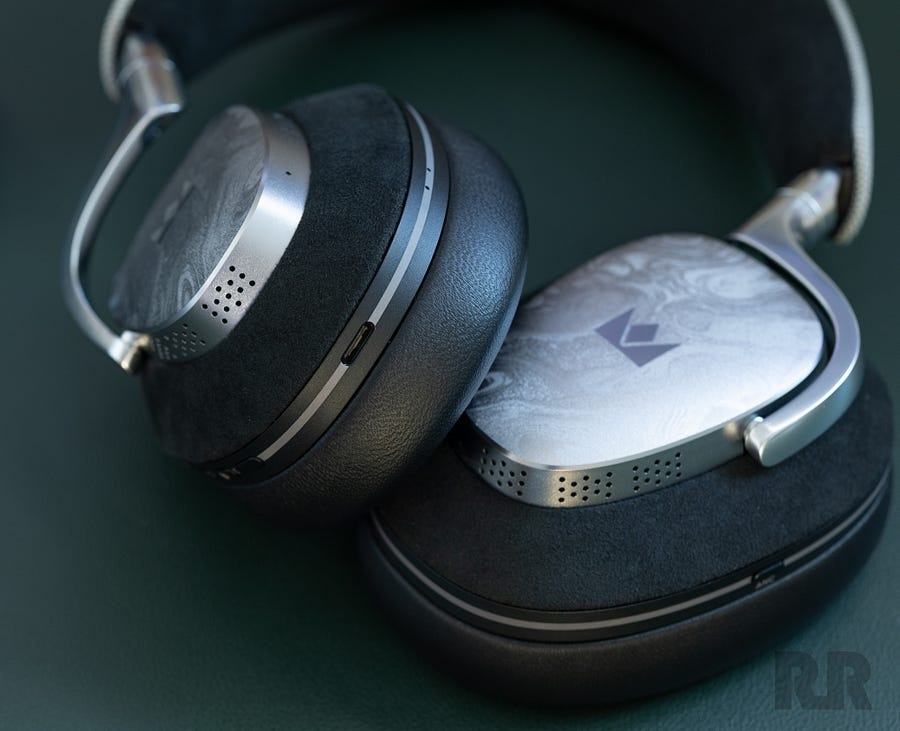
The back of each ear cup is perforated, providing ventilation and space for the microphones. A plastic ring sits between the Alcantara and the ear cup, housing the power and volume controls. The Artemis’ USB-C input is located on the bottom of the left ear cup and feels secure.
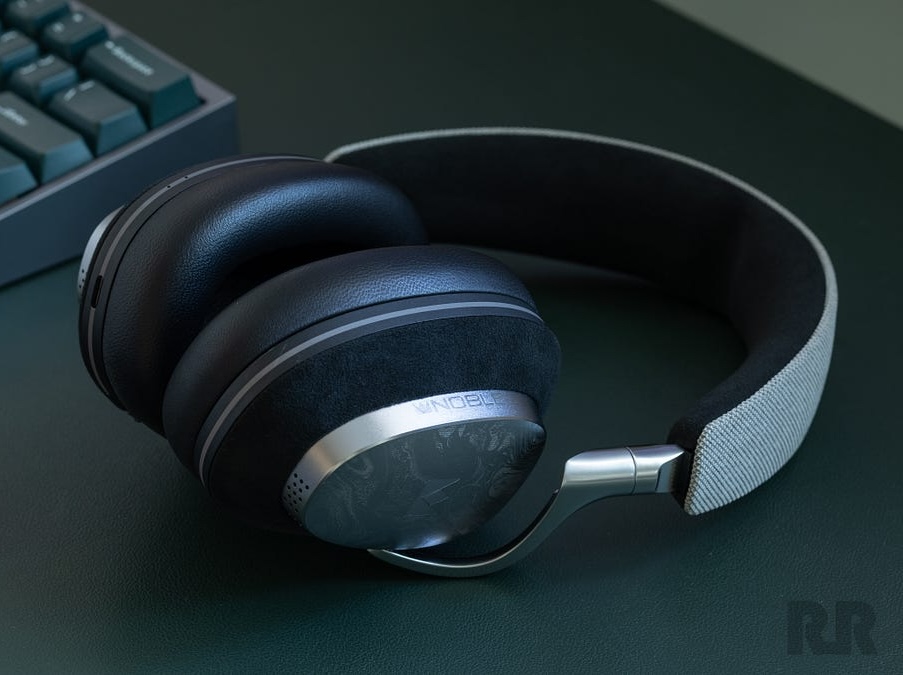
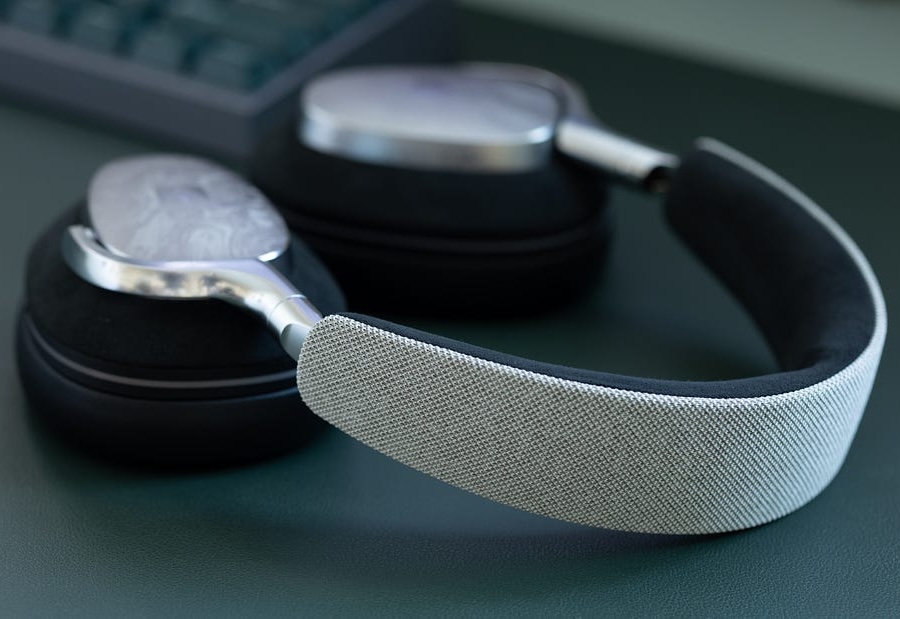
The Artemis’ headband is sturdy and comfortable, with a padded Alcantara underside and woven cloth exterior. The internal structure is reinforced with spring steel, giving the headband a substantial and durable feel.
The Artemis features magnetically attached ear pads, making them easy to remove and replace. Replacement pads are available directly from Noble, so owners do not have to worry about the headphones becoming unusable simply because the pads wear out.


Even more valuable is the inclusion of user replaceable batteries. With a single screw, owners can remove the Artemis’ battery and replace it with a spare purchased from Noble. In practical terms, that means the Artemis can remain in service until something truly fails rather than becoming disposable once the battery reaches the end of its useful life.
Very few wireless headphones offer this level of maintainability. Fairphone’s Fairbuds XL are a notable exception, while AIAIAI’s TMA 2 models also emphasize modular, replaceable components. Sennheiser supports replaceable ear pads on models like the Momentum 4, Momentum 5, and HDB 630, but their batteries are not user replaceable. Noble therefore deserves real credit for making both routine wear items and the battery easy for owners to replace themselves.

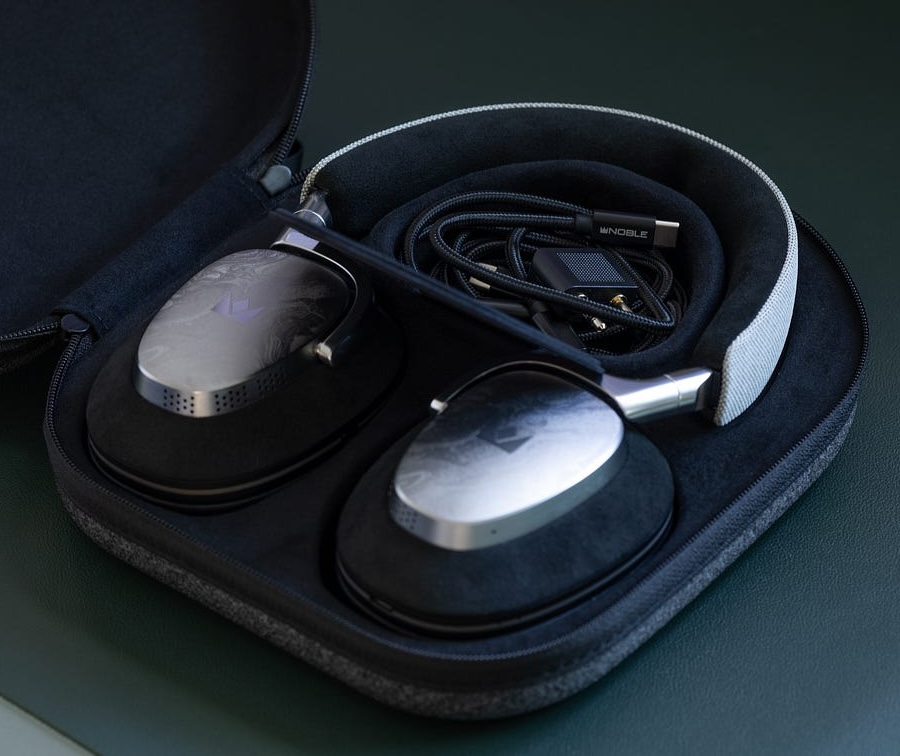
I’m a fan of the case Noble chose for the Artemis. It features a neatly cut recess that holds the headphones securely, along with a dedicated compartment for cables and accessories. The exterior is soft and pleasant to the touch, while the felt like interior helps protect the Artemis from scratches and abrasion.
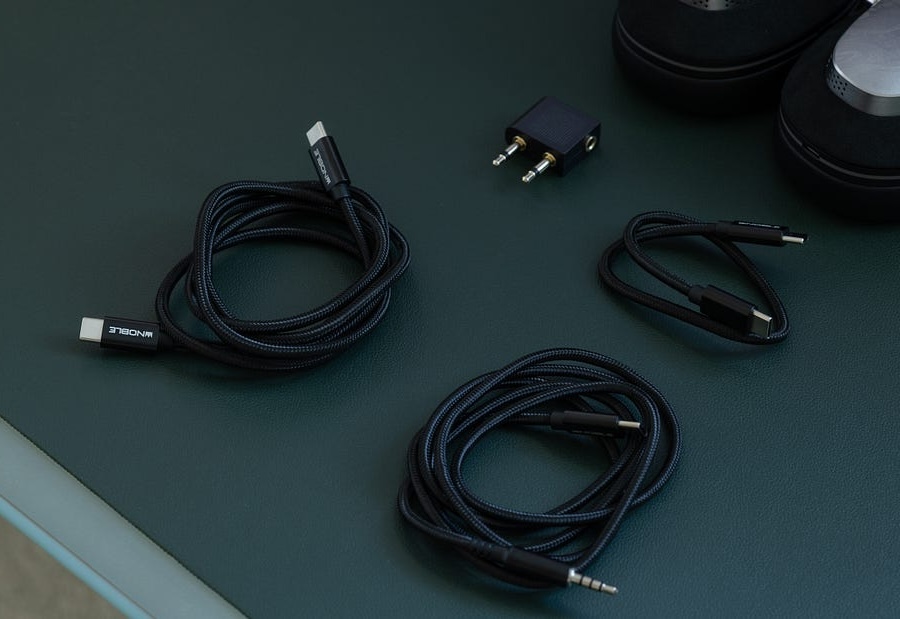
Included with the Artemis is a useful assortment of cables and accessories, including two USB C to USB C cables, an airplane adapter, and a 3.5mm to USB-C adapter. That is basically everything you need for a complete experience right out of the box, and the cables themselves feel soft, flexible, and sturdy. No complaints here.
Connectivity
The Artemis features Bluetooth 5.4 compatibility and supports a broad range of audio codecs. Hi Res playback via LDAC and aptX Lossless works well, and I was able to achieve LDAC playback easily across multiple Android devices. The Artemis’ Bluetooth chipset also proved reliable during normal listening, with no stuttering or dropouts. I was able to maintain high quality playback even when separated from the source device by a considerable distance and multiple walls.
My one reservation involves occasional disconnects. After listening to the Artemis for an hour or two, it will sometimes disconnect from my phone without warning or an error message. The headphones do not appear to be power cycling, and the source device also registers the temporary disconnect. The Artemis then reconnects almost immediately, but the interruption is still annoying.
Wired Playback
Beyond wireless playback over Bluetooth, the Artemis also supports wired playback over USB C. There are two ways to do this: with the included USB-C to 3.5mm cable or with a USB-C OTG cable.
Connecting the Artemis to my PC via USB C was easy and painless, with Windows quickly recognizing the headphones and installing the appropriate driver. Sound quality remains fully intact in this mode. Listening via the 3.5mm connection is similarly straightforward, and the Artemis’ sound signature remains consistent with its USB-C and Bluetooth playback modes.
Listening
The Artemis offers two layers of sound customization through hearing compensation and a 10 band EQ. The analysis in this section was performed without either feature enabled and is intended to serve as a baseline assessment of how the Artemis performs without additional tuning.
In stock form, the Artemis splits the difference between a traditional mainstream V shaped tuning and a more enthusiast oriented reference presentation. Its bass is elevated, sloping down into a weighty but not bloated lower midrange. The Artemis’ lower register is fairly rich overall, counterbalanced by an energetic and articulate upper register.
Moving up from the somewhat flat lower mids, the Artemis peaks in the upper mids around 2 to 3 kHz, placing vocals forward in the mix. There is a bit of grain here, likely owing to the Artemis’ complex tribrid driver architecture. From the upper mids, the response dips through the lower treble before rising again around 8 and 10 kHz. This translates into a bright, forward treble that adds some much needed contrast to the soundstage.
Sophisticated Treble
The Artemis’ treble is bright and forward, though well balanced and free from unnatural exaggeration. Even sharply mastered tracks like “Satisfy” by Nero remain controlled and natural sounding. I’m fairly sensitive to treble, so it’s nice to see Noble paying close attention to the amount of energy in the upper register.
This balanced approach renders air and space nicely, working especially well with spacious, open sounding tracks like “Midnight City” by M83. At the other end of the spectrum, densely layered tracks like the chronically congested “Bitter Sweet Symphony” by The Verve are also handled well. The multiple layers of strings and metallic percussion remain distinct without becoming smeared or blurry.
Broad, Rich, and Full Sounding
The Artemis’ midrange is tuned for richness, aiming to maximize timbral weight without sounding bloated. Broadly, I think Noble has done a good job. Vocals are forward and set just ahead of the instrumentation, rendered with clarity and respectable intelligibility even during busy passages. The Artemis is not particularly biased toward male or female vocals, rendering both with distinction and care. Duets are therefore a strong listen, as evidenced by the rowdy vocals in “Ricochet!” by Shiny Toy Guns.
Beyond vocals, the Artemis’ midrange can occasionally sound a bit too warm on atmospheric, bass heavy tracks like “Courtesy” by Slothrust, toeing the line between desirable weight and outright heaviness. That said, the Artemis still exhibits excellent instrumental layering, as heard on “Paradox” by Emoter. Its soundstage is wide, deep, and organic, presenting its technical capabilities in a naturally expansive fashion.
Powerful, Articulate Bass
For many listeners, bass is a make or break aspect of a headphone’s sound signature, myself included. Beyond simple presence, factors like tonal balance, speed, control, and responsiveness all contribute meaningfully to a satisfying bass experience. Noble’s top end IEMs usually possess strong bass profiles, but headphones are a different ball game. Thankfully, the Artemis’ bass isn’t just good. It’s excellent.
Powerful, punchy, and weighty, the Artemis’ mid bass hits with tangible presence, adding substance and impact to drum slams in “wonderful life” by Bring Me The Horizon. Old school EDM with massive bass drops, like “The Hero” by Nostalgia, extracts a respectable degree of punch and rumble from the Artemis, communicating a convincing sense of size and weight.
The Artemis’ bass isn’t just powerful, but also maintains excellent tonality and timbre. Bass elements sound complete and full bodied, with enough density to give them real physical presence. “Horizons” by Bassnectar is treated similarly well, but immerses the listener in a broad wall of bass rather than a punchy ebb and flow. The Artemis’ extension into the sub bass below 40 Hz is particularly impressive. More complex tracks like “War Pigs (Celldweller Remix)” retain texture and shape through demanding bass passages, even when the low end becomes layered and highly varied.
Acceptable Noise Cancellation Quality
The dichotomy between audiophile grade acoustics and class leading ANC performance is a real one. You still have to choose, and as good as headphones like the Artemis have become at active noise cancellation, the difference in effectiveness compared with mainstream brands like Sony and Bose remains noticeable.
The Artemis offers three levels of ANC strength: “weak,” “medium,” and “strong,” with substantial differences in noise reduction between each setting. “Weak” mode delivers the most predictable performance, offering the greatest consistency in how ANC affects the final sound output, while “medium” mode produces the least consistent results. “Strong” mode blocks out most low and mid frequency noise, but still struggles with higher pitched sounds.
The Companion App
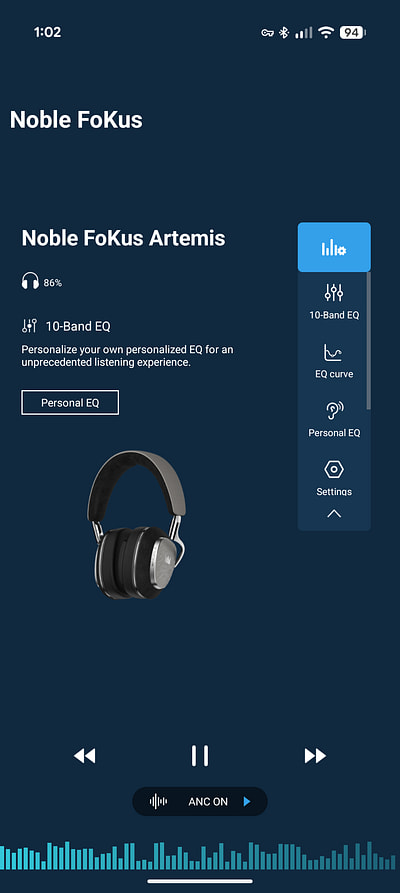

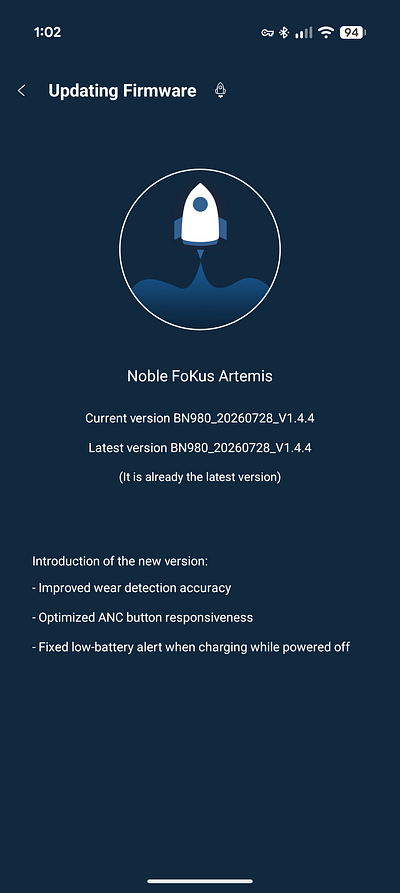
Noble’s Bluetooth products are controlled through the Noble FoKus app, available on both the App Store and Google Play. It is small, lightweight, and free of unnecessary bloat. No accounts, no passwords, no hassle. Once a compatible device is paired, the app allows you to adjust EQ, take a personalized hearing test, and update the firmware.
There are still a few areas where the user experience could be improved, and the interface is not as polished as what you’ll find from brands like Bang & Olufsen or Master & Dynamic.
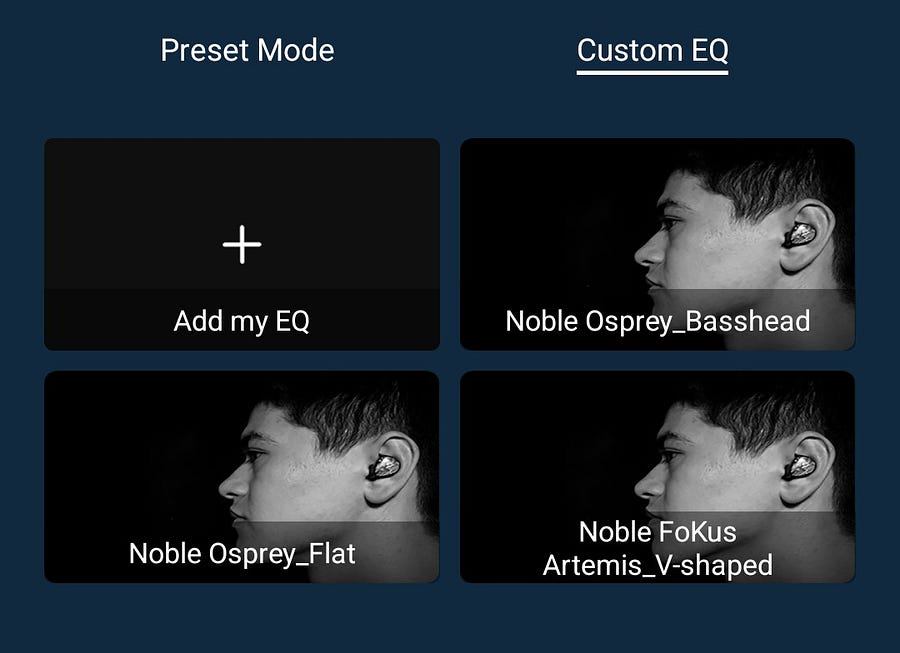
One particular point of annoyance is that the FoKus app does not separate custom EQ presets by device. That means presets I save for, say, the Noble Osprey also appear when I’m browsing presets for the Artemis.
That may seem minor, but it can become irritating when I want to quickly find a specific preset I’ve saved. After all, an EQ setting created for the Artemis is unlikely to sound good on the Osprey, and vice versa.
What is the Artemis Up Against?
As the market for true luxury wireless headphones continues to grow more crowded, it’s more important than ever to understand what competition the Artemis actually faces. First, let’s look at the mainstream brands.
Sony 1000X THE COLLEXION
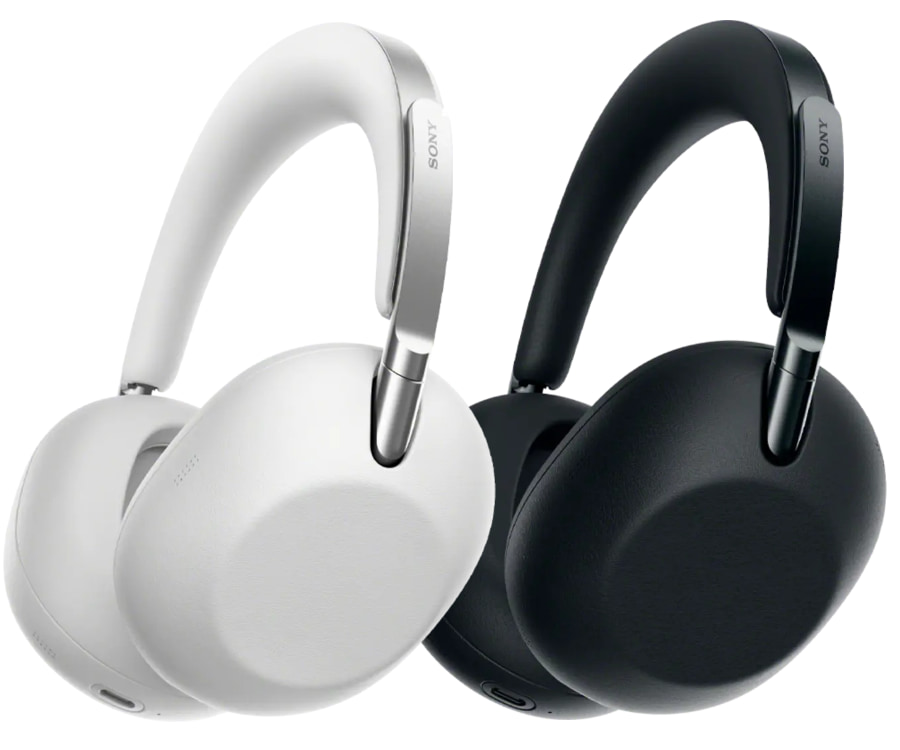
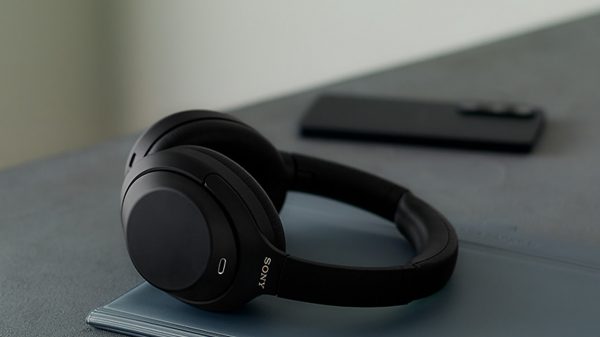
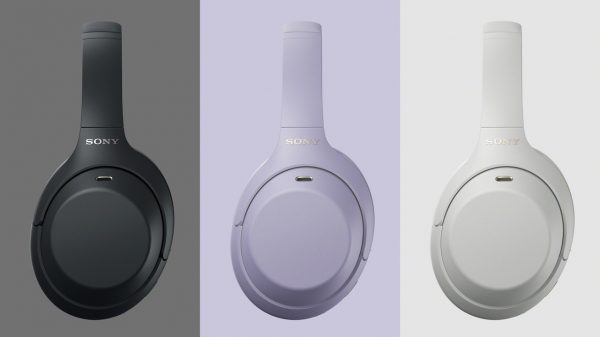
Sony introduced the 1000X THE COLLEXION (WH-1000XX) in May 2026, positioning the $649.99 model above the more reasonably priced WH-1000XM6. The Collexion also addresses some of the durability concerns associated with the plastic hinge designs of earlier 1000X models, replacing the XM6’s folding hinge with a more substantial stainless steel swivel joint and adding considerably more metal to the overall construction. It feels heavier and more substantial than Sony’s mainstream models, putting it much closer to the Artemis in terms of perceived luxury.
Sony remains one of the benchmarks for active noise cancellation, and in some situations the 1000X THE COLLEXION delivers more refined noise reduction than the Artemis. The Sony does not, however, offer the Artemis’ easily user replaceable battery. That means long term battery degradation is more likely to require service rather than the simple at home replacement Noble provides.
Sonically, the Artemis has a clear advantage over the 1000X THE COLLEXION. Its upper register, in particular, offers levels of articulation and finesse that the Sony does not begin to approach. Both headphones provide extensive sound personalization, although they go about it differently. Noble uses Audiodo hearing compensation, while Sony offers its Find Your Equalizer system, conventional EQ controls, and personalized spatial audio features through the Sound Connect app.
The Sony’s drivers simply do not match the Artemis’ tribrid configuration in overall performance, and applying EQ to both only reinforces how much more resolution and refinement the Artemis can deliver.
Noble FoKus Apollo Pro
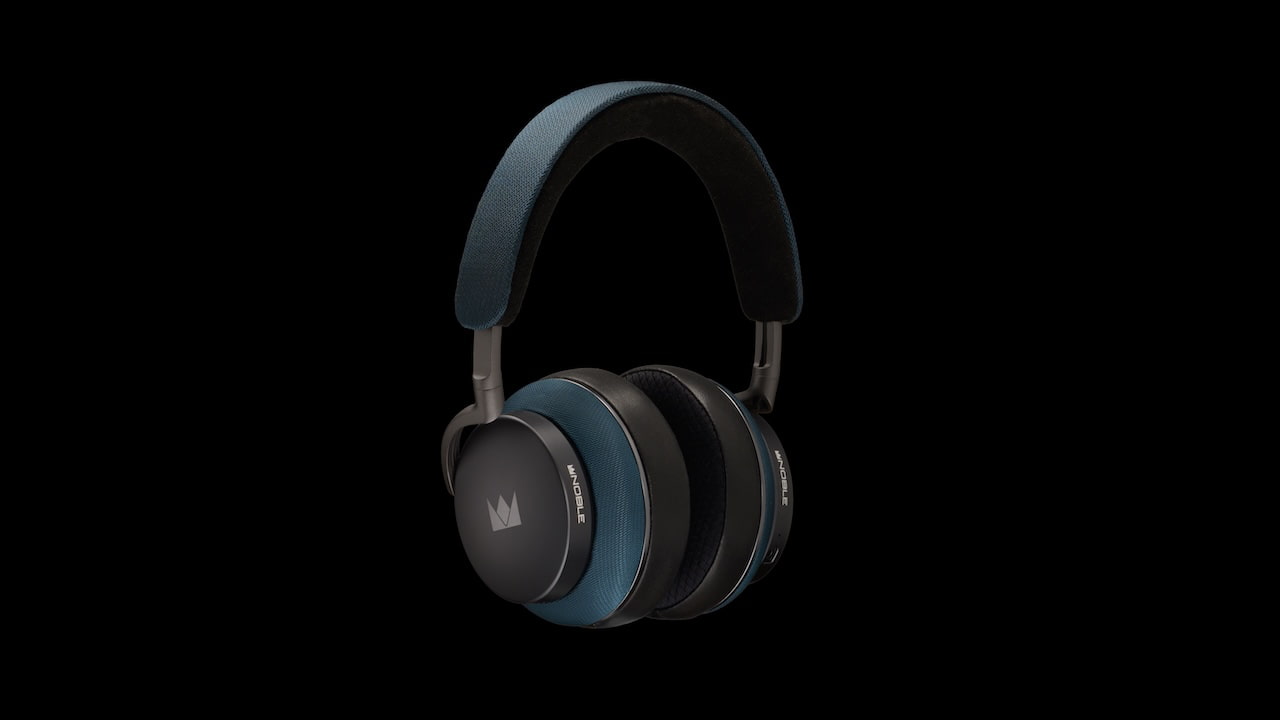
Yes, it’s true: the Artemis does have to justify its substantial price increase over the $699 FoKus Apollo Pro. That headphone was announced at CanJam Singapore 2026 and is still relatively early in its lifecycle. The Apollo Pro features a simpler hybrid driver setup, with one dynamic and one planar driver per side, compared with the Artemis’ dynamic, planar, and balanced armature configuration.
The Artemis uses a similar but noticeably upgraded selection of materials, most obviously its Damascus steel inspired ear cups. That said, the Apollo Pro, like the original Apollo, features a detachable boom microphone, making it better suited for gaming and office use, especially if you need to keep your voice down.
I was not much of a fan of the original Apollo, but the Apollo Pro’s tuning was far more palatable. It has a smoother, more relaxed presentation than the Artemis, lacking the latter’s more forward and aggressive treble. The Artemis’ integrated pressure relief system also gives it a tighter, meatier low end, allowing it to capture a greater sense of size and intensity in electronic bass drops than the Apollo Pro can manage.
EQ is a major part of the experience with both headphones, however, and each responds well to adjustments using the FoKus app’s easy to use 10 band equalizer. Is the Artemis worth the $200 premium? It really depends on your needs. On one hand, the Artemis offers a tangible improvement in material quality and sonic performance. On the other, the Apollo Pro’s boom microphone and longer battery life give it practical advantages the Artemis does not have.
Ultimately, how you intend to use your headphones, along with how demanding you are about acoustic performance, will determine which model makes more sense.
Bang & Olufsen Beoplay H95

B&O has long offered extremely expensive wireless headphones, many of which sit well above mainstream pricing. The model that competes most directly with the Artemis is the H95, which costs $1,250, a $350 premium over the Noble. And while I’d like to say the Artemis simply dunks on the H95 when it comes to build quality, that isn’t the case. B&O leans heavily on material choice to justify the H95’s substantial price, using luxurious components such as anodized aluminum faceplates, titanium drivers, and a lambskin headband. Heck, even the H95’s carrying case is made from metal.
But material design is where the H95’s biggest advantage ends. Its rich V shaped sound signature is fine and well suited to mainstream tastes, but the underlying driver performance does not clearly outperform more conventional models like Sony’s WH-1000XM5, let alone the Artemis. Acoustic performance is clearly the Artemis’ domain, with tighter, better controlled bass, clearer vocals, and airier treble.
The Artemis’ stock sound signature is somewhat less cohesive than the H95’s tuning, but it can be easily adjusted to bring it closer to a more traditional presentation. You do not even need to touch the manual EQ, as the Jazz and Rap presets in the Noble FoKus app offer different takes on more familiar tuning.
Overall, I suspect most audio enthusiasts will gravitate toward the Artemis over the H95. The lower price is certainly part of the appeal, but the larger advantage is sonic performance, where the Artemis is clearly a step ahead.
The Bottom Line
The Noble Audio Artemis is one of the most convincing arguments yet for spending serious money on a wireless headphone. Its tribrid driver system delivers powerful, articulate bass, excellent midrange resolution, and an airy treble response that can be shaped effectively through EQ. The build quality is equally impressive, but the bigger story is longevity. Replaceable ear pads, headband components, and a user replaceable battery give the Artemis a level of serviceability that remains rare in premium wireless headphones.
It is not perfect. Noble’s ANC is the best the company has produced so far, but Sony and Bose still do a better job of shutting out the outside world, and the FoKus app could use some refinement. Stock tuning can also reveal a touch of treble grain, while fit and positioning have a noticeable effect on tonal balance.
Even so, the Artemis gets the fundamentals right. It sounds better than most mainstream wireless flagships, feels appropriately luxurious, and is designed to remain useful long after its battery begins to age. At $899, it is unquestionably expensive, but for listeners who care about sound quality, build, and long term ownership more than having the absolute best ANC, the Artemis makes a surprisingly persuasive case for itself.
Pros:
- User replaceable battery
- Replaceable ear pads and serviceable components
- Excellent overall sound quality
- Powerful, articulate bass with strong sub bass extension
- Clear, resolving midrange
- Airy, detailed treble
- Wide, deep soundstage
- Responds very well to EQ
- Excellent build quality
- Comfortable and secure fit
- Strong wired and wireless playback options
- Best ANC performance yet from Noble
Cons:
- ANC still trails Sony and Bose
- FoKus app needs UX refinement
- Occasional Bluetooth disconnects
- Slight treble grain in stock tuning
- Tonal balance can shift with fit and positioning
- $899 remains a significant investment
Our Ratings:
★★★★★★★★★★ Sound Quality
★★★★★★★★★★ Comfort
★★★★★★★★★★ Build Quality
★★★★★★★★★★ Usability
★★★★★★★★★★ ANC
★★★★★★★★★★ Value
Where to Buy
Related Reading:
- Do Wireless Headphones Need 24-Bit/192kHz Lossless Audio? Major Brands Disagree
- Sony 1000X THE COLLEXION Headphones Review: A $650 Upgrade Or An Expensive Fashion Statement?
- Bowers & Wilkins Px8 S2 Vs Sennheiser HDB 630: Which Premium Wireless Headphones Sound Better?
- HiFiMAN Arya WiFi Review: A More Affordable Path To Wireless Planar Headphone Performance?






















Alice
August 29, 2026 at 3:13 pm
The Qualcomm QCC3095 chipset does NOT support 6.0, it supports 5.4…
Ian White
August 29, 2026 at 10:06 pm
Alice,
I am on the road but I did some additional research on this and you are correct. They are also not the only manufacturer making that claim.
The QCC3095 is part of Qualcomm’s modern Snapdragon Sound S3 Gen 3 family. The core physical hardware (radio) can support the lower-level transmission requirements of newer protocols. Some manufacturers claim “Bluetooth 6.0” because the headphones are architected to support standard 6.0 features via a future firmware update once the Bluetooth SIG officially certifies the final implementation on that hardware.
Fosi, TRN, and Noble all use it.
Brands sometimes label a product with a newer Bluetooth version if it incorporates certain advanced low-latency or audio-streaming features that mimic or adapt to newer standards, even if the silicon’s core design originated during the Bluetooth 5.4 era.
When I am in a safer environment to edit, I will add that to the review.
IW