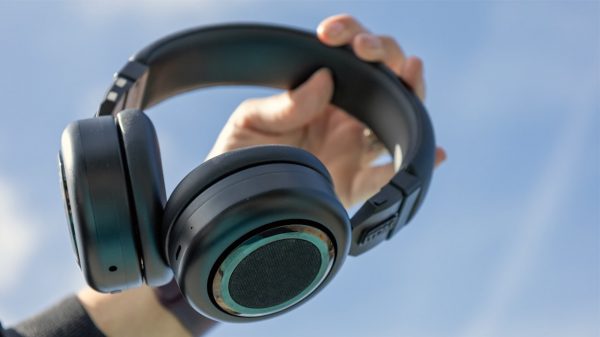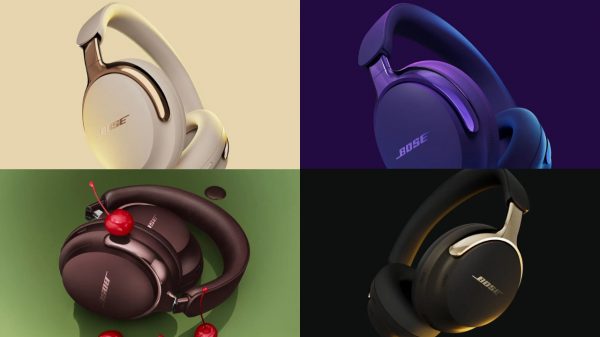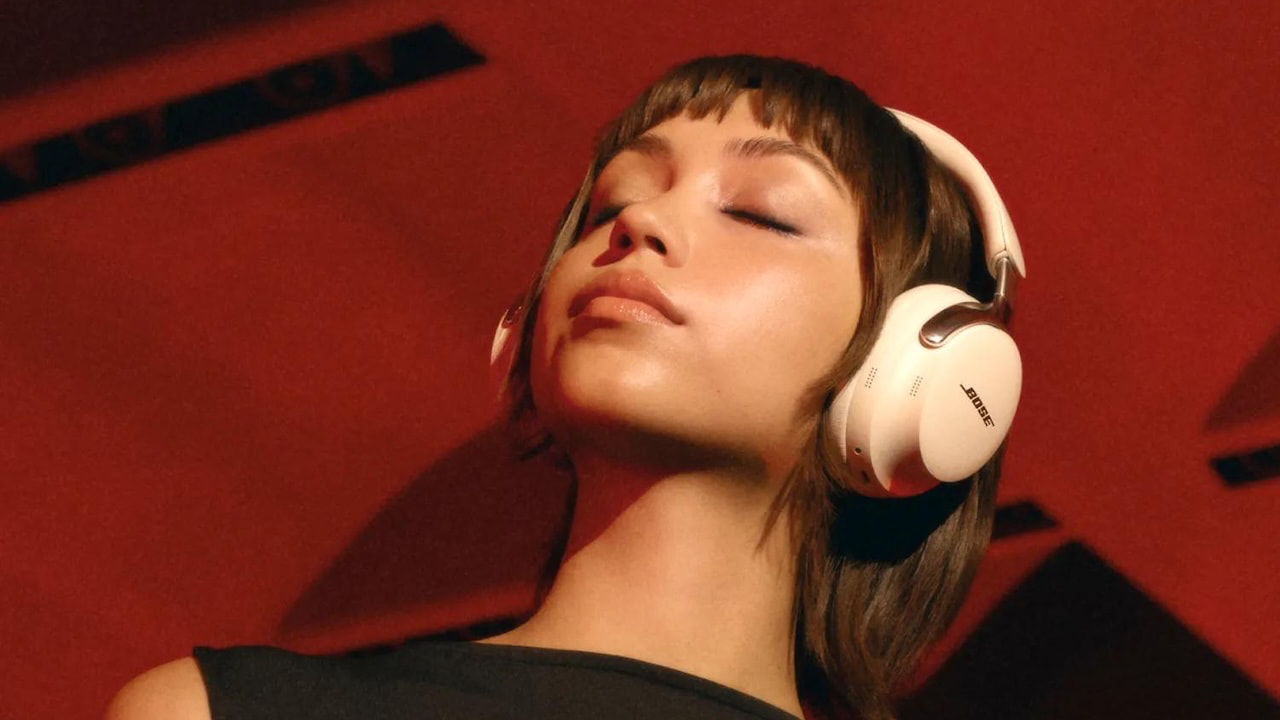
Bose makes some of the best noise-cancelling headphones for airplanes, airports, gyms, and other places where you’d rather not hear most of what is happening around you. Now the company is adding a Bluetooth technology specifically designed to let those places talk directly to your headphones.
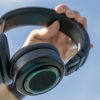
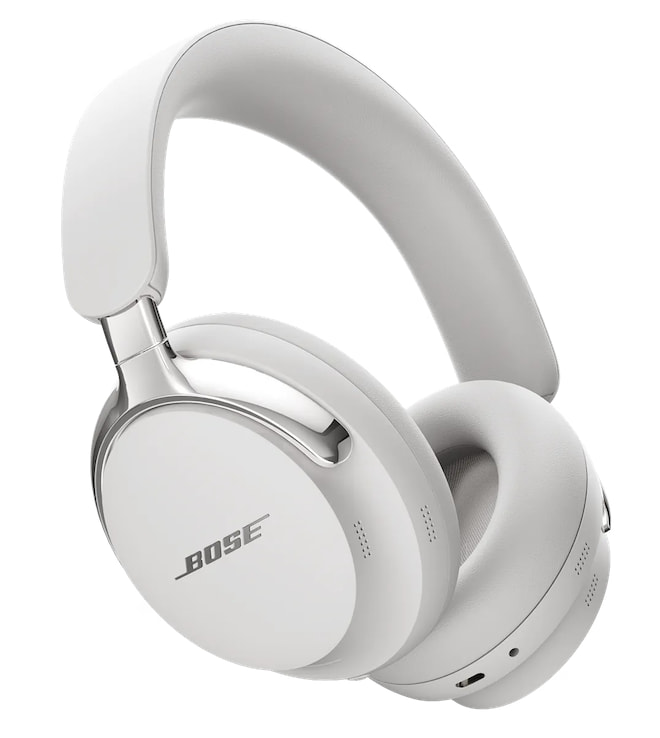
The Bose QuietComfort Ultra Headphones (2nd Gen) are receiving beta support for Bluetooth LE Audio and Auracast, allowing compatible Android devices to use the more efficient LC3 codec while opening the door to public and private Bluetooth audio broadcasts. Bose joins Sony, Samsung, JBL, Sennheiser, and a growing list of manufacturers backing a technology that has spent several years promising to become useful once enough hardware actually supported it.
We just reviewed the $449 QuietComfort Ultra (2nd Gen) and came away impressed by its ANC, comfort, USB Type-C audio, and overall versatility. Auracast addresses another feature gap and makes Bose’s flagship considerably more interesting without requiring anyone to buy Gen 3 next Thursday.
Tip: Bose is currently selling two 2nd Gen QuietComfort models, which we’ve reviewed:
What Does LE Audio Actually Change?
Bluetooth LE Audio uses the LC3 codec rather than the older Bluetooth Classic audio architecture. Bose says LC3 can deliver high-quality audio more efficiently, potentially reducing power consumption while enabling features that conventional Bluetooth was never designed to handle.
Do not confuse that with lossless audio.
The QuietComfort Ultra Gen 2nd Gen already supports lossless playback over USB-C, which remains the connection to use when maximum wired fidelity matters. LE Audio is about Bluetooth efficiency, flexibility, and features such as Auracast rather than magically turning wireless playback into a USB cable.
Auracast Is The Bigger Deal
Auracast allows one source to broadcast Bluetooth audio to multiple compatible receivers without conventional one-to-one pairing.
The obvious examples are airport televisions, gym screens, museum exhibits, conference presentations, and public announcements. Instead of hunting for subtitles on a silent television hanging above Gate C37, a compatible broadcast could theoretically be selected and heard directly through your headphones.
It can also be used privately. A television, smartphone, or other compatible transmitter could send the same program to multiple sets of headphones simultaneously, which is considerably more elegant than passing one pair around the sofa.
Auracast was officially introduced years ago. The problem was never the idea. The problem was finding enough devices that actually supported it.
Bose joining the party matters precisely because QuietComfort headphones are everywhere.
There Are Some Beta Strings Attached
Bose currently documents LE Audio support for select Android devices running Android 13 or newer with Bluetooth 5.2 or later. Compatibility depends on the smartphone manufacturer, model, and software version; Bose specifically references recent devices from Google, Samsung, OnePlus, and Xiaomi.
The company does not currently list iOS support for the beta, so iPhone owners should not assume they can use Auracast with the QC Ultra Gen 2 yet.
Enabling LE Audio also temporarily disables Spotify Tap and the voice-assistant shortcut because those functions rely on the same Bluetooth Low Energy connection being used for LE Audio. Users can enable or disable the feature through the Bose app, after which the headphones restart and reconnect using the selected Bluetooth mode.
Beta apparently still means beta.
USB Audio Gets Some Attention Too
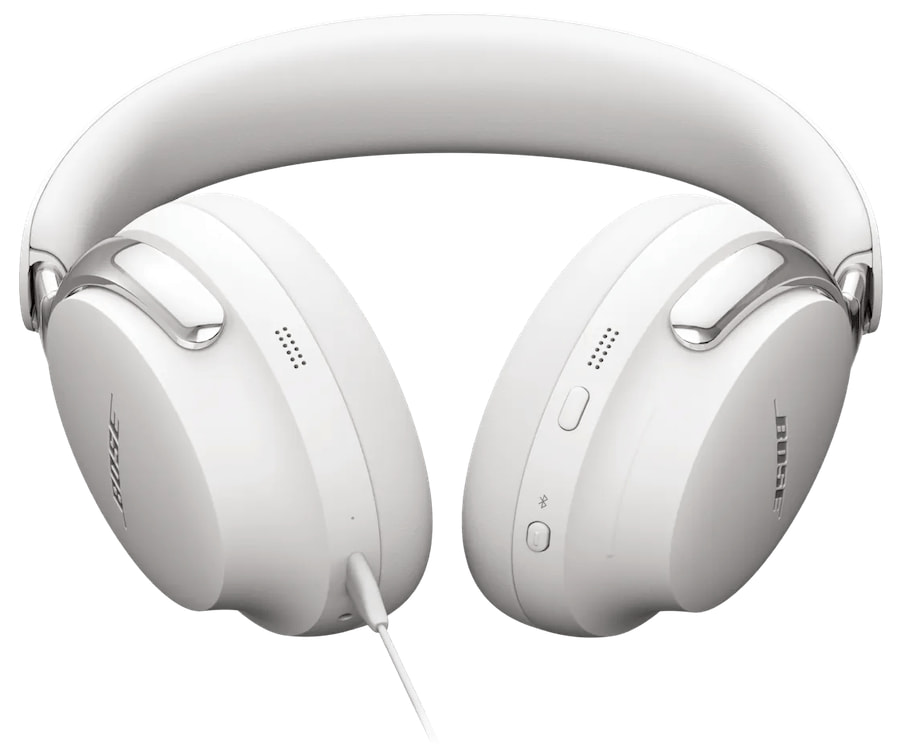
The same update also improves wired USB audio behavior. According to reporting on the release, Bose has addressed channel balance for gaming applications and improved compatibility with web-conferencing software.
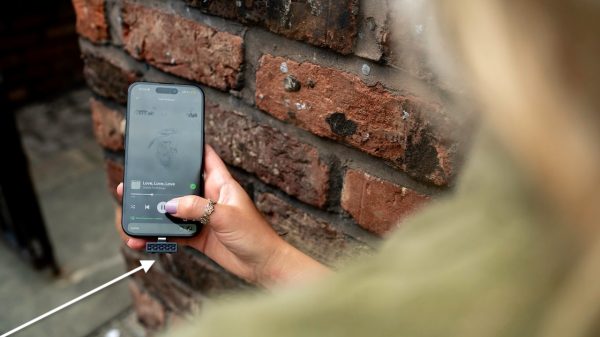
That builds on one of the most important changes Bose made to the second-generation Ultra. Unlike the original model, the current headphone can play lossless digital audio over USB-C while also charging during use.
Those improvements are less glamorous than Auracast, but anyone who uses one pair of headphones for music, Teams calls, gaming, and travel will probably notice them more often than they encounter an Auracast transmitter at Newark.
At least for now.
Why Does This Matter?
Auracast has been one of Bluetooth’s most promising technologies and one of its easiest features to ignore because real-world adoption has moved slowly.
Adding it to a product as mainstream as the QuietComfort Ultra 2nd Gen changes the equation somewhat. Bose headphones are heavily associated with travel, which also happens to be one of Auracast’s most obvious applications. Airports, airplanes, hotel gyms, conference centers, and public displays are precisely where broadcast audio could become genuinely useful.
The timing also helps Bose competitively. Sony, Samsung, JBL, and Sennheiser have already embraced various parts of the LE Audio/Auracast ecosystem, and the absence of support was becoming more noticeable on a $449 flagship.
The Bottom Line
Auracast will not suddenly change how every QuietComfort Ultra 2nd Gen owner listens to music tomorrow morning. What matters is that Bose has joined the ecosystem.
The QuietComfort Ultra 2nd Gen was already one of the better choices for frequent travelers because of its ANC and comfort. Giving those same users access to airport, gym, television, and other broadcast audio streams makes more sense here than it would on almost any other category of headphone.
Now we just need airports to turn the transmitters on.
Where to Buy:
Related Reading:
- Bose QuietComfort Ultra Headphones 2nd Gen Review
- Technics EAH-A1000 Over Ear ANC Wireless Headphones Review
- Sony WH-1000XM6 Wireless Headphones Review
- Sennheiser BTD 700: AptX Adaptive, Auracast, And No More Bluetooth Bottlenecks