
The European Union is preparing to change how portable electronics are designed, repaired, and maintained, with important new requirements taking effect on February 18, 2027. Under the EU Batteries Regulation (2023/1542), manufacturers will generally be required to make portable batteries replaceable and ensure that replacements remain available as spare parts. A separate provision, the Digital Battery Passport, also takes effect that day, although it won’t cover the smaller batteries found in most consumer electronics.
Under Article 11, products containing portable batteries sold in the EU must generally allow consumers to remove and replace them using commercially available tools. Manufacturers cannot require proprietary tools, specialized equipment (unless supplied free of charge), heat guns, or chemical solvents to access the battery. Replacement instructions and safety information must also be available online.
The implications are significant for manufacturers of wireless headphones, Bluetooth speakers, portable digital audio players (DAPs), handheld gaming systems, and other rechargeable electronics. Smartphones and tablets are already subject to separate EU repairability requirements that began applying in June 2025.
Related Reading:
- Sony WH-1000XM4C Review: Can a Former ANC King Still Compete at $300?
- Sennheiser MOMENTUM 5 Wireless Review: Did Sennheiser Just Undercut The HDB 630?
What About Wireless Earbuds, Smartwatches, and Waterproof Devices?
There are exceptions, but manufacturers can’t simply declare a product exempt because it’s small, waterproof, or inconvenient to repair.
The European Commission’s July 2026 delegated measure expands the categories eligible for professional battery replacement rather than replacement by consumers. These include certain wearable devices, children’s toys, medical equipment, and products designed for potentially explosive environments under the ATEX Directive.
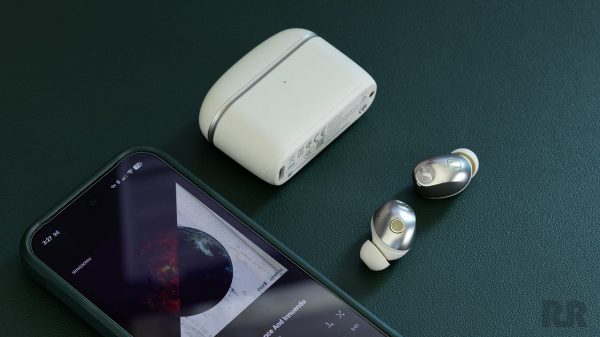
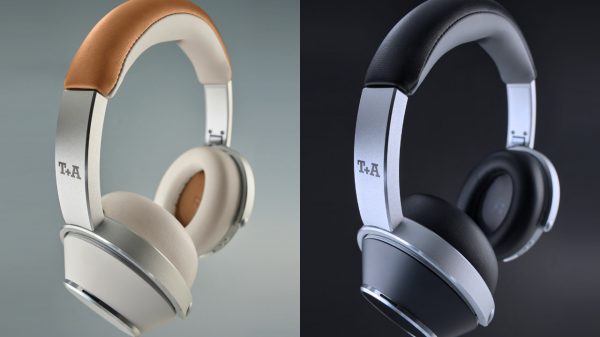
For audio enthusiasts, the distinction between over-ear wireless headphones and true wireless earbuds is particularly important. Most conventional wireless headphones are expected to fall under the general consumer replacement requirements. However, compact, sealed earbuds may qualify for an exception where allowing consumers to access the battery would compromise safety, durability, or water resistance.
Smartwatches, fitness trackers, and other miniature wearables may qualify under similar conditions. Certain appliances designed for regular exposure to water can also receive special consideration where consumer battery replacement would create a safety risk. Simply having an IP rating, however, doesn’t automatically qualify a product for an exception.
Children’s toys may qualify where accessible batteries create safety concerns, while the ATEX provisions address equipment operating in potentially explosive environments. Unless your listening room doubles as a chemical refinery, that last exemption probably won’t keep you awake at night.
Importantly, these exceptions generally allow battery replacement by independent professionals rather than eliminating the replacement requirement altogether.
For audio enthusiasts, the larger point remains unchanged: a dead battery shouldn’t automatically mean throwing away an otherwise perfectly functional pair of headphones, wireless earbuds, or portable music player. And after years of manufacturers treating rechargeable batteries like permanently installed expiration dates, that’s a welcome change.
The Battery Revolution Has Already Started
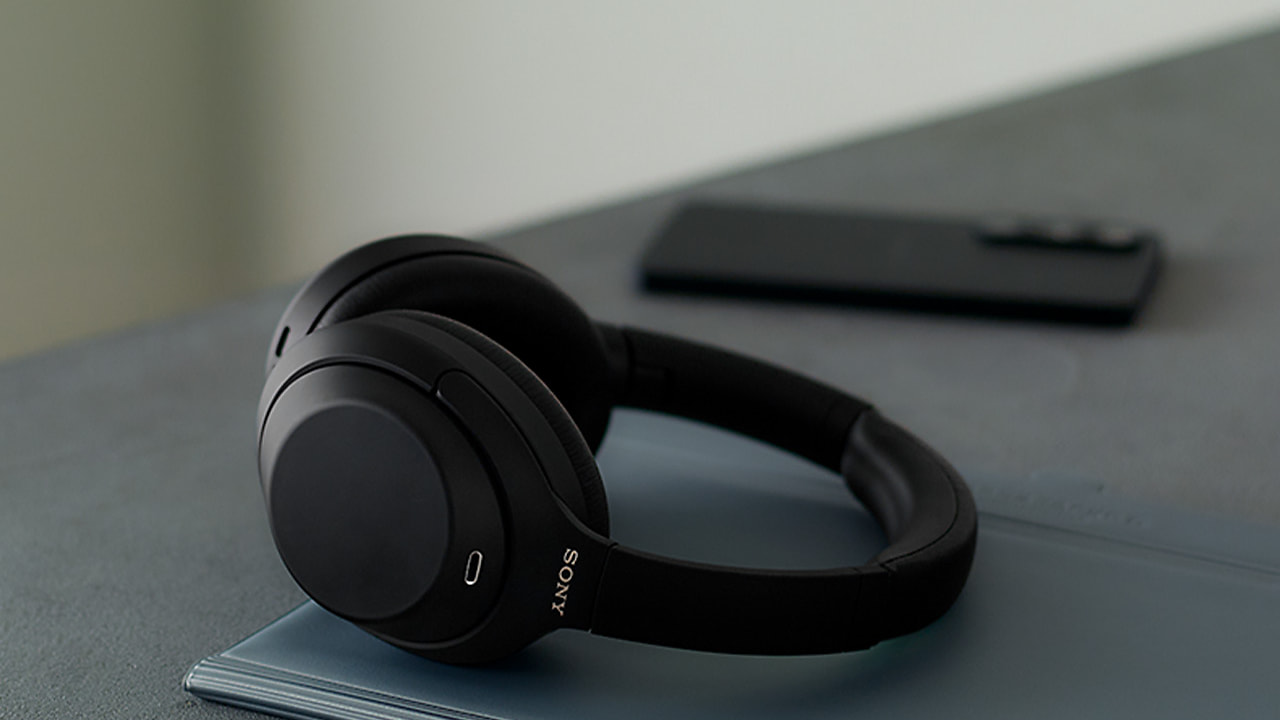
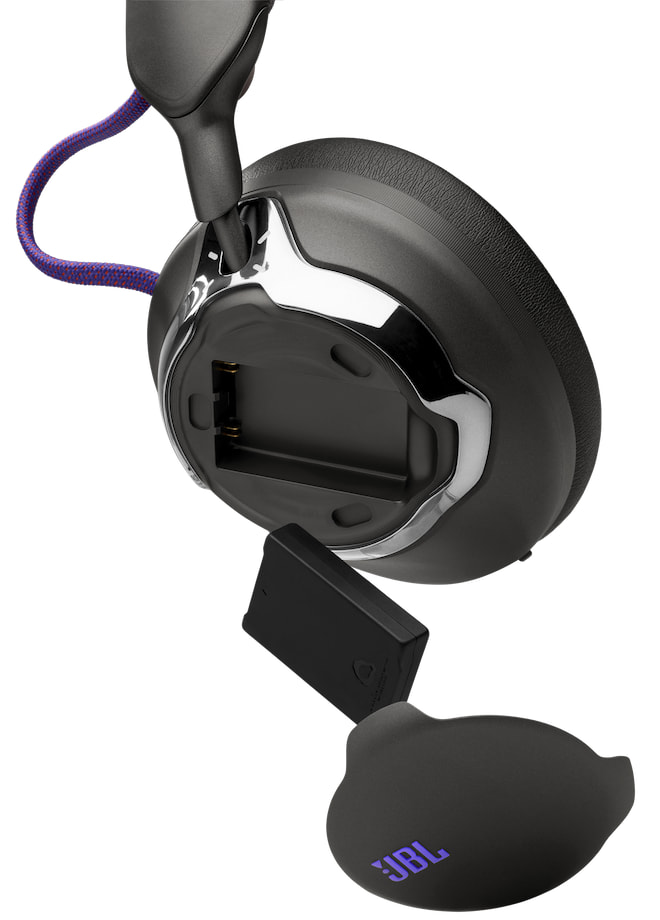
We’re already seeing manufacturers release products designed to meet the new requirements. Sony’s WH-1000XM4C is a particularly relevant example, with a redesigned, user-replaceable battery intended to satisfy the EU regulations. The new JBL Quantum 950X gaming headset goes a step further, offering easily replaceable batteries and including a spare in the box. That allows users to swap batteries rather than interrupt their listening or gaming sessions while waiting for a recharge.
We’re also seeing new digital audio players (DAPs) from major manufacturers being designed with these requirements in mind. We’ll have more to say about those products in the pages of eCoustics as their respective NDAs expire, but the direction is clear. Manufacturers that want to continue introducing portable audio products in the EU after February 18, 2027, need to take battery replacement seriously.
Five Years of Replacement Batteries at Reasonable Prices
Making batteries easier to replace is only half the solution. Under Article 11 of the EU Batteries Regulation, manufacturers must also ensure that compatible replacement batteries remain available for at least five years after the last unit of a particular product model is placed on the EU market.
That last part is important. The five-year clock doesn’t start when the first headphones leave the factory. If a manufacturer continues placing a model on the market for two or three years, early adopters could potentially have access to replacement batteries for seven or eight years, perhaps longer.
The regulation also requires replacement batteries to be offered at reasonable, non-discriminatory prices to consumers and independent repair professionals. This should make it considerably harder for manufacturers to push customers toward new products simply by making replacement batteries prohibitively expensive.
And there’s another important consumer protection.
Manufacturers cannot use software or firmware to prevent a device from working properly with a compatible replacement battery. That includes software-based parts pairing designed to reject otherwise suitable third-party batteries or limit their functionality. Manufacturers can still verify compatibility and safety, but they cannot use those checks simply to obstruct legitimate replacement.
The regulation doesn’t explicitly guarantee that every warranty will remain unaffected by a third-party battery replacement. Warranty coverage remains subject to applicable consumer protection laws and the circumstances of the repair. However, manufacturers cannot use software restrictions to make compatible replacement batteries unnecessarily difficult to use.
For consumers, this is a substantial improvement. A product with an aging battery should no longer become an expensive paperweight simply because the manufacturer would prefer to sell you its replacement.
Digital Battery Passports: Your Battery’s Entire History in a QR Code
Another important provision arriving on February 18, 2027, is the Digital Battery Passport, although its initial scope is considerably narrower than the rules affecting portable electronics.
The passport requirement applies to electric vehicle batteries, batteries used in light means of transport such as e-bikes and electric scooters, and industrial batteries with capacities greater than 2 kWh. It does not currently apply to the small rechargeable batteries found in headphones, earbuds, Bluetooth speakers, or portable music players.
The concept is straightforward. Each covered battery will have a digital passport accessible through a QR code, providing information about its manufacturing, technical characteristics, performance, sustainability, and potential for reuse or recycling.
The European Commission’s August 2026 guidance identifies 71 data points, although not every field applies to every battery category. Access to certain information will also depend on whether the person requesting it is a consumer, repair professional, recycler, or another authorized party.
Among the potentially useful information are battery identification, performance and durability data, material composition, and details relevant to repair, reuse, and recycling.
This could become particularly important as electric vehicle batteries begin entering second-life applications. A battery that no longer provides sufficient range for an EV might still have value in stationary energy storage, including residential solar systems. Better documentation of its age, condition, and previous use could help professionals assess whether repurposing makes economic and technical sense.
The passport won’t eliminate the need for proper testing or safety certification, but it should make the process more transparent.
For now, your wireless headphones won’t need a digital passport. However, it isn’t difficult to imagine a future in which similar information becomes available for smaller rechargeable batteries, particularly as manufacturers face increasing pressure to improve repairability and reduce electronic waste.
Why Audio Buyers Outside Europe Should Care
Consumers outside the European Union are likely to benefit from these changes as well. Manufacturers selling products internationally may find it more practical to adopt common battery designs rather than manufacture entirely different versions for European and non-European markets.
That doesn’t guarantee every new model will reach the United States or other markets simultaneously. Existing inventory and regional distribution strategies could result in older designs remaining on sale outside the EU for some time.
However, the longer-term implications are encouraging. Easier battery replacement, better spare-parts availability, and fewer software restrictions could extend the useful lives of products that might otherwise end up in a landfill.
The United States is already seeing progress through state-level Right to Repair legislation, although federal protections remain less comprehensive than the EU’s emerging framework.
For audio enthusiasts, this is a welcome shift in the balance of power. We’ve spent years buying increasingly expensive wireless headphones, earbuds, and portable players, only to discover that a relatively inexpensive battery can determine when the entire product becomes obsolete.
The EU is making it harder for manufacturers to treat battery failure as a scheduled upgrade opportunity. And after years of watching perfectly functional audio products become electronic waste, that’s a change worth supporting.
Now, if we could just convince manufacturers that replacement ear pads shouldn’t cost as much as a decent pair of headphones.
Related Reading:
- Sennheiser MOMENTUM True Wireless 5 Earbuds Add Dolby Atmos, Bluetooth 6.0 And Replaceable Batteries
- Beyerdynamic AVENTHO Y Debuts At IFA 2026 And Makes Wireless Headphones Less Disposable
- Headphone Warranty Problems: How Long Your Headphones Are Really Covered—And Why It’s Not Enough




















Karl Jansen
October 11, 2026 at 8:27 pm
This regulation is long overdue! Nothing says “planned obsolescence” like a rechargeable device that becomes a paperweight once the battery can no longer hold a charge. I refuse to buy any product without user-replaceable batteries. Thanks for reporting this!
Ian White
October 11, 2026 at 8:34 pm
Karl,
We agree. It’s utterly ridiculous that brands think it’s ok to charge $500 for a pair of wireless headphones that can’t have their battery replaced. All of the majors need to get onboard with this or reviews will start to reflect that omission.
IW