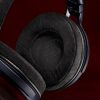
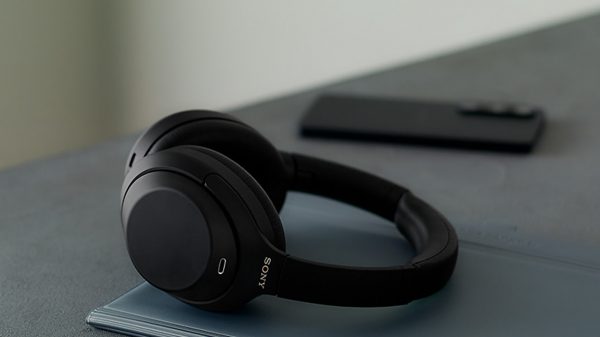
Thelma Candelaria, 47, went out for an early morning run in Eloy, Arizona, on October 15 and never returned. According to local reporting, she was filming one passing train when another approached on an adjacent track. Police say both trains sounded their horns, and the second train’s engineer applied the emergency brakes. Her daughter says Candelaria was wearing noise-cancelling headphones.
The investigation remains ongoing, and we cannot conclude that ANC caused her death. But the tragedy raises a question the personal audio industry needs to take seriously: When did shutting out the world become an unquestioned benefit?
Situational Awareness Is More Important Than Perfect Silence
We’ve reviewed hundreds of wireless headphones and earbuds at eCoustics, and I’ve warned readers about situational awareness for years. Active noise cancellation is wonderful on an airplane, but outside it can suppress sounds you genuinely need to hear.
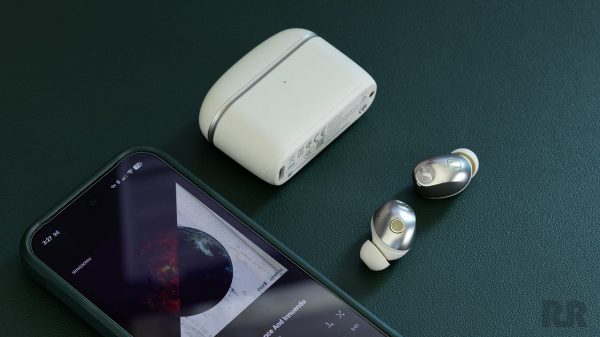
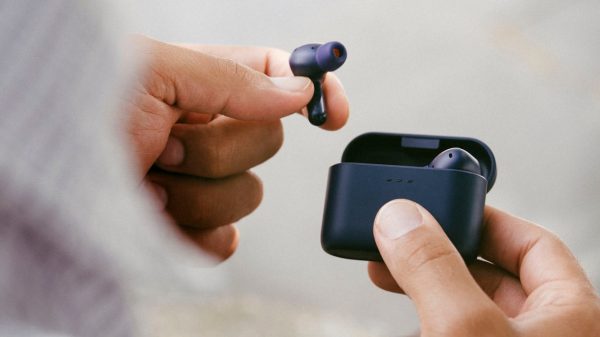
Switching ANC off isn’t necessarily enough. Sealed earbuds and over-ear headphones still provide passive isolation. Transparency and ambient modes use microphones to reproduce external sounds, but volume, wind, processing, and fit influence what reaches your ears. Neither guarantees you’ll hear an approaching vehicle or warning signal.
For early morning runs and walks after dinner, choose well-lit routes, keep music low, and check behind you before changing direction. Don’t assume you’ll hear a car, bicycle, bus, or delivery scooter approaching. Cyclists should keep their ears unobstructed and follow local regulations.
At bus stops and subway platforms, stand back from the curb or platform edge and pay attention to people moving around you. Remove your headphones when boarding or crossing busy roads, and don’t become so focused on your phone that you lose track of approaching traffic.
At railroad crossings, remove your headphones entirely. Stop, look both ways, obey warning signals, and cross only at designated locations. Never stop on or between tracks to record video.
The risks don’t disappear indoors. During late-night workouts at a 24-hour gym such as Planet Fitness, you need to notice people approaching, equipment moving, and staff warnings. When leaving alone after dark, remove your headphones, stay in well-lit areas, and remain aware of activity around parking lots and entrances.

Open-Ear Earbuds Offer a Sensible Alternative
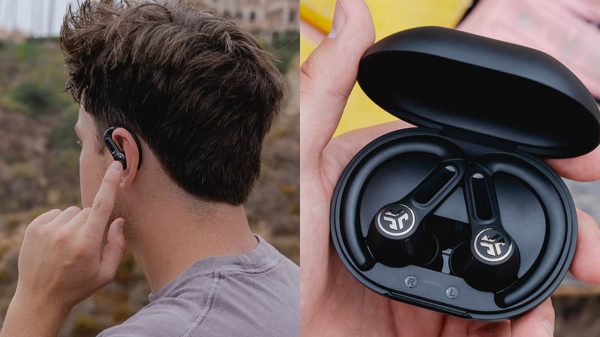
There are better choices for outdoor listening than complete isolation. Our reviews of the Sony LinkBuds Clip and Bose Ultra Open Earbuds demonstrate how open-ear designs allow environmental sounds to reach your ears without relying entirely on electronic passthrough.
We’ve also compared eight open-ear wireless earbuds across different budgets. These designs sacrifice some bass extension and isolation, and excessive playback volume can still mask danger, but that’s a reasonable compromise when sharing public spaces with moving vehicles.
Manufacturers should make safer listening easier through accessible ambient controls, clear mode announcements, automatic volume reduction, and honest warnings about the limitations of their technology. Consumers also need to understand that greater isolation isn’t necessarily better in every environment.
There’s nothing wrong with enjoying music while exercising, commuting, or walking home. But your favorite playlist isn’t more important than getting home safely.
Related Reading: