If you haven’t heard of EPZ, you’re probably not alone. The Shenzhen-based Chinese Hi-Fi brand was established in 2019, building on years of experience in acoustic engineering and manufacturing. EPZ has since carved out a place in the increasingly competitive Chinese IEM market by focusing on aggressively priced models that offer more than their price tags might suggest.
The company has released several well-received models in recent years, including the affordable P40 tribrid. Today, we’re looking at the most expensive model in the EPZ lineup, the 550. Featuring five balanced-armature drivers per side and beautiful all-metal construction, the 550 attempts to evoke a mature and refined sonic (and visual) aesthetic.
But the $500-plus segment of the IEM market is a crowded one, filled with qualified competitors. Does the EPZ 550 perform well enough to stand out? Let’s get into it.
About My Preferences: This review is a subjective assessment and is therefore influenced by my personal preferences. While I try to mitigate these biases as much as possible during my review process, I’d be lying if I said I could eliminate them entirely. So, for you, my readers, please keep the following in mind:
- My ideal sound signature includes competent sub-bass, textured mid-bass, a slightly warm midrange, and extended treble.
- I have mild treble sensitivity.
Testing equipment and standards can be found here.
Related Reading:
- DUNU PRS6 Review: A $250 MEMS Tribrid IEM Built For Gamers And Detail Freaks
- Melody Wings Uranus IEM Review: Impressive Detail And Dynamics With One Notable Quirk
Build
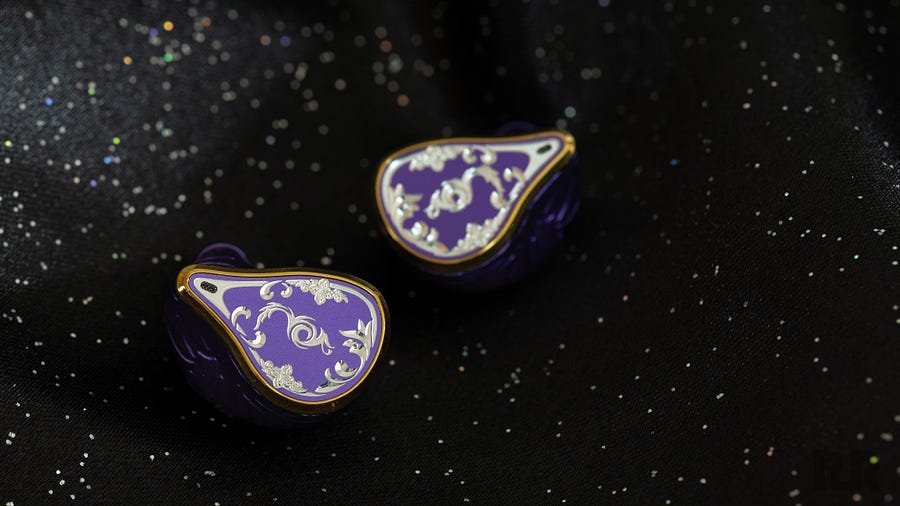
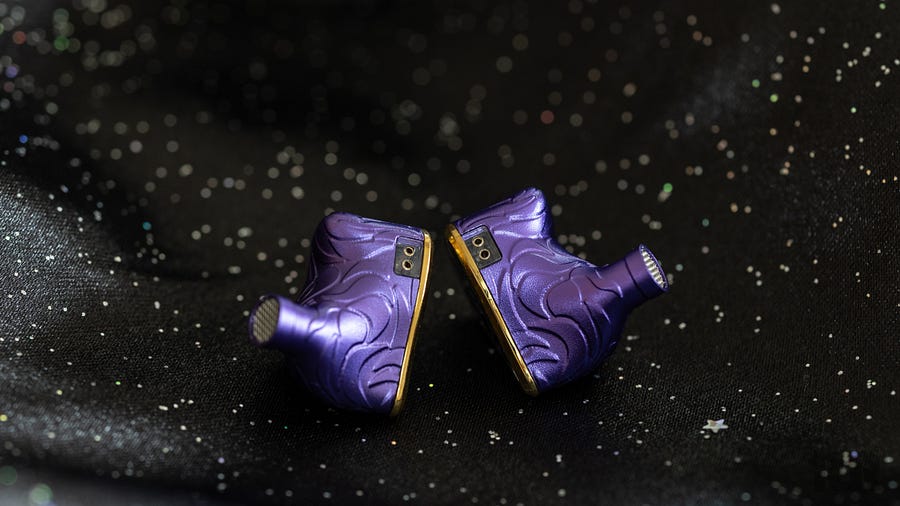
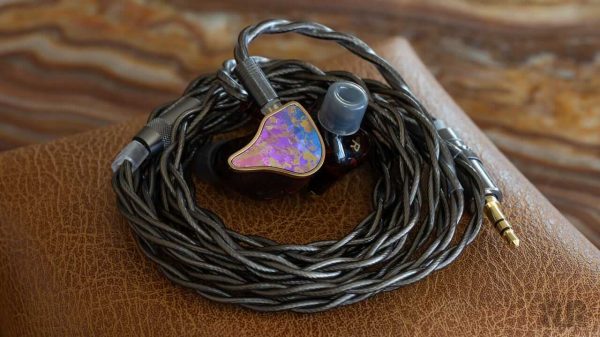
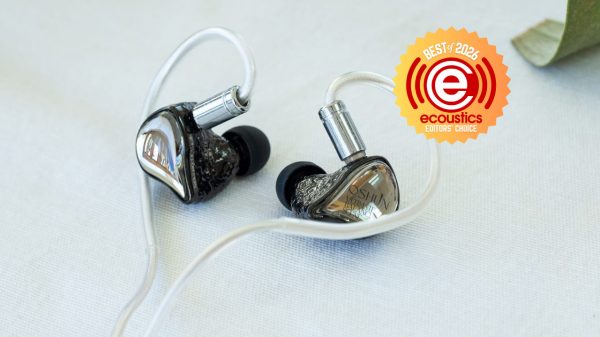
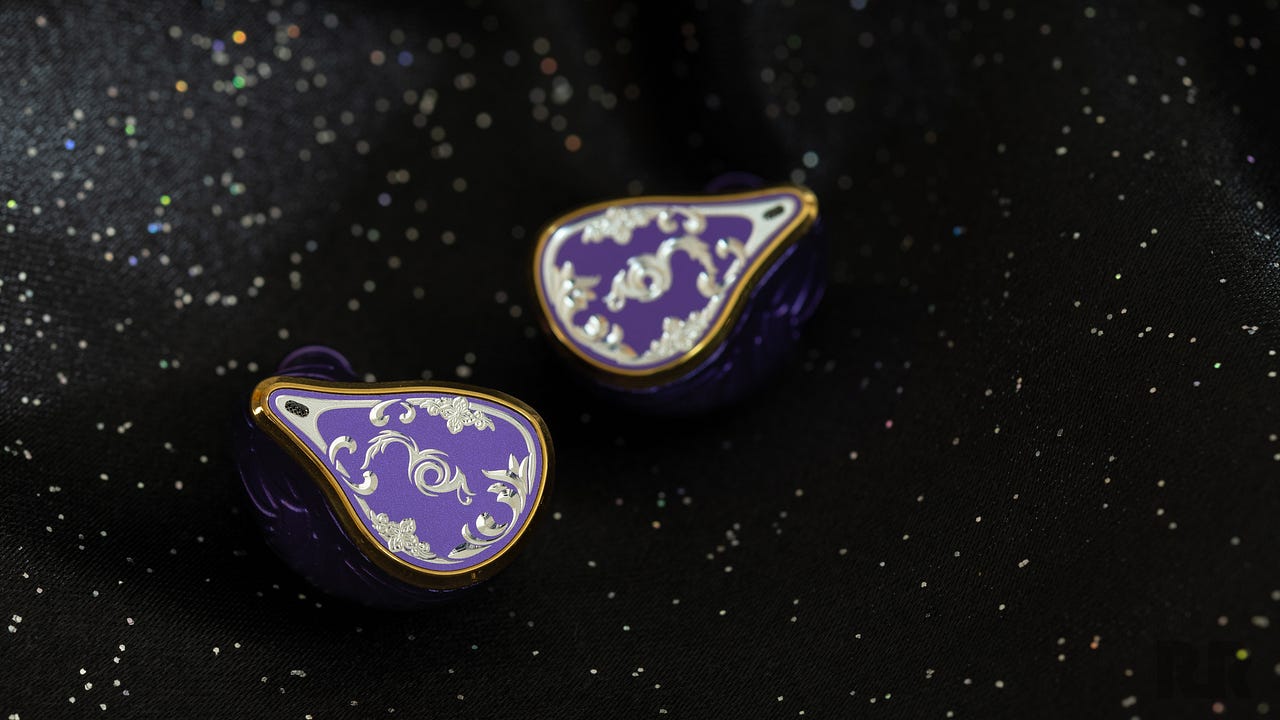
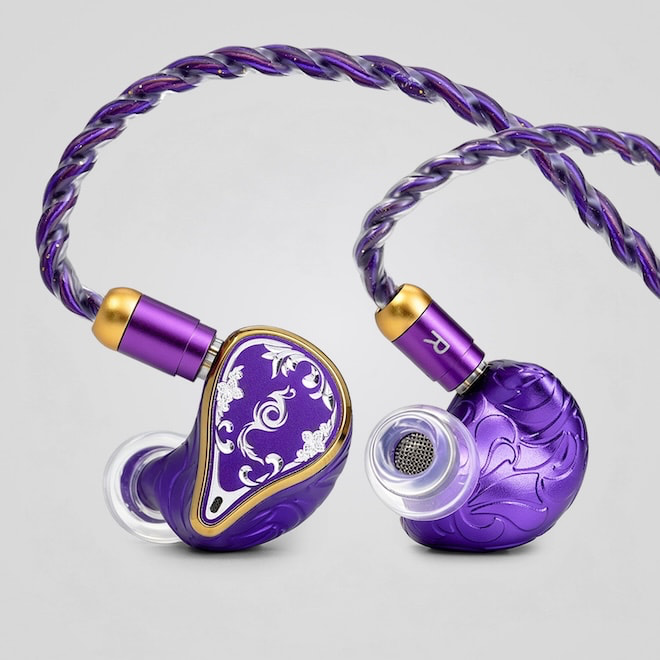
EPZ seems to have gone all-in on the 550’s design. Its shells are made entirely of metal and feature intricate machining patterns. The faceplates have an ornate design that truly stands out from the generic glitter-based designs scattered across the IEM market these days.
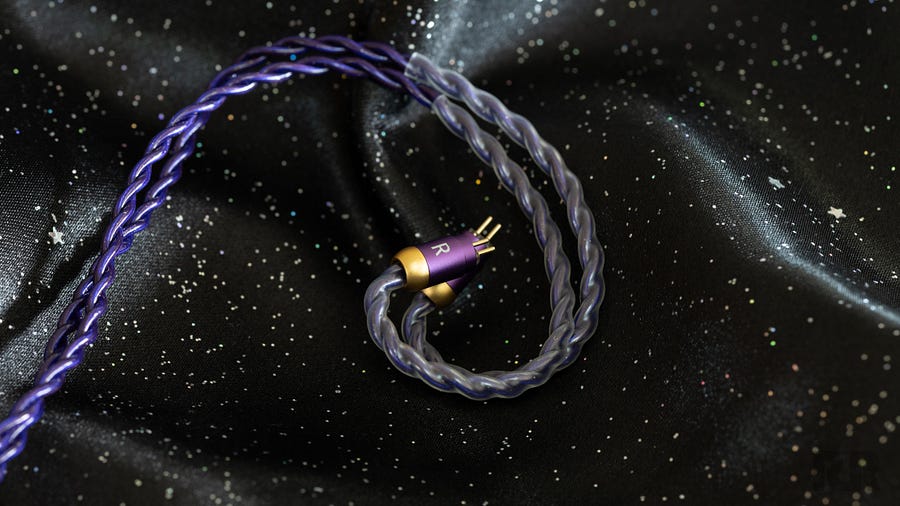
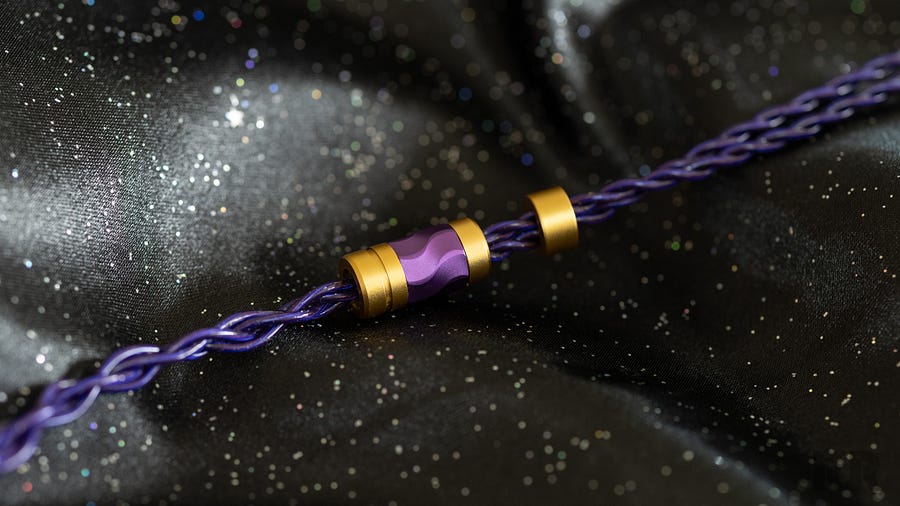
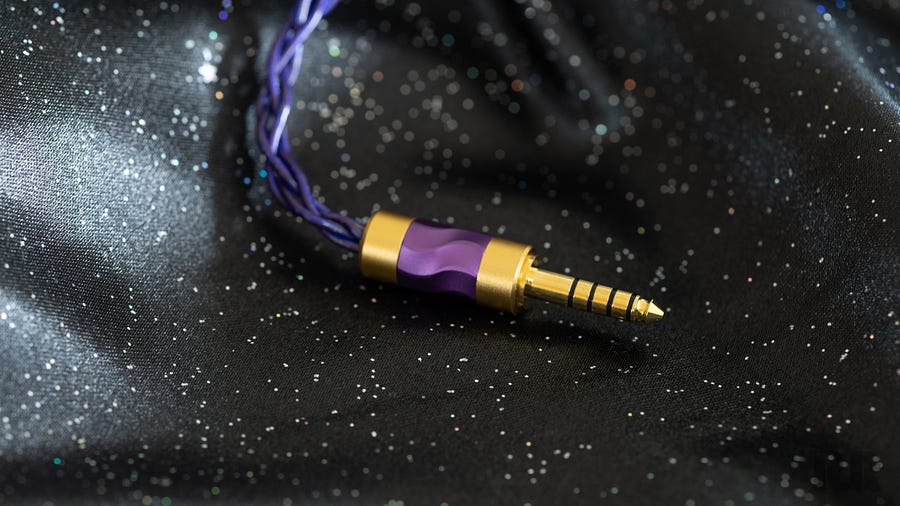
The 550’s cable is bespoke and designed to match its shells. The attention to detail here is excellent, and the level of care put into the 550 makes it feel like one cohesive product rather than a collection of standardized parts.
EPZ 550 Key Specifications:
- Type: Wired in-ear monitors (IEMs)
- Drivers: 5 Balanced Armatures (4 Sonion + 1 Knowles)
- Crossover: 3-way electronic and acoustic crossover
- Sensitivity: 105 dB SPL/mW
- Impedance: 14 ohms
- Housing: High-Precision 5-Axis CNC Machined Metal
- Cable: Detachable 4-core 6N OCC Silver-Plated
- IEM connectors: 0.78 mm 2-pin
- Cable termination: 4.4 mm balanced
- Included accessories: Carrying case and nine sets of ear tips (S, M, L)
Accessories
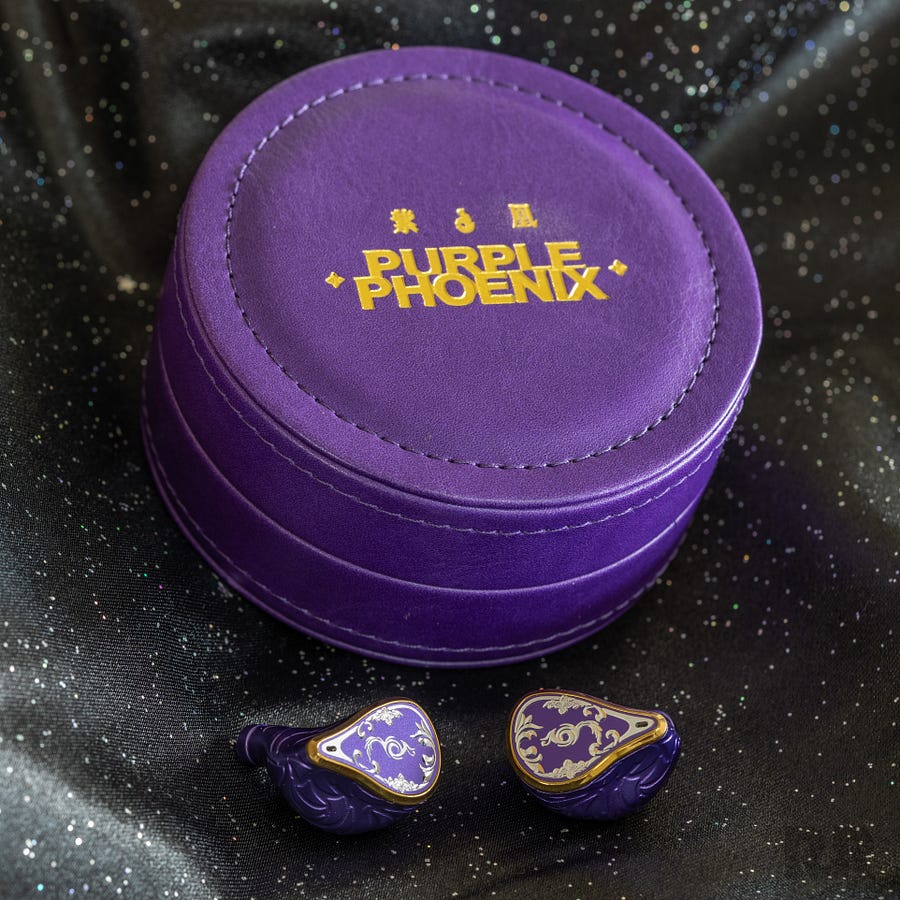
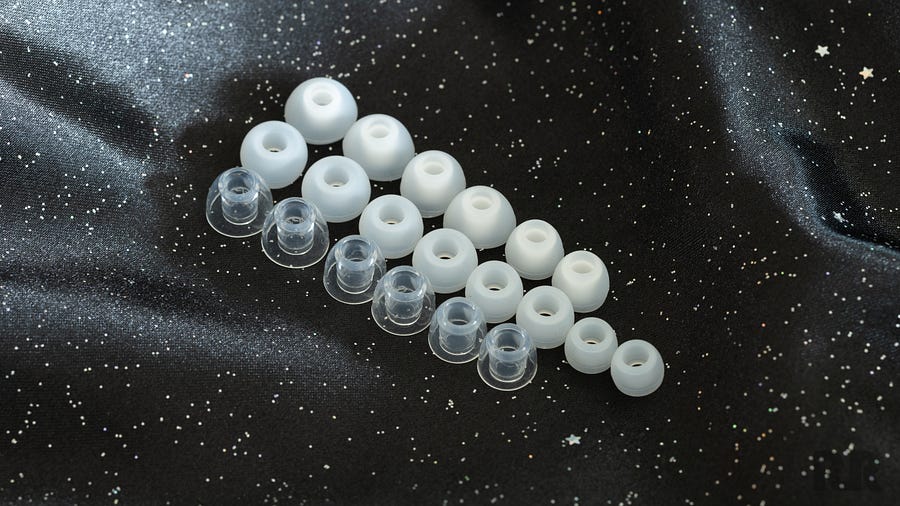
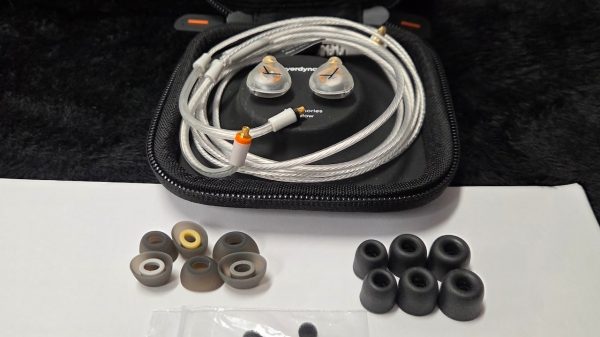
Inside the box, you’ll find:
- 1 semi-hard carrying case
- 6 pairs of standard silicone ear tips
- 3 pairs of liquid silicone ear tips
While not a particularly generous accessory package, at least compared to some of the 550’s competitors, you get essentially everything you need for a pleasant out-of-the-box experience. The carrying case, while lacking a proper closure mechanism such as a zipper, is well-sized and internally padded.
The included ear tips pair nicely with the 550 from aesthetic, ergonomic, and sonic perspectives, and are among the better options you’ll find in this price range. It would have been nice to see foam ear tips included, along with a few extras, such as cleaning tools or a cloth.
Listening
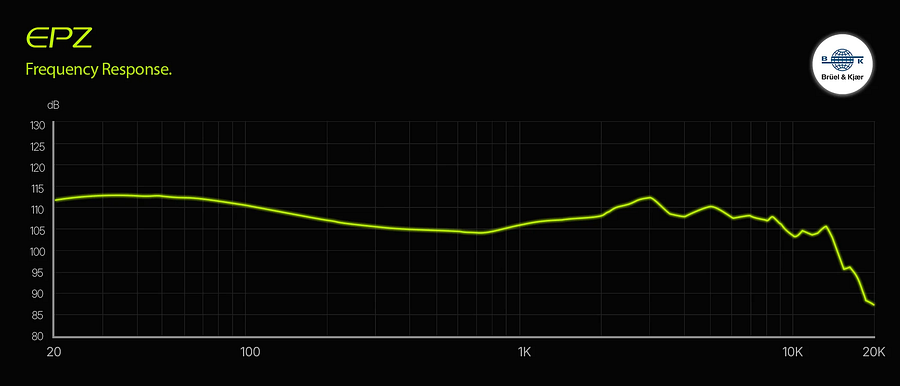
The EPZ 550 is a mid-centric, reference-style IEM with relatively neutral sub-bass, slightly elevated mid-bass, and a mildly warm lower midrange. Its controlled upper-midrange peak helps preserve natural vocal timbre without introducing an artificial sheen. Instrumental layering is excellent, with the 550 easily resolving competing textures while keeping male and female vocals intelligible and nuanced.
The treble is carefully tuned, with emphasis at strategic points above 6 kHz and 10 kHz. This gives the 550 a touch of brightness, along with a moderate sense of air and sparkle, without compromising its overall tonal balance.
Cleanroom Treble
The 550’s treble is neutral in tone and well-extended, reproducing bright textures with nuance and clarity. The hi-hats and cymbals in the outro of “No Jesus Christ” by Seether are rich with texture, with each strike delivering clearly defined edges and convincing decay.
There’s no hint of sharpness, sibilance, or harshness, even with rougher recordings like “Satisfy” by Nero. The 550 strikes an excellent balance between detail retrieval and tonal cohesion, making it one of the more refined reference-style IEMs I’ve heard in this price range.
Center-Stage Midrange
The 550’s midrange takes center stage, delivering natural-sounding vocals and instrumentation with impressive composure. It balances tonal fullness and clarity particularly well, maintaining separation even when arrangements become dense.
Its moderate warmth gives lower-midrange instruments satisfying body, as demonstrated by the bass guitar in “Top Notch” by Manchester Orchestra. The transition into the bass region is smooth and cohesive, allowing instruments to retain their weight without sounding bloated.
Vocal intelligibility is equally impressive, with both male and female singers benefiting from the 550’s ability to capture subtle inflections. I was particularly impressed by how convincingly it reproduced the desperation and emotional nuance of the vocals in “How Could I Love You?” by Dead Poet Society.
Overly Polite Bass
Like many reference-style IEMs, the 550’s bass is well-extended but polite. Perhaps too polite.
Its bass elevation is modest, and while the 550 articulates lower-frequency textures nicely, it lacks some of the authority and physical impact I crave. Sub-bass detail is present, but the tactile sensation that gives electronic music its energy is noticeably restrained.
Tracks like “Sister” by The Black Keys sound excellent, with the bass guitar delivering satisfying fullness and definition. However, electronic tracks such as “Do or Die” by Flux Pavilion come across as comparatively flat and uninspired.
The mid-bass fares slightly better, offering some additional body, but ultimately falls short of the punch and weight I prefer. This tuning works particularly well with much of my rock and alternative music, where clarity and instrumental separation take priority. For EDM and R&B, however, the 550’s reserved low-frequency presentation leaves me wanting more.
Comparisons
Comparisons are selected solely based on what I find interesting. If you’d like to see additional comparisons, feel free to make a request in the comments below!
ZiiGaat Luna
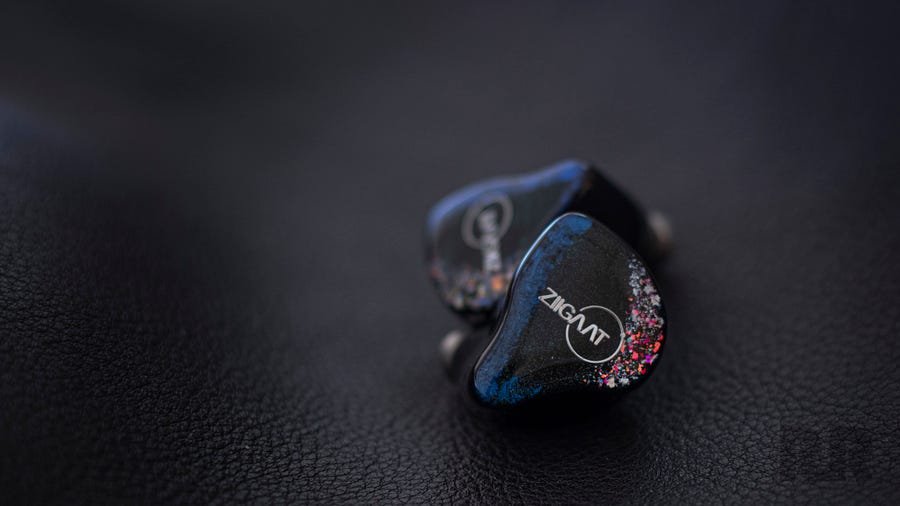
The Luna is an all-BA IEM with six drivers per side, resin shells, and metal nozzles. At $379, it costs approximately $140 less than the EPZ 550.
The Luna has a gently V-shaped sound signature, with slightly weightier mid-bass, similar midrange warmth, and a touch more lower-treble emphasis. Both IEMs offer excellent extension and detail retrieval, though the Luna sounds a little richer and more authoritative with bass-heavy electronic music.
In terms of build quality and ergonomics, the 550 has the advantage. Its all-metal construction feels sturdier, the included cable is considerably nicer, and its smaller shells are more comfortable during extended listening sessions.
Both are capable, resolving IEMs that handle complex passages well. While I appreciate the 550’s mature, professional reference tuning, the Luna is more engaging to my ears and offers better value, particularly for bass-oriented listeners like myself.
That said, listeners seeking a more neutral, reference-oriented presentation may find the 550 worth the additional investment, especially when factoring in its superior construction and comfort.
Xenns Mangird Tea Pro SE
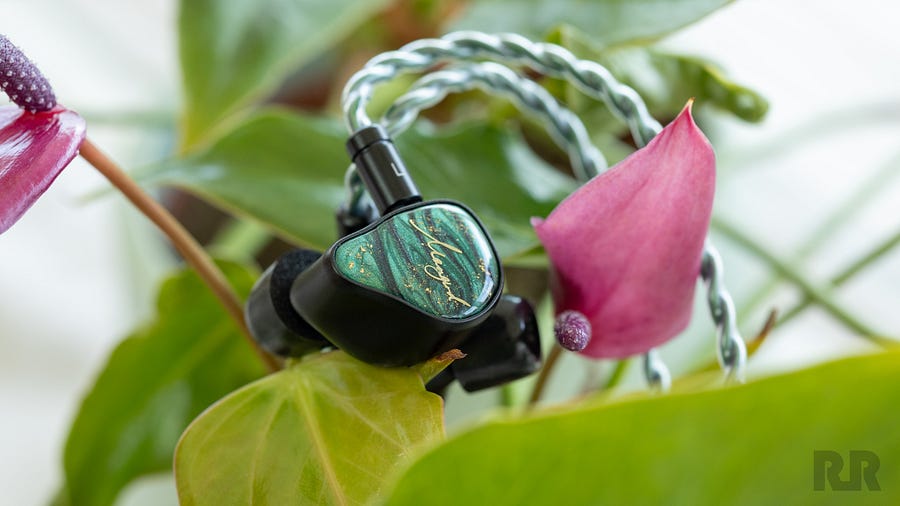
The XENNS Mangird Tea Pro SE is an all-metal hybrid IEM featuring two dynamic drivers and six balanced-armature drivers per side. At $449, it costs $70 less than the EPZ 550. Both feel well-made, though the 550’s intricate shell machining gives it a more distinctive appearance. The Tea Pro SE counters with a modular cable and a more generous accessory package, including a wider selection of ear tips.
Sonically, these IEMs are shockingly similar, and I’m surprised more reviewers haven’t discussed it. Both offer reference-style tuning with modest bass elevation. The 550 emphasizes sub-bass slightly more, while the Tea Pro SE leans toward mid-bass and offers a warmer midrange. The 550 has a slightly less pronounced upper-midrange peak, while the Tea Pro SE adds more lower-treble presence and a hint of extra sparkle up top.
Listening to “Teardrops” by Bring Me the Horizon, both handle the densely layered, highly textured instrumentation exceptionally well. The Tea Pro SE places hi-hats and cymbals further forward without revealing additional detail, while the 550 delivers a slightly greater sense of air and separation.
Ultimately, I prefer the 550’s cohesion and openness. The Tea Pro SE can sound comparatively dense on certain tracks, making it marginally less pleasant during extended listening sessions. That said, its lower price, modular cable, and more generous selection of ear tips make it a compelling alternative for listeners looking to stretch their budget.
Noble Audio Vanguard
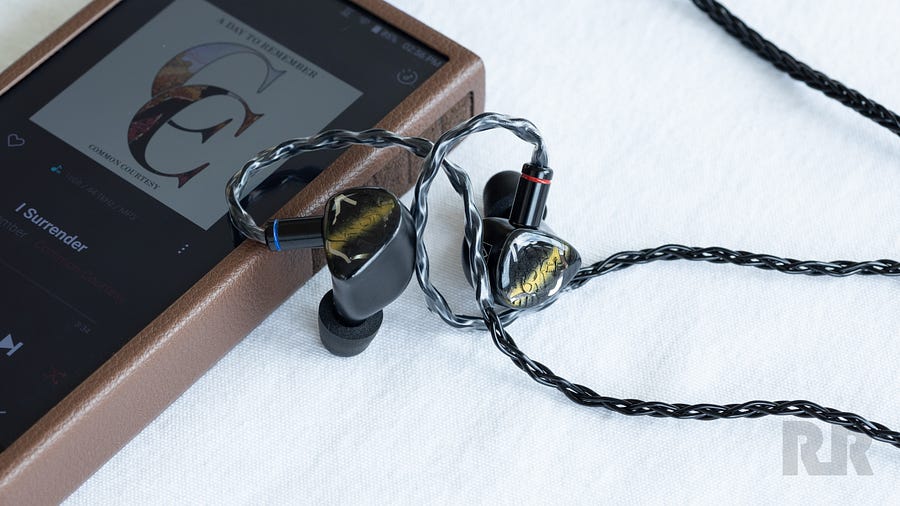
The Noble Audio Vanguard is a $325 hybrid IEM with metal shells, a quality detachable 4.4 mm cable, and a wider selection of ear tips than the EPZ 550. It also includes an excellent USB Type-C adapter but lacks a carrying case.
Sonically, the Vanguard is noticeably brighter and thinner, with greater emphasis on the upper midrange and treble. The 550 sounds warmer and richer, with slightly more mid-bass presence and a more cohesive, organic presentation.
Both IEMs offer excellent detail retrieval, though the Vanguard’s elevated treble occasionally pushes upper-frequency details further forward in the mix. That added emphasis can also introduce some sharpness, which the 550 largely avoids.
Ultimately, the 550 is equally resolving but less dramatic in its presentation, making it the more natural-sounding option for listeners who prefer a smoother, more balanced signature.
Kiwi Ears Orchestra II
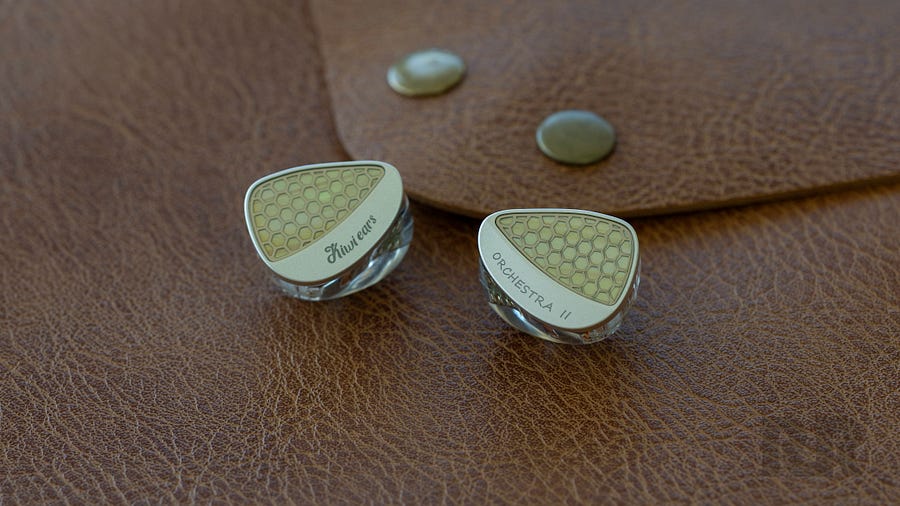
The Kiwi Ears Orchestra II is a solid-resin IEM featuring an impressive 10 balanced-armature drivers per side. At $349, it costs considerably less than the EPZ 550. Both IEMs are comfortable and ergonomically designed, though the Orchestra II’s unvented shells cause pressure buildup in my ears. Both include quality cables, with the Orchestra II’s being slightly thicker and softer.
Sonically, the Orchestra II offers slightly more sub-bass and mid-bass presence, while the 550 has a less forward upper midrange and more linear lower treble. The Orchestra II also delivers a touch more upper-treble sparkle and air, giving it a mildly V-shaped presentation.
Listening to “Take Me or Leave Me” by Mblue, the Orchestra II’s stronger bass response adds weight and authority, with a subtle but meaningful improvement in punch and rumble. Its tuning makes it my sonic preference for electronic music, and the 550 offers little improvement in sound quality to justify its higher price.
However, comfort changes the equation. After approximately 30 minutes with the Orchestra II, pressure buildup makes extended listening difficult, whether I’m critically evaluating music or working at my desk. The 550’s more comfortable fit, combined with its beautiful and sturdy metal shells, makes it the more practical choice for everyday listening, even if I prefer the Orchestra II’s sound.
The Bottom Line
The EPZ 550 is a beautifully crafted IEM that demonstrates just how much attention the company has paid to design, materials, and the overall ownership experience. From its intricately machined metal shells and matching cable to its thoughtful packaging and quality accessories, the 550 feels like a premium product rather than another collection of off-the-shelf components. My only real complaint about the accessories is the carrying case, which relies on friction rather than a secure closure.
Sonically, there’s plenty to admire. The 550 delivers excellent midrange tonality, smooth and extended treble, and impressive detail retrieval. Its ability to maintain clarity and composure during complex musical passages makes it particularly rewarding for critical listening. Rock and alternative recordings benefit from its natural vocal presentation, convincing instrumental textures, and cohesive tuning.
Unfortunately, the bass is where the 550 loses me. Although sub-bass extension is technically competent, there simply isn’t enough weight, punch, or physical impact in the lower frequencies to make EDM and other bass-heavy genres particularly engaging. The 550 reproduces the details, but doesn’t always deliver the energy behind them.
At its $500-plus asking price, that limitation becomes harder to overlook, especially with so many capable alternatives offering a more engaging low-end presentation. Listeners seeking a mature, neutral, and highly resolving IEM will find plenty to appreciate here. For my preferences, however, the 550 is a little too polite to earn a permanent place in my rotation.
EPZ deserves credit for creating an IEM that feels genuinely special, both in its construction and sonic execution. I hope the company continues in this direction, because the fundamentals are excellent.
But next time, perhaps throw in a dynamic driver or two for those of us who like our bass to do more than politely announce its presence.
Pros:
- Beautifully machined metal shells
- Natural, detailed midrange
- Smooth, extended treble
- Excellent resolution and separation
- Comfortable fit and quality cable
Cons:
- Bass lacks weight and punch
- Limited impact with EDM and R&B
- Unsecured carrying case
- No foam ear tips included
- Strong competition at its price
Our Ratings:
★★★★★★★★★★ Sound Quality
★★★★★★★★★★ Build Quality
★★★★★★★★★★ Comfort
★★★★★★★★★★ Value
Where to Buy:
Related Reading: