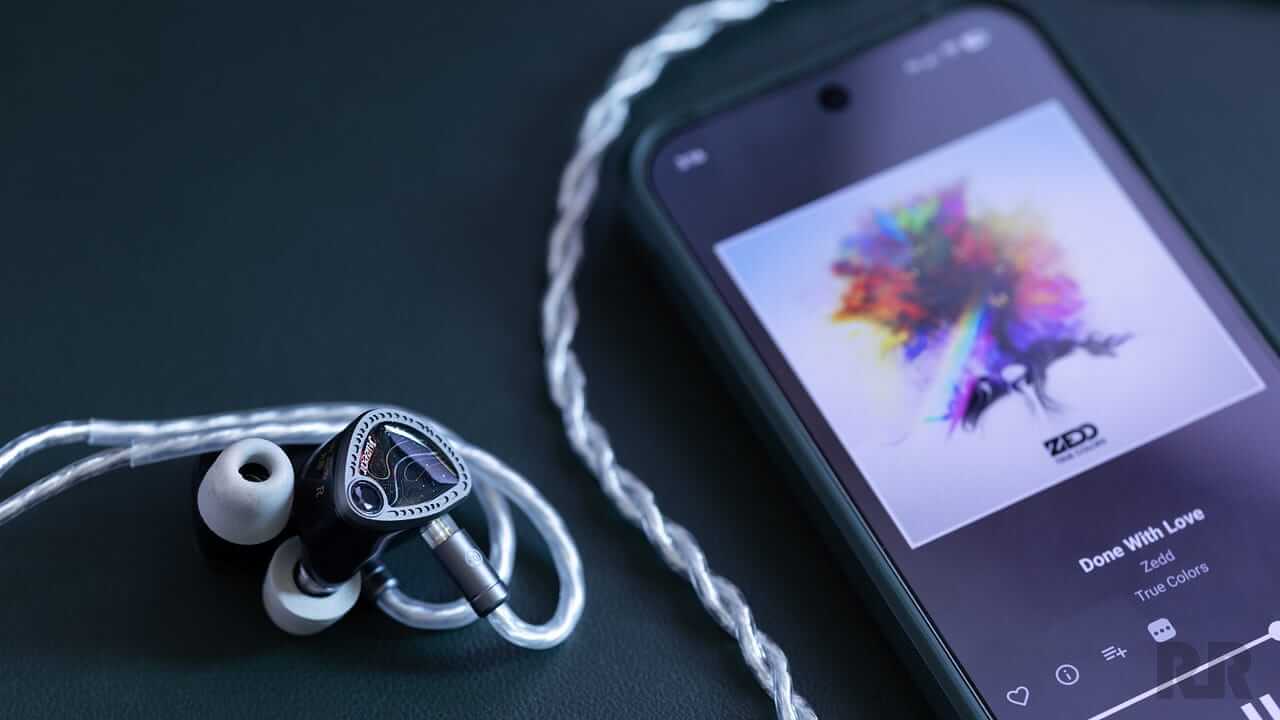
Juzear has been on a roll lately, releasing new IEMs left and right. The Fiesta, Nimbus, Nebula, and even a new special edition of the Defiant have arrived with hardly a month of breathing room between releases.
For readers unfamiliar with the name, Juzear is a Chinese Hi-Fi brand founded in 2016, with roots in custom IEMs, stage monitors, and complex multi-driver designs. More recently, the company has focused on bringing some of that experience to increasingly affordable universal-fit IEMs, which helps explain both its rapidly expanding lineup and its willingness to experiment with different driver configurations.
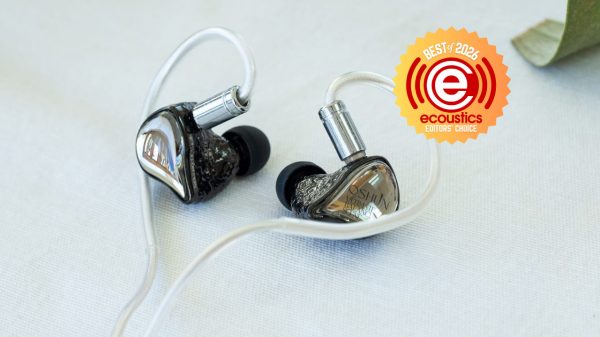
That blistering pace has brought some interesting IEMs to market, and the subject of today’s review, the Light Shuttle, is Juzear’s newest endeavor. Featuring a seven-driver tribrid configuration and priced under $200, the Light Shuttle is positioned aggressively in a segment still occupied largely by dynamic-driver and hybrid IEMs.
But a fancy driver setup isn’t what makes an IEM compelling. Sound quality is what ultimately matters. Does the Light Shuttle have what it takes to compete with an increasingly capable—and constantly evolving—group of sub-$200 rivals? Let’s get into it.
About My Preferences: This review is a subjective assessment and is therefore influenced by my personal preferences. While I try to mitigate those biases as much as possible during the review process, I’d be lying if I said they were completely erased. So, for you, my readers, keep the following in mind:
- My ideal sound signature includes competent sub-bass, textured mid-bass, a slightly warm midrange, and extended treble.
- I have mild treble sensitivity.
Testing equipment and standards can be found here.
Related Reading:
- EarAcoustic Audio Oshun IEM Review: You Probably Don’t Need Anything Better
- CanJam SoCal 2026 IEM Roundup: 35 In-Ear Monitors Tested From $75 To $8,000
Key Specifications:
- Driver Configuration: 7 drivers per earpiece; 1x 10mm MACCD dynamic driver, 4x custom balanced-armature drivers, and 2x micro planar drivers
- Dynamic Driver: 10mm MACCD (Multi-Layered Amorphous Carbon Composite Diaphragm) driver
- Driver Allocation: Dynamic driver for bass; 2x BA drivers for midrange; 2x BA drivers for treble; 2x micro planar drivers for upper treble
- Crossover: Physical 4-way crossover
- Acoustic Architecture: 4 independent acoustic tubes with Juzear ATI-SW Spiral Acoustic Waveguide technology
- Frequency Response: 20 Hz – 20 kHz
- Sensitivity: 113 dB ±1 dB SPL/mW
- Impedance: 32 ohms
- Total Harmonic Distortion: ≤0.2% at 1 kHz
- Passive Noise Isolation: Up to 26 dB
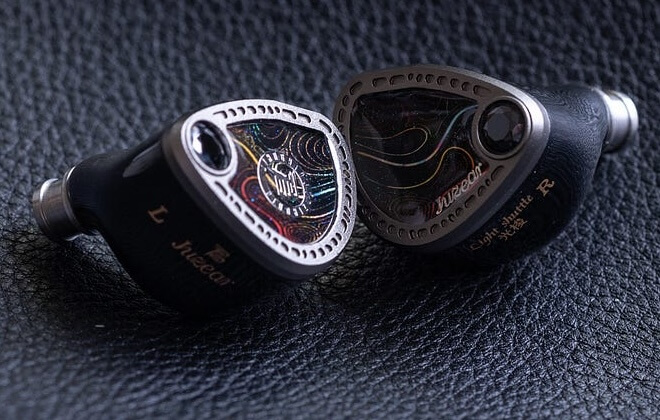
- Shell: High-precision DLP 3D-printed resin
- Faceplate: Five-axis CNC-machined solid aluminum alloy with layered iridescent finish
- Weight: Approximately 6.4 grams per earpiece
- IEM Connector: 0.78mm 2-pin
- Cable: 4-core, 400-strand 6N OCC silver-plated copper
- Cable Construction: Ballistic-fiber reinforcement with dual-layer PVC jacket
- Termination: Modular system with interchangeable 3.5mm single-ended and 4.4mm balanced plugs
Build
The Light Shuttle features a simple, conventional resin shell. The faceplate is more elaborate, but it’s purely decorative rather than structural.
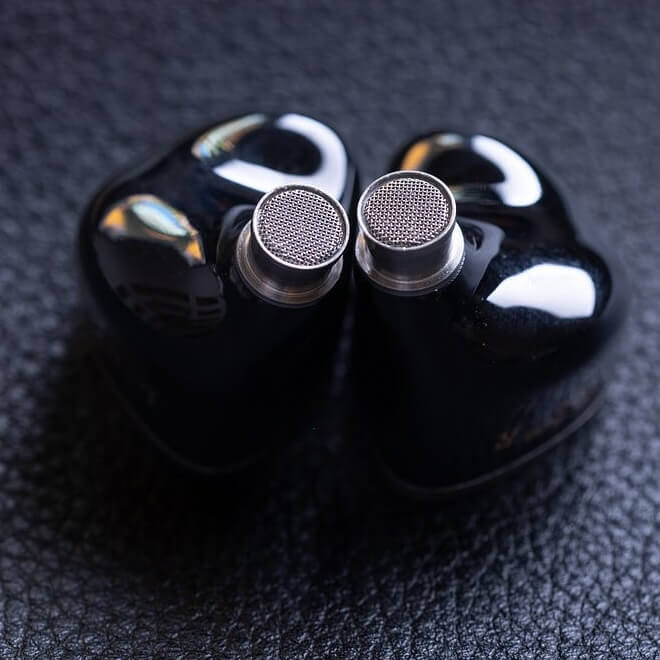
The Light Shuttle’s 2-pin sockets sit flush with the top of the shells. The metal nozzles feature integrated debris filters and feel sturdy, with clean, precise machining.
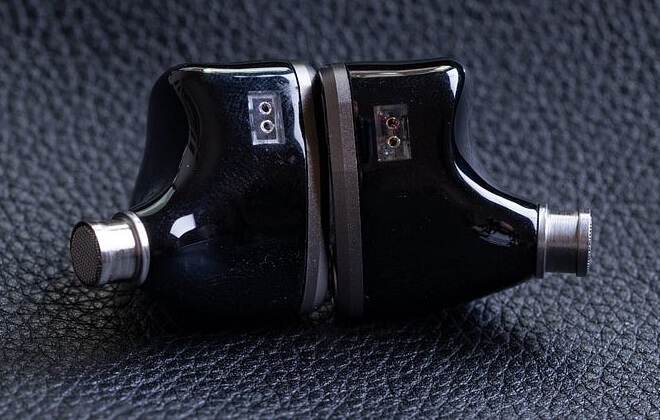
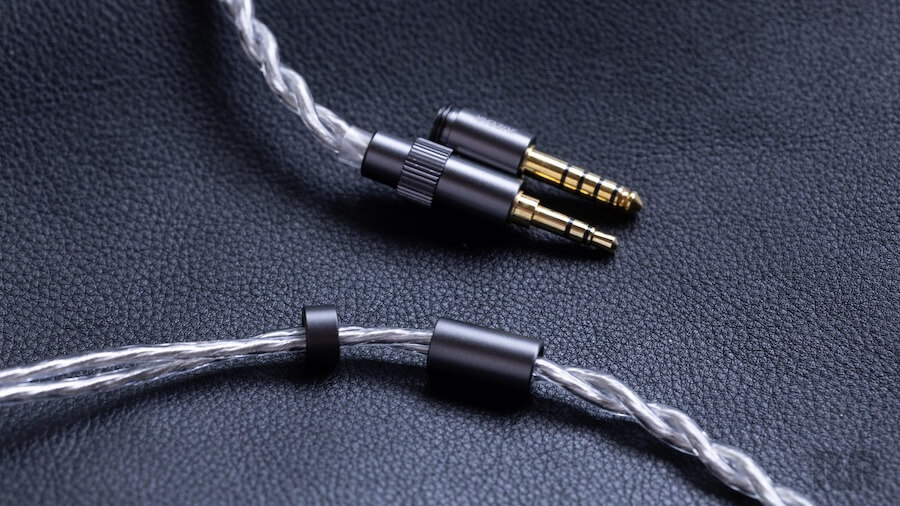
The Light Shuttle’s cable is of average thickness and features an all-metal modular termination. The interchangeable plugs use a threaded locking mechanism that feels secure and properly engineered, without adding unnecessary bulk.
Juzear includes both 3.5mm single-ended and 4.4mm balanced connectors in the box. Those using 2.5mm balanced or USB Type-C connections will need to look elsewhere for an adapter or alternative cable.
Comfort
Comfort is a metric that relies heavily on factors influenced by your individual ear anatomy. Your mileage will vary.
The Light Shuttle is lightweight, but somewhat large. Combined with the stock foam eartips, I was able to get through long listening sessions comfortably and without issue. Passive isolation is also strong, making the Light Shuttle a good option for listening in environments with plenty of background noise.
Accessories

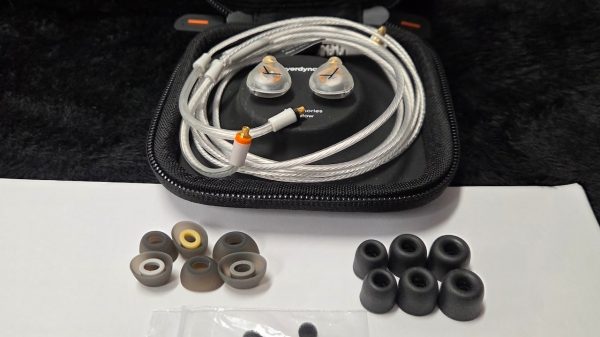
Inside the box, you’ll find:
- 1 x Semi-hard carrying case
- 1 x Microfiber cleaning cloth
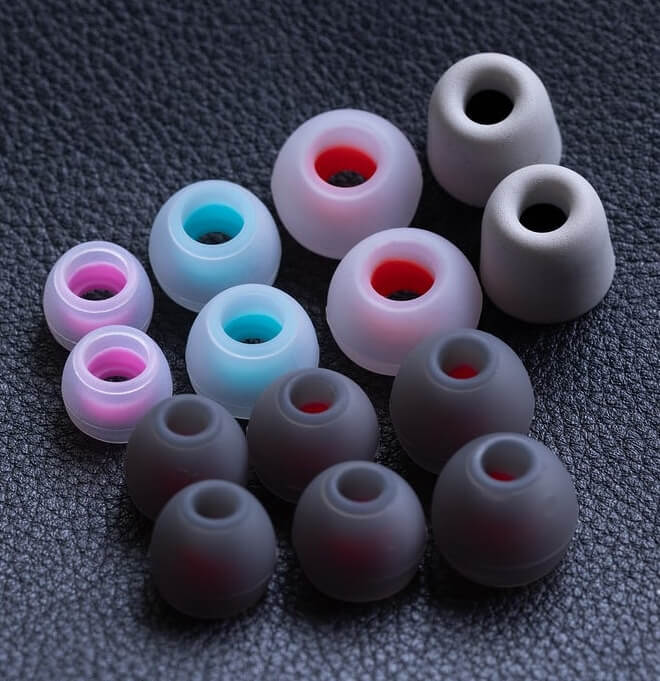
- 1 x Pair of foam eartips
- 6 x Pairs of silicone eartips
- 1 x 2-pin cable
- 1 x 3.5mm plug
- 1 x 4.4mm plug
This is a fairly standard Juzear accessory package, and I have no real complaints. Juzear includes a good pair of foam eartips, a carrying case that comfortably accommodates the Light Shuttle, and a quality microfiber cleaning cloth.
If you look hard enough, you can find similarly priced IEMs with a wider selection of eartips or a few extra goodies, but there’s more than enough here to deliver a complete experience right out of the box.
Listening
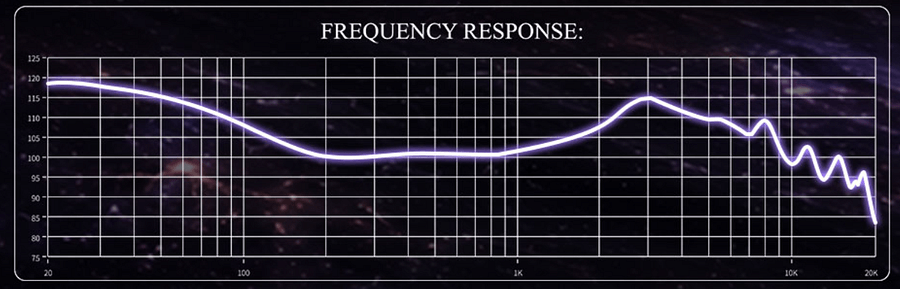
The Light Shuttle features cohesive, well-balanced tuning with a gently V-shaped frequency response. The upper treble is carefully elevated above the Light Shuttle’s responsibly emphasized lower treble and blends smoothly into a natural, organic upper-midrange rise.
The lower midrange is gently recessed before picking up a touch of warmth around 200 Hz. Mid-bass is somewhat scooped, but not to the point that its reduced presence becomes distracting. Below 100 Hz, the Light Shuttle’s bass becomes more active, adding weight and extension that reaches below 20 Hz.
Quick, Clean, and Resolving
I’m a fan of this “new new new meta” style of treble tuning. The market seems to have realized that there’s a substantial segment of the IEM consumer base that does not want massively inflated upper registers. The Light Shuttle takes heed, balancing expression and energy with sonic comfort and tonal cohesion. There’s no hint of sibilance or sharpness in the Light Shuttle’s treble, and I can listen to roughly mastered tracks without issue.
The Light Shuttle’s upper register is resolving and technically sound, rendering treble-bound textures and micro-details well. Hi-hats and cymbals are usually clear and distinct, with natural placement within the mix. The Light Shuttle also does a good job juggling competing layers of treble information in congested passages, seldom suffering from bloom or blur.
Air and spatiality are handled reasonably well, and the Light Shuttle does a solid job rendering expansive soundscapes on lonely-sounding tracks like “Midnight City” by M83. Tracks with a little more upper-treble presence tend to fare better in this regard, while the Light Shuttle’s emphasis on treble minimalism makes it sound somewhat less “vast” by comparison.
Warmth, Texture, and Excellent Balance
Juzear has plenty of IEMs under its belt with excellently tuned midrange, and I’d argue this is actually the area of IEM tuning it does best. The Light Shuttle continues that trend, rendering instrumentation and vocals with substance and detail.
The Light Shuttle’s sensible warmth in the lower midrange gives it an understated richness that fills out harmonically complex elements such as deep vocals and drop-D guitar. Tracks with demanding levels of atmosphere, like “The Ocean” by Manchester Orchestra, are great examples of how well the Light Shuttle handles denser, weightier instrumentation. To counterbalance that richness, Juzear lifts the upper midrange, carefully elevating the 2–3 kHz region to maintain a sense of energy and separation.
The Light Shuttle nails its midrange tonal balance, but it doesn’t slouch when it comes to technical ability either. In line with many of its excellent sub-$200 peers, it captures a satisfying amount of vocal nuance on tracks like “45” by Shinedown. Texture-heavy tracks such as “set you free” by Uppermost also render well, with the Light Shuttle carefully layering contrasting filtered synths without smearing them together.
The Light Shuttle may not be blazing new trails in technical performance, but its combination of midrange tonal substance and respectable resolution is compelling.
Sub-Bass First, Mid-Bass in Check
The Light Shuttle has a restrained, but by no means shallow, bass response. Most of its emphasis sits in the sub-bass, but the mid-bass isn’t scooped to the point that it suffers from the “half-bass” dilemma found in many older “meta IEMs.”
The Light Shuttle’s mid-bass has enough presence to deliver the gentle punch of the drum hits in “Times Like These” by Foo Fighters, but not enough to fully convey the size and weight of bass drops in electronic tracks. Bass speed is about average, and the Light Shuttle handles most textures without issue.
More challenging bass lines, like those in “Disposable War Pigs (Celldweller Remix),” reach reasonable depths but can become subtly smeared at the height of instrumental complexity. Tracks that simply demand sub-bass depth and presence fare better, and I quite enjoyed the controlled rumble the Light Shuttle delivers.
Comparisons
Comparisons are selected solely based on what I find interesting or relevant. If you’d like to see additional comparisons, feel free to make a request in the comments below.
Juzear Harrier
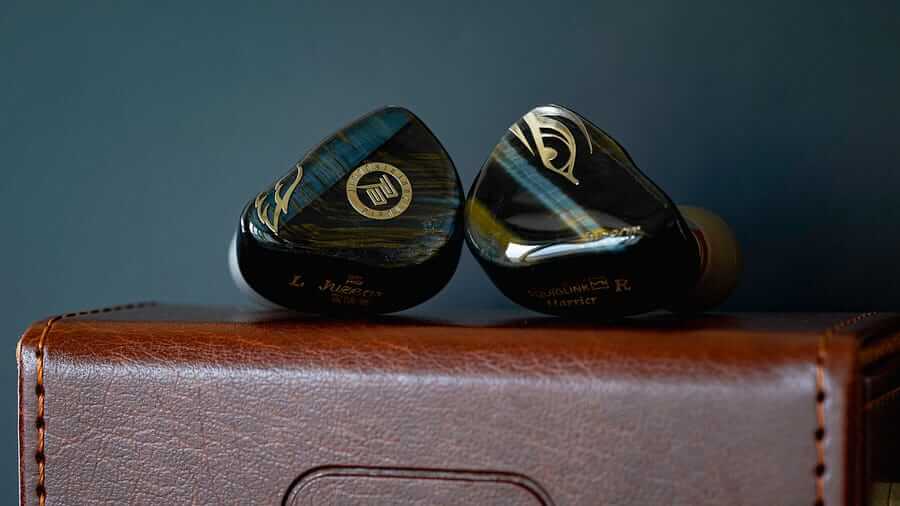
The Harrier might be one of Juzear’s only recent “misses.” Featuring a tribrid driver configuration (1x DD, 7x BA, 2x MP) and priced at $329, it feels a bit like the Light Shuttle’s father. It has sturdier single-piece resin shells, a thicker modular cable, and a wider selection of eartips—appropriate upgrades for an IEM that costs nearly twice as much.
When I reviewed the Harrier, I encouraged Juzear to build on its impressive foundation while giving the next attempt a little more charisma. The similarities in timbre and overall presentation between the Harrier and Light Shuttle suggest that’s exactly what happened.
The Light Shuttle has slightly more sub-bass, similar mid-bass, and a somewhat cooler lower midrange. Its upper midrange is more forward, while the treble sounds airier and more energetic. By comparison, the Harrier can place vocals deeper in the mix and make them less distinct during busy passages. The Harrier still has the edge in absolute separation on particularly complex tracks, where the Light Shuttle can occasionally lose some definition.
This comparison isn’t really about picking a winner. It’s more interesting as evidence that Juzear appears to be learning from its missteps in an increasingly competitive market. The Harrier rarely gets much listening time from me these days, while the Light Shuttle is, personally, a much more entertaining IEM.
Binary Acoustics 1900
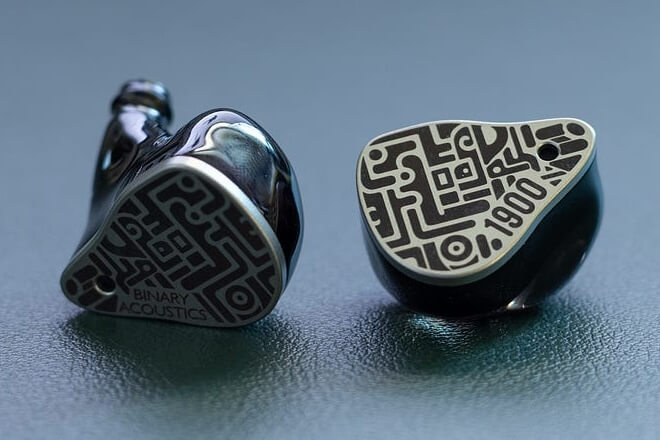
The Binary 1900 is a $235 hybrid IEM with resin shells, metal faceplates, and a detachable fixed-termination cable. That makes it about $45 more expensive than the Light Shuttle. Both are lightweight, though the 1900 feels slightly sturdier in the hand. Neither includes an especially generous cable, but the Light Shuttle’s is a bit thicker and less prone to memory.
Both IEMs use gently V-shaped tuning, but they approach it differently. The 1900 has less sub-bass, with slightly more mid-bass and lower-midrange presence. The Light Shuttle pushes the 2-3 kHz region harder, giving its midrange a somewhat cooler presentation.
Vocals sit slightly farther back on the 1900, though they never sound crowded. Its treble is also a bit brighter and airier, producing a more convincing sense of space and making high-frequency effects easier to pick out. Resolution is close, however, and neither IEM has a clear technical advantage.
This is an extremely close comparison. The Light Shuttle is cheaper, sounds slightly cleaner, and produces better sub-bass rumble. The 1900 counters with a richer, higher-contrast timbre and nicer shells. The difference in overall enjoyment is small, and both deliver satisfying takes on refined V-shaped tuning. If forced to choose, I’d take the Light Shuttle for its stronger low-end performance with EDM.
Melody Wings Venus
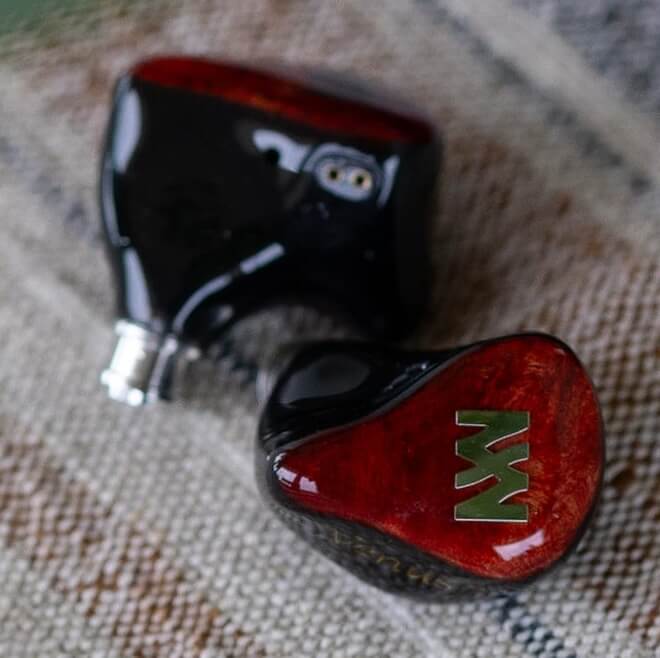
The Venus is a $168 four-driver hybrid IEM with resin shells, polished wood faceplates, and a detachable modular cable. Its accessory package is similar to the Light Shuttle’s, though the Venus adds USB Type-C connectivity. The Light Shuttle’s cable is slightly thicker and softer, while the Venus’s shells feel a bit more substantial in the hand.
Sonically, the Venus has slightly less sub-bass, a little more mid-bass, and additional lower-midrange warmth. Its 2-3 kHz region is less forward, while the 4-5 kHz range carries more energy. Treble is also brighter and more expressive, with greater contrast, sparkle, and better articulation of subtle upper-frequency overtones. The Light Shuttle sounds drier and more restrained by comparison.
Between the two, I prefer the Venus. The Light Shuttle is more engaging with some EDM thanks to its stronger sub-bass, but the Venus costs less and offers a richer lower register with a more expressive upper range. Listeners sensitive to hotter upper mids may still prefer the Light Shuttle’s smoother presentation.
SIVGA Lyrebird
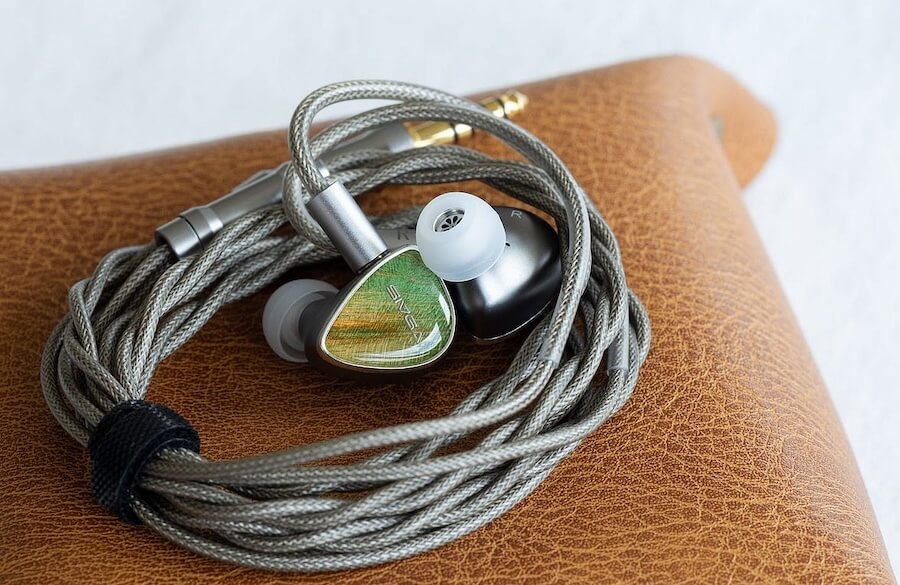
The SIVGA Lyrebird is a $165 quadbrid IEM with metal shells, hardwood faceplates, and a fixed 4.4mm cable, making it about $25 cheaper than the Light Shuttle. Its build feels substantially more robust, while the Light Shuttle counters with a modular cable and a better stock foam eartip option. Both include protective carrying cases and a solid selection of tips.
Sonically, the Lyrebird is cooler, brighter, and leaner. It has less bass overall, especially in the sub-bass, so EDM loses some of the rumble and weight that the Light Shuttle delivers. The Lyrebird does punch with better control, however, and its brighter upper register sounds more open and airy.
Treble resolution is also stronger on the Lyrebird. Fine textures and micro-details are easier to pick out, and it maintains better clarity in busy passages where the Light Shuttle can occasionally soften the edges of brighter elements.
I prefer the Light Shuttle’s warmer, bassier tuning for genres like EDM and R&B, even though the Lyrebird is cheaper, better built, and more resolving up top. Tone matters more to me here, so I’d still take the Light Shuttle.
The Bottom Line
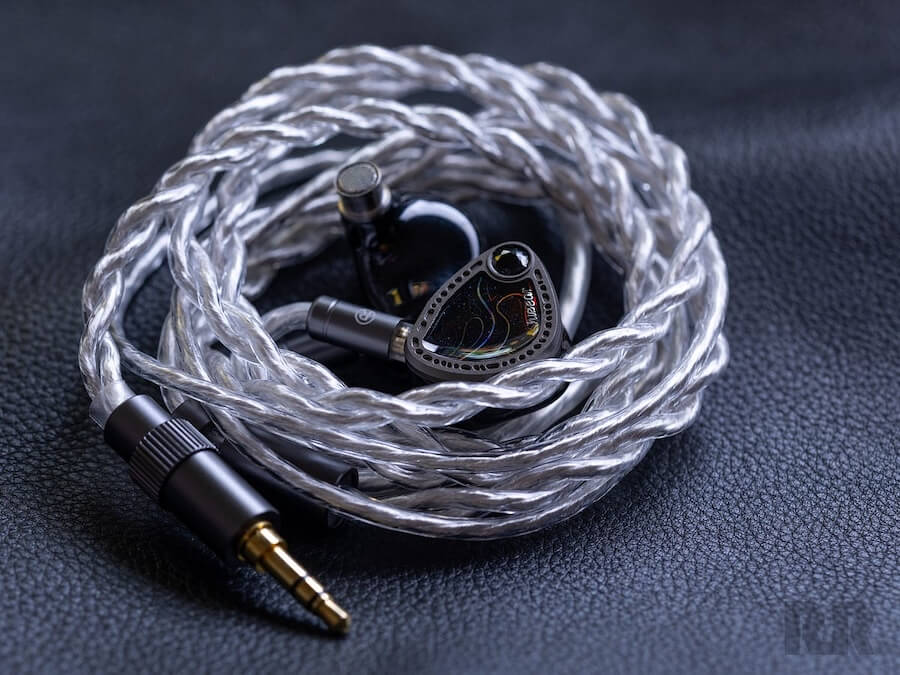
The Juzear Light Shuttle delivers cohesive, gently V-shaped tuning with strong sub-bass extension, clear vocals, and enough treble energy to remain engaging without becoming fatiguing. It’s a very good sub-$200 IEM, but in a crowded category filled with equally capable alternatives, its appeal ultimately comes down to whether its particular balance of warmth, clarity, and restraint matches your preferences.
Pros:
- Cohesive, broadly appealing V-shaped tuning
- Excellent midrange and vocal clarity
- Strong, well-controlled sub-bass extension
- Detailed treble without excessive sharpness
- Good accessory package with modular cable
Cons:
- Mid-bass punch and impact are somewhat restrained
- Treble can lack some air and openness
- Technical performance doesn’t clearly separate it from its strongest rivals
- Resin shells feel less substantial than some competitors
- Light-colored foam eartips show dirt quickly
Our Ratings:
★★★★★★★★★★ Sound Quality
★★★★★★★★★★ Build Quality
★★★★★★★★★★ Comfort
★★★★★★★★★★ Value
Where to Buy:
Related Reading: