
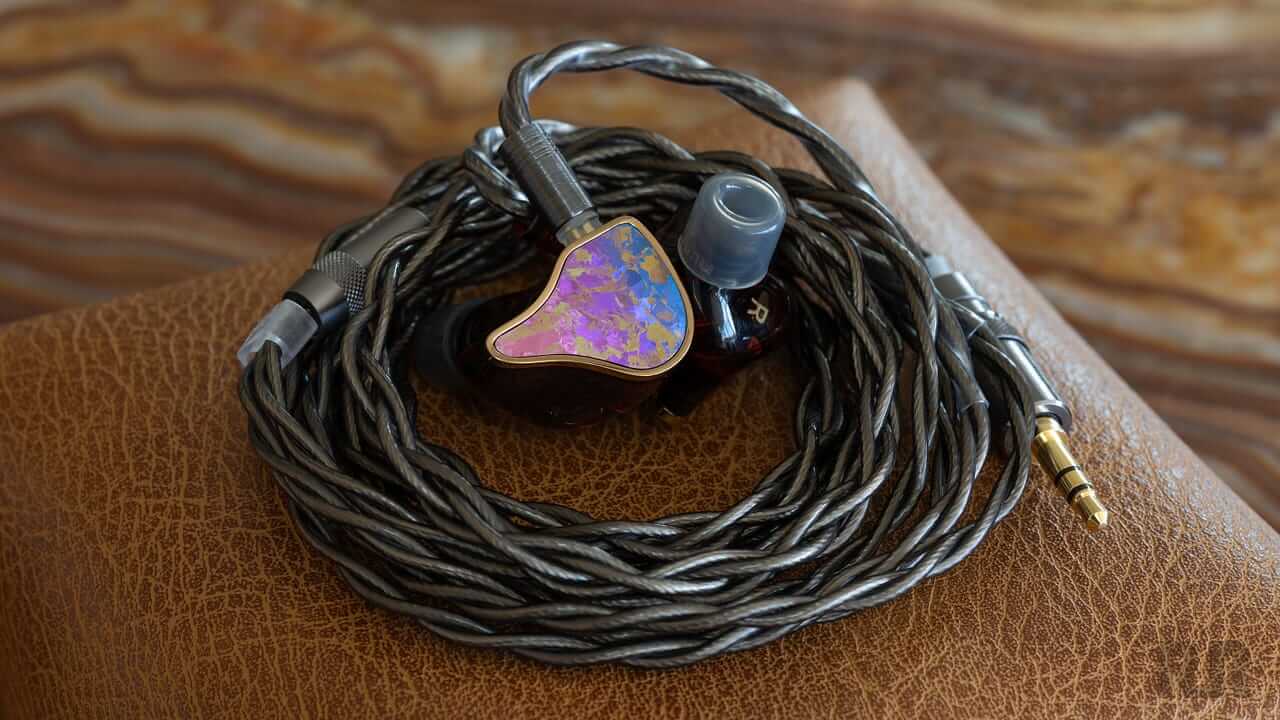
Wired IEMs are having a moment again, driven by better portable DACs, increasingly ambitious driver technologies, and listeners rediscovering that a cable still has some advantages when sound quality matters more than convenience. DUNU, a long-established Chinese personal audio manufacturer best known for its wired IEMs, has been right in the middle of that resurgence.
DUNU has a penchant for building tribrid IEMs, releasing a number of midrange models over the past year. Venerable IEMs such as the DN142 and DN242 demonstrated DUNU’s ability to deliver strong value in the face of increasingly complex and expensive driver configurations, as did the PRS5. The new PRS6 takes that approach one step further, ditching the tried-and-true micro planar tweeters for DUNU’s first MEMS-based IEM.
About My Preferences: This review is a subjective assessment and is therefore influenced by my personal preferences. While I try to mitigate that as much as possible during the review process, I’d be lying if I said my biases were completely erased. So, for you, my readers, keep the following in mind:
- My ideal sound signature includes competent sub-bass, textured mid-bass, a slightly warm midrange, and extended treble.
- I have mild treble sensitivity.
Testing equipment and standards can be found here.
Related Reading:
- DUNU DN142 Review: An Electrifying IEM That Delivers Big Energy For The Price
- DUNU X KOTO ITO: Multi-Driver Hybrid IEM With Dual Dynamic & Balanced Armature Drivers Is Only $199
Key Specifications:
- Driver Configuration: 1 x 10mm dynamic driver, 4 x balanced-armature drivers, 1 x silicon-based passive MEMS driver
- Crossover: 4-way physical and electronic crossover
- Frequency Response: 5 Hz–40 kHz
- Impedance: 43 ohms
- Sensitivity: 112dB/mW at 1 kHz
- Voltage Sensitivity: 125dB/Vrms at 1 kHz
- THD: <0.3% at 1 kHz
- Connector: Recessed 0.78mm 2-pin
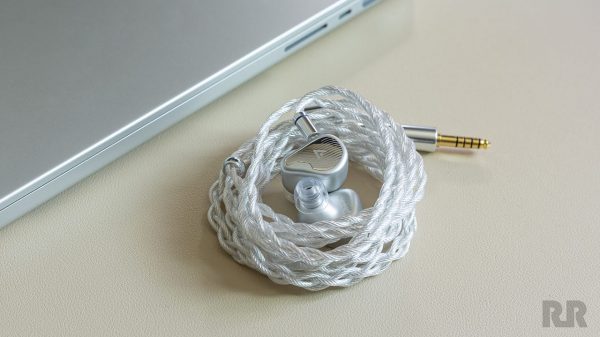
- Cable: 4-core high-purity silver-plated single-crystal copper Litz cable
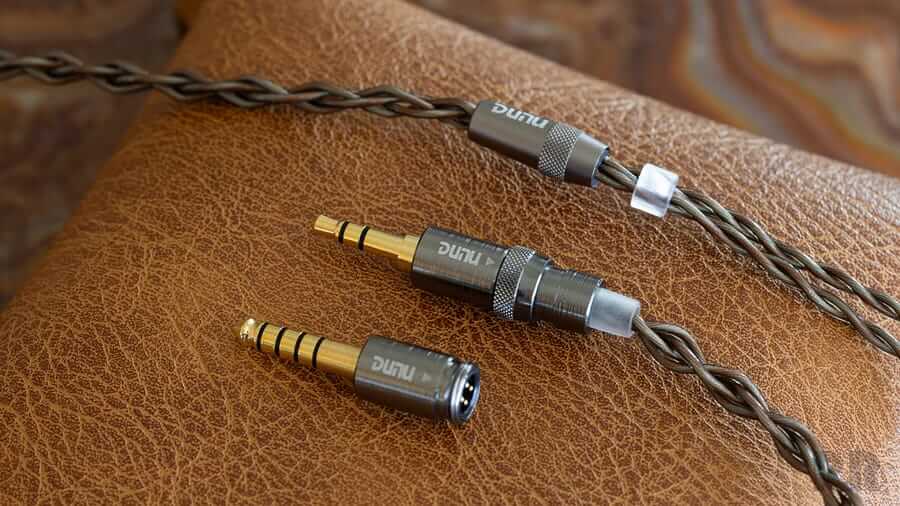
- Termination Options: Q-Lock Mini interchangeable 3.5mm single-ended and 4.4mm balanced plugs
- Shell: High-precision 3D-printed resin
- Faceplate: Pure titanium with aluminum-alloy midframe
- Weight: Approx. 9 g per earpiece
Build
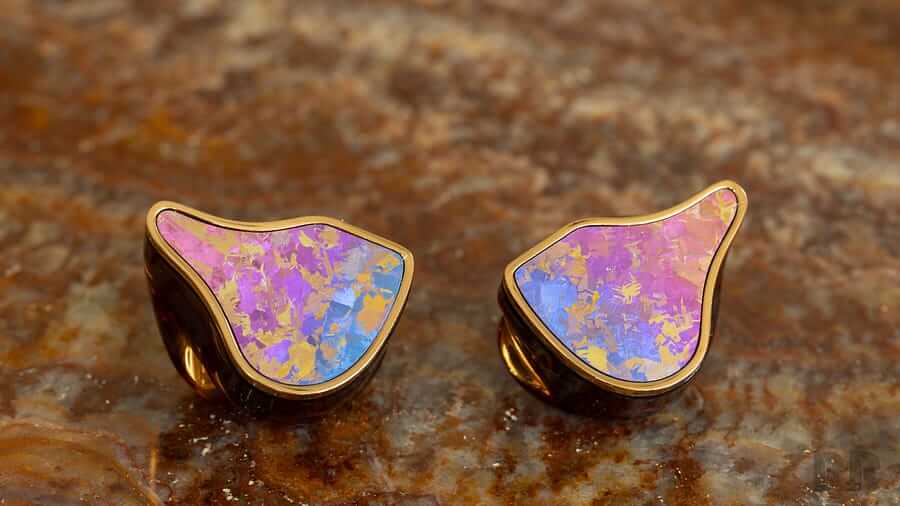
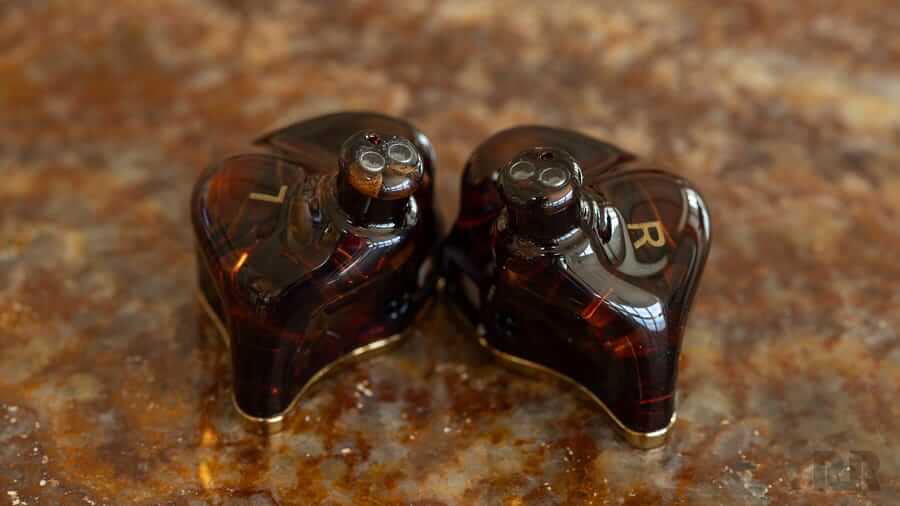
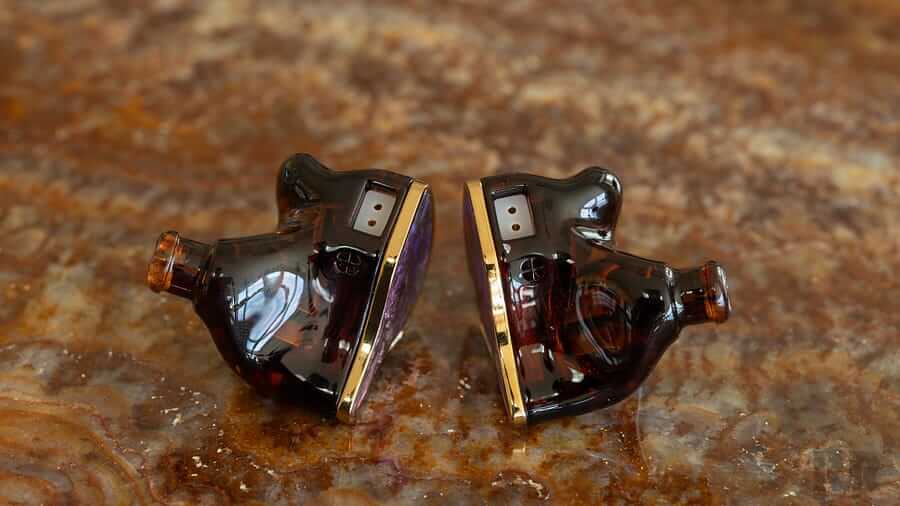
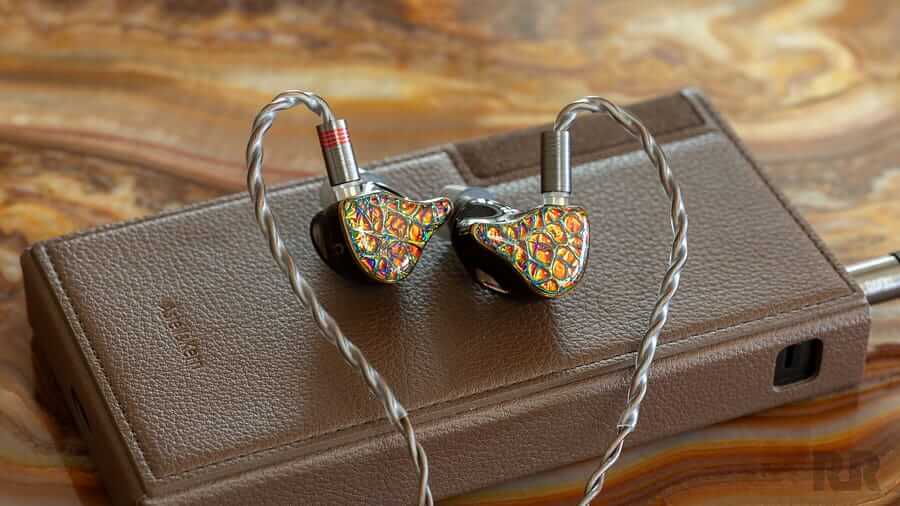
The PRS6 features resin shells and nozzles, paired with a “pure” titanium faceplate.
While it would have been nice to see DUNU use proper metal nozzles, the resin nozzles feel reasonably thick and sturdy. The 0.78mm 2-pin sockets on top of the PRS6 shells are partially recessed and also feel secure.
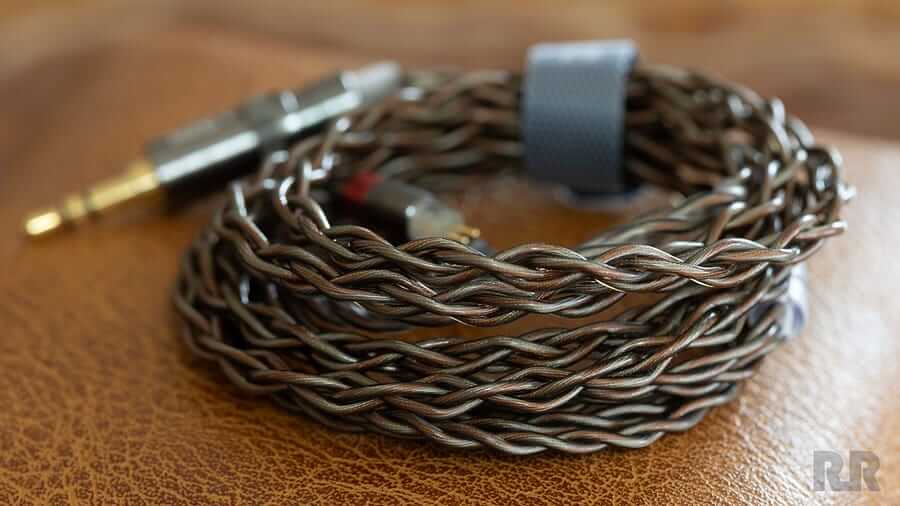
The PRS6’s cable is identical to the one supplied with the PRS5. It is thinner than the cables DUNU included with the DN142 and DN242, but it uses the same excellent metal hardware for the modular termination, Y-splitter, and 2-pin connectors.
Accessories

Inside the box, you’ll find:
- 1 x semi-hard carrying case
- 1 x standee
- 4 pairs of DUNU S&S eartips
- 6 pairs of silicone eartips
- 1 pair of foam eartips
- 1 x 0.78mm 2-pin cable
- 1 x 3.5mm termination
- 1 x 4.4mm termination
- 1 x 6.35mm adapter
- 1 x IEM cleaning tool
DUNU hit it out of the park with the accessory package. The new carrying case looks good and feels solid in the hand, and DUNU even includes a pair of foam eartips for listeners like me with oddly mismatched ear canal sizes. I care very little about the included anime-style standee, but it doesn’t detract from the overall user experience.
Listening
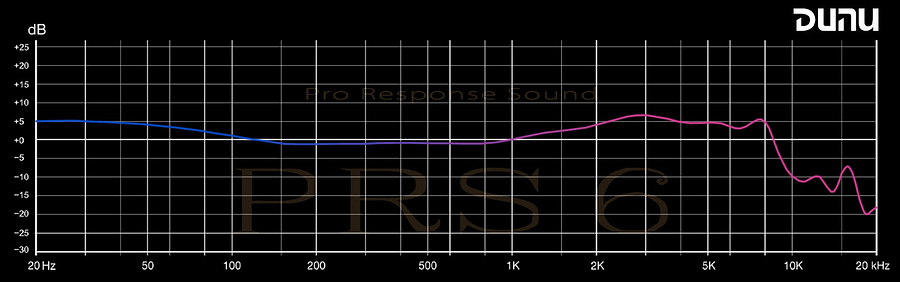
The PRS6 features a mild reference-style sound signature. It sits just beyond neutral, lifting the mid-bass slightly ahead of its warm mids. As such, the PRS6 is happy to enunciate deep-set drumbeats and bass drops, but it doesn’t render them with much tactility or intensity. This academic-coded presentation is well suited to Rock and Alternative, but lacks some engagement with Electronic genres. I quite enjoyed the tonal depth and clarity with which the PRS6 rendered the bass guitars in “Broken City” by Audioslave, but found that the bass drops in “Kyoto” by Skrillex lacked vibrance and physicality.
Just above its gentle mid-bass, the PRS6’s upper mids feature a healthy lift in the 2–3kHz range, blending into a slightly elevated treble. Such a subtle midrange tuning may not suit everyone, but it does come with its perks: striking clarity and impressive cohesion. The PRS6 gleefully resolves midrange textures and layers instruments for days, doing so without meaningful distortion or bloom. I was particularly impressed with its ability to layer contrasting textures in “Neon Wound” by Silversun Pickups. The gritty, filtered electric guitar struck a beautiful balance against the sultry vocals and smooth bass guitar; the effect was simply immersive.
The PRS6 has plenty of extension above 8kHz, but its emphasis begins to roll off above 10kHz. This gives the upper register a very neutral tonality, placing it squarely in “safe” territory for treble-sensitive listeners like myself. Despite its somewhat reserved upper register, the PRS6 does a great job articulating treble-bound details and textures.
The PRS6 stages the hi-hats and tambourines in “Nobody Praying for Me” by Seether with striking clarity and cohesion, keeping them clearly articulated even during chaotic passages. Vast, empty-feeling tracks like M83’s “Midnight City” are communicated with an acceptable degree of spaciousness, though the PRS6 does not evoke the same lonely atmosphere that some of its brighter peers can.
Locking In for Gamer Mode
I typically do not evaluate how well an IEM performs in gaming contexts, but the PRS6 features such prominent Gamer™ marketing that it’s worth validating DUNU’s claims. To start, let’s talk about what it actually means for an IEM to be “good for gaming.”
Types of Games
“Gaming” is not one single thing. There are strategy games, horror games, fantasy RPGs, first-person shooters, and more. Typically, when someone says an IEM is suitable for gaming, they are referring to how well it performs in competitive multiplayer contexts, usually FPS games.
FPS Performance
Contrary to popular belief, most competitive shooters don’t demand that much from an IEM. Positional cues such as footsteps, gunshots, and enemy callouts remain audible and accurate even on fairly inexpensive IEMs, with the NiceHCK Tears being a good example.
So what sets an IEM apart as “good for gaming”? It comes down to the specifics of the game you’re playing and how well the IEM performs under pressure.
Large-scale conflicts in games such as Battlefield or Call of Duty: Warzone can feature gunfire, explosions, and footsteps from a dozen players at once, and your IEM needs to handle that information properly. A poorly suited IEM might overemphasize higher frequencies, masking key details or fatiguing the listener. Overly dramatic bass can bloom over footsteps or suppressed gunfire. Proper tuning helps eliminate these issues, and the PRS6 definitely fits the bill.
I spent a dozen hours playing a mix of multiplayer FPS games with the PRS6 and came away pretty impressed. Not only did it offer exceptional tonal nuance when identifying enemy weapons by sound in Call of Duty: Modern Warfare III, but it also rendered grenade blasts without masking nearby enemy footsteps.
Footsteps were clear and positionally accurate, and the PRS6 easily achieved the levels of clarity offered by pricier so-called “wall-hack” IEMs such as the Kiwi Ears Astral.
I also found that the PRS6 addressed one of my biggest issues with most premium-priced gaming IEMs: fatiguing upper mids and treble. The PRS6’s upper register is tuned to be completely inoffensive, even for sensitive listeners like me, and remains comfortable at higher listening levels.
Comparisons
Comparisons are selected solely based on what I find interesting. If you’d like me to add another comparison, feel free to make a request in the comments below.
DUNU PRS5
The PRS6 is DUNU’s more “mature” counterpart to the PRS5. Marketing materials suggest that its higher $250 price reflects the use of MEMS tweeters and a more focused, gamer-centric tuning. In practice, that means a leaner, flatter presentation with greater emphasis on the midrange.
The PRS5 has more bass weight, a warmer lower midrange, and a less forward upper midrange. The PRS6 adds a touch more lower-treble brightness while remaining broadly similar in upper-treble extension. Vocals sit farther forward on the PRS6, but at the expense of some harmonic weight and fullness.
The PRS5 is easily the more entertaining of the two, thanks to stronger dynamic contrast and greater low-end energy. The PRS6 counters with better layering and more usable resolution during busy passages, which makes its tuning particularly effective for competitive FPS gaming.
That specialization comes with tradeoffs. The PRS6 is not an especially enjoyable daily driver for music, particularly next to the PRS5. It demands more specific genres and mastering conditions to sound balanced and expressive, while the PRS5 works well with almost anything.
The PRS5 is also the cheaper IEM, and the one I would much rather listen to for music.
DUNU DN242
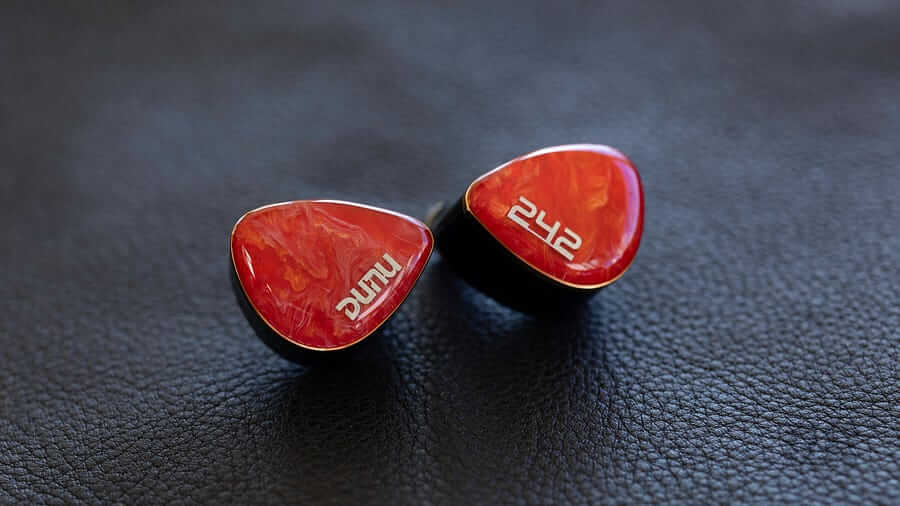
At $350, the DUNU DN242 is $100 more expensive than the PRS6. While they share some similarities in driver configuration, MEMS tweeter aside, the listening experience is quite different.
The DN242 is more U-shaped, with greater weight in both the mid-bass and sub-bass. That gives it a stronger sense of physical depth than the PRS6. The PRS6 has a slightly warmer midrange, though both IEMs render harmonically complex material with satisfying richness.
The biggest difference is in the treble. The DN242 is considerably brighter and pushes treble-bound elements farther forward in the mix. The PRS6 actually sounds clearer on dense, bright tracks, though part of that may come down to the DN242 becoming uncomfortably sharp for me.
I appreciate aspects of the DN242’s tuning, but I much prefer the PRS6’s less aggressive and better-balanced presentation. That preference is even stronger for gaming, although DUNU does not position the DN242 for that use case.
Kiwi Ears Astral
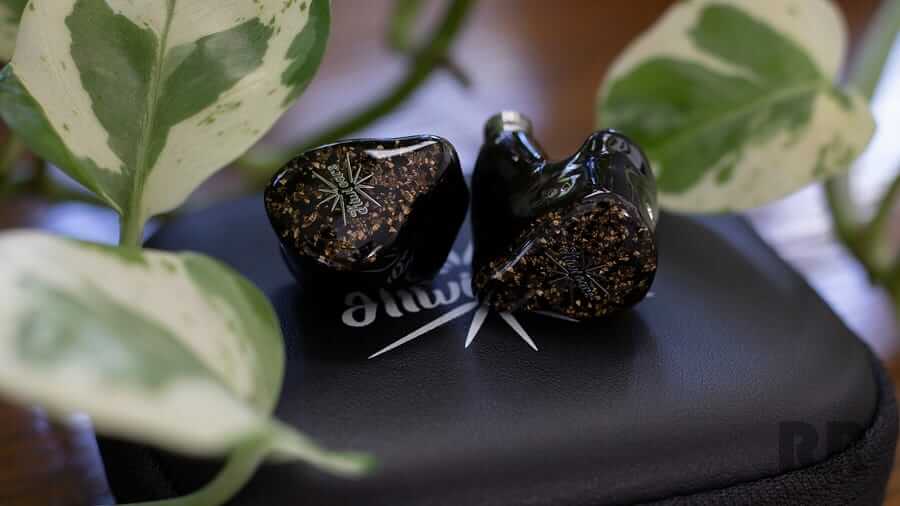
The Astral is a resin-shelled hybrid IEM with metal nozzles and a detachable modular cable. It is bulkier and less ergonomic than the PRS6, with a stiffer, less comfortable cable that also lacks the PRS6’s durable and secure screw-on locking mechanism.
Despite costing $50 less, the PRS6 comes with a far better accessory package, from the carrying case to the eartip selection, and offers a noticeably stronger out-of-the-box experience.
Sound-wise, the Astral is more U-shaped, with greater sub-bass emphasis but less mid-bass presence. The PRS6 has a warmer lower midrange and a similarly forward upper midrange. The Astral is also brighter, with several pronounced upper-register peaks that make its treble sound artificial and fatiguing.
By comparison, the PRS6 is more cohesive, more comfortable at higher listening levels, and better suited to extended gaming sessions. It also matches the Astral in detail retrieval and texture resolution without the same tonal issues.
The Astral’s sub-bass/mid-bass imbalance and harsh upper treble make it difficult for me to listen to at higher volumes, while the PRS6 remains composed and comfortable. Given its greater practicality for gaming, stronger musical balance, better accessory package, and lower price, the PRS6 is my clear preference.
ZiiGaat Arete 2
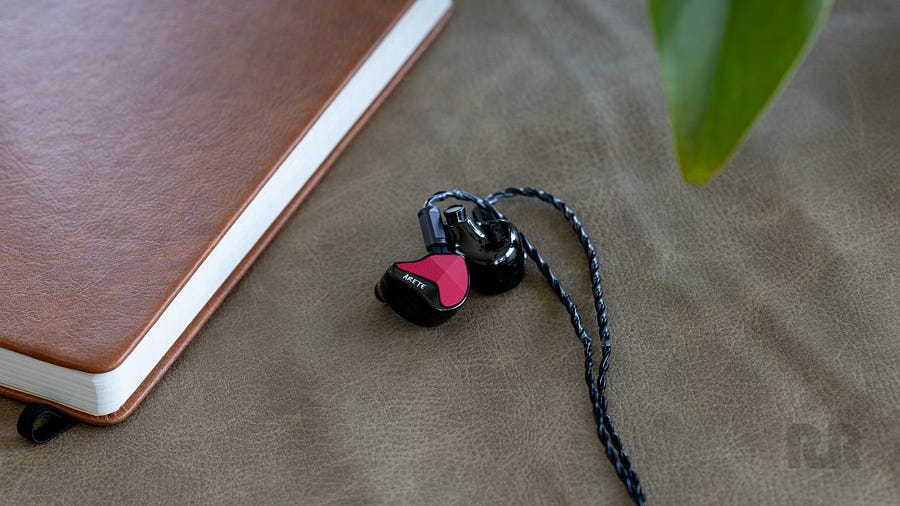
The Arete 2 is a $279 all-metal IEM with a fairly standard 1 x dynamic driver + 4 x balanced-armature configuration, but it makes very good use of that hardware. The PRS6 uses a more exotic tribrid setup, including a relatively rare MEMS tweeter, while costing about $30 less.
Both IEMs feature detachable modular cables, though I much prefer the softer, sturdier cable included with the PRS6. The PRS6 also ships with a slightly larger accessory package, but the out-of-the-box experience is good with both.
The Arete 2 includes a tuning switch that lets the listener increase or decrease bass presence, though I generally listen with the bass switch set to “on.” In that mode, the Arete 2 is more V-shaped than the PRS6, with greater mid-bass and sub-bass emphasis and a slightly cooler lower midrange.
It communicates depth and tactility better than the flatter-sounding PRS6 without giving up much of the latter’s gentle richness. Both IEMs have resolving upper registers, though the Arete 2 adds more lower-treble energy and a moderate increase in upper-treble emphasis. As a result, it sounds higher-contrast and airier, particularly during instrumentally dense passages.
Between the two, I generally prefer the Arete 2. It delivers a competitive technical experience, aside from a slight reduction in lower-treble resolution, while being more flexible across music genres and gaming contexts. The PRS6 is certainly formidable as a gaming IEM, but I don’t use my IEMs exclusively, or even primarily, for gaming.
The Bottom Line
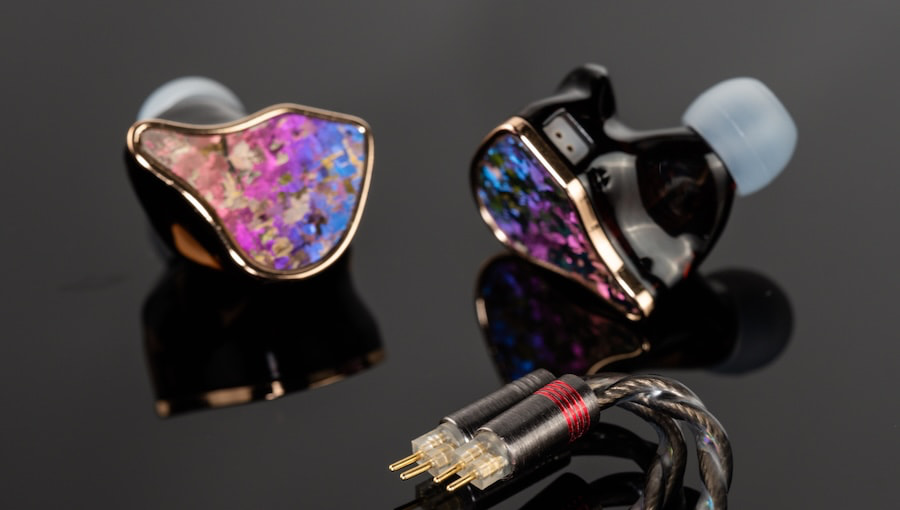
The PRS6 is a relatively accessible tribrid IEM, and DUNU’s first MEMS implementation is impressively refined and inoffensive. It offers strong resolution, excellent technical performance, an organic midrange, clean treble extension, and bass that reaches deep even if it does not hit particularly hard. For Rock and Alternative music, or as a competitive gaming IEM, the PRS6 has a lot going for it.
The problem is flexibility.
Its restrained bass response and limited tonal contrast between the upper and lower registers can leave EDM and R&B sounding short on punch, rumble, and excitement. That specialist tuning works well when the goal is clarity, layering, and positional precision, but it makes the PRS6 less convincing as an all-purpose daily driver.
I can appreciate what DUNU was trying to accomplish here, but unless you specifically prefer a true reference-style presentation or place a heavy emphasis on competitive gaming, I have a hard time choosing the PRS6 over more versatile options such as the Arete 2.
Still, as DUNU’s first serious step into MEMS-based IEMs, the PRS6 is a promising one. The underlying technical performance is already there; I’m more interested in seeing what happens when DUNU pairs this driver technology with a tuning that offers a little more excitement.
Our Ratings:
★★★★★★★★★★ Sound Quality
★★★★★★★★★★ Build Quality
★★★★★★★★★★ Comfort
★★★★★★★★★★ Value
Where to Buy:
When purchased directly from DUNU’s webstore you get a nice $25 discount and a handy USB-C termination for the PRS6’s cable.
Related Reading:













ORT
October 11, 2026 at 9:30 pm
Not since that prognosticator of prognosticators Punxsutawney Phil, has someone dared to step outside the accepted norms (Phil’s a Groundhog and they don’t normally do anything odd!) and prognosticatify. I hereby prognositfy that wired AFFORDABLE earbudses will make a bit o’ a comeback due to many people getting sick & tired of losing one earbud thereby rendering their pair of earbuds no longer a “pair”. That and the aptly named (by me) “Crosley Kids” who helped make vinyl return(!) by purchasing affordable Crosely Record Players, are hopefully gonna do the same for wired, affordable earbudses and headphoneses! And affordable DAPSes.
Can I get a “HUZZAH!”
Punxsutawney ORT
Ian White
October 12, 2026 at 9:48 am
ORT,
Huzzah. Do you remember those wired Bose ANC earbuds that we wrote about last week? Bose’s pre-sale? Every last one. Thousands. Gone in a day. We will get one soon to review but they were hoping this would be the case.
And I predicted this back in March at CanJam NYC. My column proved to be ahead of the curve.
IW
ORT
October 12, 2026 at 2:22 pm
Ian,
And there was much rejoicing! Yaaaaa!! AMEN!! That is great news for Bose and us!!!!!!
ORThur, King of the Schiitons