Spotify has found a way to make sharing music with your family feel more like going through airport security. Some Premium Family subscribers are being asked to scan a constantly changing QR code while standing beside the person who pays for the subscription. Apparently, knowing your family’s musical tastes, listening habits, and billing history isn’t enough. Everybody needs to report for inspection.
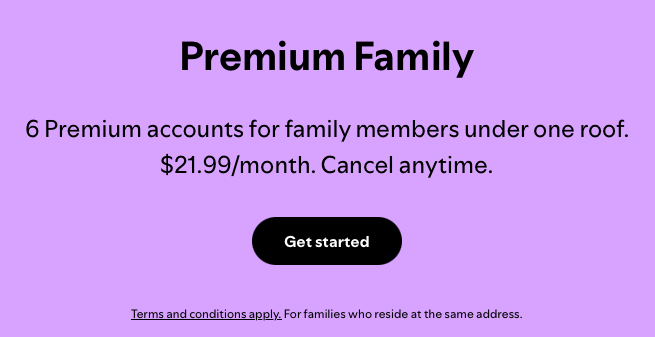
The consequences are more serious than the inconvenience suggests. Miss the seven-day verification window and Spotify says you won’t be allowed to join a different Family or Duo subscription for 12 months. That’s not a ban from Spotify itself, but it is a substantial restriction for a service that already charges American families $21.99 per month.
Related Reading:
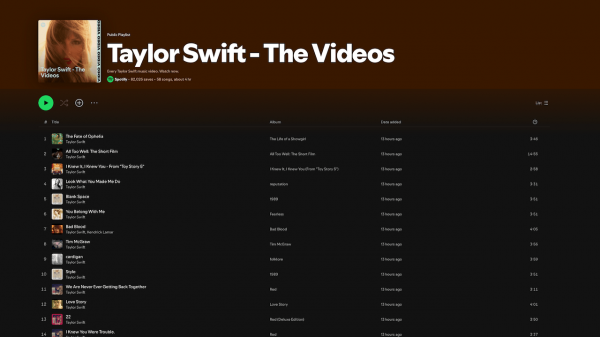
- Spotify Adds All 58 Taylor Swift Music Videos As Its YouTube Ambitions Get Harder To Ignore
- Spotify Will Label AI Artists And Stop Recommending Them. So Why Is It Letting Fans Remix Real Music With AI?
How Spotify’s Family Plan QR Code Verification Works
According to Spotify’s official support documentation, some Premium Family members may receive a notification requiring them to verify that they live at the same address as the plan manager.
The process is straightforward, provided everyone happens to be in the same place when Spotify comes knocking.
- The Family plan manager opens Spotify on their phone, taps their profile picture, selects Your Premium, and then Manage to display a QR code.
- The invited member scans that code using their phone’s camera while physically together with the plan manager.
- Both devices must have the latest version of Spotify’s mobile app, and verification must be completed within seven days of the notification.
The QR code changes every few seconds, making a screenshot difficult to use as a substitute for an in-person scan. Spotify specifically instructs subscribers to complete the process together, although users on Reddit have reported finding ways around the requirement using additional devices and video calls.
Spotify hasn’t disclosed how many subscribers are being checked, how accounts are selected, or the full geographic scope of the verification program. Its official wording refers to some Premium Family members, not every subscriber.
Seven Days to Comply, but What Happens If You Don’t?
Spotify has required Family subscribers to live at the same address for years. Its existing verification procedure checks addresses when someone joins, when the plan manager changes addresses, or when Spotify cannot confirm a member’s information.
Under those established rules, members who fail address verification or miss the deadline lose Premium Family access and move to Spotify Free. They can rejoin the same Family or Duo plan, but cannot join a different one for 12 months.
The QR code policy introduces an important distinction. Spotify explicitly states that failing the QR check triggers the 12-month restriction on joining a different shared plan, but that section does not clarify whether the subscriber automatically loses access to the existing plan or can rejoin it afterward.
That’s a fairly significant omission for a company threatening a year-long restriction. Spotify has managed to explain exactly how to scan a square barcode while leaving customers with questions about what happens to their subscriptions.
There’s another issue worth considering. A subscriber who actually lives with the plan manager but happens to be traveling for work, visiting relatives, or away on vacation could have difficulty completing an in-person scan within seven days. College students permanently living away from home are a different matter because Spotify’s existing rules require members to share a residence, regardless of their family relationship.
And despite the attention surrounding the current enforcement, QR verification itself isn’t entirely new. A December 2025 Reddit discussion already described Spotify using rapidly changing QR codes for Family account checks. What’s making news in October 2026 is the renewed attention and reports of subscribers receiving these demands, not proof that Spotify invented the system this week.
Why Is Spotify Cracking Down? Follow the Money
There’s a legitimate business argument for enforcing household subscription rules. Spotify sells Premium Family to people residing together, not six unrelated friends who discovered that dividing a monthly bill is cheaper than paying individually.
But the financial incentive to enforce those rules more aggressively is difficult to ignore.
In its October 15, 2026, Music in the Air report, Goldman Sachs argued that streaming platforms have an opportunity to generate additional revenue by tightening eligibility requirements for family subscriptions. As Music Business Worldwide reported, the investment bank believes a meaningful portion of shared subscriptions involves people who don’t actually live together.
Goldman’s argument is that better enforcement could convert some of those users into paying individual subscribers. That doesn’t establish Spotify’s internal reasoning, but it certainly explains why stricter household verification would appeal to investors.
In January, we reported on Spotify’s latest U.S. subscription increases, which raised Premium Individual to $12.99, Duo to $18.99, and Family to $21.99 per month. Those prices remain in effect, making the financial consequences of splitting a shared household subscription rather obvious.
Spotify already has your credit card. Now it would like to inspect your living arrangements. Somewhere, an investment banker is nodding approvingly.
Is Apple Music or YouTube Music a Better Alternative?
Spotify isn’t the only streaming company interested in making sure subscribers aren’t sharing discounted accounts with people who don’t qualify.
YouTube’s family membership rules also require members to reside at the same address. Google says an electronic check-in takes place every 30 days, so switching to YouTube Music doesn’t necessarily eliminate household eligibility checks.
Apple Music takes a different approach through Apple’s Family Sharing system. Its U.S. Family subscription costs $19.99 per month for up to six people, with lossless audio, Hi-Res Lossless, and Dolby Atmos included. Apple’s published Family Sharing instructions don’t describe an equivalent in-person QR code requirement, although membership and regional eligibility rules still apply.
As we explained when Apple raised its subscription prices in July, the service remains $2 per month less expensive than Spotify Family. That difference alone won’t persuade everyone to abandon Spotify’s playlists, recommendations, and hardware compatibility, but added account verification headaches aren’t exactly a compelling reason to stay.

The Bottom Line
Spotify has every right to enforce the subscription terms customers agreed to, and a family plan was never intended to become a discount club for six strangers living in different cities. But there’s a difference between preventing deliberate abuse and making legitimate subscribers prove they live together whenever an automated system demands it.
The real test will be how Spotify handles customers who are temporarily away from home, experience verification problems, or miss a notification through no deliberate attempt to circumvent the rules. A company capable of analyzing years of your listening habits and recommending the next obscure album you might love should be able to understand that living in the same household doesn’t mean standing next to each other on command.
Perhaps Spotify’s next recommendation algorithm can suggest a convenient time for the entire family to assemble in the kitchen and scan a QR code. Preferably before somebody gets sent to subscription detention.
Related Reading:
- AXPONA Storms Chicago, Spotify Still Chasing Lossless, Moses Returns For Passover, And A Brief Encounter: Editor’s Round-Up
- Spotify Finally Tries Hi-Fi: Lossless Listening Lounge In London Built Around Horn Speakers And Bryston Power
- Spotify Car Thing Is Back From The Dead Thanks To Mira 1.0 Open Source Firmware