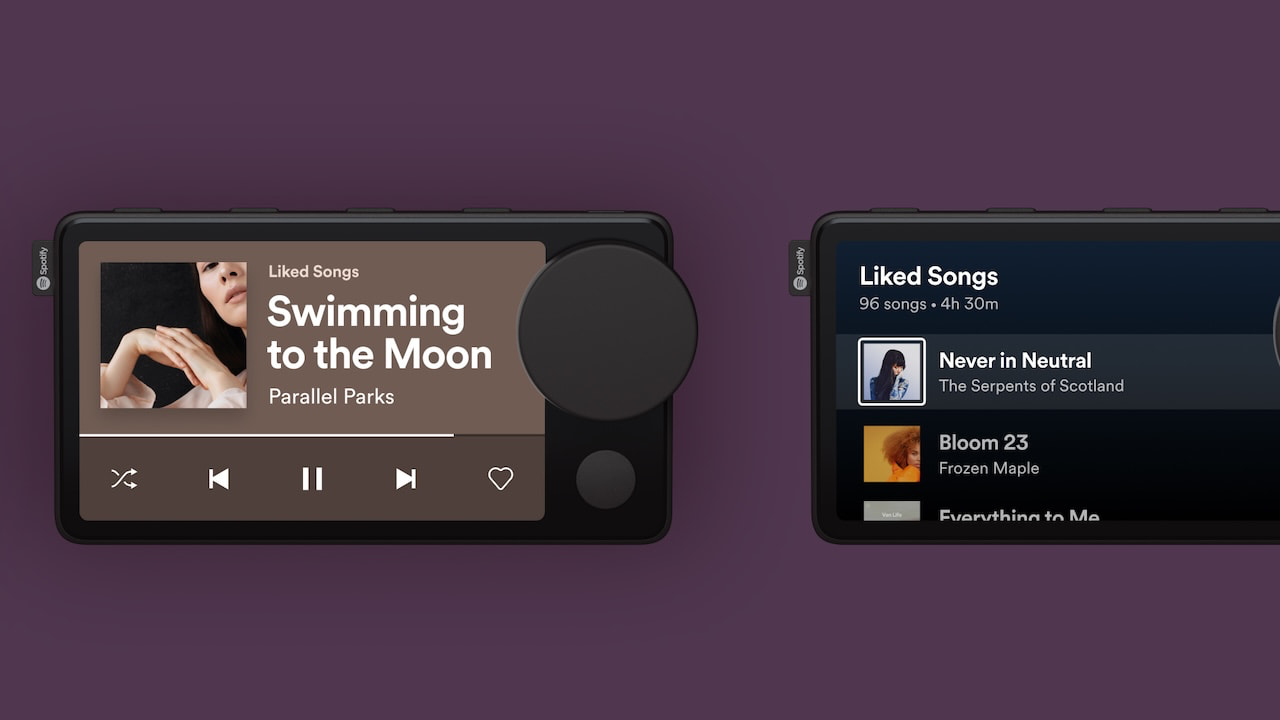
Spotify’s Car Thing has already died twice.
The first death came in July 2022, when Spotify stopped manufacturing its first hardware product only five months after putting it on general sale in the U.S. The second arrived on December 9, 2024, when Spotify remotely made the remaining devices non-operational and advised owners to recycle them. Refunds were eventually offered to eligible purchasers.
Apparently nobody informed the corpse.
A new free, open-source firmware called Mira 1.0 has brought Car Thing back to life without Spotify’s original Car Thing software or companion infrastructure. Flash Mira onto the device, tether it to a phone over Bluetooth or a computer over USB for internet access, sign into Spotify and the little dashboard screen becomes useful again.
There is something wonderfully awkward about volunteers accomplishing that after Spotify told customers to find an electronics recycling bin.
What Was Car Thing Again?
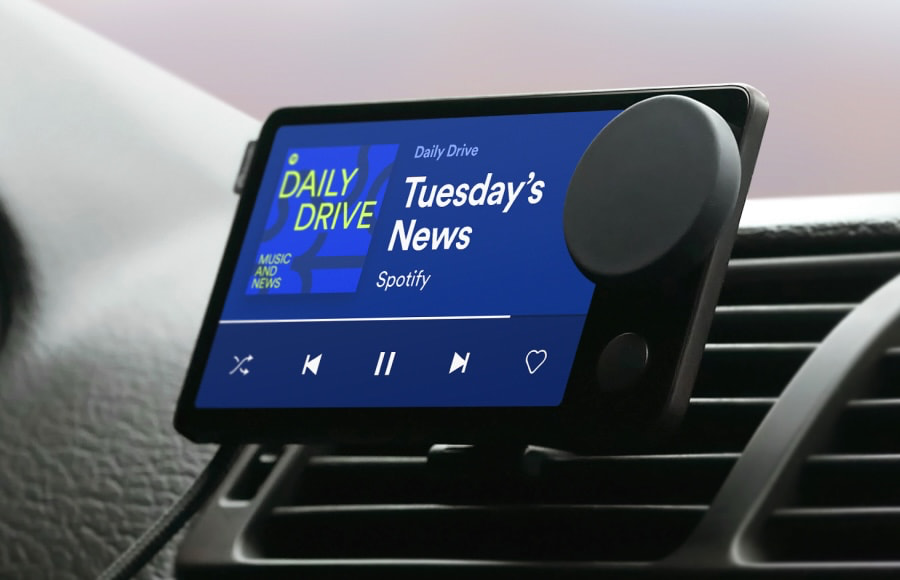
Spotify originally developed Car Thing for drivers whose vehicles lacked modern infotainment systems such as Apple CarPlay or Android Auto.
The four-inch touchscreen connected to a smartphone and offered Spotify playback using touch controls, a large physical dial, preset buttons and “Hey Spotify” voice commands. It still needed a phone for data and originally required Spotify Premium, so Car Thing was essentially a very attractive $89.99 Spotify remote for your dashboard.
And yes, Spotify actually sold them.
What Spotify has never publicly disclosed is how many. Reports at the time claimed roughly 2 million people had joined the waitlist, but that clearly did not translate into two million purchases. Spotify stopped production in July 2022 and recorded a €31 million charge associated with the decision.
Two million people apparently wanted to know what Car Thing was. Considerably fewer appear to have wanted one badly enough to hand Spotify $90.
What Does Mira 1.0 Actually Do?
Quite a lot.
Mira restores playback controls and the physical volume knob, four preset buttons, album artwork and lyrics, podcast support with synchronized transcripts and device selection. It also adds its own “Hey Mira” voice control for playing music, changing volume, skipping tracks and managing queues. Multiple Bluetooth phones can be paired with the device.
Mira itself requires no companion app, additional account or paid subscription. It does, however, work only with Spotify, requires a Spotify sign-in and needs an internet connection supplied through Bluetooth or USB tethering.
This is not a one-click firmware update for your father-in-law. Installation requires a computer, USB-C cable and flashing the replacement firmware, which wipes the original software. The developers also acknowledge occasional problems waking from sleep and Bluetooth not always reconnecting automatically.
Why Is This Unique?
Because Mira changes the Car Thing story from failed gadget to an uncomfortable lesson about who controls hardware after you buy it.
Spotify did not merely stop making Car Thing or end technical support. It made functioning hardware stop functioning. Owners were initially told to reset the devices and dispose of them through appropriate e-waste channels. No refund of any kind was provided to customers who stupidly took the plunge.
Mira demonstrates that those screens, knobs, buttons and processors were still perfectly capable of doing something useful. What disappeared was Spotify’s willingness to support them. That should concern anyone buying hardware whose basic functionality depends on a manufacturer’s servers remaining interested in its continued existence.

Who Is This For?
Mira is primarily for existing Car Thing owners, tinkerers and anyone who kept one in a drawer rather than following Spotify’s recycling advice.
It also gives the device a reason to exist beyond the car. Car Thing can serve as a desktop Spotify controller with physical controls, album art, lyrics and voice commands without requiring the main Spotify application to dominate another screen.
What Mira does not do is turn Car Thing into CarPlay, Android Auto or a general-purpose infotainment system. There is no Apple Music or TIDAL support, navigation remains somebody else’s problem, and this still requires more fiddling than mounting your phone on the dashboard.
The Bottom Line
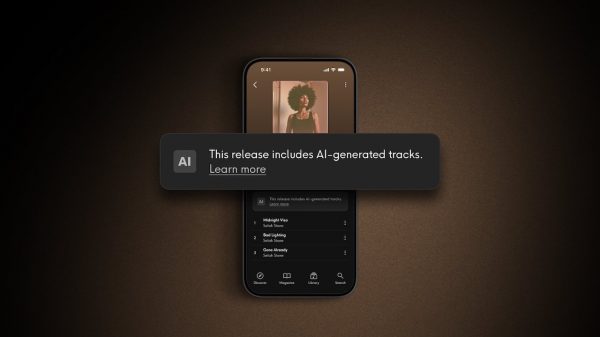
Spotify deserves exactly zero victory lap here. This is the company that announced lossless audio in 2021 and did not actually begin delivering it until September 2025, years after Apple Music, Amazon Music and others had moved on. More recently, its approach to AI and music has looked less like a philosophy than a moving target: stronger rules against impersonation and AI spam in 2025, AI-powered covers and remixes with Universal in 2026, and now new labels designed to keep AI personas out of recommendations. Spotify certainly knows how to change lanes; signaling first would be nice occasionally.
Car Thing belongs in the same conversation because Spotify sold customers a piece of hardware, lost interest in it, and ultimately rendered it useless through a software shutdown. The embarrassing part is that the hardware itself did not suddenly become obsolete. A group of software developers looked at the same discarded screen, knobs and buttons and saw something Spotify apparently did not: a perfectly usable product that did not need to become electronic waste just because the corporate strategy changed.
So the people worth celebrating here are the software geeks behind Mira, not Spotify. They have given Car Thing what amounts to a third life and, in the process, made Spotify’s decision to kill it look even worse. Companies love talking about sustainability, ownership and putting users first. Sometimes the most convincing rebuttal is a few developers with GitHub accounts refusing to accept that a working piece of hardware belongs in the trash.
For more information: github.com
Related Reading:
- Spotify Car Thing Smart Player Unveiled For Your Daily Commute
- Spotify Reports Strong Growth In Q2 & Kills Car Thing
- Spotify Will Label AI Artists And Stop Recommending Them. So Why Is It Letting Fans Remix Real Music With AI?
- Spotify Finally Tries Hi-Fi: Lossless Listening Lounge In London Built Around Horn Speakers And Bryston Power