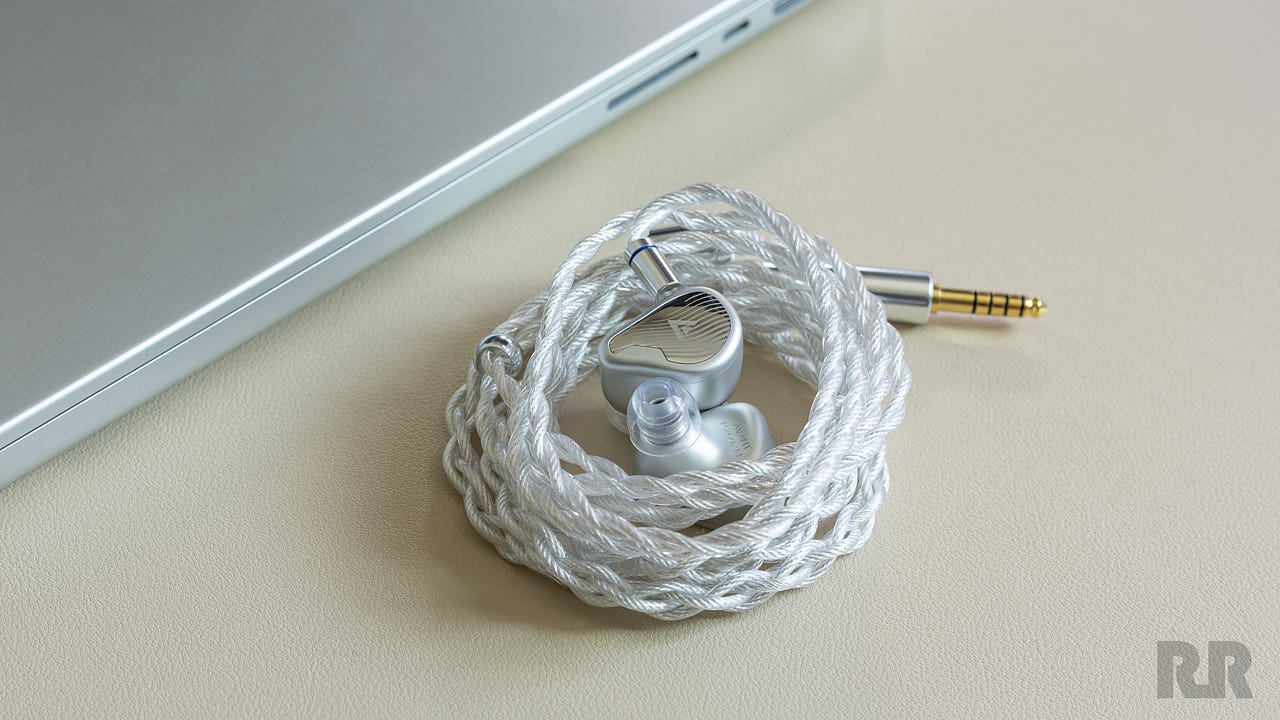
Linsoul is hardly a newcomer to the Hi-Fi market. With established IEM brands like Kiwi Ears, ZiiGaat, and THIEAUDIO under its umbrella, the company has become a major player in personal audio over the past decade. That makes its decision to finally release an in-ear monitor under the Linsoul name particularly interesting. After 10 years of helping other brands compete for audiophiles’ attention, it’s time to see what Linsoul can accomplish on its own.
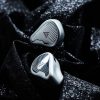
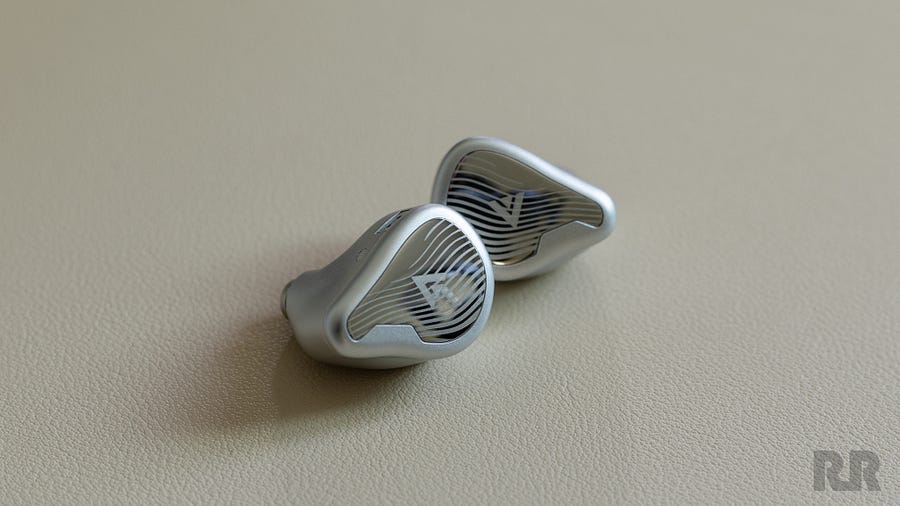
The $369 Linsoul Avant is an ambitious debut, combining two dynamic drivers, three balanced armatures, and a MEMS solid-state driver in each earpiece. With precision-machined aluminum shells, an extensive accessory package, and a tribrid configuration that incorporates three different driver technologies, the Avant is clearly targeting audiophiles shopping in the fiercely competitive $300 to $500 IEM category.
Of course, Linsoul faces some rather stiff competition, including models from the very brands it helped establish. That’s an interesting position to be in when you’re effectively competing against yourself. Does the Avant have enough to stand out from the crowd, or has Linsoul simply added another contender to an already overcrowded segment? Let’s get into it.
About My Preferences: This review is a subjective assessment and is therefore influenced by my personal preferences. While I try to mitigate these biases as much as possible during the review process, I’d be lying if I claimed they could be eliminated entirely. With that in mind, here are a few things readers should know:
- My ideal sound signature includes competent sub-bass, textured mid-bass, a slightly warm midrange, and extended treble.
- I have mild treble sensitivity.
Testing equipment and standards can be found here.
Related Reading:
- Melody Wings Uranus IEM Review: Impressive Detail And Dynamics With One Notable Quirk
- EarAcoustic Audio Oshun IEM Review: You Probably Don’t Need Anything Better
Key Specifications:
- Type: Tribrid in-ear monitors (IEMs)
- Driver configuration: 6 drivers per earpiece (2 dynamic, 3 balanced armature, 1 MEMS)
- Dynamic drivers: Dual 10 mm PET diaphragm drivers
- Balanced armature drivers: Two Dibei 653011 and one Knowles 33518
- MEMS driver: One solid-state MEMS driver per earpiece
- Sensitivity: 104 dB at 1 kHz
- Impedance: 12 ohms at 1 kHz
- Total harmonic distortion (THD): ≤0.5%
- Cable connection: Detachable 0.78 mm 2-pin
- Price: $369 USD
Build
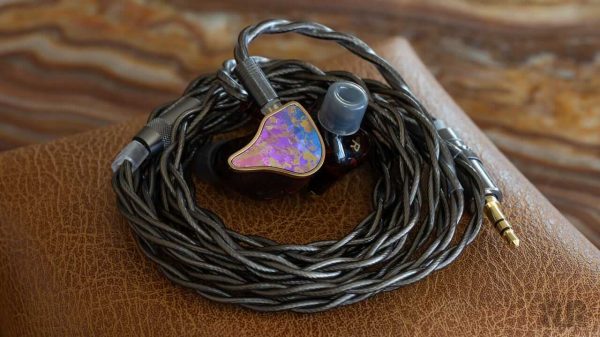
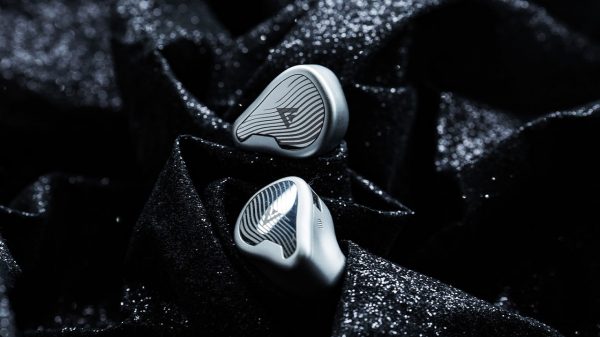
Linsoul clearly wanted the Avant to feel like a premium IEM. Its all-aluminum construction, sturdy shells, and luxurious feel in the hand reinforce that impression.
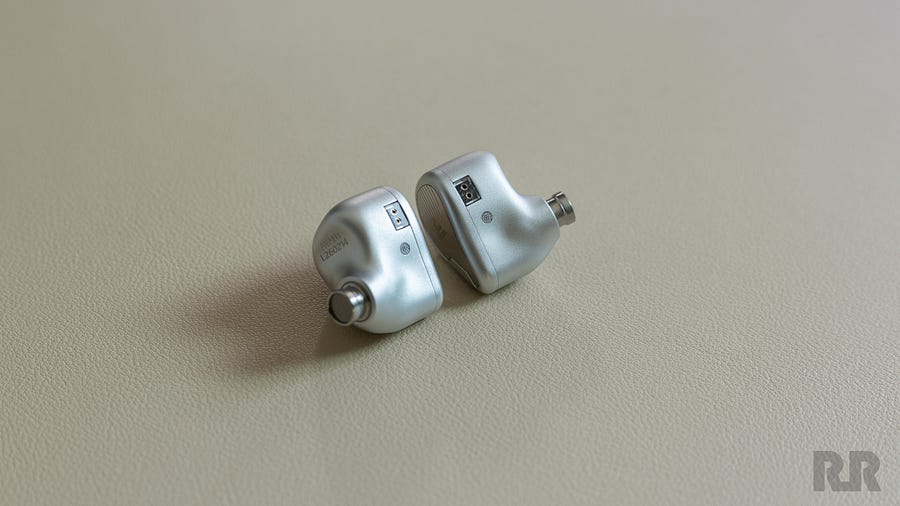
The top of the Avant’s shells houses its 0.78 mm 2-pin connectors, which feel securely mounted. I was able to connect and remove the cables easily, suggesting that the pins and sockets are properly sized and fit together securely.
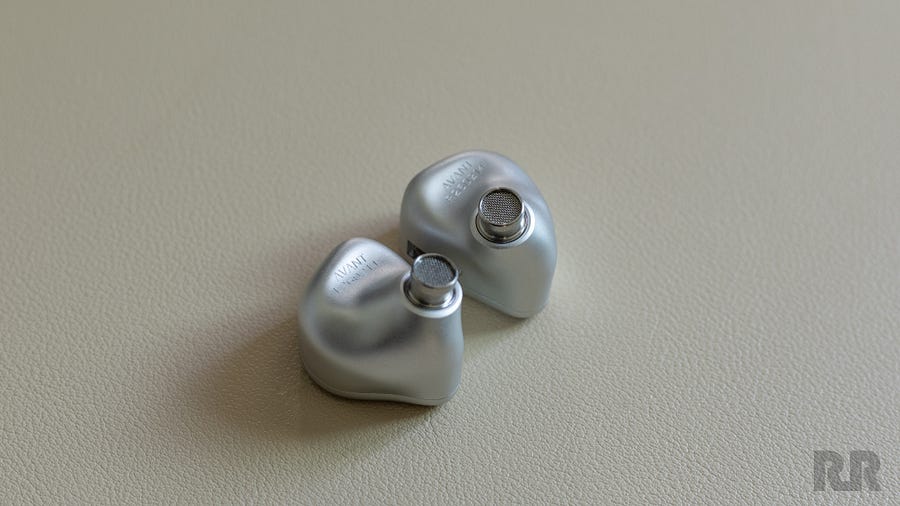
The Avant’s nozzles are relatively short and somewhat wide, but they also feel sturdy. Ergonomics might have benefited from slightly longer nozzles, although I found the overall comfort acceptable. The nozzles feature replaceable mesh filters to prevent debris from entering the shells, and Linsoul includes spares in the box.
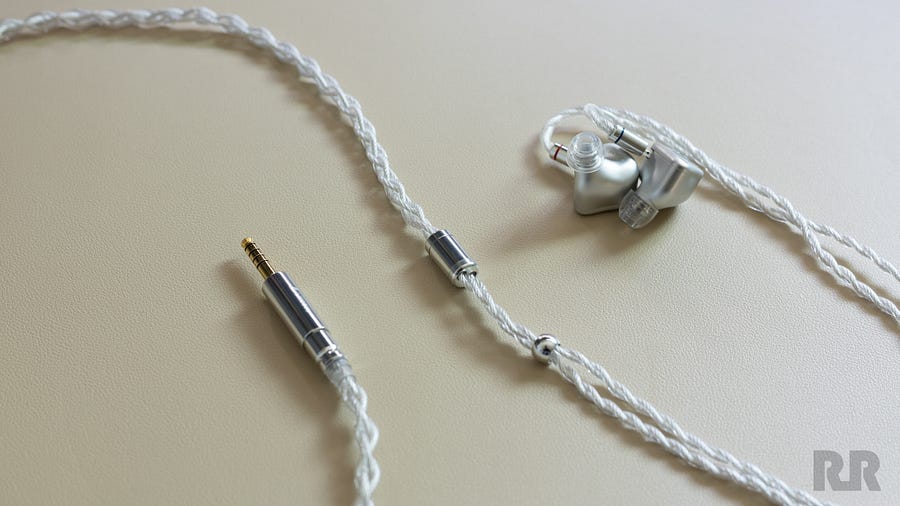
The Avant’s cable is attractive, soft to the touch, and quite ergonomic, producing minimal microphonics when moving around. It has a slight tendency to tangle due to some surface friction, although the problem is less severe than it might be with a thinner cable.
Unfortunately, the modular cable inherits the friction-fit connector used by Kiwi Ears and ZiiGaat. The connector is bulky and prone to accidental disconnection, particularly when attempting to remove the 4.4 mm termination from a tight headphone jack. At $369, Linsoul should have opted for a more secure locking mechanism, such as the threaded collar used by DUNU’s compact Q-Lock connectors.
Accessories
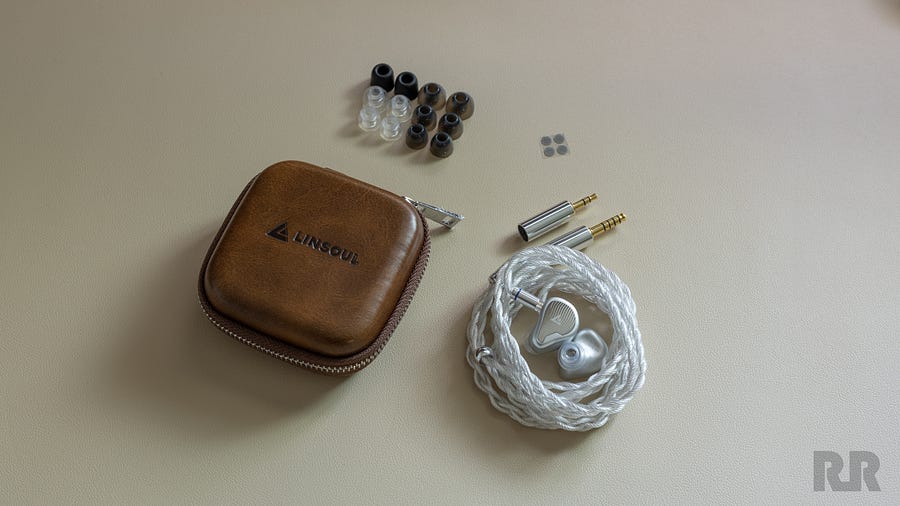
Inside the box, you’ll find:
- 1 semi-hard carrying case
- 1 pair of foam ear tips
- 6 pairs of silicone ear tips
- 1 modular 3.5 mm termination
- 1 modular 4.4 mm termination
- 2 pairs of replacement nozzle filters
The Avant comes with just about everything you need for a good listening experience right out of the box. A capable semi-hard carrying case, several pairs of silicone ear tips, and a pair of foam ear tips should help most listeners achieve a proper seal without purchasing additional accessories. Linsoul also includes two pairs of replacement nozzle filters, making it easy to swap them out if earwax or debris becomes an issue.
Curiously, the Avant doesn’t include a microfiber cleaning cloth, despite its fingerprint-prone aluminum finish. That would have been a welcome addition, especially for those of us who prefer to keep our IEMs looking pristine. Polished finishes can be notoriously unforgiving, and the Avant seems particularly enthusiastic about collecting fingerprints.
Listening
The Avant delivers tight, controlled bass with excellent texture but occasionally lacks physical impact. Richly mastered tracks like Geoxor’s “Hellscape” produce deep, satisfying rumble, while drier EDM productions such as Distant Matter’s “Drunk Wishing (Hairitage Remix)” sound surprisingly polite. On Breaking Benjamin’s “Down,” kick drums are well-defined but lack the tactile weight and lingering decay that bassier IEMs provide. The Avant prioritizes precision over sheer force, which works better with some recordings than others.
The midrange gives vocals and instruments convincing body, particularly bass guitars and drop-D riffs. On Manchester Orchestra’s “Never Really Been Another Way Out,” the Avant captures the recording’s dense wall of sound beautifully, although its relatively subdued upper mids can make complex passages feel slightly congested. More modern productions benefit from this tonal balance. My Chemical Romance’s “Summertime” sounds energetic and detailed, with subtle vocal textures and guitar nuances emerging naturally from the mix.
My initial impression of the Avant’s preproduction version at CanJam SoCal was that its treble sounded overly bright and sharp, but Linsoul has made meaningful improvements before launch. The upper frequencies now extend cleanly beyond 12 kHz, with impressive detail and minimal grain. On Red Hot Chili Peppers’ “Snow (Hey Oh),” cymbals and hi-hats retain their metallic character without becoming harsh, while the tambourine accents remain delicate and distinct. This is among the better MEMS implementations I’ve heard, demonstrating the technology’s resolving capabilities without the excessive sharpness that can undermine some competing designs.
Comparisons
Comparisons are selected solely based on what I find interesting. If you’d like to see additional comparisons, feel free to make a request in the comments below.
Xenns Tea Pro
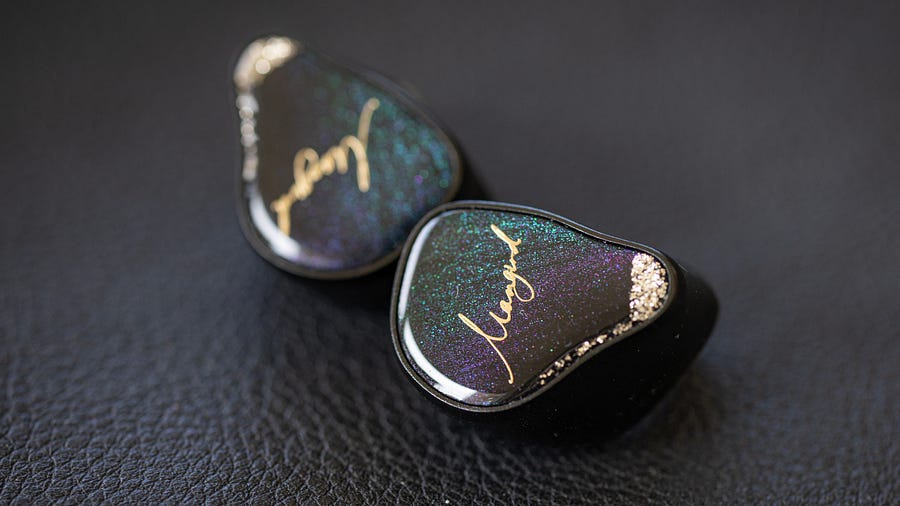
The Tea Pro is a cult-classic hybrid IEM featuring metal shells and a detachable modular cable. At $359, it costs $10 less than the Avant and is frequently discounted to around $315. The Tea Pro is slightly smaller than the Avant and features a somewhat longer nozzle, providing a deeper fit and better passive isolation in my ears.
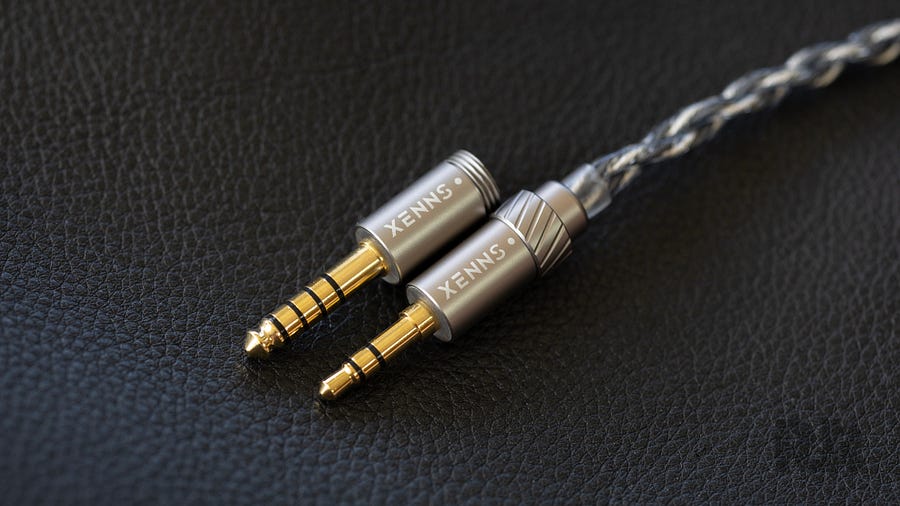
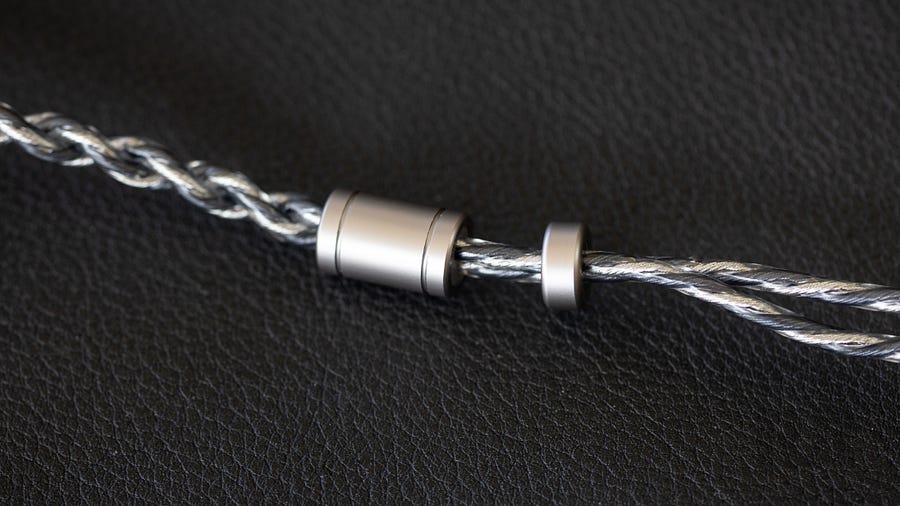
Sonically, the Tea Pro delivers fuller bass, a slightly cooler lower midrange, and brighter upper treble. Its low end has greater weight and extension, while the Avant offers tighter sub-bass control and a warmer, more textured midrange. That additional warmth can occasionally make the Avant sound somewhat dense, whereas the Tea Pro maintains a cleaner tonal balance.
The Tea Pro also creates a wider, airier soundstage, particularly on tracks like M83’s “Midnight City,” although its upper treble sounds slightly grainier and less refined than the Avant’s.
Ultimately, the difference in enjoyment is smaller than I expected. The Avant has the edge in control and tonal richness, but the Tea Pro delivers the energy and excitement I prefer for EDM. I expect to revisit the Avant, but it hasn’t displaced the Tea Pro in my collection.
Xenns Tea Pro SE

The Tea Pro SE is a limited-edition upgrade of the original Tea Pro, priced at $449 ($80 more than the Avant). Both IEMs feature all-metal shells and attractive stock cables, although the Avant’s modular connector is comparatively bulky and less secure. The Tea Pro SE includes a more extensive accessory package, but both offer a satisfying experience right out of the box.
Sonically, the Tea Pro SE has a warmer, more linear presentation, with softer bass impact and less mid-bass emphasis than the Avant. Its more subdued treble sacrifices some sparkle and air, while its reference-oriented tuning delivers less dynamic contrast. The Avant sounds more transparent and less congested, although its more varied frequency response comes at the expense of some cohesion. The Tea Pro SE counters with a more expressive midrange, doing a better job of resolving subtle vocal inflections and harmonies on Bring Me The Horizon’s “medicine.”
Both are technically capable IEMs, but I find the Avant considerably more engaging. Its combination of dynamic energy, tonal contrast, and resolving ability aligns more closely with my preferences, making it my choice over the Tea Pro SE. At $80 less, it also makes a stronger case for value, provided you can live with that frustrating modular cable connector.
HiSenior Mega7
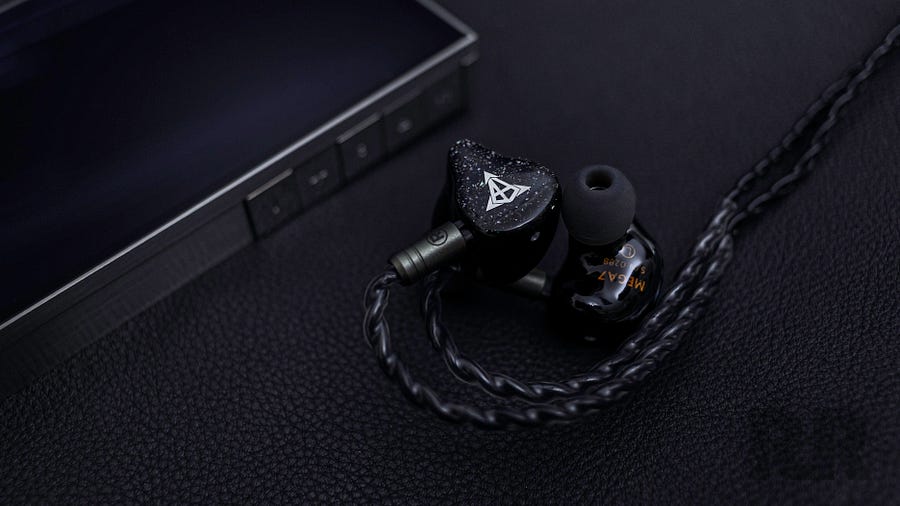
The Hisenior Mega7 is a reference-style hybrid IEM featuring resin shells and metal nozzles. At $450, it costs approximately $80 more than the Avant and includes a more extensive accessory package, most notably a matching USB-C DAC. Its longer, slightly slimmer nozzles allow for deeper insertion and better passive isolation, while the smaller, lighter shells make the Mega7 more comfortable during extended listening sessions.
Sonically, the Mega7 offers a smoother, cooler, and more relaxed presentation. Its bass is less pronounced than the Avant’s, although extension and control remain competitive. The Mega7 has a leaner lower midrange and more forward upper mids, while the Avant delivers greater energy across both the lower and upper treble. The Mega7’s occasional upper-treble peaks add some sparkle to an otherwise subdued presentation. Both IEMs offer excellent resolution, but the Mega7 sounds more transparent and composed during complex, densely layered passages.
These are two very different IEMs, and listeners seeking a more neutral, reference-oriented presentation will likely gravitate toward the Mega7 despite its higher price. The Avant offers greater low-frequency impact and a more engaging character without sacrificing much technical performance. My preference, however, is for the Mega7. It delivers the relaxed, reference-grade sound I’m looking for without adding excessive warmth or density to the midrange, something the Avant occasionally struggles with on warmly mastered recordings.
DUNU DN242
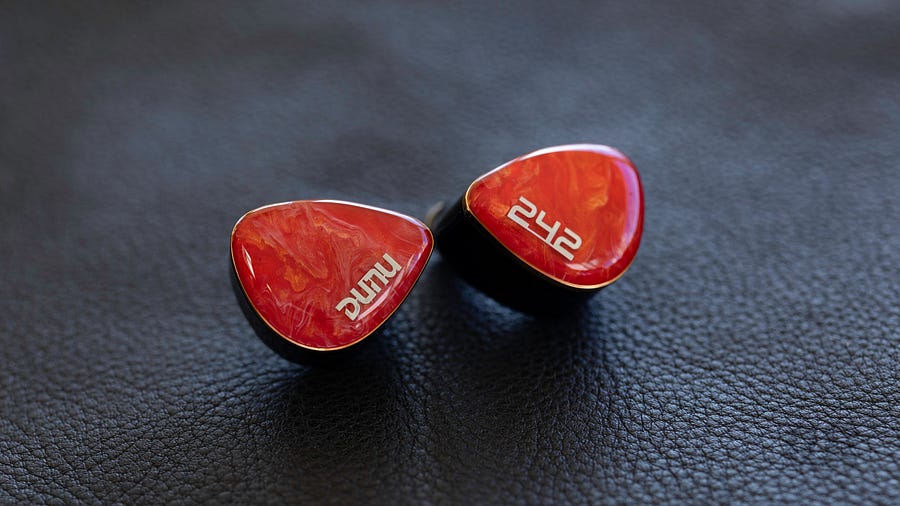
The DUNU DN242 is a resin-shell tribrid IEM featuring two micro-planar drivers, four balanced armatures, and two dynamic drivers. At $349, it costs $20 less than the Avant and includes a generous accessory package, with a wider selection of ear tips and a sturdier, if less attractive, cable.
Sonically, the DN242 has a more U-shaped presentation, with slightly less sub-bass, reduced mid-bass emphasis, and a similarly warm lower midrange. Its upper mids are more forward, while the substantially brighter treble gives it a sharper, occasionally sizzling character. Both IEMs offer comparable levels of detail, but the Avant is considerably more forgiving during extended listening sessions. Rock and alternative music work well with either model, although the Avant gives drop-D guitars and bass lines greater richness and weight. Its fuller low end also makes it the better choice for EDM, even if neither IEM is particularly exceptional with electronic music.
My preference is for the warmer, fuller, and less fatiguing Avant. Although it costs slightly more, I find its more refined tuning and solid aluminum construction worth the additional $20. The DN242 remains a capable alternative for listeners who prefer a brighter, more aggressive presentation, but the Avant strikes a better balance between technical performance and long-term listening enjoyment.
NiceHCK NX8 Ti

The NiceHCK NX8 Ti is an upgraded, limited-edition version of the original NX8. At $399, it costs $30 more than the Avant and features detachable metal nozzles, resin shells, and titanium faceplates. Its cable is chunky, to say the least, and lacks the softness and flexibility of the Avant’s. However, the NX8 Ti’s smaller, lighter shells provide better ergonomics, particularly during extended listening sessions or while walking around.
Sonically, the NX8 Ti has a more subdued bass response, a cooler lower midrange, and slightly more forward upper mids. Both IEMs have similar lower-treble energy, but the NX8 Ti exhibits a few more pronounced upper-treble peaks, giving it a slightly sharper edge. Neither sounds particularly harsh, although the NX8 Ti has more noticeable bite. Its leaner tonal balance also makes it less engaging on tracks where bass contributes significantly to the music’s impact and dynamics.
The NX8 Ti is certainly a technically capable IEM, but it lacks the excitement and versatility of the Avant. Linsoul’s warmer tuning, solid aluminum construction, and $30 lower price make it the more compelling choice for me. The NX8 Ti will appeal to listeners who prefer a leaner presentation, but I think most will find the Avant a better overall value.
Punch Audio Martilo
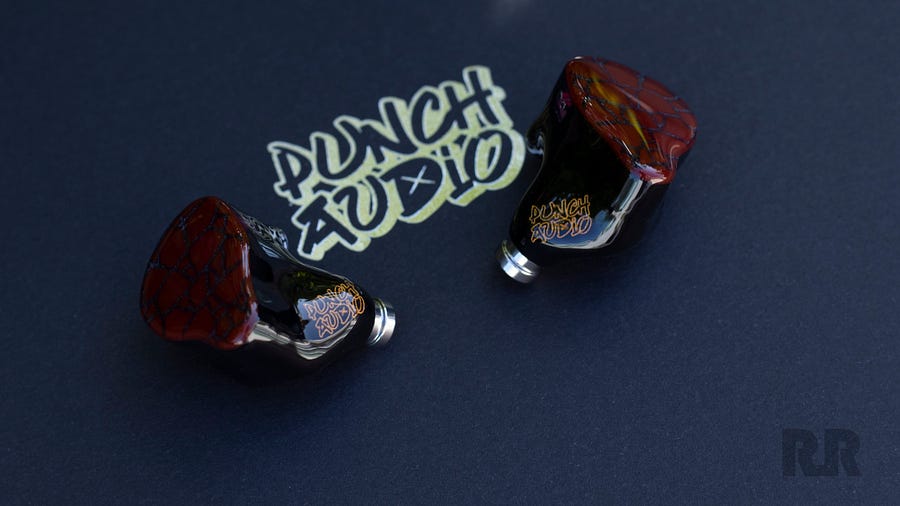
The Punch Audio Martilo is a resin-shell tribrid IEM with metal nozzles and a chunky modular cable. At $329, it costs $40 less than the Avant and includes a solid accessory package, trading some silicone ear tip options for a wider selection of foam tips. Both are well-built, although I find the Martilo more comfortable during extended listening sessions.
Sonically, the Martilo has a more pronounced U-shaped presentation, with substantially stronger sub-bass, slightly less mid-bass, and cooler mids. Its recessed lower treble and more prominent upper treble give it a less natural timbre, despite comparable technical performance. The Avant delivers greater richness and body with rock and alternative music, while the Martilo better captures the weight and decay of large drum hits, particularly on Shinedown’s “Cut the Cord.” Both perform well with EDM, although the Martilo favors deep sub-bass over the Avant’s more consistent mid-bass punch.
For general listening, I prefer the Avant. Its warmer, more balanced tuning works better across different genres and mastering styles, while its richer midrange avoids the occasionally sterile character of the Martilo. The Martilo will appeal to serious bass enthusiasts, but the Avant is the more versatile IEM for my preferences.
Kiwi Ears Astral
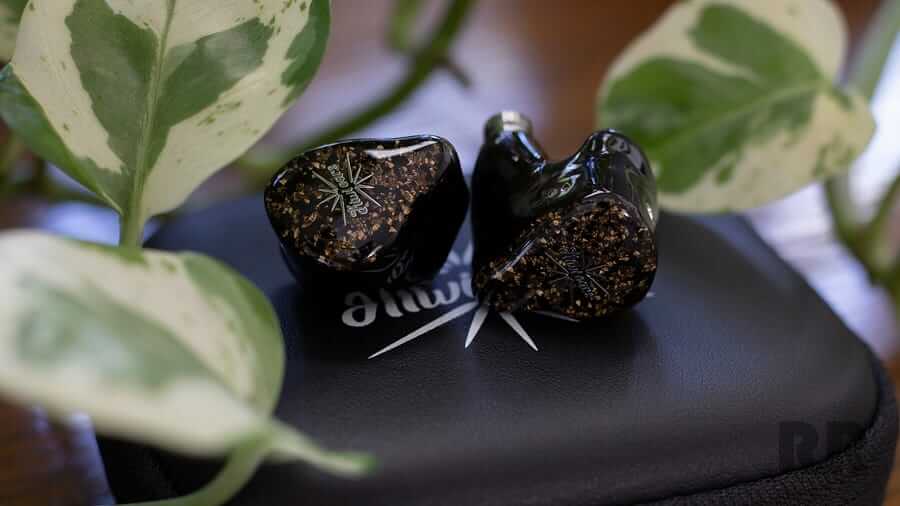
The Kiwi Ears Astral is a resin-shell hybrid IEM with metal nozzles and a detachable modular cable. Priced $70 below the Avant, it feels like the cheaper product at $299, with less comfortable ergonomics, less substantial construction, and a considerably smaller accessory package.
Sonically, the Astral has a more U-shaped presentation, with slightly elevated sub-bass, recessed mid-bass, and a cooler lower midrange. Vocals sound somewhat more forward, but a pronounced upper-treble peak around 10 kHz makes the overall presentation less cohesive and natural. On blink-182’s “EDGING,” cymbals and hi-hats sound splashy and sharp, while the Avant retrieves comparable detail with more convincing metallic decay and considerably less fatigue. The Avant also delivers greater midrange richness and more consistent bass weight, avoiding the Astral’s somewhat disconnected “half-bass” effect.
Despite its lower price, the Astral offers less value for listeners who share my preference for textured mid-bass and controlled treble. Its brighter tuning might appeal to those seeking greater high-frequency emphasis, but the Avant delivers a more natural, balanced, and enjoyable listening experience. For my preferences, the additional $70 is money well spent.
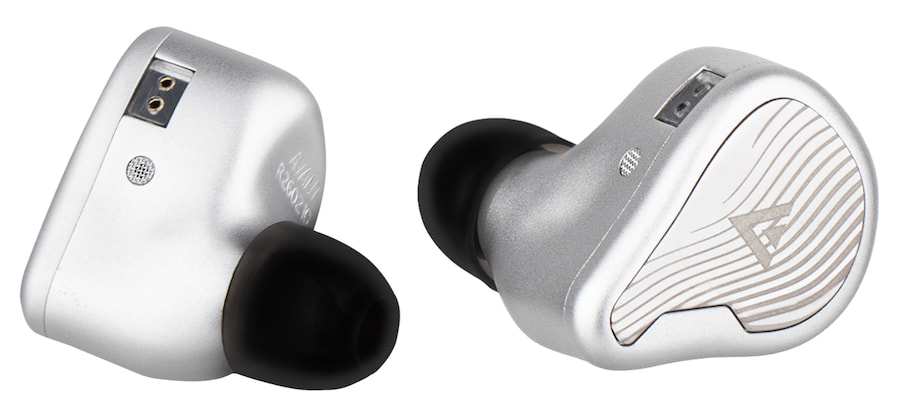
The Bottom Line
The $369 Linsoul Avant is a confident, if somewhat conservative, debut that succeeds by getting most things right rather than attempting to reinvent the midrange IEM category. Its premium aluminum construction, capable accessories, impressive resolution, and broadly appealing tuning make it a compelling option for listeners seeking a versatile IEM that handles different genres and recording styles without becoming fatiguing.
There are compromises, however. The Avant occasionally lacks the physical bass impact that more energetic recordings demand, its warmer presentation can make dense mixes sound congested, and the otherwise attractive cable is undermined by a frustrating modular connector. It competes convincingly with established favorites, but experienced IEM collectors may find it more familiar than groundbreaking. I enjoyed my time with the Avant and expect to revisit it, but it hasn’t displaced the Tea Pro in my collection. For Linsoul’s first IEM under its own name, that’s still an impressive achievement. The company has demonstrated that it knows how to build a competitive product; now I’d like to see it take a few more risks.
Pros:
- Airy, detailed treble without excessive harshness
- Natural timbre and strong resolution
- Premium aluminum construction and attractive design
- Versatile tuning across multiple genres
- Good selection of stock ear tips and accessories
Cons:
- Bulky, insecure modular cable connector
- Bass occasionally lacks physical weight and impact
- Subdued upper mids can make warm recordings sound congested
Our Ratings
★★★★★★★★★★ Sound Quality
★★★★★★★★★★ Build Quality
★★★★★★★★★★ Comfort
★★★★★★★★★★ Value
Where to buy
Related Reading:
- CanJam SoCal 2026 IEM Roundup: 35 In-Ear Monitors Tested From $75 To $8,000
- Linsoul Avant Is The Company’s First IEM, With 2DD, 3BA And MEMS Drivers For $369
- XENNS Mangird Tea Pro SE Review: A New Reference For Meta Tuned IEMs