
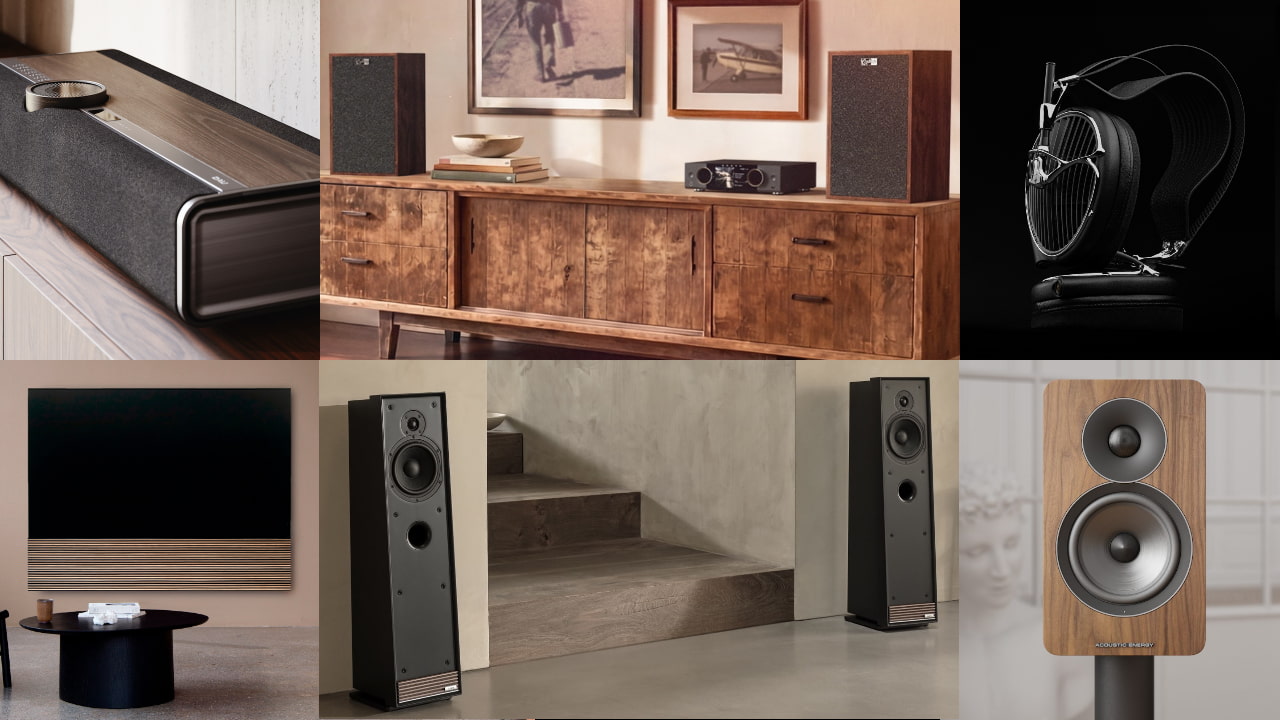
By most accounts, HIGH END Vienna 2026 was a success, and that is no small thing for an industry that could use some good news as we begin the slow crawl into summer. The move from Munich to Vienna was always going to be scrutinized, second-guessed, and overanalyzed by people who spend too much time arguing about cable elevators, but the first edition in Austria appears to have landed well. The rooms were busy, the product pipeline was stronger than expected, and manufacturers showed up with enough new hardware to suggest that high-end audio may finally be catching some tailwinds again.
Good. The industry needs them.
There are already five more shows on the calendar between now and September: T.H.E. Show SoCal, CanJam London, Audio Advice Live 2026, CanJam SoCal, and CEDIA. Audio Advice Live has become a more important stop this year, and I will be joining Chris Boylan in Raleigh in early August rather than covering SWAF in Dallas in late-July.
At some point, even editors need to recharge the batteries, spend time with their kids, clean up the house, paint a few walls, and fix whatever winter broke before summer arrives to break something else. The Jersey Shore is already preparing for its annual stress test: Netflix Studios construction, World Cup traffic threatening to paralyze half the Garden State, and the return of the Bennies, who descend every year like a seasonal weather event with beach chairs, parking issues, and questionable lane discipline.
So yes, I’m thinking very carefully about how to manage the rest of 2026 starting in late-July.
That is especially true when eCoustics is on pace for roughly 1,200 articles, videos, and podcasts in 2026. That puts us behind only What Hi-Fi? in terms of output, and well ahead of most of the specialist audio press. That kind of schedule is not powered by Austrian pastries and blind optimism. It takes planning, travel, editing, late nights, and a team willing to do the unglamorous work that most readers never really notice.
Nobody works harder than this team, and the addition of Al Griffin, Chris Chiarella, and Ryan Waniata in 2026 has only made it stronger.
HIGH END Vienna 2026 Proved There Is Life After Munich, Even With More Schnitzel and Viennese Caffeine

Editor-at-Large, Chris Boylan will have more to say in his Best of Show report, along with more video reports from HIGH END Vienna dropping this week. My focus here is slightly different. These are the 11 new products from the show that most caught my attention, the ones I most want to review when they become available, and the products that say something meaningful about where the market may be headed next.
Because there is a bigger point here.
The audio industry may be finding some momentum again, but it still needs to learn how to market itself without tripping over the same gold-plated rake. Not every new product is a “new reference.”
Arnold Schwarzenegger once said, “The worst thing I can be is the same as everybody else.” For the hi-fi industry, that might be the most useful Austrian export of the week. HIGH END Vienna 2026 proved there is still life in the category, but the brands that matter going forward will be the ones willing to stop sounding, looking, pricing, and marketing themselves exactly like everyone else.
The Dirty Eleven: 11 Vienna 2026 Products to Review
Acoustic Energy AE Active
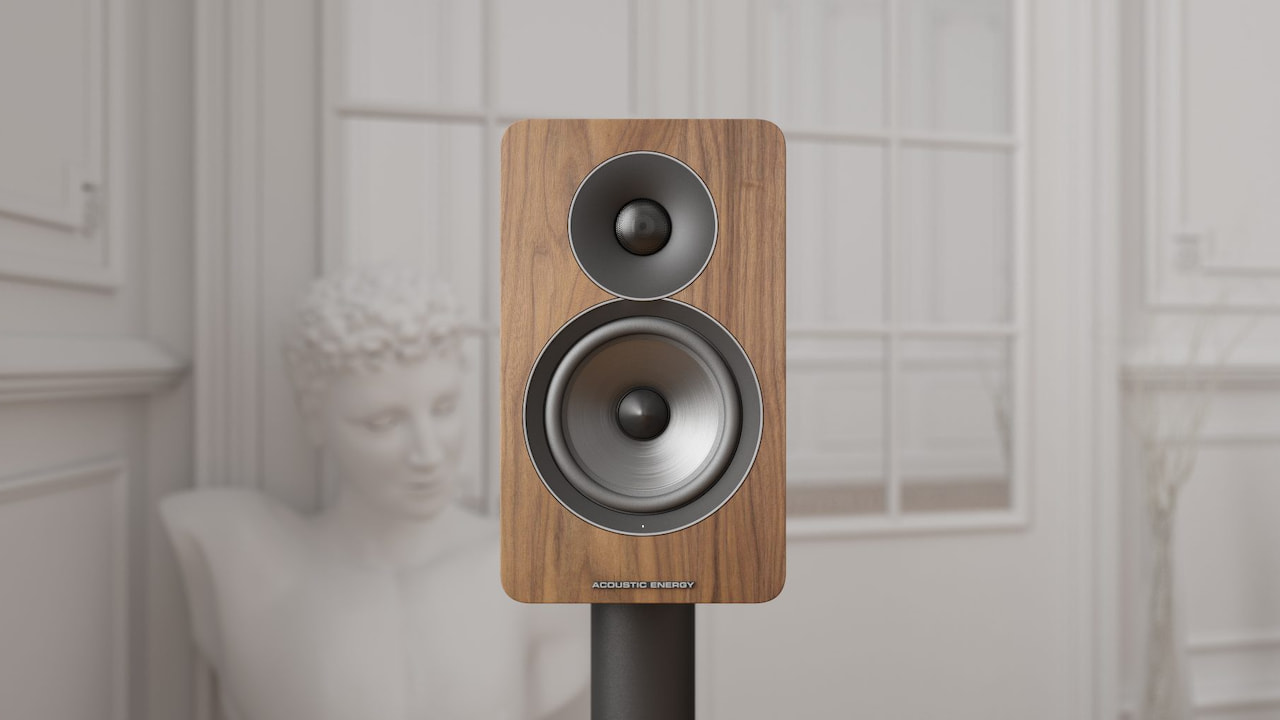
The Acoustic Energy AE Active is a fully analog active stand-mounted loudspeaker with Class A/B amplification, RCA and XLR inputs, room-trim controls, and an updated driver package that looks like a focused evolution of the AE1 Active.
That may sound almost quaint in 2026, which is precisely why I want to hear it. Most active speakers now arrive with apps, firmware updates, streaming platforms, Bluetooth logos, and enough software baggage to make you wonder whether you bought loudspeakers or adopted a small IT department. Acoustic Energy has gone in the other direction: wired inputs, analog signal path, onboard amplification, and a very clear focus on the box, the drivers, and the amplifier doing their jobs properly. Radical stuff, apparently.
I want to hear whether Acoustic Energy has improved on the AE1 Active without sanding down the speed, impact, and immediacy that made the original such a compelling compact loudspeaker. The real test will be placement, bass control, tonal balance at sane listening levels, and whether the room-trim controls are actually useful in smaller spaces, and not just switches added to make the rear panel look busy.
The other part of the review is the use case. The AE Active has a very limited number of inputs, so I want to hear how it interacts with the preamp sections in a range of network players and DAC/preamps. If the source/preamp pairing matters, and with active loudspeakers, it usually does — that needs to be part of the review, not an afterthought buried somewhere between “nice imaging” and “good for desktop use.”
Klipsch Rebellion
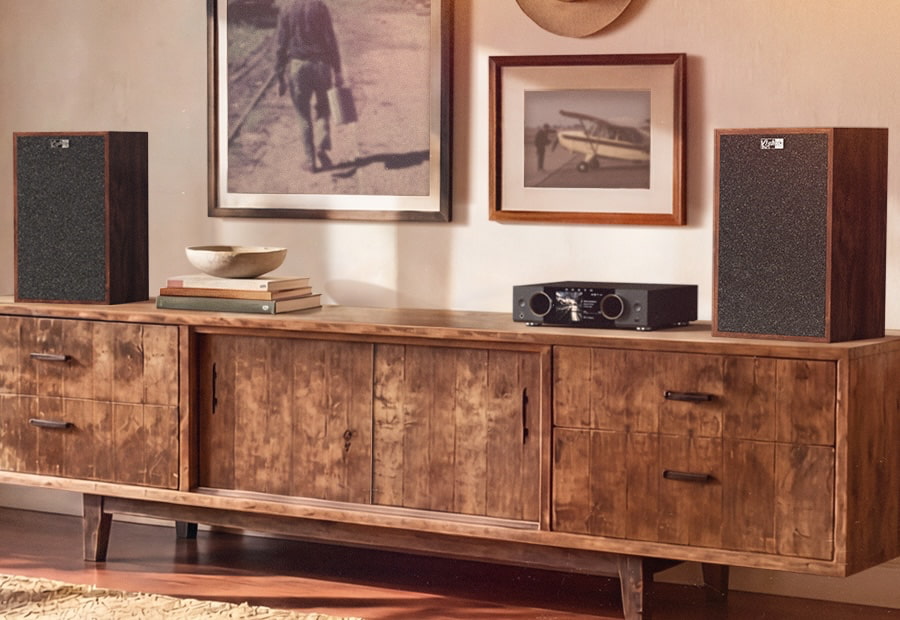
The Klipsch Rebellion is a premium Heritage-inspired standmount loudspeaker based on Paul W. Klipsch’s rare 1958 H8 design, using a K-702 tweeter mounted to a K-703 Tractrix horn with Mumps technology, a new K-81-EP woofer, and a rear Tractrix flare port.
Klipsch has been leaning hard into its 80th anniversary, and the Rebellion is far more interesting to me than another nostalgia badge glued to a walnut box. It is not cheap at $2,599 per pair, but the idea of a compact Heritage-flavored Klipsch loudspeaker that does not require La Scala real estate or a second mortgage has real appeal. The category needs speakers with high sensitivity, dynamics, personality, and some actual fun baked into the cabinet, because not everyone wants another polite rectangular box that sounds like it was voiced during a faculty meeting.
What I want to test is how flexible the Rebellion really is with amplification. On paper, this could be a very interesting match for everything from affordable Class D amplifiers like WiiM’s current crop, to older Class A/B integrated amps from NAD, Cambridge, and Rega, to tube integrated amplifiers from a wide range of manufacturers. The review has to find out whether the Rebellion keeps the Klipsch energy and immediacy without getting shouty, whether it can work in real rooms without punishing placement, and whether it has enough tonal refinement to win over listeners who like the Heritage attitude but do not want to live inside a live PA system.
Cambridge Audio Evo 300
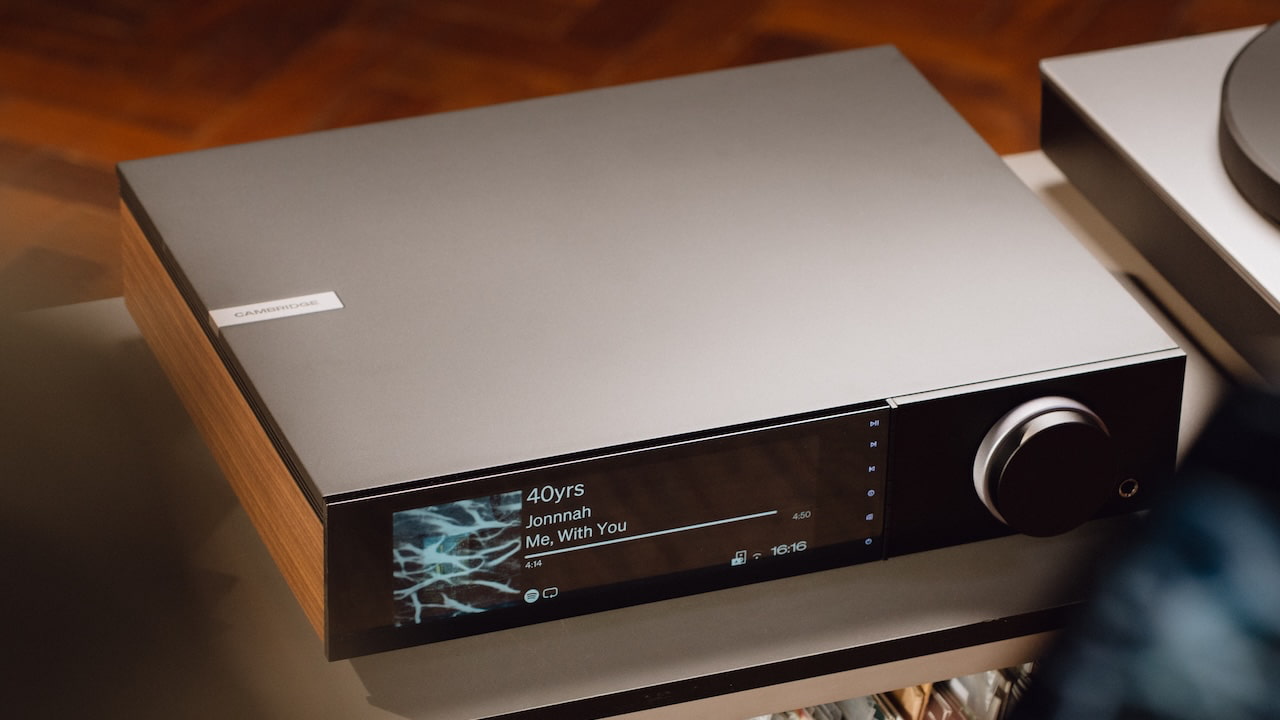
The Cambridge Audio Evo 300 is a 300Wpc streaming amplifier built around Hypex NCOREx power, StreamMagic Gen 4, HDMI eARC, MM phono, and the same basic “just add speakers and stop building equipment towers” argument that has made the Evo series so compelling.
The extra power is the headline, but it is not the only thing I care about. The Evo 75, Evo 150, and Evo 150 SE never really ran out of gas with the speakers I tried them with, including models from Q Acoustics, Acoustic Energy, PSB, Focal, and others. More power is rarely a bad thing, unless we are talking about politicians or subwoofers in apartments, but the Evo platform was already more capable than some people gave it credit for.
What I want to test is whether Cambridge has actually moved the amplifier section forward, not just added a bigger number to the brochure. Does the Hypex NCOREx implementation sound cleaner, faster, and more composed than the earlier Evo models? Is StreamMagic Gen 4 easier to use day to day? Does HDMI eARC behave properly with real TVs? Does the MM phono input feel like a serious part of the product or a convenience feature? The Evo 300 needs to prove that it is not just the Evo with more horsepower, but a more complete streaming amplifier for people who want fewer boxes without lowering their standards.
Canvas L
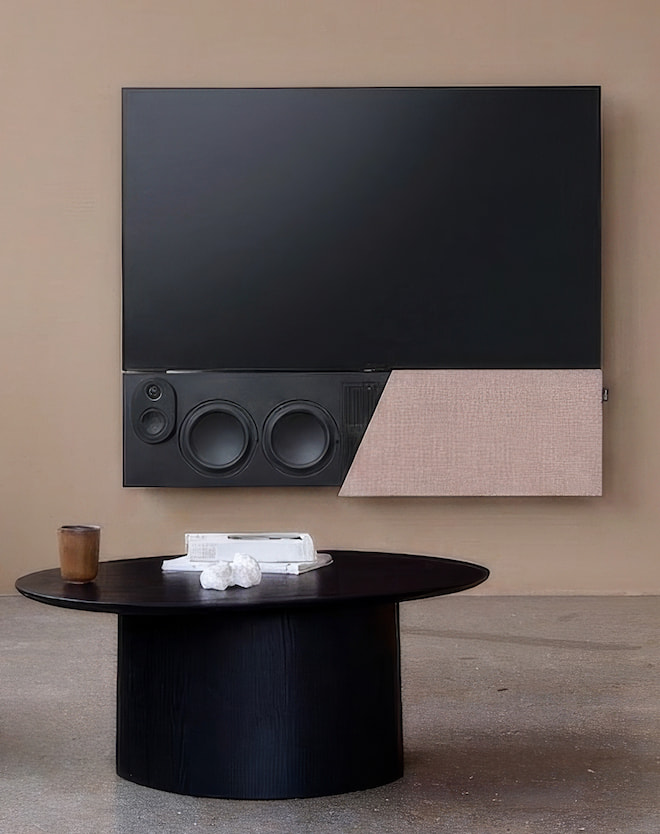
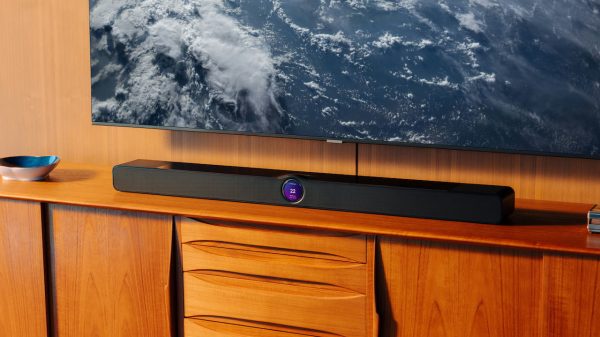
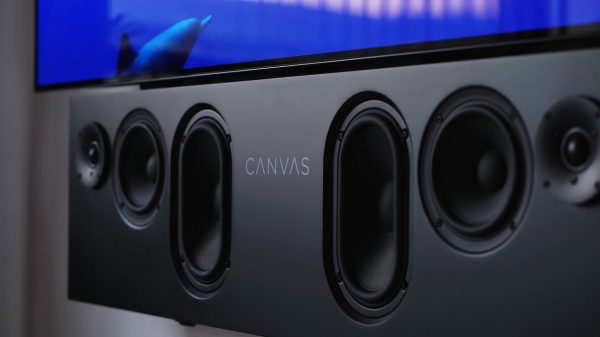
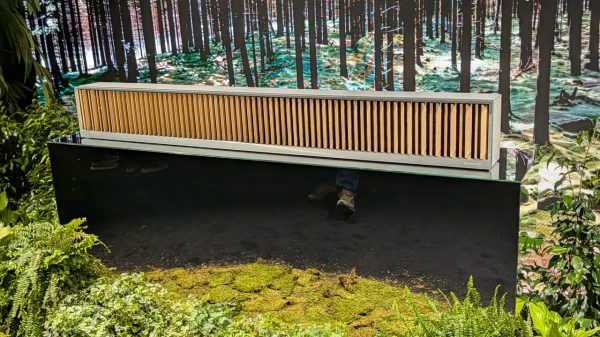
The Canvas L is a premium TV-mounted active speaker system that now supports larger screen sizes, offers more finish and grille options, and uses BACCH 3D+ processing to make the case that a very serious “soundbar” can replace a conventional front-channel system.
The price has gone up. A lot. That does not automatically make it a problem, but it does move the Canvas L into a very different conversation, especially when buyers can also look at strong active loudspeakers, compact 3.0 or 3.1 systems, and increasingly ambitious lifestyle audio products from brands with serious hi-fi credibility. The ability to pair it with larger TVs makes sense because that is where the market has gone, and I like the grille options because not everyone wants their living room to look like a demo room at an audio show staffed by people named Lars.
Can the Canvas L can actually replace a proper 3.0 or 3.1 system through output, tonal scale, dialogue clarity, center image stability, and BACCH 3D+ spatial processing — especially because there is no separate subwoofer in the system. I was a guinea pig for the original BACCH work at the lab in Princeton and at the designer’s home, and I have wanted this technology to work properly in a real consumer product for probably eight or nine years. The review has to answer the uncomfortable question: is this finally the elegant living-room solution that can satisfy movie and music listeners, or is it still asking too much from one very expensive box attached to a television?
DALI VEGA
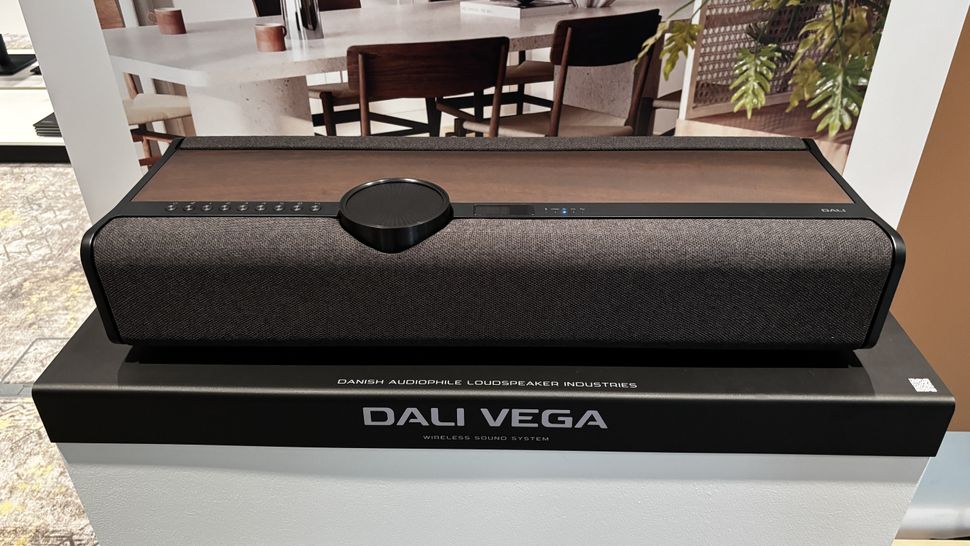
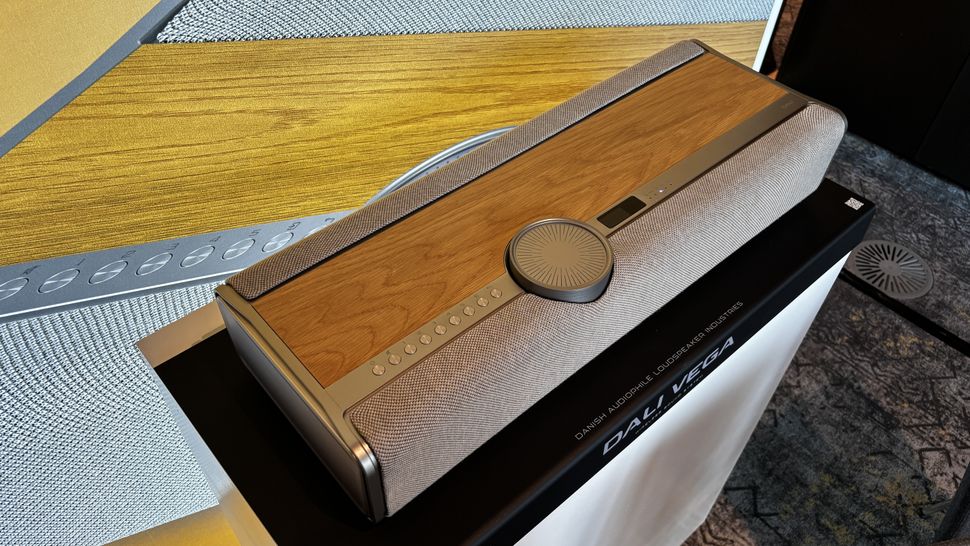
The DALI VEGA is a $4,500 single-box wireless hi-fi system with ten in-house-developed drivers, 400 watts of Class D amplification, BluOS streaming, HDMI ARC, AirPlay 2, TIDAL Connect, Spotify Connect, and adaptive processing that lets it work horizontally or vertically.
This type of system is becoming a real category, and I am perfectly fine with that. Products like the VEGA, Focal’s Mu-so Hekla, Canvas L, LIVEBOX, and Ruark’s larger all-in-one console systems are forcing people to pay attention because they are not just Bluetooth speakers with better tailoring. They are aimed at people who want serious sound without separates, speaker cables, and a rack that looks like it belongs in a regional airport control room.
The Naim influence is obvious; sorry, Salisbury, everyone found the big dial — but the category has moved beyond imitation. The Naim/Focal room at AXPONA 2026 was standing-room-only primarily because of the Mu-so Hekla demo, and people were not pretending to be impressed. They were impressed.
What I want to test is whether the VEGA can work as well in real rooms as it does on paper. The Adaptive Orientation Adjustment is not a gimmick if it can make the system sound convincing both horizontally on furniture and vertically on a wall, but that has to be tested with real placement compromises, not a brochure-perfect room with one chair and no family members. The dog can stay.
I want to hear whether DALI’s Adaptive Stereo Enhancement creates real width and scale without turning everything into processed vapor, whether the bass has enough weight without getting thick, and whether BluOS, HDMI ARC, presets, EQ, wall-distance adjustment, and that rather lovely control dial make the VEGA feel like a proper living-room hi-fi system rather than another expensive lifestyle object asking for Scandinavian forgiveness.
Eversolo DMP-A8 Gen 2
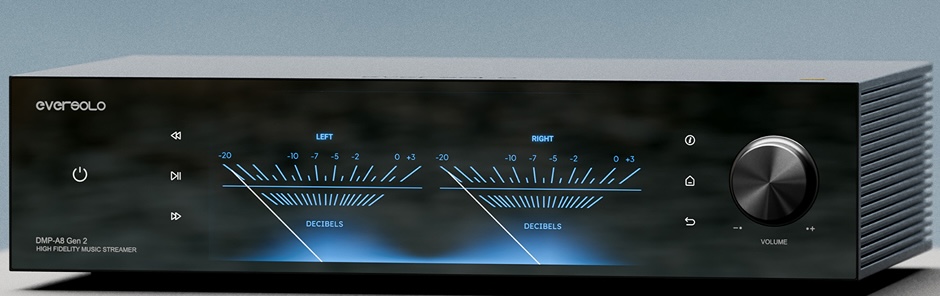
The Eversolo DMP-A8 Gen 2 is a digital hub that combines streaming, DAC, preamp, local music-server functionality, internal SSD support, HDMI ARC, subwoofer control, balanced analog outputs, AKM DAC architecture, Wi-Fi 6, and SFP fiber networking in one very polished box.
Eversolo has become a serious player in network audio because its products usually offer strong hardware, useful software, and a feature set that makes some more expensive streamers look a little thin. The original DMP-A8 already made a strong case as a flexible digital front end, so the Gen 2 is interesting because it appears to refine the platform rather than reinvent it. The move to AKM, the addition of SFP fiber networking, broader system-control features, and continued emphasis on local storage all suggest Eversolo understands that many listeners want one digital component that can handle streaming, files, TV audio, and preamp duties.
What I want to test is whether the DMP-A8 Gen 2 improves the parts that matter in daily use. Does the AKM-based DAC architecture change the tonal balance or presentation in a meaningful way? Is the preamp section good enough to drive active speakers or a serious power amplifier without making a dedicated preamp feel mandatory? Does SFP fiber networking offer a practical benefit in a real home network, or is it mostly there for the people who already own three Ethernet switches and strong opinions about optical isolation?
Meze Audio ARTA
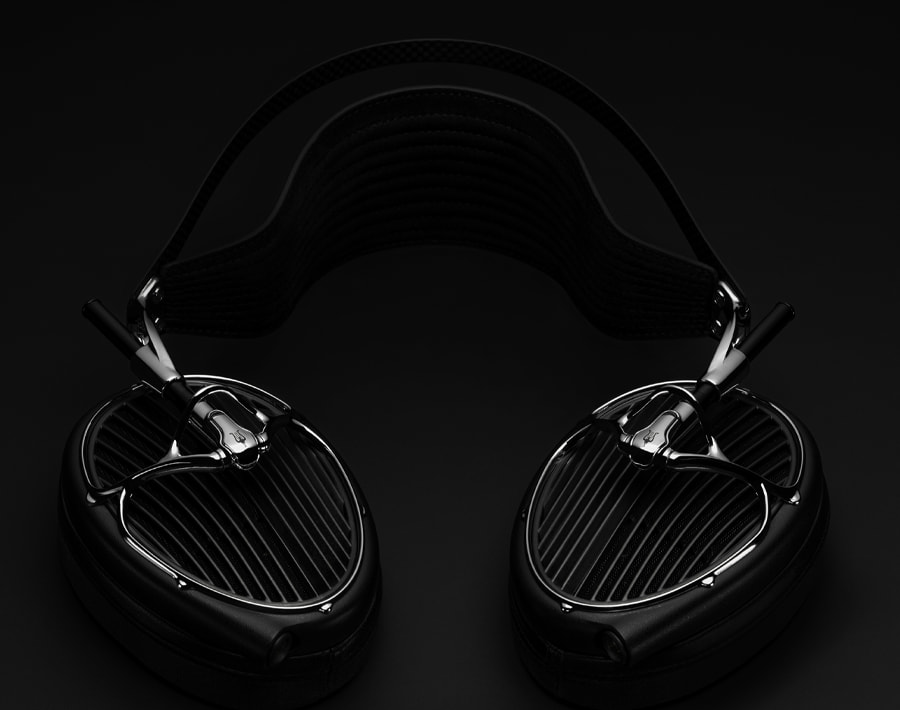
The Meze Audio ARTA is a $6,000 open-back flagship headphone built around a new 225-ohm Rinaro Isodynamic Hybrid Array driver, with the kind of industrial design, materials, and Romanian craftsmanship that have become central to Meze’s identity.
Having owned the Empyrean II for a few years, I can attest to how good Meze can be when it gets the balance right. The Empyrean II is brilliant from both a design and performance perspective: comfortable, beautifully made, musically generous, and far more than a piece of headphone jewelry for people who alphabetize their cables. That is why the ARTA interests me, but also why the price gives me pause. At $6,000, it is walking straight into the same rarefied air occupied by statement headphones from Audeze, HiFiMAN, ZMF, and others. The question is not whether Meze can build something spectacular. It can. The question is whether the ARTA can be thousands of dollars better in ways that matter.
What I want to test is whether we are getting too close to the sun in the head-fi space. If the ARTA is spectacular, I will be thrilled, because I have invested a lot of money and professional capital in this Romanian brand and still believe Meze brings something different to the category. But spectacular is now the entry fee at this price. I want to hear whether the ARTA delivers more resolution, scale, speed, tonal sophistication, and emotional pull than the Empyrean II without losing the comfort and humanity that make Meze special.
Compared with $1 million loudspeakers, perhaps a $6,000 headphone is a bargain even after you add the amplifier, DAC, source, cables, stand, and the quiet room you apparently now need to justify listening to music by yourself.
Questyle QMS System
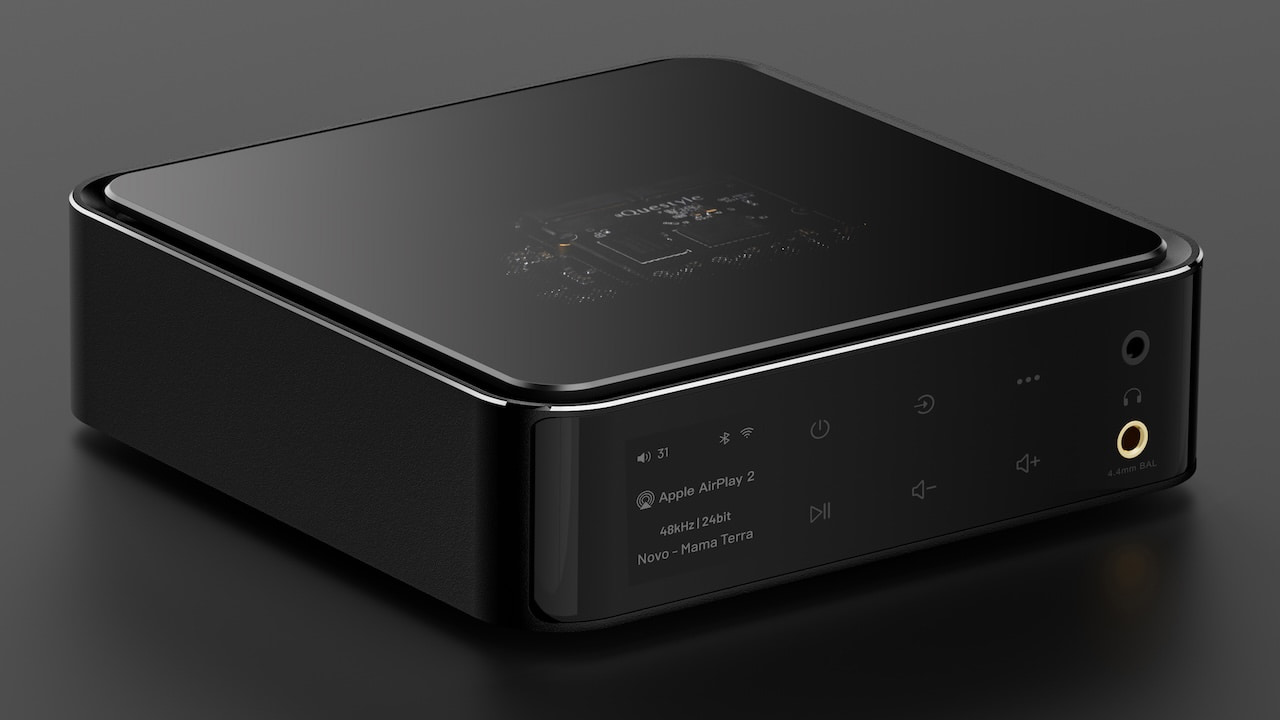
The Questyle QMS system pairs the iXStreamer with the E5 and E4 wireless active bookshelf speakers, using SEAS drivers, Wi-Fi 6, LDAC, aptX, HDMI ARC/eARC, and Questyle’s own DAC/amplification thinking to build a more serious lossless wireless ecosystem.
This will not be cheap, and nobody should pretend otherwise. Questyle makes superb products, even if not every one of them has landed on my “Best of” list, because the company usually tries to do something different rather than just chase the same safe feature set as everyone else.
What I want to test is whether Questyle can make the system feel like real hi-fi and not just another premium wireless speaker platform. The E5, especially the Oceanic Blue co-branded SEAS version, is the one I want in for review because the concept only works if the loudspeakers deliver proper imaging, scale, tonal balance, and low-latency stability with TV, streaming, and hi-res playback.
I also want to know whether the iXStreamer actually makes the ecosystem easier to use, whether HDMI ARC/eARC behaves properly, and whether Questyle’s current-mode DNA translates into active loudspeakers without turning the whole thing into an expensive proof-of-concept for people who already own three DACs and still claim they are “simplifying.”
Ruark R710
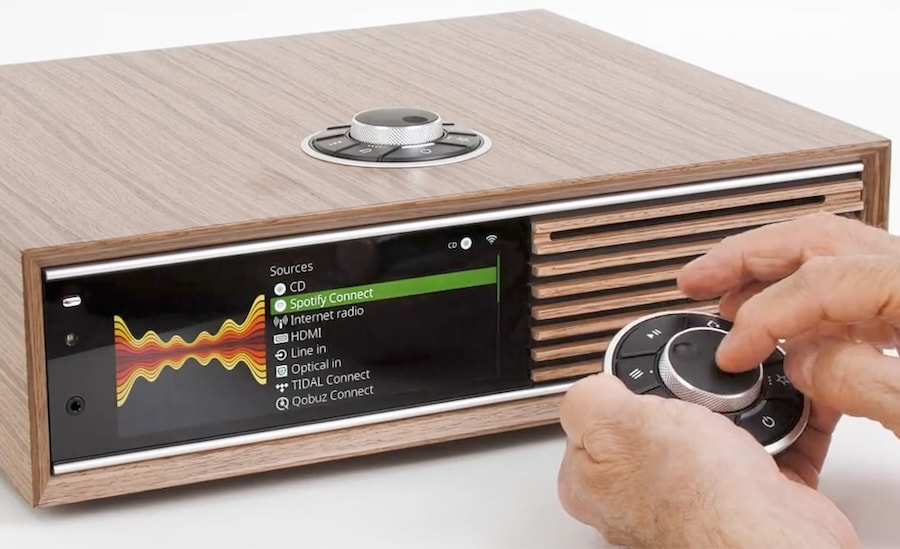
The Ruark R710 is a new CD hi-fi console in Ruark’s 100 Series, designed to sit above the R610 and work as a more ambitious all-in-one music system for listeners who still want CD playback, streaming, proper amplification, strong industrial design, and a system that does not require a rack of boring boxes.
I already heard the Talisman-R loudspeakers at a show, and they made a strong case for Ruark being far more than the company North American audiophiles seem determined to file under “nice radios.” But the R710 was the piece hiding in the wings, and that is the one that may tell us even more about where Ruark is headed. I have reviewed most of the brand’s recent kit, and the frustrating part is that it is consistently better than a lot of people on this side of the Atlantic seem willing to admit.
What I want to test is whether the R710 can finally make more North American listeners take Ruark seriously as a proper hi-fi brand, not just a lifestyle-audio company with good manners and better woodwork. The review needs to answer whether the R710 has enough amplifier control, scale, streaming stability, CD playback quality, and system flexibility to justify its position above the R610, especially with the Talisman-R as the obvious partner. Ruark has the design language, the usability, and the musical instincts. Now I want to know whether the R710 has the authority to make the “real audiophile gear” crowd stop smirking long enough to actually listen.
Ruark Talisman-R
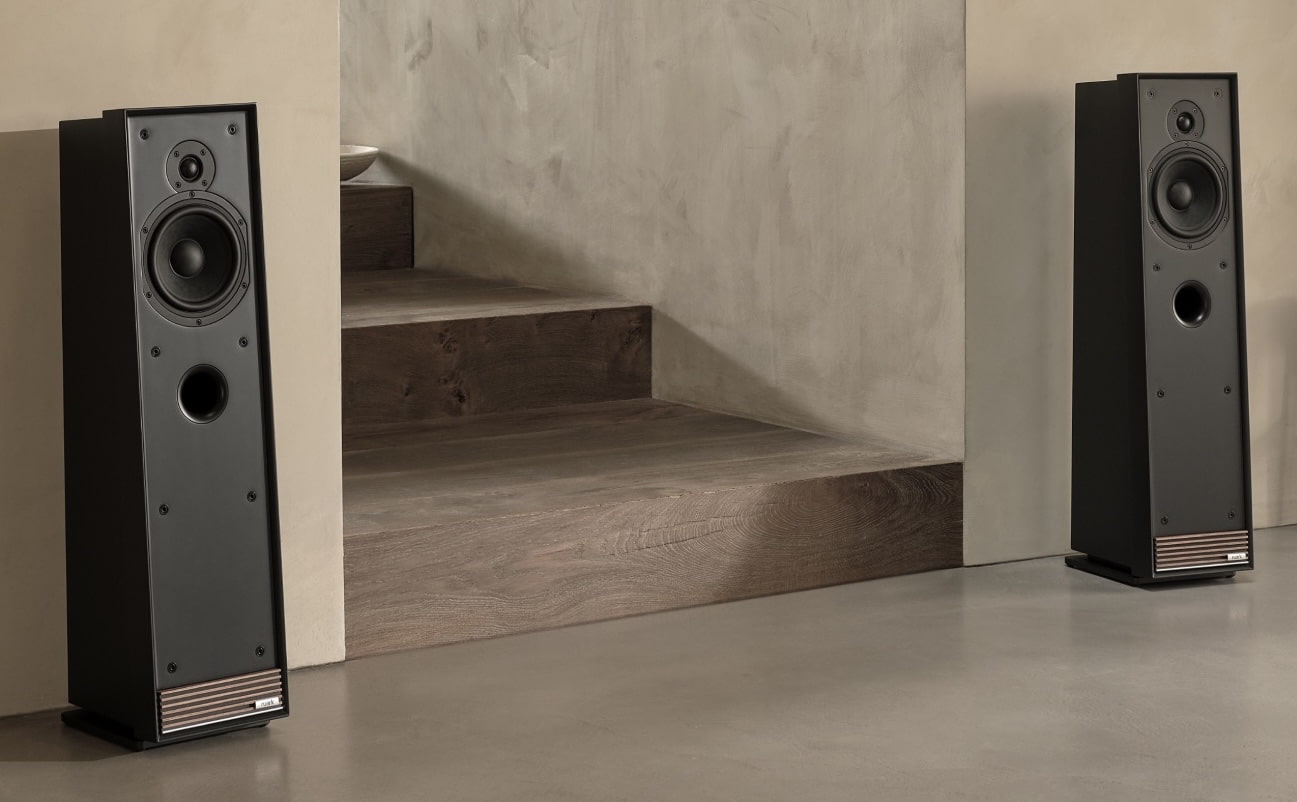
The Ruark Talisman-R is a compact two-way floorstanding loudspeaker; roughly 33.5 inches tall, rated at 87 dB sensitivity, with a 6-ohm nominal impedance that dips to 3.8 ohms, and Ruark recommends amplifiers between 50 and 250 watts.
Ruark is clearly positioning the Talisman-R as the natural partner for the new R710 CD hi-fi console, and that makes sense. But this speaker should not be treated as some locked-in accessory for one Ruark system. Those amplifier requirements open the door to a wide range of gear: modern Class D integrated amplifiers, older Class A/B amps, British integrateds with some grip and warmth, and better streaming amplifiers that need a compact floorstander with actual personality.
What I want to test is whether the Talisman-R is the Ruark product that finally makes more North American listeners stop treating the brand like a polite British radio company and start seeing it as serious hi-fi. If I had to pick a pair of speakers I am likely to buy by the end of 2026 for my new office, these, the Dynaudio Legend, and the DeVore Fidelity o/baby are the three strongest contenders. That is not a small compliment. I want to find out whether the Talisman-R has the tonal density, imaging, bass control, and amplifier flexibility to earn that spot — or whether I’m just being seduced again by British woodwork and my own terrible weakness for compact floorstanders.
iFi iDSD GR2
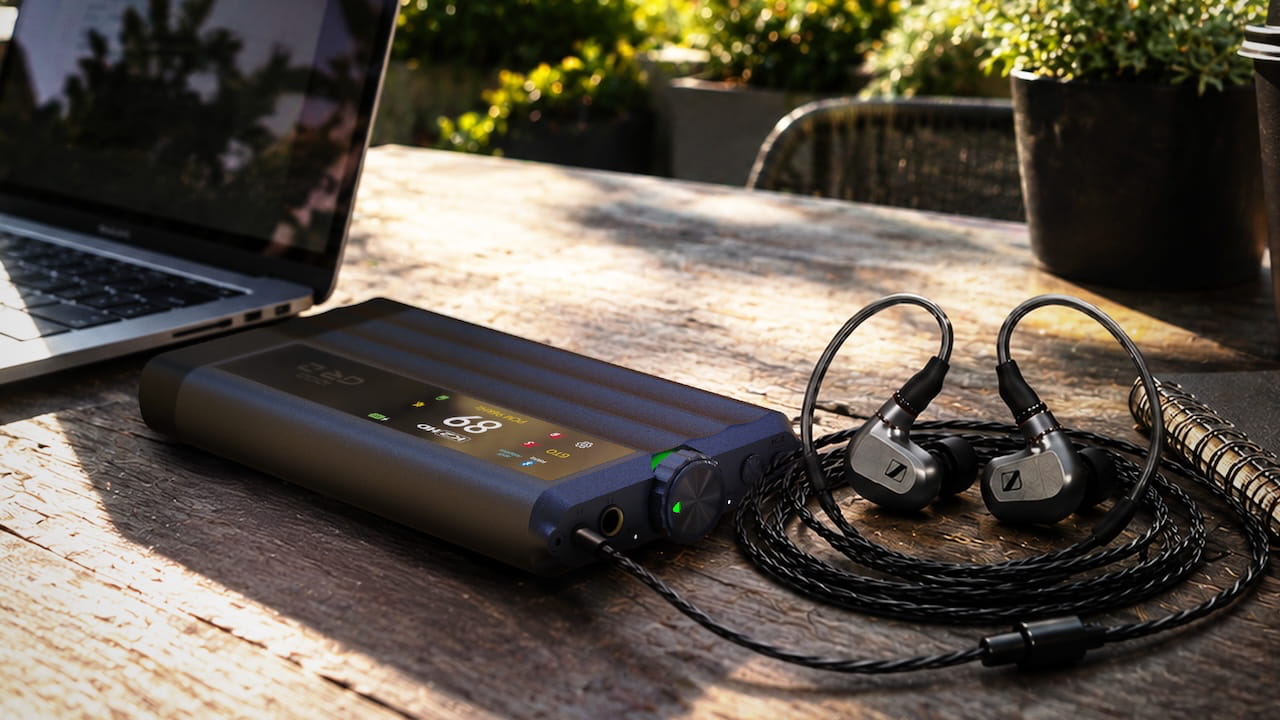
The iFi iDSD GR2 is a $529 portable DAC/headphone amplifier with a Burr-Brown PCM1795 DAC, USB-C and S/PDIF inputs, 3.5mm and 4.4mm headphone outputs, Bluetooth with LDAC and aptX Lossless, iFi’s Nexis app control, and up to 1,513mW RMS into 32 ohms.
iFi has been very good at making portable DAC/amps that feel overbuilt in the right ways, but the category has become crowded, aggressive, and surprisingly good at lower prices. That makes the GR2 interesting because it has to justify itself against dongles, desktop DAC/amps, and wireless headphones that keep getting better. The price is reasonable by iFi standards, and it is lower than the outgoing xDSD Gryphon, but $529 is still real money for a device that many people will carry around, drop in a bag, and eventually panic-search for under a car seat.
What I want to test is whether the GR2 still makes sense in 2026 as a serious portable hub. Does the Burr-Brown PCM1795 implementation deliver the tonal density and smoothness iFi fans expect without getting too soft? Is the output powerful enough for more demanding headphones without turning sensitive IEMs into a hiss festival? Does Bluetooth sound good enough to be useful rather than merely convenient? And does the Nexis app, touchscreen interface, battery life, and hybrid power system make the GR2 easier to live with day to day, or is this another portable box that sounds excellent but demands the patience of someone assembling IKEA furniture in the dark?
Related Reading:
- Read more High End Vienna 2026 Coverage
- JBL Debuts Summit Everest And K2 Flagship Loudspeakers At High End Vienna 2026
- ARCAM Turns 50 At High End Vienna 2026 With A50 Signature Amp And New CD25 CD Player
- Bowers & Wilkins Unveils 801 D5 Flagship Loudspeakers For $65,000. Perfection Refined?






















Peter Tomasino
June 14, 2026 at 11:26 am
Hello Ecoustics, love the content and Ian’s “special way with “descriptive evaluation approach” keep it coming.
Just curious if you are familiar with the Norway speaker company, Arendal, and if you might consider doing a review.
I am a new believer, after upgrading from my 30 year old B&W CDM 9NTs. Wow, what an upgrade. Check them out, I will be curious to your impressions vs the competion.
Enjoy the summer.
Looking forward to all the latest and coming reviews.
Thank you
Peter
Ian White
June 14, 2026 at 12:07 pm
Peter,
Appreciate that very much. We actually did a video with them at AXPONA 2026. We will be doing some reviews later this year.
IW