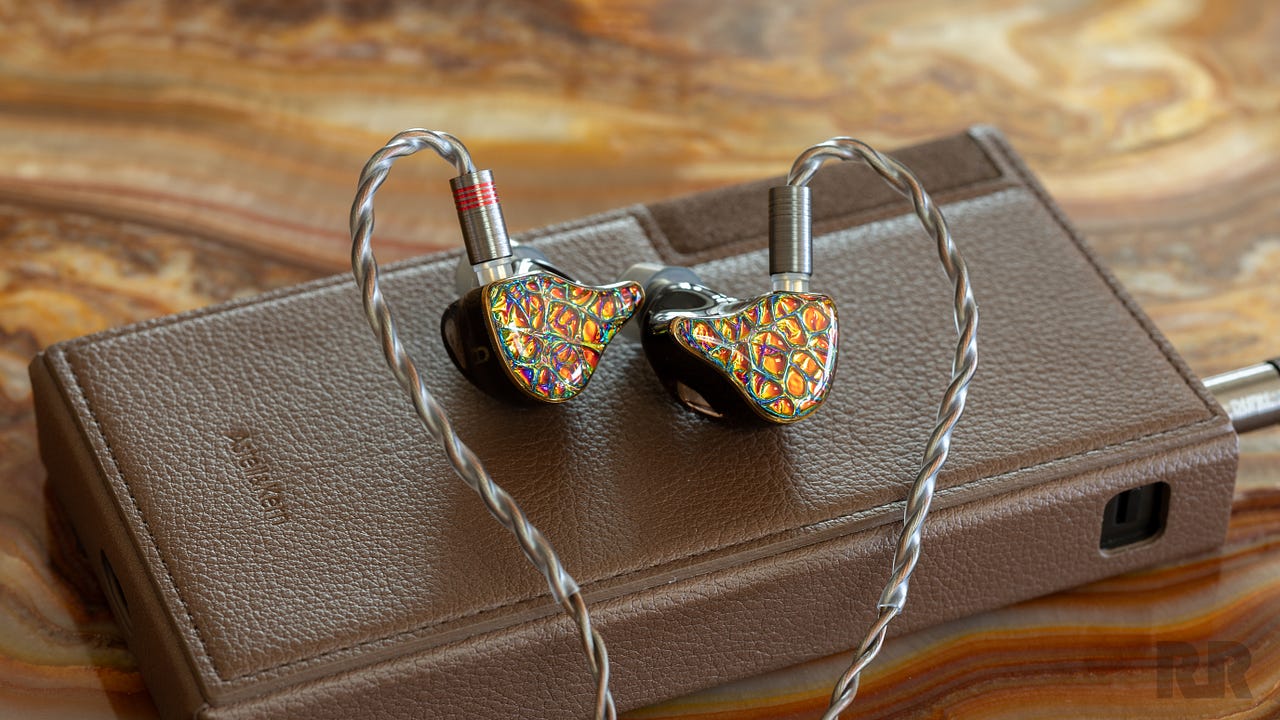
DUNU has built a strong reputation in the in-ear monitor (IEM) market, from old-school favorites like the DK3001 to more recent standouts like the Braindance. The company has also developed a particular interest in tribrid IEMs, introducing models such as the DN142, DN242, and now the DUNU PRS5. All three combine dynamic, balanced-armature, and planar drivers, bringing different technologies together in pursuit of better sound.
At $159, the PRS5 is the most affordable of the three, costing considerably less than its more expensive siblings. But combining multiple driver technologies doesn’t automatically guarantee better performance, and the competition in this price range is fierce. Has DUNU managed to deliver the detail, cohesion, and musical engagement of its more expensive models without the premium price, or have compromises been made along the way? Let’s get into it.
About My Preferences: This review is a subjective assessment shaped by my personal listening preferences. While I make every effort to minimize bias throughout the review process, it would be unrealistic to suggest that my own tastes have no influence on how I evaluate IEMs. With that in mind, here’s what you should know about my preferences when considering my impressions of the DUNU PRS5:
- My preferred sound signature combines convincing sub-bass extension, textured and controlled mid-bass, a slightly warm midrange, and extended, detailed treble.
- I have mild treble sensitivity, which can influence how I perceive IEMs with elevated upper-frequency energy, particularly during extended listening sessions.
- Testing equipment and standards can be found here.
DUNU PRS5 Key Specifications
- IEM Type: Wired, tribrid in-ear monitors
- Driver Configuration: 5 drivers per earpiece (1 dynamic, 3 balanced armature, 1 micro-planar)
- Dynamic Driver: 10mm, dedicated to bass and sub-bass
- Balanced Armature Drivers: 2 for midrange, 1 for upper midrange
- Micro-Planar Driver: 1 for ultra-high frequencies
- Crossover: 4-way hybrid physical and electronic design
- Impedance: 38 ohms
- Sensitivity: 110 dB/mW or 124 dB/V RMS at 1kHz
- Total Harmonic Distortion (THD): Less than 0.3% at 1kHz
- Cable: Detachable 4-core hybrid cable with single-crystal copper and silver-plated single-crystal copper conductors
- Connectors: Recessed 0.78mm 2-pin
- Termination: Q-Lock Mini modular system with 3.5mm single-ended and 4.4mm balanced plugs included
- Housing: Resin
- Weight: 8 g per earpiece
Related Reading:
- DUNU PRS6 Review: A $250 MEMS Tribrid IEM Built For Gamers And Detail Freaks
- DUNU DN142 Review: An Electrifying IEM That Delivers Big Energy For The Price
- CanJam SoCal 2026 IEM Roundup: 35 In-Ear Monitors Tested From $75 To $8,000
Build

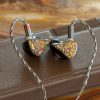
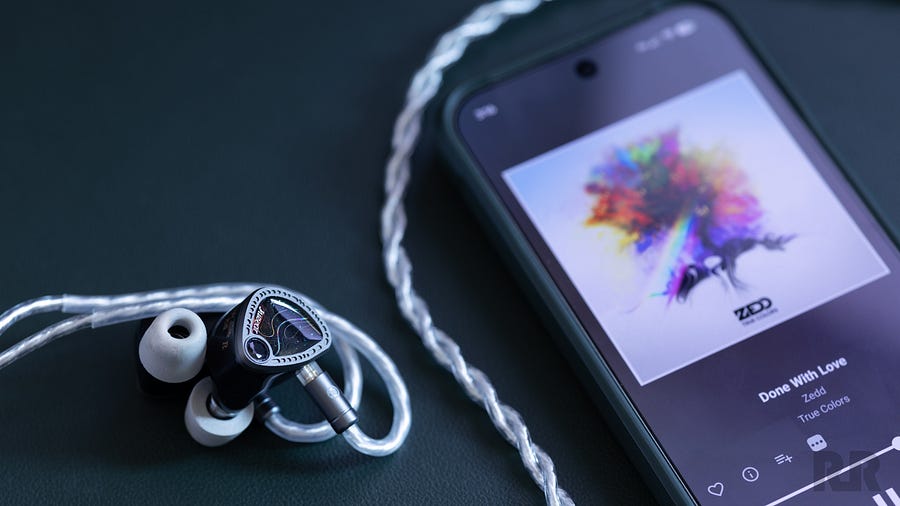
The DUNU PRS5 features all-resin shells with four sound tubes in each nozzle and 0.78mm 2-pin connectors along the top. The resin feels sturdier than that used by some competing IEMs, although I would have preferred metal nozzles. Resin nozzles can be more susceptible to cracking over time, particularly with repeated ear tip changes.
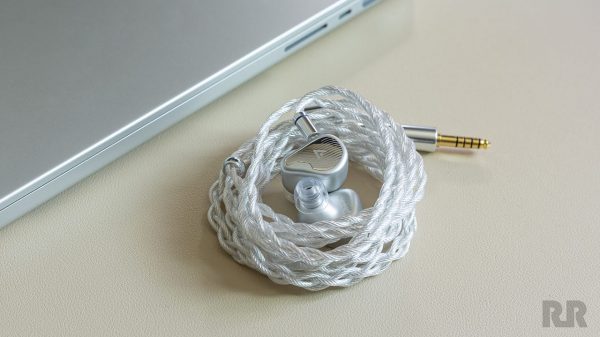
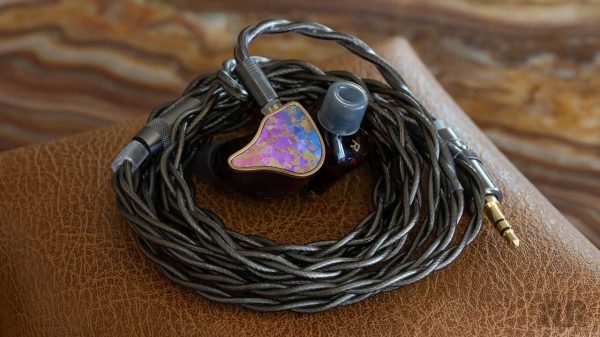
The PRS series shares a common cable design, featuring metal-housed modular terminations and generous strain relief. While the construction feels durable, the cable is slightly thinner than I prefer, and its somewhat tacky surface creates enough friction that it can easily catch or tangle during use.
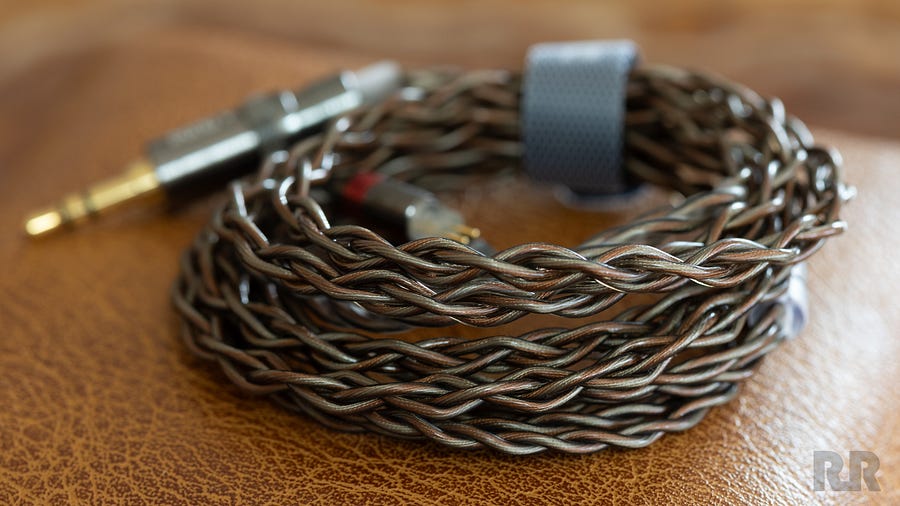

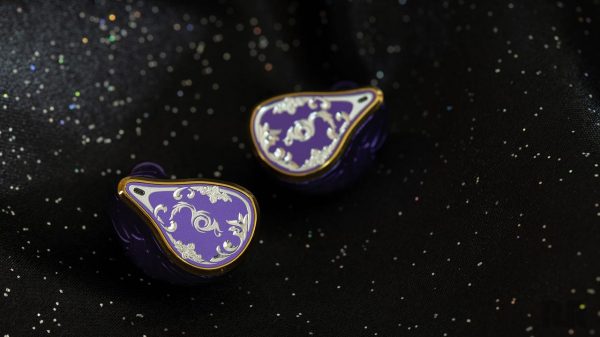
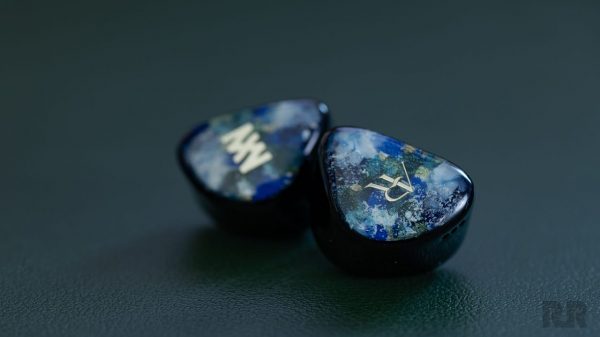
Aesthetically, I have to wonder whether DUNU had a cohesive design in mind when developing the PRS5. The faceplate is certainly eye-catching, if a little trippy, but it doesn’t mesh particularly well with the resin shell, cable, or carrying case. Each component looks good on its own, but together they feel more like parts selected from an existing catalog than elements thoughtfully brought together by a designer.
Accessories

Inside the box, you’ll find:
- 1x Semi-hard carrying case
- 4 pairs of DUNU S&S ear tips
- 6 pairs of standard silicone ear tips
- 1x IEM cleaning tool
- 1x 6.35mm (¼-inch) adapter
- 1x Standee
DUNU typically does a good job of providing a well-rounded accessory package, and the PRS5 is no exception. It comes with a new semi-hard carrying case featuring soft interior padding and enough room to comfortably accommodate the IEMs and both ear tip cases. I can even fit an ultra-slim digital audio player (DAP), such as the now-discontinued HiFiMAN SuperMini, inside.
The included ear tips are also thoughtfully selected, with a good range of standard-bore, semi-wide-bore, and DUNU S&S options. I found the S&S tips particularly well suited to the PRS5, providing excellent passive noise isolation and long-term comfort.
Listening

The DUNU PRS5 has a warm, rich sound signature that places particular emphasis on the midrange. Its elevated bass provides convincing depth and weight, while a moderately lifted upper midrange adds vocal clarity and instrumental separation. Treble is smooth and controlled, with enough upper-frequency energy to preserve detail without becoming overly bright.
The PRS5’s treble is, frankly, excellent. Compared with the DN142 and DN242, DUNU has delivered a smoother, less dramatic tuning that doesn’t sacrifice texture or expression. On “In For the Kill” by Kloud, hi-hats sound crisp and distinct without becoming irritating, a major plus given my treble sensitivity. Dense arrangements like “Bitter Sweet Symphony” by The Verve are similarly well handled, with layered instrumentation retaining clarity even as the music builds. The PRS5’s ability to resolve fine upper-frequency details while maintaining a natural, organic presentation makes it a strong contender in the sub-$200 category.
DUNU’s promise with its Pro Response Sound (PRS) lineup is exceptional midrange performance, and the PRS5 largely delivers. Its forward presentation combines warmth in the lower midrange with a healthy upper-midrange lift, giving vocals and instruments excellent presence and intelligibility. The tuning approaches what I would expect from a reference-style headphone, although with greater warmth and body. Particularly impressive is how smoothly the upper midrange transitions into the treble. A gentle dip around 4–5kHz helps prevent vocals and instruments from becoming harsh without making them sound overly soft or recessed.
Bass is another strength, with impressive sub-bass extension and a slight emphasis over the mid-bass. The response transitions smoothly into the warm lower midrange, maintaining depth without excessive bloom. On “Turbulence” by Neddie, deep bass effects hit with substantial weight and excellent control. It’s a more refined low-frequency presentation than I typically expect at this price, balancing impact with definition. The only minor drawback is that the relatively gentle mid-bass emphasis can leave some drum strikes sounding a little softer than I’d prefer. Still, the PRS5 delivers a convincing combination of bass authority, warmth, and control.
Comparisons
Comparisons are selected solely based on what I think is interesting. If you would like me to add more comparisons, feel free to make a request in the comments below.
DUNU PRS6
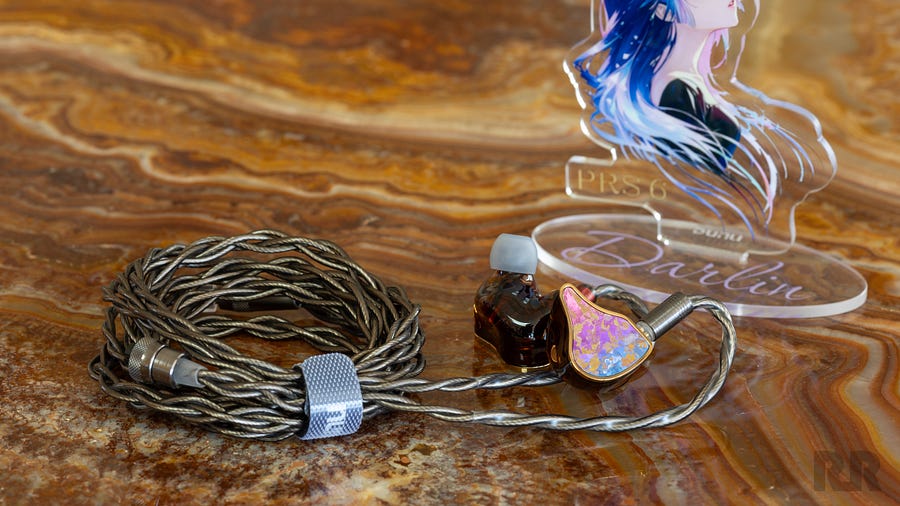
The DUNU PRS6 ($250) is positioned as the more “mature,” gaming-focused alternative to the PRS5, combining MEMS tweeters with a leaner, more midrange-forward tuning. Compared with the PRS5, it has less bass weight, a cooler lower midrange, more prominent upper mids, and slightly brighter lower treble. Upper-treble extension and presence are fairly similar, although the PRS6 pushes vocals farther forward at the expense of harmonic richness and body.
That tuning pays off in competitive FPS games, where the PRS6 offers better layering, positional precision, and resolution during busy passages. For music, however, the compromises are harder to ignore. The PRS5 delivers greater dynamic contrast, fuller bass, and a more engaging presentation across a wider range of genres. The PRS6 can sound lean and less expressive with certain recordings, making it a more specialized listening tool than an enjoyable daily driver.
While the PRS6 has a technical advantage for competitive gaming, I find the less expensive PRS5 considerably more satisfying for everyday music listening. Its balance of warmth, energy, and resolution makes it the more versatile choice, and the one I’d personally rather own.
DUNU DN142

The DUNU DN142 ($249.99) is a tribrid IEM released shortly before the PRS5, featuring resin shells, metal nozzles, and a thicker, softer cable. The PRS5 has a more compact carrying case and a comparable selection of ear tips, despite costing considerably less.
Sonically, the DN142 has a more V-shaped presentation, with similar sub-bass extension but less mid-bass impact and lower-midrange warmth. Its more forward upper midrange and brighter treble, particularly above 10kHz, produce a cooler, airier sound with greater contrast. However, it lacks some of the PRS5’s tonal richness and smoothness. On tracks like “Silent Picture” by Cage the Elephant, the DN142 can sound sharp, pushing hi-hats and cymbals farther forward than I’d prefer. The PRS5 handles these elements with greater restraint, resulting in a more cohesive and natural presentation.
The DN142 is technically capable and entertaining in its own right, but I find the PRS5 more enjoyable across a wider range of music. Its fuller mid-bass, warmer tonality, and forgiving treble make it particularly well suited to bass-heavy recordings without sacrificing clarity. Factor in the lower price, and the PRS5 offers a more compelling overall package. The DN142 may appeal to listeners who prefer a brighter, more energetic presentation, but I’d happily take the PRS5 and keep the savings.
DUNU DN242

At $350, the DUNU DN242 is considerably more expensive than the PRS5. While both use a combination of driver technologies, their tuning and overall presentation are quite different. The DN242 has a more U-shaped sound signature, with less sub-bass presence, slightly reduced mid-bass emphasis, and a cooler midrange. Its significantly brighter upper register brings subtle textures and details to the foreground, while the PRS5 offers a smoother, warmer, and more restrained presentation.
The DN242’s technical capabilities are impressive, but its emphasis on treble can become uncomfortably sharp and sibilant, particularly given my sensitivity to higher frequencies. On “Alone” by Our Last Night, hi-hats and cymbals sound exceptionally clear but have an aggressive edge that compromises tonal balance and cohesion. The PRS5 sacrifices some of that upper-frequency detail in exchange for a more natural and forgiving listening experience.
For electronic music, the PRS5’s fuller bass and greater low frequency impact make it the more engaging choice, and its smoother tuning works comfortably across my entire music library. The DN242 offers greater perceived detail and a more analytical presentation, but those strengths come with compromises I’m less willing to accept. Given my listening preferences, I’ll happily save nearly $200 and choose the PRS5.
EarAcoustic Audio Oshun
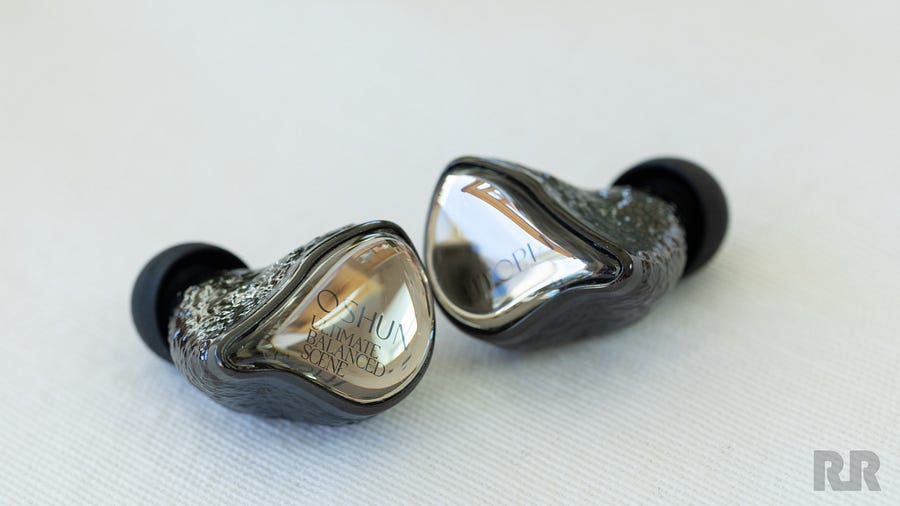
The EarAcoustic Audio Oshun ($179) is an all-metal IEM featuring a single dynamic driver per earpiece. Its construction feels sturdier than the PRS5’s resin shells, and its cable has a slightly more premium appearance. However, DUNU’s cable feels more durable and offers the advantage of well-designed modular terminations.
Sonically, the Oshun delivers a weightier, more bass-focused presentation, with deeper rumble and greater mid-bass impact. Its tighter, more tactile low end gives EDM and rock tracks additional depth and physical presence, although this comes at the expense of some openness. The Oshun also has a flatter midrange, with less prominent upper mids and a similarly warm lower midrange. Both IEMs sound rich and full-bodied, but the Oshun brings more heft to bass guitars and deeper drumbeats.
The PRS5 counters with brighter lower and upper treble, making subtle textures easier to distinguish and improving separation during complex passages. Overall technical performance is comparable, although I have a particular appreciation for the Oshun’s character and musical engagement. Its more durable construction, richer timbre, and superior bass performance make it my preferred choice, especially for electronic music and rock. The PRS5 remains an excellent alternative for listeners who value greater treble clarity and a slightly more open presentation, but for just $20 more, I’m taking the Oshun. It’s a close call.
Juzear Light Shuttle
The Juzear Light Shuttle ($189) is a relatively new tribrid IEM featuring resin shells and metal nozzles. The PRS5’s shells feel slightly sturdier, and its cable has a more premium feel despite the lower price.
Sonically, the Light Shuttle offers a flatter, leaner presentation, with less warmth and a more recessed lower midrange. This sacrifices some tonal richness but gives complex arrangements more room to breathe. Its upper and lower treble are also brighter than the PRS5’s, bringing hi-hats and cymbals farther forward without revealing significantly more texture or detail.
The biggest difference is bass performance. While the Light Shuttle can produce respectable sub-bass when it’s prominent in the recording, it struggles to match the PRS5’s depth, weight, and consistency. On “SHUT UP & SING (AG Rewrite)” by Greta Svabo Bech and “Butterfly” by Bassnectar, the PRS5 delivers satisfying rumble and mid-bass punch. The Light Shuttle manages some low-frequency presence on the former but sounds comparatively flat on the latter.
Listeners who prioritize a restrained, more neutral presentation may appreciate the Light Shuttle, but I find its leaner tuning less engaging with EDM and rock. The PRS5 offers a richer, fuller sound, slightly better technical performance in my experience, and greater versatility across genres. At $30 less, it’s my clear preference.
Binary Acoustics 1900

The Binary Acoustics 1900 ($235) is a hybrid IEM featuring resin shells and metal faceplates. It’s smaller and more ergonomic than the PRS5, with a cable that’s less prone to tangling. Both offer generous accessory packages, although I appreciate DUNU’s excellent selection of ear tips.
Sonically, the 1900 has a more restrained, gently V-shaped presentation compared with the PRS5’s warmer, fuller sound. It’s slightly cooler and brighter, offering improved clarity during complex passages. On “Midnight City” by M83, the 1900 creates a wider, airier soundstage, helped by its greater upper-treble presence and extension. The PRS5 counters with substantially more bass weight and control, delivering deeper rumble and more impactful mid-bass. While the 1900 offers a more balanced presentation for critical listening, it lacks some of the energy and excitement I want from electronic music.
I still appreciate the 1900 for quieter listening sessions before bed, but the PRS5 is the IEM I reach for more often. Its richer sound, greater dynamic contrast, and more engaging bass make it a better daily driver for my preferences. The significantly lower price is simply the cherry on top.
The Bottom Line
Affordable IEMs are getting remarkably good, and the DUNU PRS5 ($159) makes a convincing case for just how far the category has come. Its combination of rich, natural midrange, excellent vocal clarity, controlled bass, and smooth yet detailed treble delivers a level of musical engagement that challenges more expensive competitors. What makes the PRS5 stand out is its ability to balance warmth and low-frequency authority with impressive resolution, without becoming overly bright or fatiguing.
It’s not perfect. The occasionally soft mid-bass attack, tangle-prone cable, and resin nozzles leave some room for improvement. But those shortcomings do little to undermine an exceptionally versatile IEM that sounds engaging across a wide range of music. The PRS5 isn’t necessarily the most technically revealing option under $200, but it’s among the most enjoyable I’ve heard, and easily one of DUNU’s strongest value propositions. Great sound doesn’t always require spending more. DUNU clearly understands that.
Pros:
- Rich, weighty bass with impressive extension and control
- Excellent midrange resolution, natural timbre, and vocal clarity
- Smooth, detailed treble with excellent texture and minimal harshness
- Cohesive, engaging sound signature that works across multiple genres
- Generous accessory package with excellent DUNU S&S ear tips
Cons:
- Warmly mastered recordings can occasionally lack air and openness
- Soundstage can feel somewhat distant at lower listening volumes
- Dense passages can obscure subtle upper-frequency details
- Mid-bass attack can sound slightly soft with certain recordings
- Tangle-prone cable and resin nozzles leave room for improvement
Our Ratings
★★★★★★★★★★ Sound Quality
★★★★★★★★★★ Build Quality
★★★★★★★★★★ Comfort
★★★★★★★★★★ Value
Where to Buy:
Related Reading: