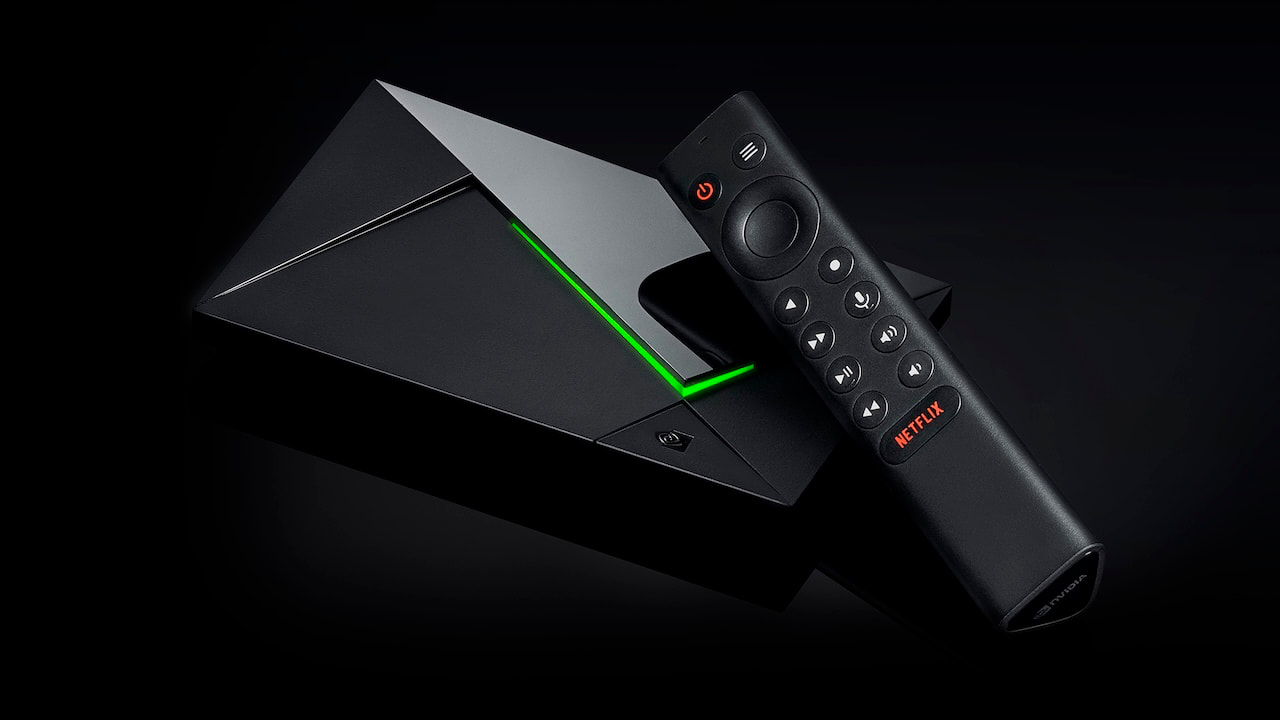
There are not many consumer electronics products that become 50% more expensive seven years after they were introduced without receiving a hardware upgrade.
The Nvidia Shield TV Pro has apparently decided to be one of them.
Effective October 2, Nvidia increased the U.S. price of the Shield TV Pro from $199.99 to $299.99, while the less expensive cylindrical Shield TV has been discontinued. The Pro model remains based on the same Tegra X1+ processor, 3GB of RAM and 16GB of storage introduced in 2019.
Nvidia told Ars Technica that “the cost of components, including memory, has increased substantially across the industry.” That explanation is credible; memory prices have risen sharply as AI data centers consume an enormous share of available production. Nvidia itself recently acknowledged “extreme pricing conditions in memory” and expects supply constraints to remain an issue.
There is some irony in the world’s most prominent beneficiary of the AI boom charging consumers another $100 because the AI boom has made memory more expensive. Somewhere, an accountant is enjoying this.
Related Reading:
- Amazon Fire TV Stick 4K (2026 Model) Gets Faster With Vega OS And New Remote
- Apple TV 4K Could Finally Get Siri AI, Wi-Fi 7 And A Much Faster Processor In 2026
Why the Nvidia Shield TV Pro Is Still Different
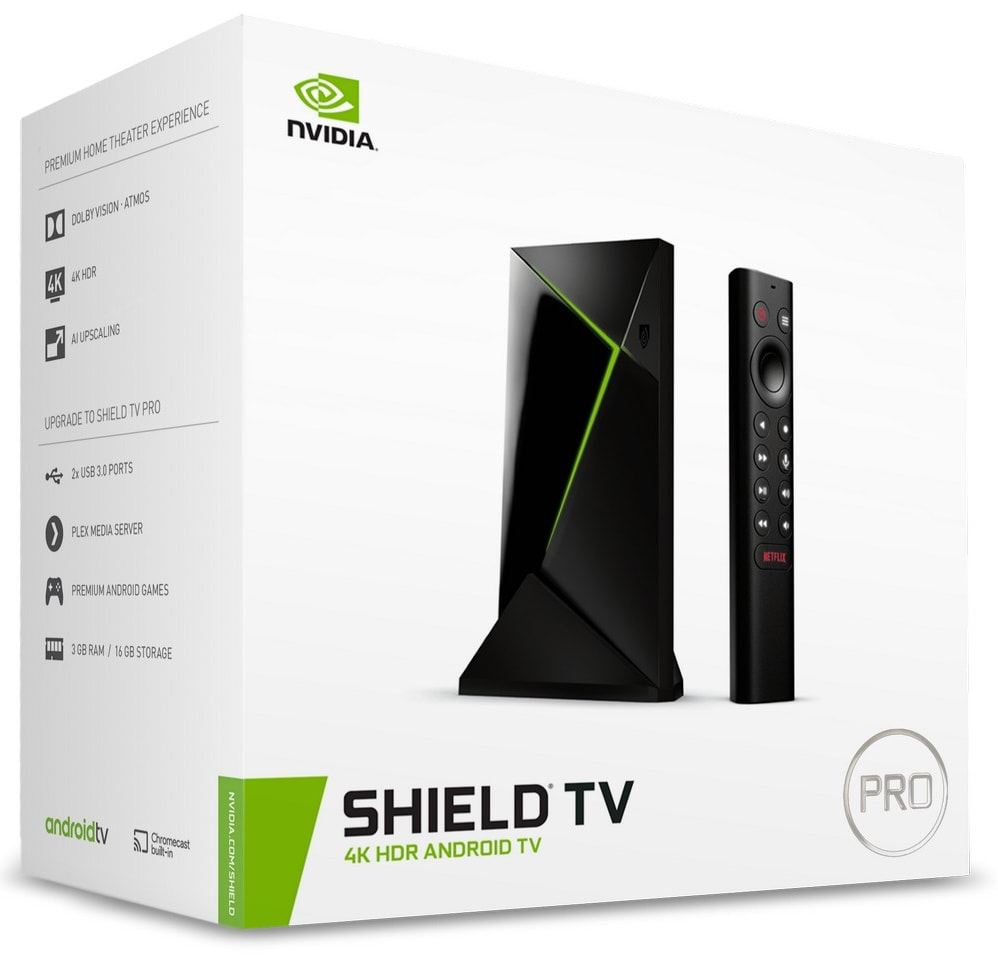
The problem for competitors is that the Shield TV Pro remains unusually capable even after seven years.
It supports 4K/60Hz video, Dolby Vision, HDR10, Dolby Atmos, Dolby TrueHD passthrough, DTS-HD and DTSpassthrough, along with high-resolution audio up to 24-bit/192kHz.
It also includes Gigabit Ethernet, two USB 3.0 ports, expandable external storage, Plex Media Server, Chromecast 4K, GeForce NOW cloud gaming and Nvidia’s AI-enhanced 4K upscaling.
That combination is why the Shield has survived long after most streaming boxes from 2019 became drawer filler. For Plex users, people with large local media libraries, and home theater systems built around an AVR or processor, its broad codec support and lossless audio passthrough remain difficult to replace with one inexpensive box.
Netflix was never the reason to spend $200 on a Shield. It certainly isn’t the reason to spend $300.
Seven Years Is Still Seven Years
Longevity is admirable, but Nvidia has not suspended the laws of technological aging.
The Shield TV Pro still uses HDMI 2.0b rather than HDMI 2.1, 802.11ac Wi-Fi rather than Wi-Fi 6 or Wi-Fi 7, and only 16GB of internal storage. Nvidia’s published specifications include H.265/HEVC, VP9, H.264 and several legacy formats, but not hardware AV1 decoding, which has become increasingly common on newer streaming devices. HDR10+ is also absent from Nvidia’s listed HDR support.
That becomes harder to overlook at $299.99.
Amazon’s brand-new Fire TV Stick 4K (2026) costs $59.99 and adds Wi-Fi 6, AV1 decoding, Amazon’s new Vega OS, Alexa+ and Direct Power, which allows the stick to draw power from a compatible television’s USB port instead of requiring another wall adapter.
Roku’s current lineup starts at $39.99, while the Streaming Stick Plus costs $59.99, the Dolby Vision-equipped Streaming Stick 4K is $79.99, and the Roku Ultra is $149.99. The Ultra adds Wi-Fi 6, Ethernet, USB, Dolby Vision and Dolby Atmos and remains Roku’s closest conventional competitor to the Shield.
Even those Roku prices sting more than they did a few months ago; Roku also increased them this summer because of rising memory and component costs. Apparently AI has discovered the television stand and intends to invoice everyone.

And Then There Is Apple
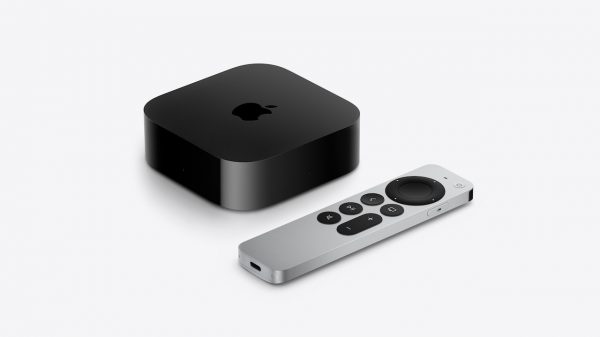
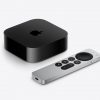
We have been waiting all year for Apple to replace the third-generation Apple TV 4K from 2022, and that wait may finally be ending.
Bloomberg reports that Apple plans to unveil a new Apple TV set-top box on October 13, 2026, alongside its broader smart-home push. Apple has not announced the product yet, but reports point toward substantially faster processing, more memory, Apple’s N1 wireless chip with Wi-Fi 7, and hardware capable of supporting its next generation of Siri and Apple Intelligence features.
The existing Apple TV 4K starts at $199, while the 128GB model with Gigabit Ethernet costs $249.
If Apple actually delivers the expected hardware upgrade anywhere near those price points, asking $300 for a Tegra X1+ streamer introduced during the first Trump administration becomes an increasingly difficult conversation.
The Bottom Line
The Nvidia Shield TV Pro has earned its unusually long life. Its combination of Plex Media Server, USB expansion, Gigabit Ethernet, lossless surround passthrough, broad local-media support, AI upscaling and GeForce NOW still makes it unique among mainstream streaming players.
But uniqueness is not the same thing as immunity from comparison.
At $199.99, the Shield TV Pro was expensive but defensible for enthusiasts who actually needed those capabilities. At $299.99, Nvidia is asking another $100 without adding AV1, HDR10+, Wi-Fi 6, HDMI 2.1, additional storage or a newer processor.
For existing Shield owners, that may be the strongest argument for keeping the one you already have. For everyone else, Amazon and Roku have newer and dramatically less expensive options available now, while a new Apple TV 4K appears to be days away.
Seven years of software support deserves applause.
Seven-year-old hardware appreciating by 50% deserves something else.
Where to buy:
Related Reading: