Disney bought the movie studio, the film library, and a large chunk of Fox’s Hollywood muscle in 2019, but Fox Corporation did not exactly retreat to a rocking chair. It kept news, sports, broadcast television, and eventually built Tubi into a serious free-streaming player. Now Fox is making a much bigger move: a $22 billion agreement to acquire Roku, putting the company much closer to the TV home screen, the ad dollars, and the moment when viewers decide what they are going to watch before Netflix, Disney+, YouTube, or anyone else gets a shot.
Fox Has the Content, Roku Has the Front Door
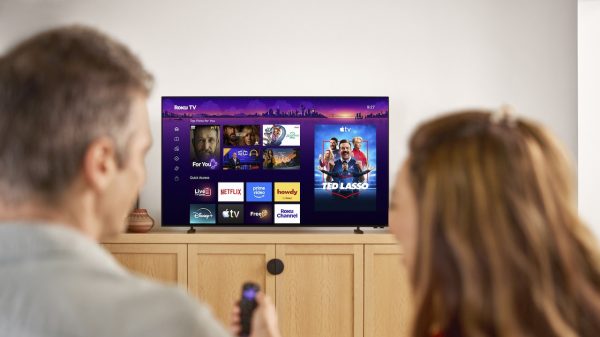
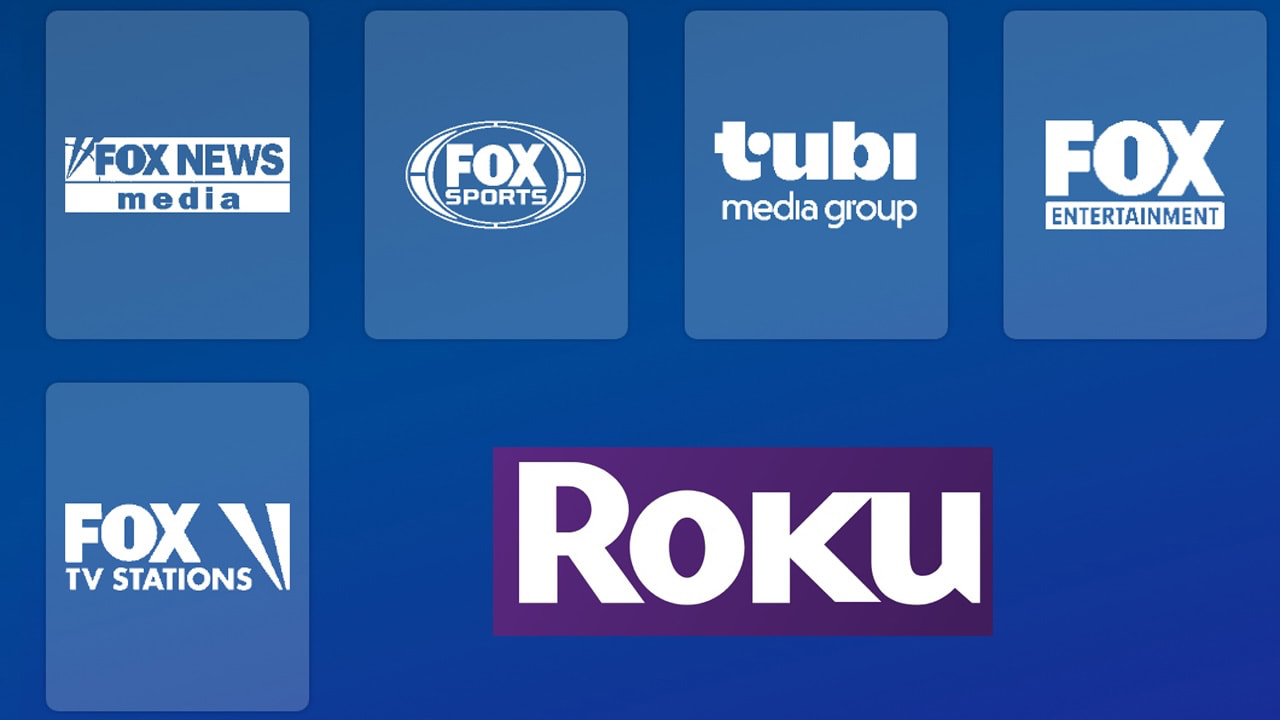
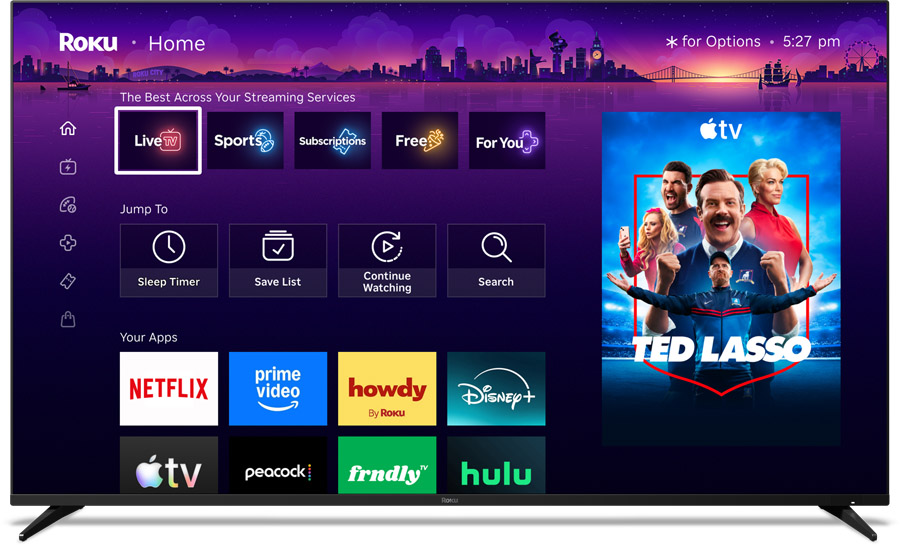
This unexpected deal brings together FOX’s news, sports, Tubi streaming service, entertainment assets, and owned-and-operated television stations with Roku’s connected TV platform. That includes Roku streaming players, Roku-branded and licensed TVs, The Roku Channel, Howdy, first-party data, and a direct relationship with more than 100 million global streaming households.
Combined, FOX and Roku would create a scaled media and technology company positioned at the intersection of two forces reshaping video: the continued importance of live sports and news, and the ongoing shift from traditional television to streaming.
Both companies have indicated that Roku will continue to operate as an open, partner-friendly platform while supporting the continued distribution of FOX content. On a pro forma basis, the combined company would become the third-largest player in U.S. television by share of viewing, with FOX’s sports, news, and entertainment programming sitting alongside Tubi and The Roku Channel. That reach would span broadcast, cable, local television, and streaming, giving the combined company broader distribution, deeper engagement, and a much larger advertising platform.
Lachlan K. Murdoch, Executive Chair and Chief Executive Officer of Fox Corporation, said: “This is a defining moment for FOX, and a natural extension of the deliberate and focused strategy we have been executing for nearly a decade. In 2019, we reoriented the company around live news and sports. In 2020, we acquired Tubi, and under our stewardship, it has become one of the most successful businesses in streaming. Today, we take the next step: bringing together the most valuable live content portfolio in video consumption with the preeminent streaming platform through which America watches it. This combination will transform the scope of our company into high-growth verticals and yield a step change in our overall growth profile. And we are executing this acquisition from a position of financial strength – maintaining our investment grade balance sheet while providing our shareholders with an uninterrupted return of capital program in the form of share buybacks and dividends. Roku pioneered streaming TV and scaled it into a leading CTV platform. Together, we intend to lead its next chapter.”

Anthony Wood, Founder, Chairman, and Chief Executive Officer of Roku, said:“Over the past two decades, we’ve built Roku into the leading TV streaming platform, reaching more than 100 million households globally and reshaping how people discover and enjoy entertainment. I’m incredibly proud of what our team has built, and the combination with FOX is an extraordinary opportunity to accelerate our vision, scale faster, and innovate more aggressively for viewers, partners, and advertisers. That’s why our Board of Directors unanimously determined, after concluding its strategic review process, that this transaction offers a significant premium to Roku shareholders while also providing them with the opportunity to participate in the compelling future upside of the combined company. I couldn’t be more excited about what we’ll accomplish together.”
The Strategy Behind Fox’s Roku Bet
Fox Corporation and Roku have outlined what their combined strategy would look like if the deal is completed.
Scale and Reach: The transaction would pair one of the strongest players in live news and sports with one of the leading connected TV platforms. Roku reaches more than 100 million global streaming households, including more than half of all U.S. broadband households. FOX brings major live programming across the NFL, MLB, NASCAR, Big Ten, FIFA World Cup, FOX News, and FOX Business. Together, FOX and Roku would combine premium live content, broad distribution, and significant audience reach across both linear television and streaming.
Position in High-Growth Verticals: The acquisition would give FOX a much larger position across Roku’s video ecosystem and a wider entry point into connected TV, particularly in advertising and streaming subscriptions.
More Powerful Streaming Platform: The deal would bring together FOX’s content and advertising capabilities with Roku’s consumer interface, home screen, platform technology, and direct viewer relationships. That combination could improve content discovery, deepen engagement, and create a more compelling streaming experience for consumers, advertisers, and content partners.
Long-Term Growth: The combined company would push FOX’s business mix further toward streaming and connected TV while maintaining a balance across advertising and distribution. It would also strengthen FOX’s long-term growth profile while preserving the company’s stated focus on disciplined capital allocation.
Transaction Details
FOX is acquiring Roku in a cash-and-stock transaction valued at $160.00 per Roku share. Under the terms of the agreement, Roku shareholders will receive $96.00 in cash and 0.9693 shares of FOX Class A common stock for each Roku share. Upon closing, existing FOX shareholders are expected to own approximately 73% of the combined company, with Roku shareholders owning approximately 27%.
The transaction has been unanimously approved by the boards of directors of both companies. FOX expects to fund the cash portion of the transaction with a combination of new debt and cash on hand.
Roku Founder, Chairman, and Chief Executive Officer Anthony Wood will have an ongoing role at the combined company and will join the FOX Board of Directors following the close of the transaction.
The transaction remains subject to customary closing conditions, including approvals by FOX and Roku shareholders, receipt of U.S. and certain non-U.S. regulatory approvals, and other customary conditions.
In connection with the execution of the acquisition agreement, Anthony Wood and certain associated trusts and related entities that together hold at least a majority of the voting power of Roku stock have entered into a voting and support agreement, agreeing to vote in favor of the transaction. LGC Holdco LLC has also entered into a voting and support agreement with respect to the issuance of FOX shares in the transaction. The transaction is expected to close in the first half of calendar year 2027.
The deal will also be subject to the required securities filings and review process, including disclosures filed with the Securities and Exchange Commission.
The Bottom Line
The Fox/Roku deal is the latest sign that media, entertainment, and the connected TV business are still in full consolidation mode. It may not be as large as Paramount Skydance’s $110 billion acquisition of Warner Bros. Discovery, which recently received U.S. Department of Justice approval, but its impact should not be underestimated.
At $22 billion, this is not just another media acquisition. Fox is buying deeper access to the TV home screen, streaming discovery, advertising inventory, first-party data, and a direct relationship with more than 100 million global streaming households. That matters because the future of television is not only about who owns the shows, movies, news, and sports. It is also about who controls the interface viewers use before they decide what to watch.
Fox wins by gaining a much stronger position in connected TV, a larger advertising platform, and a major distribution advantage for Tubi, Fox Sports, Fox News, and its broader entertainment portfolio. Roku wins by getting the scale, capital, and content muscle of a major media company at a time when the streaming device and smart TV platform business is becoming more competitive and expensive.
The potential losers are less obvious, but they matter. Rival streaming services, smaller content providers, and independent channels may have reason to worry if Roku’s platform becomes less neutral over time, even though both companies are promising that it will remain open and partner-friendly. Advertisers may benefit from better targeting and scale, but viewers could face a more aggressively programmed home screen, more data collection, and fewer truly neutral paths to content discovery.
It is also important to note that this is not a rescue deal. Fox and Roku are both strong companies going into the transaction. This is not a dominant company buying a distressed asset just to strip it for parts. It is a strategic bet on where television is headed: live sports, news, free ad-supported streaming, connected TV advertising, and control of the screen before the viewer ever presses play.
As with any deal of this size, the press-release version sounds tidy. The reality will depend on execution, remaining regulatory approvals, leadership stability, platform neutrality, and how much independence Roku is allowed to keep once the deal closes. Right now, Fox and Roku can talk about scale, innovation, and a better streaming experience. The harder question is whether consumers and content partners actually benefit once Fox owns the remote.
Related Reading
- Bose Buys StreamUnlimited to Build a Bigger Connected Audio Platform
- It’s Official! Sony + TCL = BRAVIA, Inc. Here’s What That Means
- Panasonic Exits TV Manufacturing, Hands Production to Skyworth as 2026 TV Shakeup Continues
- Samsung’s HARMAN Acquires Sound United from Masimo for $350M: Denon, Marantz, Bowers & Wilkins Find New Home
- VOXX International Sold To Gentex for $196 Million: Future of Klipsch & Onkyo in Jeopardy?