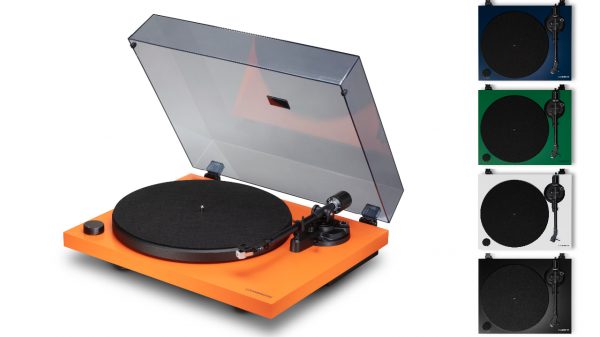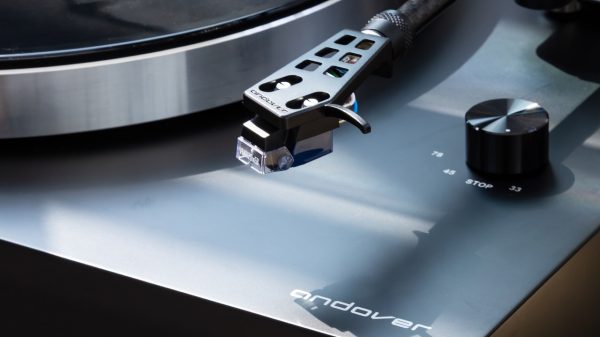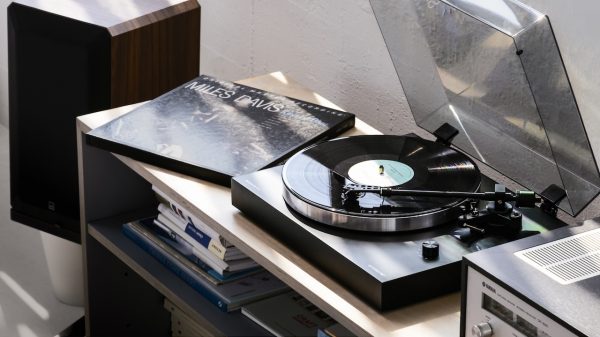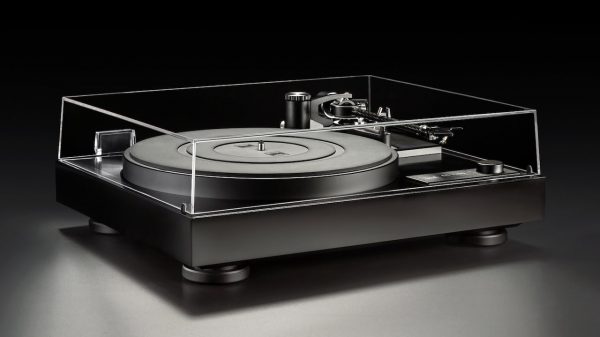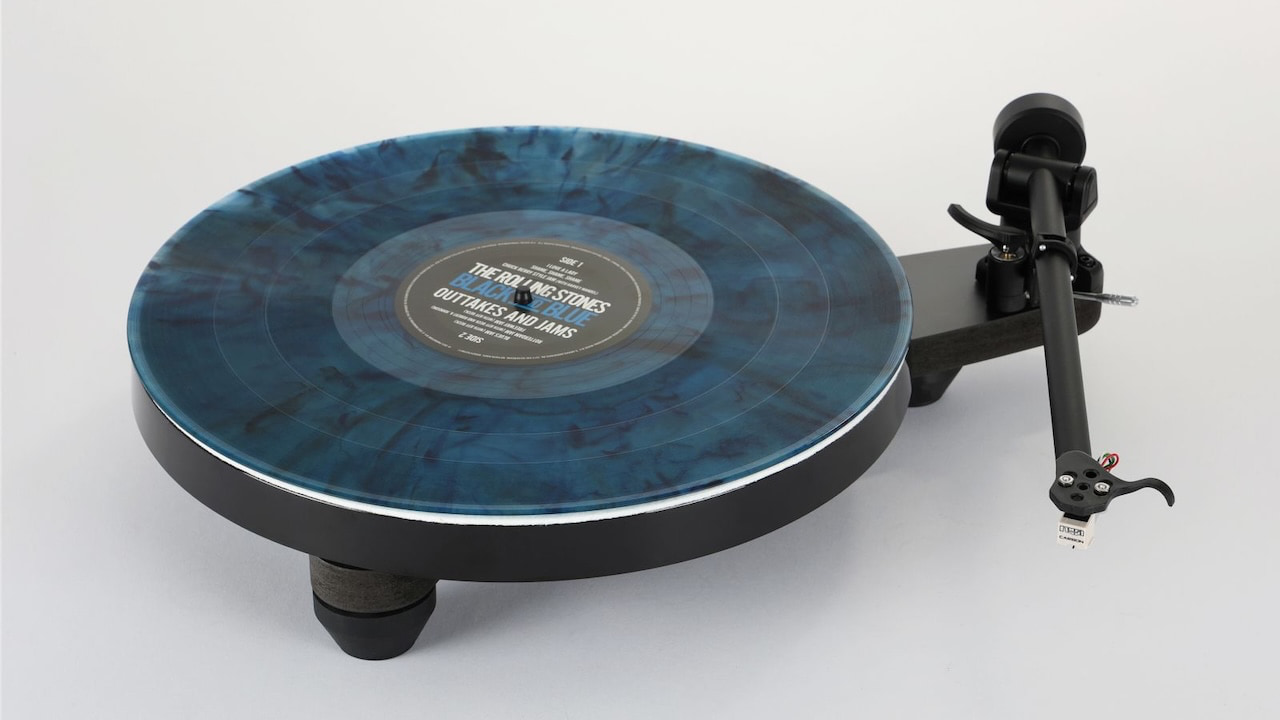
Rega has spent more than 50 years convincing audiophiles that a great turntable doesn’t need to weigh as much as a small refrigerator. With its new Replay turntable, the British manufacturer has taken that philosophy to another level, removing almost half the weight of its popular Planar 1 while retaining much of the hardware that made the latter a benchmark for affordable vinyl playback.
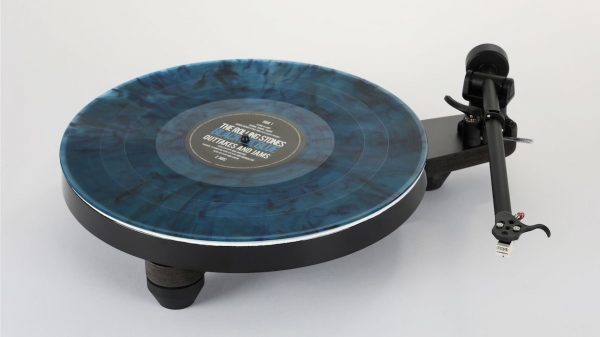
The Replay is Rega’s latest entry-level belt-drive turntable, featuring a skeletal plinth, RB110 tonearm, factory-installed Carbon moving magnet cartridge, and a surprisingly low 2.2 kg (4.85-pound) weight. The reported UK price is £259, approximately £70 below the standard Planar 1.
That makes the Replay rather interesting, particularly when entry-level turntables increasingly come loaded with Bluetooth, USB connections, and enough automation to make playing a record feel like operating a dishwasher.
Rega has gone in the opposite direction. No wireless connectivity, no integrated phono stage, and no unnecessary electronic distractions. Just a turntable designed to play records, with less material surrounding the important bits.
Related Reading:
- Pro-Ject E1.2 BT Adds Bluetooth 5.4 And AptX HD To Its Best Value Turntable
- Rega’s Naia Is The Turntable Roy Gandy Always Wanted To Create
What Makes the Rega Replay Different?
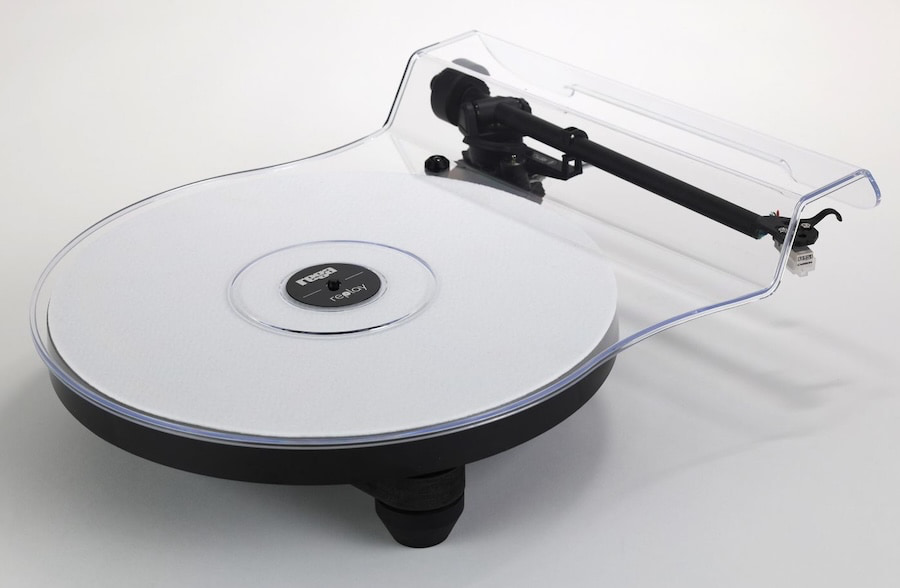
The most obvious departure is the skeletal plinth, a design philosophy Rega has employed on far more expensive models, including the Planar 8, Planar 10, and Naia. Instead of using a conventional rectangular platform, the Replay employs a rigid laminated structure with a black MDF core, removing material that Rega believes contributes little to playback performance.
Before anyone gets too excited, this isn’t a miniature Naia with a carbon fiber and foam-core chassis. The Replay uses considerably more conventional materials, but the underlying philosophy is similar: concentrate rigidity where it’s needed without adding unnecessary mass.
The 23 mm phenolic resin platter provides rotational mass for speed stability, while Rega’s EBLT Advanced belt connects it to a 24V synchronous motor. The motor assembly incorporates a revised PCB, CNC-machined aluminum pulley, power connections, and ventilation.
Rega has also retained its brass main bearing design and updated isolation feet. None of this guarantees superior performance over the Planar 1, but it’s a more thoughtful approach than simply removing material to hit a lower price.
How Does the Replay Compare with the Planar 1?
Here’s where things get interesting.
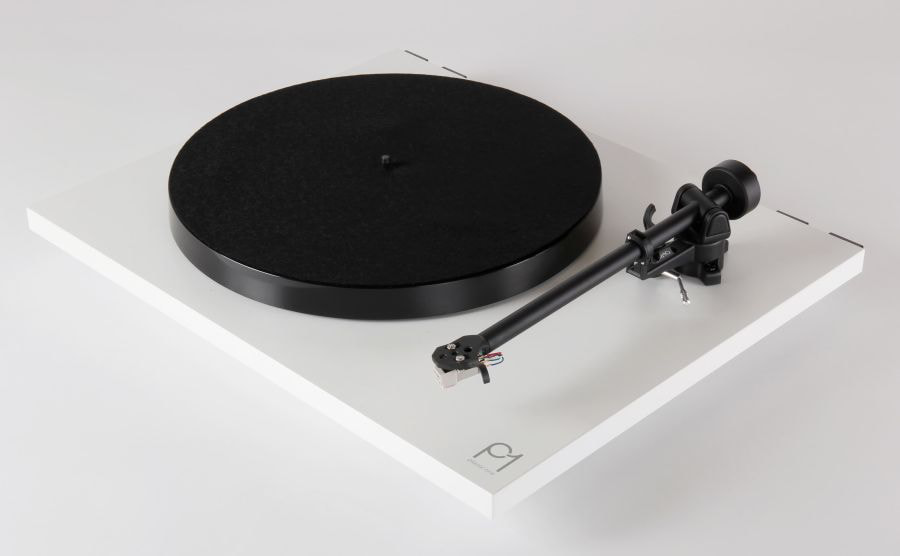
Both turntables use the RB110 tonearm, Rega Carbon moving magnet cartridge, 24V motor, EBLT Advanced belt, and 23 mm phenolic resin platter. The Replay therefore doesn’t introduce a radically different cartridge or tonearm system.
The real differences are the chassis design, dimensions, weight, and price.
The Planar 1 measures 447 x 117 x 360 mm (17.6 x 4.6 x 14.2 inches) and weighs 4.2 kg (9.3 lbs). The Replay is slightly more compact at 415 x 115 x 320 mm (16.3 x 4.5 x 12.6 inches) and weighs just 2.2 kg (4.9 lbs). The conventional Planar 1 also offers black, white, and walnut-effect finishes, while the Replay arrives with a distinctive black skeletal structure and contrasting white mat.
Both are designed for beginners, with factory-fitted cartridges and preset tonearm bias. Rega claims the Replay can be ready to play in under a minute. Owners simply fit the counterweight as instructed, connect the turntable to a suitable phono input, and lower the tonearm.
Neither model offers fully automatic operation or electronic speed switching. Moving from 33⅓ to 45 RPM still requires changing the belt position manually.
So why buy the Planar 1? Its traditional construction and finish choices may appeal to listeners who prefer a more conventional design. But with so much shared playback hardware, the less expensive Replay raises an obvious question about how much extra performance, if any, the Planar 1 can deliver. That’s something only a proper comparison can answer.
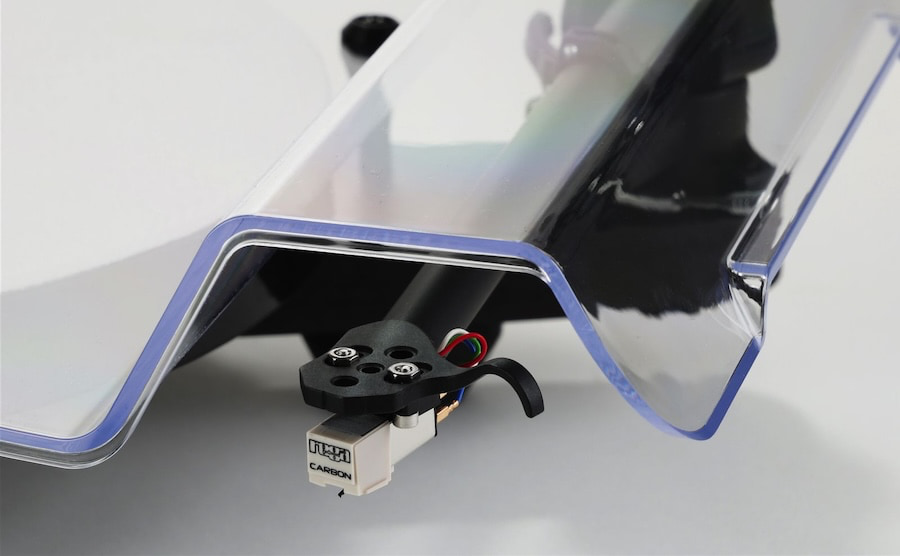
Rega Replay Turntable Specifications:
- Type: Manual, belt-drive turntable
- Speeds: 33⅓ and 45 RPM, manual belt change
- Tonearm: Hand-assembled Rega RB110
- Tonearm bias: Factory preset, non-adjustable
- Counterweight: 111 g, plug-and-play design
- Cartridge: Rega Carbon moving magnet, factory-fitted and aligned
- Stylus: User-replaceable
- Motor: 24V low-noise synchronous
- Drive belt: Rega EBLT Advanced
- Platter: 23 mm phenolic resin
- Plinth: Low-mass skeletal laminate with black MDF core
- Main bearing: Precision brass bearing assembly
- Outputs: Fixed RCA phono cable with internal grounding
- Phono preamp: Not included
- Power supply: Rega PS2, 100 mA
- Dust cover: Removable custom design
- Dimensions: 415 × 115 × 320 mm (W × H × D)
- Weight: 2.2 kg (4.85 pounds)
- Warranty: Limited lifetime warranty against manufacturing defects, subject to regional terms
- Manufacturing: Designed and assembled in the United Kingdom
Two Competitors Worth Considering
At its reported £259 UK price, the Replay has some serious competition.
The Pro-Ject Primary E (£249) is perhaps its most direct rival. It takes a similarly minimalist approach with manual belt-drive operation, a factory-fitted Ortofon moving magnet cartridge, and no built-in phono stage. It lacks the Replay’s unusual skeletal appearance, but Pro-Ject has spent years demonstrating that inexpensive turntables don’t have to sound inexpensive.
The Audio-Technica AT-LP70XBT (£219) makes a very different argument. It offers fully automatic operation, Bluetooth connectivity, a switchable phono preamp, and an AT-VM95C cartridge with several stylus upgrade options. For newcomers who value convenience over traditional audiophile minimalism, that’s a compelling package.
The Replay is aimed at someone who wants a more conventional hi-fi signal path and doesn’t mind manually cueing a record. It also requires a compatible phono input or external phono stage, something beginners should factor into their budgets.
The Bottom Line
Rega deserves credit for making its engineering accessible to a wider audience. The Replay is genuinely different in appearance and construction, and retaining the Planar 1’s key components rather than substituting cheaper hardware is a sensible decision.
I do find the company’s recent marketing rather less charming.
Rega recently celebrated the fact that it hasn’t placed a paid advertisement since 1973. Fifty-three years without buying an ad. Quite an accomplishment, especially when you consider the decades of reviews, awards, buying guides, and independent coverage that helped establish its reputation.
Apparently, word of mouth now includes an extraordinary amount of work by hi-fi journalists, photographers, reviewers, and publishers who still have rent, equipment, and staff to pay for. Rega subsequently clarified that it does pay licensing fees for some awards and review excerpts, which is worth acknowledging. But boasting about never advertising while benefiting from decades of independent editorial coverage still strikes me as a peculiar victory lap.
None of that changes the merits of the Replay. At £259, it could become one of the most interesting affordable turntables of 2026, especially for listeners who want a traditional hi-fi experience without spending a fortune.
Whether removing nearly half the weight of the Planar 1 improves the sound remains to be heard. But making a properly engineered British turntable more affordable is something I can get behind.
Even if Rega would prefer that we just tell our friends about it.
Price & Availability
The Rega Replay was announced on October 13, 2026, with a reported UK launch price of £259. Rega’s official product page confirms the specifications but does not currently display pricing.
European pricing varies by market, and U.S. pricing and availability remain unconfirmed. We would not assume that the British price will translate directly into an equivalent American MSRP.
For more information: rega.co.uk
Related Reading: