Apple has finally updated the Apple TV 4K after four years, and Cupertino has decided that what your streaming box really needs is more processing power, artificial intelligence, and the ability to listen to everything you say from across the living room.
Oh, and a substantially higher price.
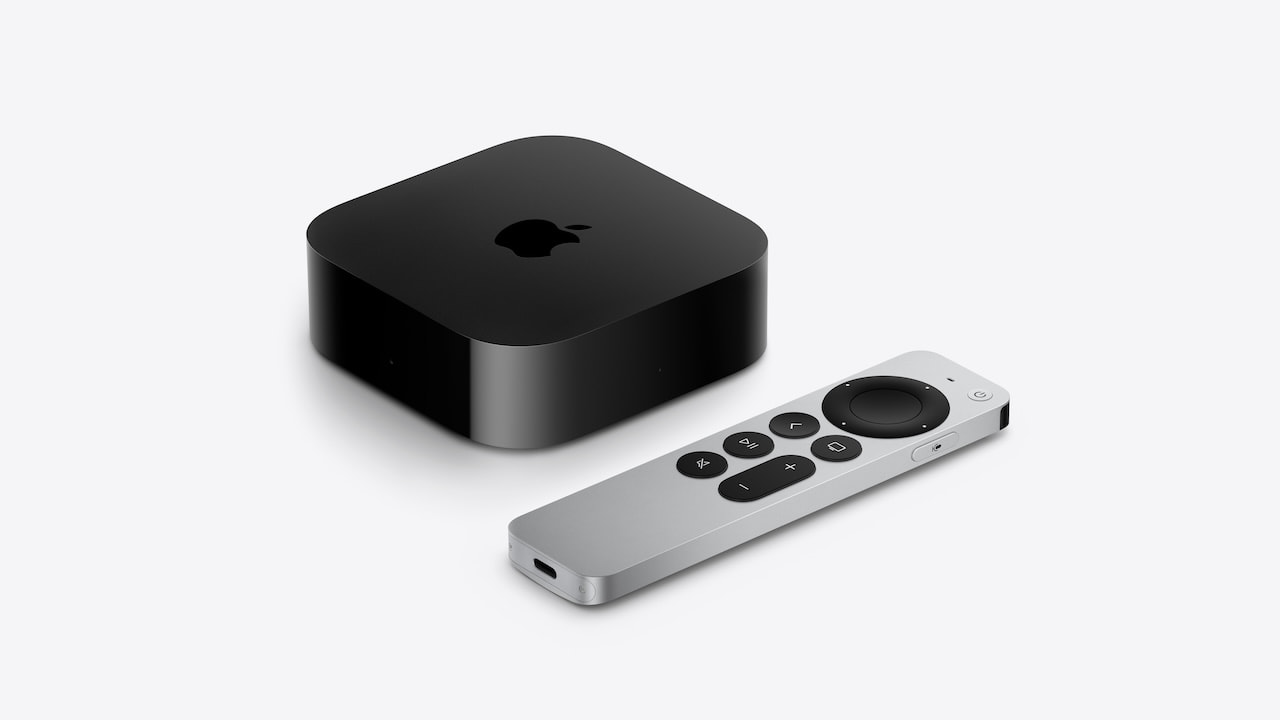
Announced October 13, 2026, the fourth-generation Apple TV 4K costs $299, replacing the previous A15-powered model with a new A19 processor, Wi-Fi 7, hands-free Siri AI, an upgraded remote, and support for Apple’s new four-HomePod surround sound system.
We’ve been following Apple’s next-generation Apple TV plans for months, but the bigger story isn’t the processor. It’s how the new streaming box fits into Apple’s considerably more ambitious home entertainment and automation strategy.
Whether any of that justifies spending $299 when your existing Apple TV works perfectly well is another question.
Related Reading:
- Formula 1 On Apple TV Gets Dolby Atmos And Race Day Is About To Sound A Lot Better
- Apple Vision Pro Gets Live 8K Baseball. Is This The Killer App Apple Needed?
Siri AI Takes Center Stage, but the A19 Does Some Heavy Lifting
The new A19 processor delivers up to 50% faster CPU performance and twice the graphics performance of the outgoing A15 model, according to Apple. That should benefit Apple Arcade gaming, interface responsiveness, and more demanding applications, although we won’t know how significant those improvements are until we’ve tested the hardware.
There’s also a dedicated AV1 decoder, which supports more efficient video streaming and potentially reduces bandwidth requirements without sacrificing picture quality. It’s a worthwhile addition, particularly as streaming services continue adopting the codec, but let’s not confuse better compression efficiency with some miraculous improvement in how existing Dolby Vision movies look.
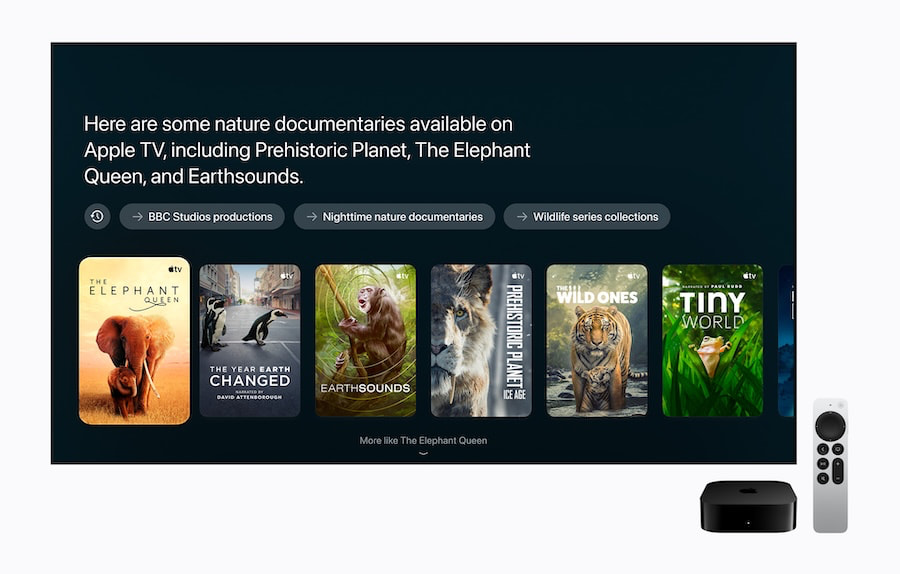
The more noticeable change may be Siri AI. Three built-in far-field microphones allow hands-free voice control without reaching for the remote, while Apple’s new conversational interface supports more sophisticated searches, follow-up questions, and queries about whatever you’re watching.
With a compatible Apple Intelligence-enabled iPhone, Siri can also use personal context to find content recommended in messages or conversations. Apple says microphone processing benefits from isolated security components, with more demanding AI requests handled through its privacy-focused cloud infrastructure when necessary.
Here’s the catch: Siri AI is also coming to second-generation and newer Apple TV 4K models as a beta feature. The new hardware offers hands-free operation and greater processing headroom, but existing owners aren’t being completely abandoned.
The Siri Remote gets Precision Finding through Apple’s Find My system, along with an audible locator. Anyone who has spent half an evening excavating the sofa looking for the remote may consider that the most useful innovation in the entire announcement.
The Biggest Change Isn’t Inside the Apple TV
Apple TV 4K is now the centerpiece of Apple’s expanding connected-home ecosystem.
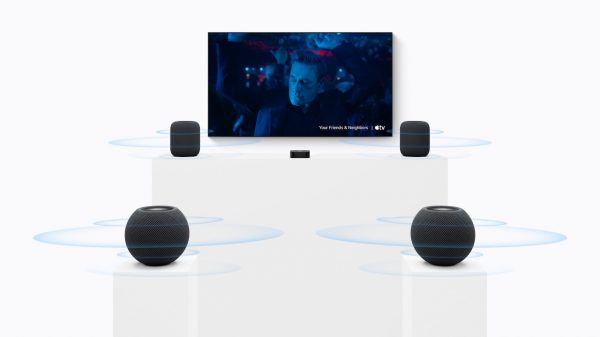
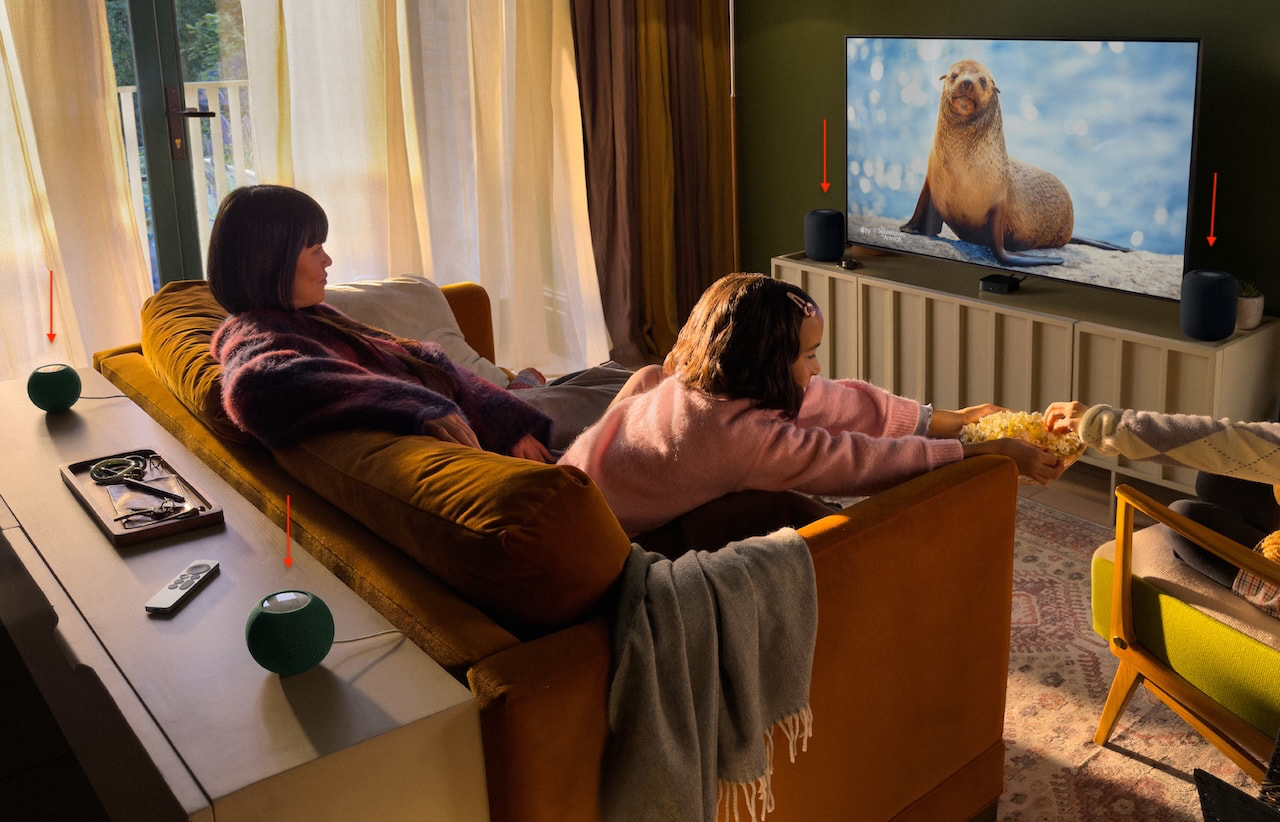
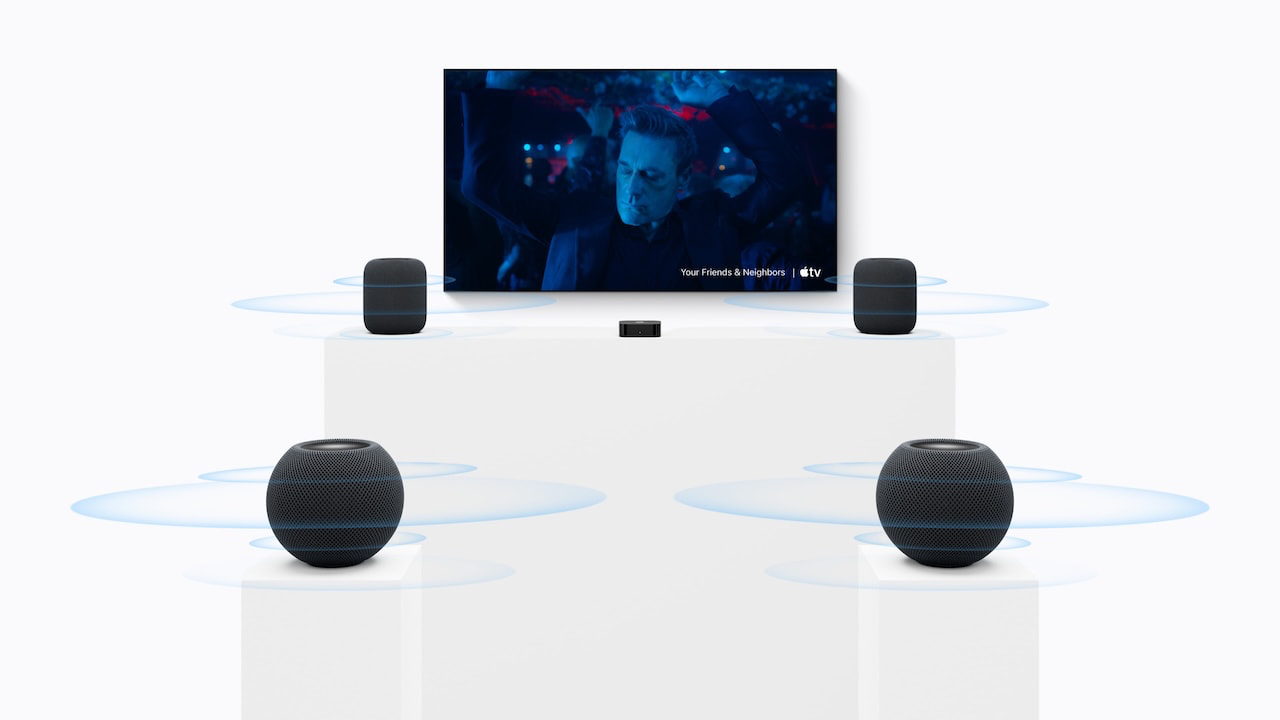
The fourth-generation model supports four-speaker surround sound using compatible HomePods, with automatic recognition of speaker positioning and calibration of timing and playback levels. Front and rear pairs must match, although owners can combine second-generation full-size HomePods with the new HomePod mini 2 speakers.
As we previously reported, Apple had been developing this capability in iOS 27. The feature is now official, although it requires the new Apple TV 4K, and Apple still hasn’t fully explained its multichannel rendering architecture.
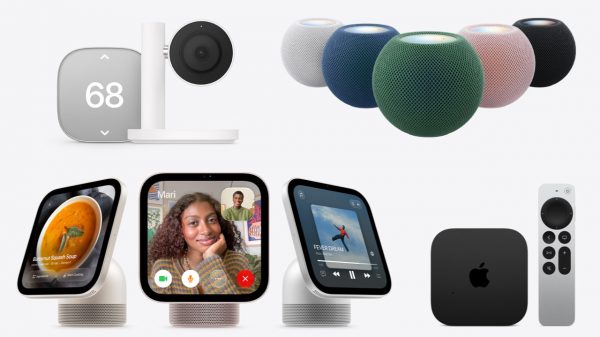
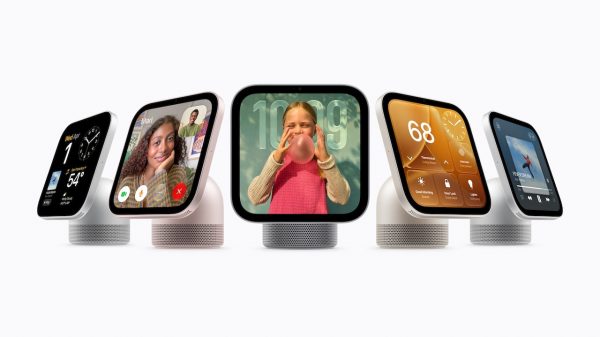
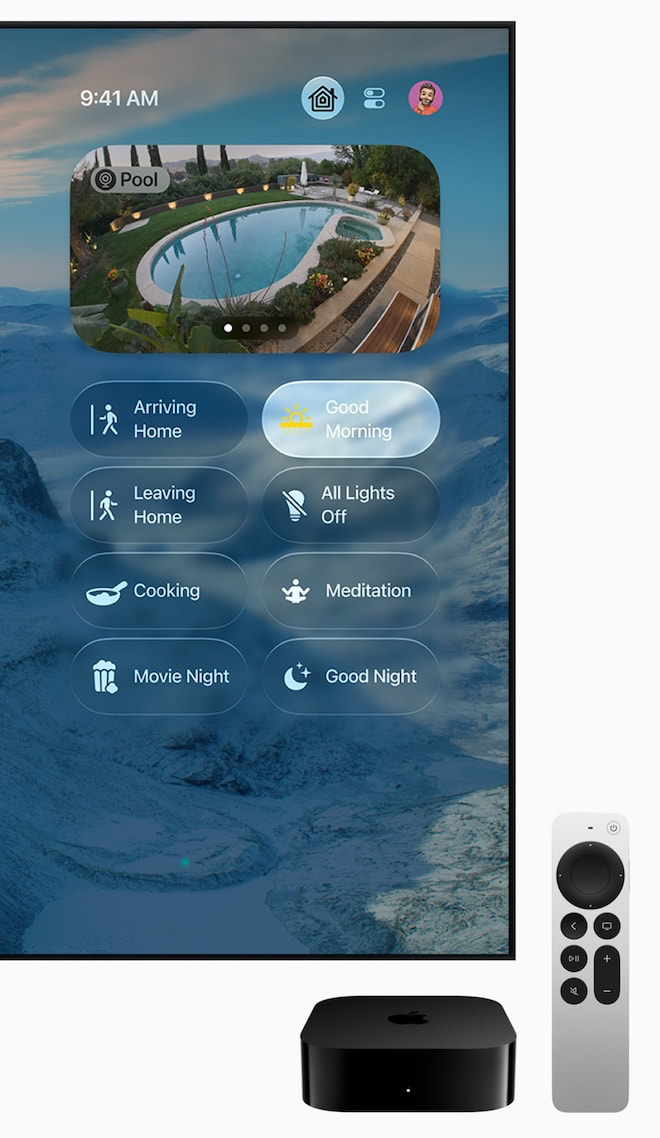
The streaming box also works as a hub for Apple’s new HomeView smart display and Home Collection accessories, alongside existing Matter and Thread-compatible devices. Compatible cameras can display activity notifications on the television, while Siri can control lighting, locks, and other connected devices.
Integration with iPhone, AirPods, Apple Music, Apple Arcade, Fitness+, and FaceTime remains central to the experience. Apple is also investing heavily in live sports, including Formula 1 coverage with Dolby Vision and Dolby Atmos.
Apple is no longer merely selling a streaming box. It’s selling the control center for a household that may already have thousands of dollars invested in its ecosystem.
That’s clever business. Whether it’s equally clever for your wallet is another matter.
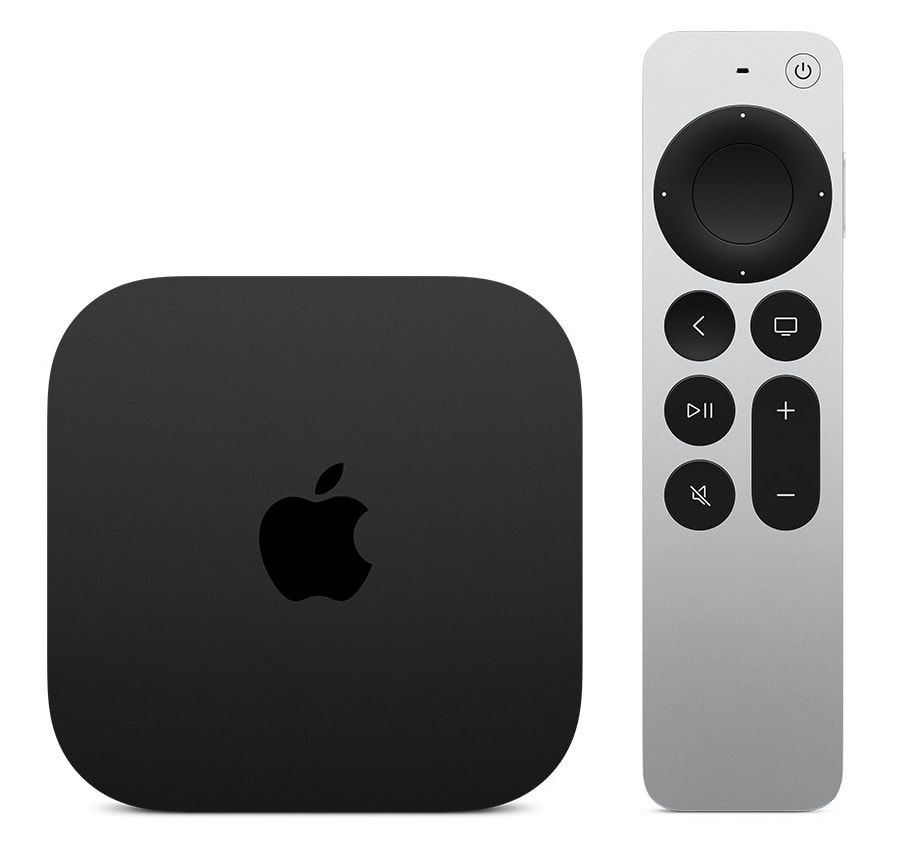
Apple TV 4K (2026) Specifications:
- Model: Apple TV 4K, fourth generation
- Processor: Apple A19
- Performance: Up to 50% faster CPU and 2x GPU performance versus previous generation, according to Apple
- Storage: 128GB
- Maximum video output: 4K UHD at 60 frames per second
- HDR formats: Dolby Vision (Profiles 5 and 8.1), HDR10+, HDR10, HLG
- Video codecs: AV1, VP9, HEVC/H.265, H.264/AVC, MPEG-4
- Audio formats: Dolby Atmos, Dolby Digital Plus 7.1, Dolby Digital 5.1, AAC, Apple Lossless, FLAC, AIFF, WAV, and MP3
- HDMI: HDMI 2.1 with Quick Media Switching (QMS)
- Wireless: Wi-Fi 7 (2×2 MIMO), Bluetooth 6, Thread
- Wired connectivity: Gigabit Ethernet
- Microphones: Three far-field microphones with voice isolation
- Remote: Fourth-generation Siri Remote with Precision Finding, audible locator, and USB Type-C charging
- Smart home: Apple Home hub, Matter-compatible accessory control, Thread networking, HomeKit Secure Video
- Home theater: Four-HomePod surround with compatible speaker pairs
- Dimensions: 3.67 x 3.67 x 1.22 inches
- Weight: 7.6 ounces (217 grams)
- U.S. price: $299
- Preorders: October 13, 2026
- Availability: November 13, 2026
What About Dolby Vision, Dolby Atmos, and the Missing Formats?
Home theater enthusiasts should pay close attention to what Apple hasn’t announced.
The new Apple TV 4K still tops out at 4K/60, despite its HDMI 2.1 connection. There’s no advertised 4K/120 output capability, and Dolby Vision, HDR10+, and Dolby Atmos were already supported by the previous model.
Apple’s published audio specifications list Dolby Digital, Dolby Digital Plus, and Dolby Atmos, but not DTS or Dolby TrueHD bitstream passthrough. That’s worth remembering if you have a large collection of locally stored Blu-ray rips and expect your AV receiver to handle every soundtrack in its original format.
The A19 may make the Apple TV faster and more capable, but it doesn’t automatically make your television brighter, your sound system more revealing, or your existing streaming services less compressed.
Roku and Amazon Make Apple’s $299 Price Hard to Swallow
The Roku Ultra ($149.99) costs half as much as Apple’s new streaming box and supports 4K/60, Dolby Vision, HDR10+, Dolby Atmos, Wi-Fi 6, and Ethernet. It also includes a rechargeable, backlit Voice Remote Pro with a lost-remote finder. Roku remains the most widely used streaming platform in the United States, and its relatively straightforward interface, extensive app selection, and lack of dependence on a single smartphone ecosystem make it a compelling alternative.
We’ve already criticized Roku for raising its prices this year without improving the hardware, but at least the Ultra doesn’t demand $299 for the privilege of watching television.
Amazon’s recently introduced Fire TV Stick 4K (2026) makes an even more aggressive argument at $59.99. It supports 4K/60, HDR10+, Dolby Atmos, and Wi-Fi 6, while adding Amazon’s Vega OS, Alexa+, and Direct Power for compatible televisions. Dolby Vision is missing, and the move away from Android-based Fire OS brings some software limitations, but the enormous price difference is impossible to ignore.
Apple counters with its A19 processor, deeper integration with iPhone, AirPods, HomePods, and the broader Apple ecosystem, along with exclusive four-HomePod surround functionality. Those are legitimate advantages for households already invested in Apple’s hardware.
But there’s a difference between paying for meaningful integration and spending $299 to watch the same episode of Severance that Roku and Amazon can deliver for substantially less money.
The Price Is the Problem
The previous Apple TV 4K was available for $199 with 64GB of storage or $249 with 128GB, Ethernet, and Thread support. The new $299 model effectively replaces the better-equipped configuration, making the comparable price increase $50.
But compared with the previous entry-level model, the cost of getting into Apple TV 4K has risen by $100.
And let’s not forget that the 2022 Apple TV 4K originally launched at $129 before subsequent price increases. Apple has taken a product once celebrated for becoming more affordable and moved it rather decisively in the opposite direction.
For existing owners who primarily watch Netflix, Apple TV, Disney+, or YouTube, the new model offers few compelling improvements in picture quality or supported surround formats.
The more persuasive reasons to upgrade are hands-free Siri, faster gaming performance, enhanced smart home integration, and particularly the new four-HomePod surround system.
The Bottom Line
The fourth-generation Apple TV 4K is Apple’s most capable streaming box yet, and its expanding role within the connected home makes more sense now than it did four years ago.
The new hardware should deliver excellent performance, and Apple deserves credit for integrating streaming, smart home control, personal devices, gaming, and wireless audio into something approaching a coherent platform.
But $299 is a lot of money for a streaming device that doesn’t introduce a major new picture format or higher output resolution. Owners of the previous model should think carefully before upgrading unless they specifically want the new HomePod surround system or hands-free Siri capabilities.
For households already committed to Apple, the integration may justify the premium. Everyone else has excellent alternatives for half the price.
Apple has built a smarter streaming box. It just hasn’t made a convincing argument that everyone needs a new one at $299. For that price, Siri had better remember what I watched last night, find the bloody remote, and demonstrate Carrie White’s telekinetic powers by retrieving it from beneath the sofa. Without dropping a bucket of pig’s blood on my head. That’s apparently another $99 accessory.
Where to buy: $299 at Apple (pre-order now, ships November 13, 2026)
Related Reading:
- Has Apple Finally Figured Out The Living Room?
- Google Home Speakers Turn The Google TV Streamer Into A $300 Spatial Audio System, But Is It Really Dolby Atmos?
- Amazon Fire TV Stick 4K (2026 Model) Gets Faster With Vega OS And New Remote
- Roku Streaming Player Prices Jump By Up To $50 As AI Memory Shortage Hits The Living Room