Apple has finally decided that the living room, kitchen, and front door deserve more attention than another iPhone camera upgrade. After years of selling perfectly competent streaming boxes and smart speakers without a particularly convincing strategy connecting everything, Cupertino has introduced an entirely new family of home products.
And for once, there’s something here that home theater enthusiasts should be genuinely excited about.
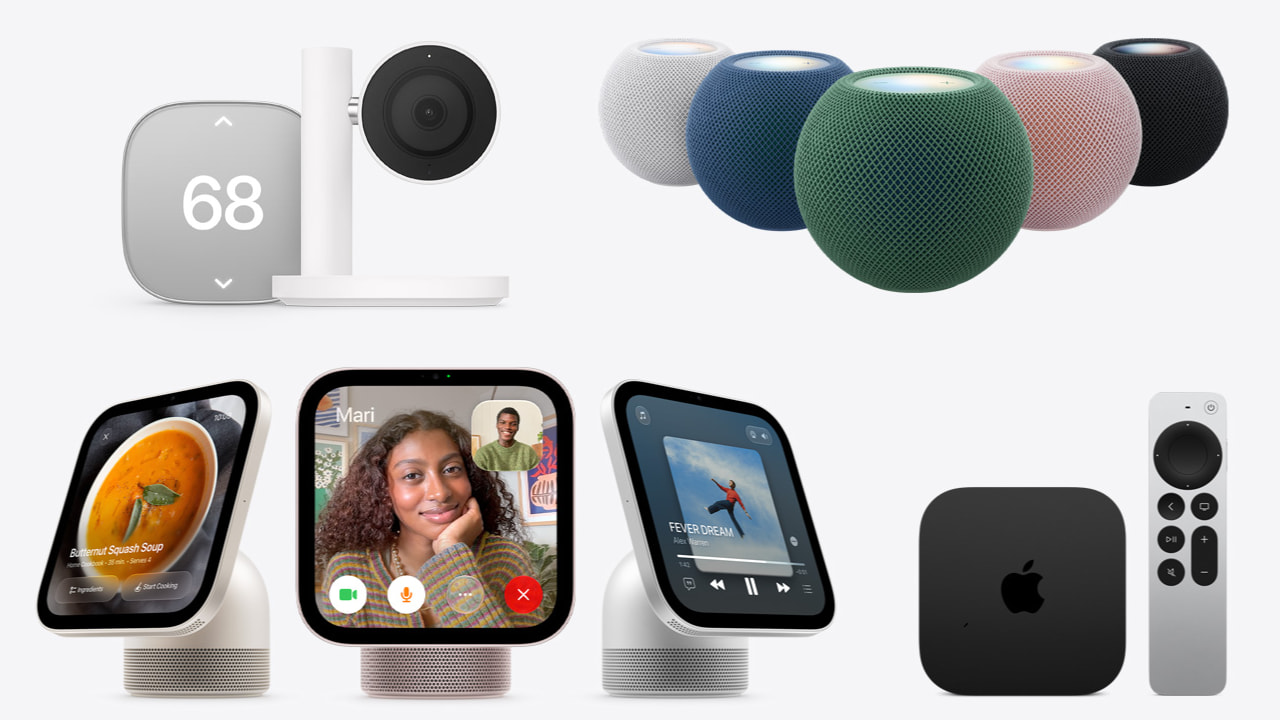
Apple’s refreshed lineup includes a $299 fourth-generation Apple TV 4K, $149 HomePod mini 2, $299 HomeView smart display, and a new collection of connected home accessories developed with LG Electronics and Schneider Electric.
The bigger news, however, is that Apple has finally introduced a four-HomePod surround sound system. That development alone makes today’s announcements more consequential than the usual combination of faster processors, new colors, and executives explaining why everything is magical.

Related Reading:
- Apple HomeView And Home Collection Want The Keys To Your House
- Apple TV 4K (2026) Gets Siri AI And HomePod Surround, But $299 Is A Tough Sell
- Apple Finally Gives HomePod Real Surround Sound, But Are Four Speakers Enough?
Apple TV 4K Gets More Powerful and Considerably More Expensive
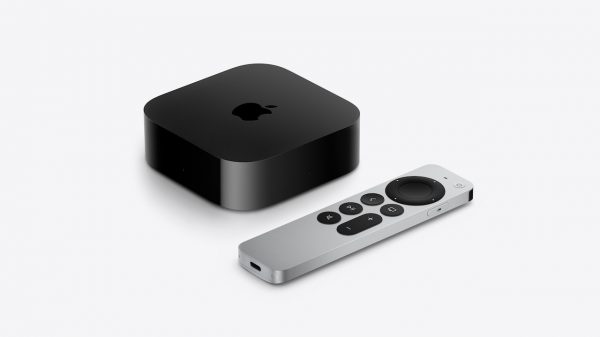
The new Apple TV 4K replaces the A15 Bionic processor with an A19, which Apple claims delivers up to 50% faster CPU performance and twice the graphics performance. There’s also a dedicated AV1 video decoder for more efficient streaming, along with three far-field microphones that allow hands-free Siri operation without reaching for the remote.
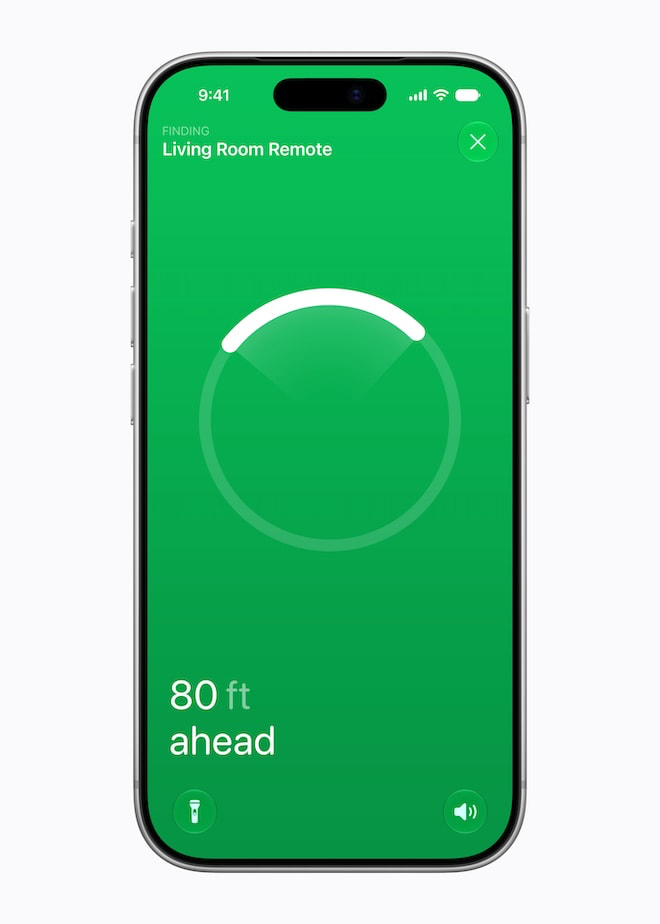
Speaking of the remote, Apple has added Precision Finding and an audible locator to the latest Siri Remote. Anyone who has spent 20 minutes looking for one between the sofa cushions will appreciate that development considerably more than another processor benchmark.
Siri AI also receives a full-screen conversational interface, allowing users to search for content, ask questions about what they’re watching, and access personalized recommendations. However, Siri AI is also available in beta on compatible older Apple TV 4K models, so it isn’t an exclusive reason to spend $299 on the new hardware.
Apple has not announced a new generation of HDR or surround sound codecs with this launch. Dolby Vision, HDR10+, and Dolby Atmos are already supported by existing Apple TV 4K hardware. The more important advancement involves what happens after the audio leaves the box.
Four HomePods Finally Become a Surround Sound System
We’ve previously reported on Apple’s experiments with connecting four HomePods to an Apple TV, and that feature is now official.
The new Apple TV 4K supports four HomePod mini 2 or second-generation HomePod speakers arranged in front and rear pairs. Apple also allows different models to be used in the same system, provided each pair matches.
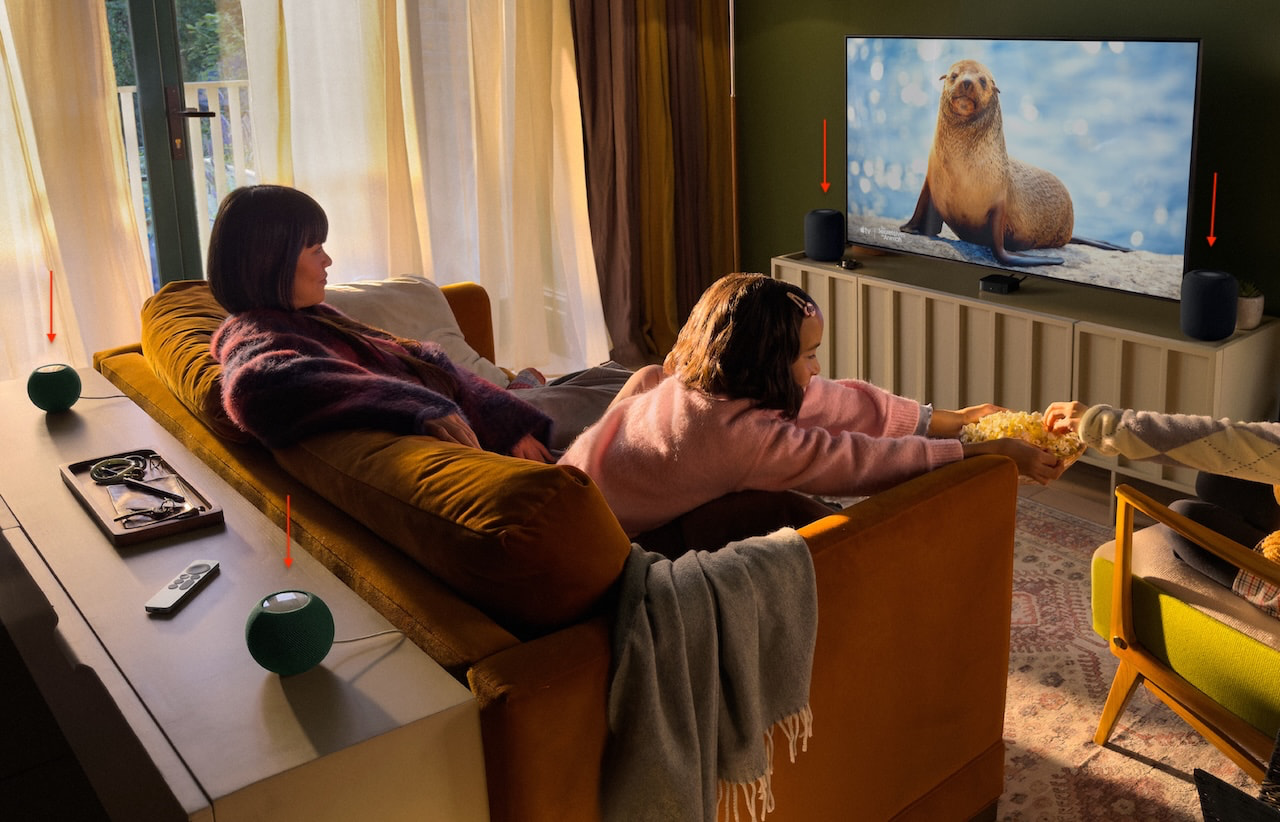
The system automatically recognizes speaker placement and calibrates timing and playback levels to suit the room. That’s a substantial departure from Apple’s existing two-HomePod home theater configuration, and it moves the company into more direct competition with Sonos and other wireless home theater manufacturers.
There are still questions worth asking. Apple hasn’t provided a detailed explanation of the system’s discrete channel architecture, how Dolby Atmos information is rendered across four speakers, or how it handles bass management without a dedicated subwoofer.
Four HomePod mini 2 speakers and the new Apple TV 4K will cost $895, before you’ve purchased a television. At that price, serious comparisons with established soundbar and wireless surround systems are unavoidable.
Apple has put on its big boy pants. Now we need to hear whether the system deserves them.
HomePod mini 2 Offers More Than New Colors
Six years after the original HomePod mini arrived, Apple has introduced its successor with an S10 processor, updated computational audio, and Siri AI support scheduled for a future software update.
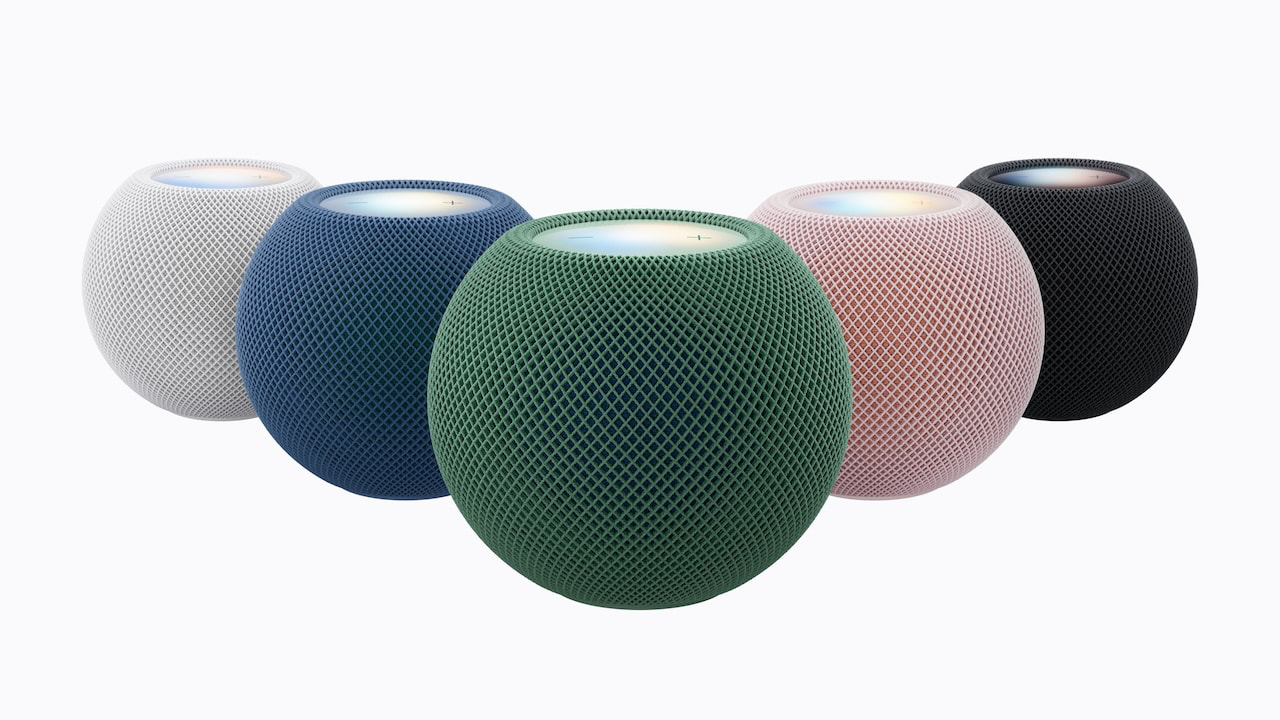
The familiar spherical design remains, but there are now five finishes: pink, green, blue, white, and midnight. Apple’s new Sound Glow feature turns the illuminated top surface into a visual display that responds to music, with colors influenced by album artwork.
The speaker also supports stereo pairing, multiroom playback, and use as a default speaker for compatible Macs. But the four-speaker home theater capability is the real selling point, particularly for existing Apple households considering a more substantial audio system.
At $149, the HomePod mini 2 is no longer an especially inexpensive smart speaker. And buyers should understand that its headline Siri AI improvements will not all be available at launch.
A new color is nice. Paying more for the promise of future intelligence requires considerably more faith.
HomeView Is Apple’s Most Important Smart Home Product
Apple HomeView may ultimately have the greatest impact on how people interact with the company’s ecosystem.
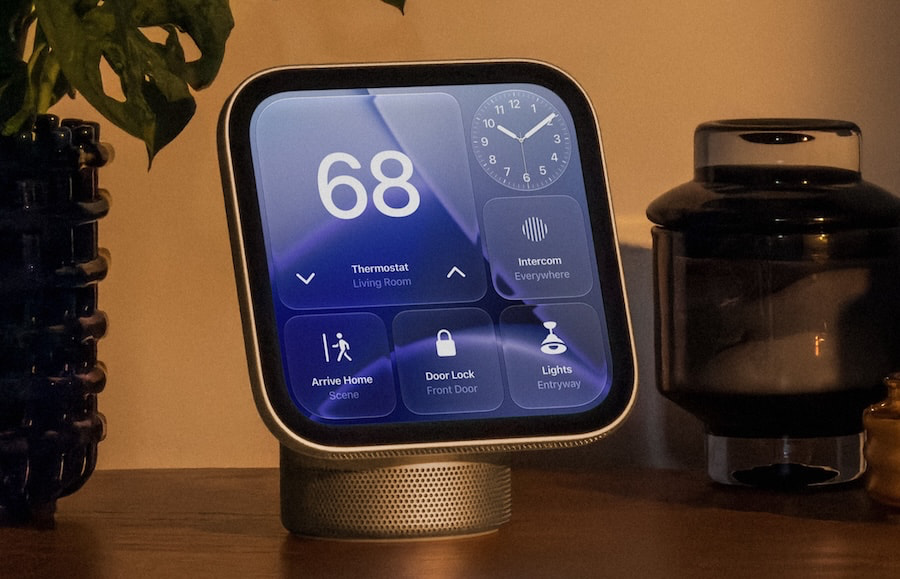
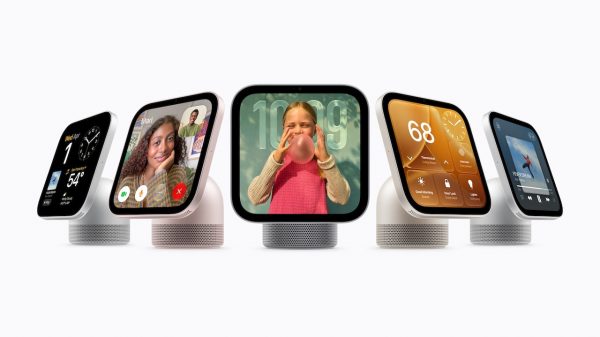
Available in tabletop and wall-mounted versions, HomeView features a 7-inch Liquid Retina display, an A18 processor, facial recognition for up to six household members, and Siri AI integration. The tabletop version combines two full-range drivers in the display with a down-firing woofer and passive radiators in its speaker base. The wall-mounted version uses a different two-driver configuration.
HomeView can display calendars, photos, video calls, Apple Music, and connected home controls. Its camera interface supports simultaneous live viewing of up to nine feeds, while compatible iCloud+ subscriptions enable additional security features.
The personalized interface changes depending on which household member approaches, although access to certain private information requires a compatible, recently unlocked iPhone or iPad. Some of Siri AI’s more advanced personal-context features also depend on Apple Intelligence-enabled companion hardware.
Apple has priced both HomeView versions at $299, with wall-mount accessories sold separately. Availability begins November 13, although the product won’t initially be sold in the European Union because of Siri AI availability restrictions.
Apple Finally Has Its Own Smart Home Accessories
The fourth announcement fills another gap.
Apple Home Collection is a new family of cameras, doorbells, smart locks, thermostats, and sensors developed with LG Electronics and Schneider Electric.
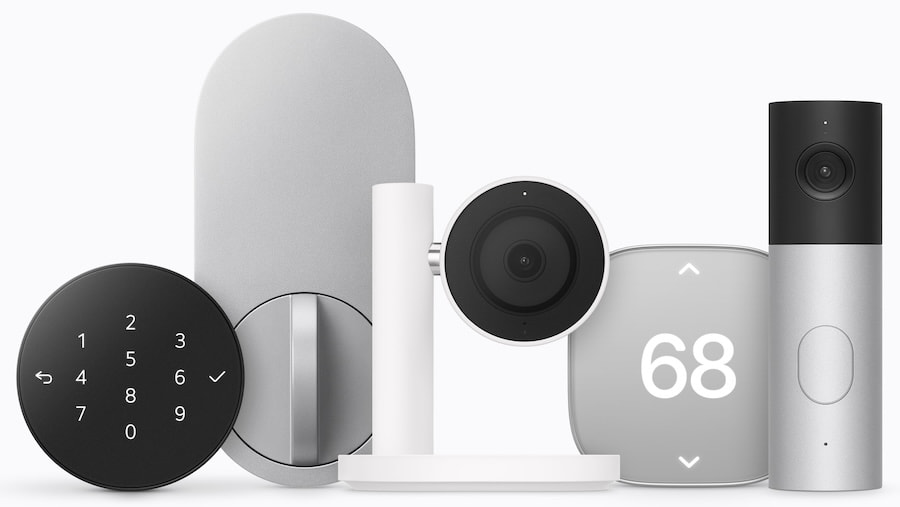
The cameras offer up to 2.5K capture, intelligent recognition, and integration with HomeKit Secure Video. LG’s Smart Deadbolt Lock supports Ultra Wideband proximity unlocking, while the new thermostats work with Apple’s home automation and energy management features.
Setup begins with an iPhone tap, without requiring another manufacturer’s app or account. Support for Matter and Thread is intended to make the products easier to integrate and keep connected.
Prices start at $39.95 for temperature sensors, with cameras starting at $199.95 and LG’s smart lock at $349.95. Availability begins in December, with some products following in early 2027.
The real question is whether this approach makes the smart home easier to live with or simply gives consumers another expensive collection of products to purchase.
The Bottom Line
Apple has finally done more than update three unrelated gadgets and call it an ecosystem.
HomeView provides a dedicated interface for managing the household. Apple TV 4K becomes a more sophisticated entertainment and control hub. HomePod mini 2 gains a meaningful home theater role, and the Home Collection adds hardware designed around the same experience.
The four-speaker surround system is the development I’m most interested in hearing. It represents a genuine expansion of Apple’s home theater capabilities rather than a cosmetic refresh.
But the pricing is ambitious, Siri AI remains in beta or pending updates depending on the device, and several technical questions still need answers. Apple’s approach also works best for households already invested in its products.
Has Apple finally figured out the living room?
It has certainly produced its most coherent home hardware strategy to date. Whether the experience justifies the price will depend on how well everything works together outside the carefully controlled demonstrations in New York.
Apple has made its move. Sonos, Amazon, Google, and the rest of the smart home industry now have something more substantial to worry about.
And for once, it isn’t another shade of aluminum.
For more information: apple.com/apple-homeview/
Related Reading:
- Apple Music Hall Turns Battersea Power Station Into A 48 Speaker Spatial Audio Venue
- Apple Just Leaked Camera-Equipped AirPods And They Look More Like Wearable AI Than Headphones
- Google Home Speakers Turn The Google TV Streamer Into A $300 Spatial Audio System, But Is It Really Dolby Atmos?
- Bose Lifestyle Ultra Soundbar Review: Dolby Atmos, AirPlay, And Google Cast Aim Straight At Sonos