
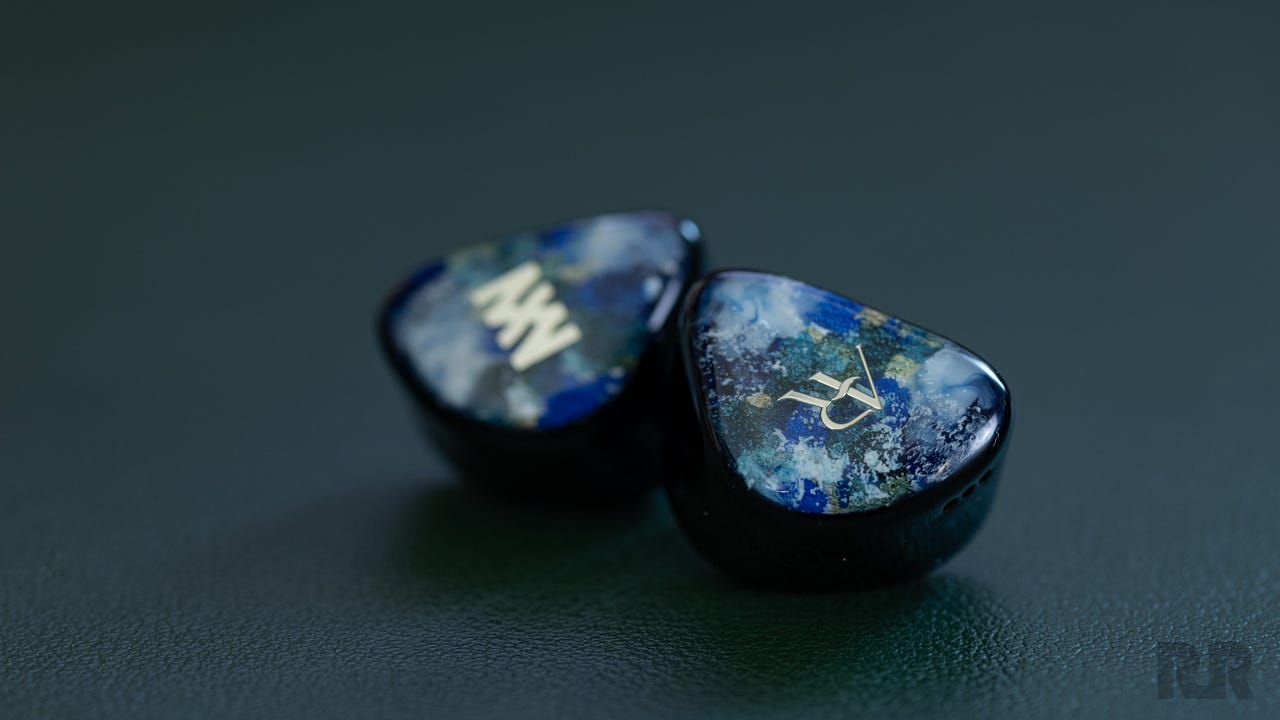
Melody Wings is a young Chinese IEM brand based in Zhangzhou, Fujian Province, and it has wasted very little time building out its lineup. The company’s first model, the Venus, arrived in mid-2025; since then, Melody Wings has added the Jupiter, Neptune, and now the Uranus, a $188 quadbrid IEM developed in collaboration with Japanese singer and songwriter Azuna Riko.
For a company this new, the Uranus is an ambitious design. Each earpiece combines a 10mm dynamic driver, balanced-armature driver, 10mm bone-conduction driver, and piezoelectric tweeter, with hand-painted faceplates and a 4-way crossover. Melody Wings is clearly more interested in experimenting than playing it safe with another predictable sub-$200 hybrid.
The Uranus launched globally on October 1, 2026, at $188, placing it directly into one of the most competitive segments of the IEM market. The question is whether its unusual driver configuration and aggressive pricing deliver something genuinely different or simply give buyers four technologies to argue about on Reddit.
About My Preferences: This review is a subjective assessment and is therefore shaped by my personal preferences. While I try to account for those biases during the review process, I’d be lying if I said they disappear completely. With that in mind:
- My ideal sound signature includes competent sub-bass, textured mid-bass, a slightly warm midrange, and extended treble.
- I have mild treble sensitivity.
Testing equipment and standards can be found here.
Key Specifications:
- Driver Configuration: 4-driver quadbrid design
- 1 x 10mm beryllium-coated dynamic driver
- 1 x balanced-armature driver
- 1 x 10mm bone-conduction driver
- 1 x piezoelectric driver
- Crossover: 4-way
- Frequency Response: 20Hz – 20kHz
- Impedance: 32 ohms at 1kHz
- Sensitivity: 103dB/mW at 1kHz
- Cable: 1.2m, 4-core silver-plated OCC
- IEM Connector: 0.78mm 2-pin
- Interchangeable Plugs: 3.5mm single-ended, 4.4mm balanced, USB Type-C
- USB Type-C Support: Built-in Hi-Fi decoding chip, up to 32-bit/384kHz
- Shell: HeyGears 3D-printed resin with hand-painted faceplates
- Price: $188
Build
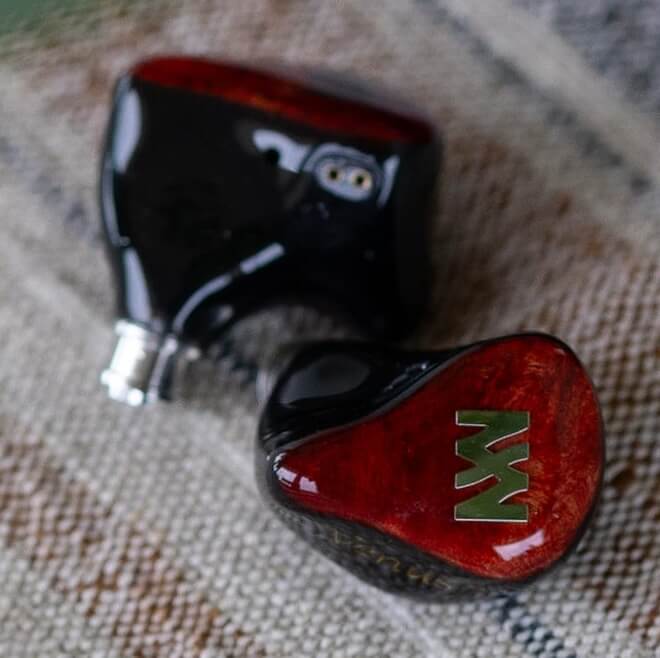
Melody Wings has always produced attractive IEMs, but the Uranus raises the bar. Its hand-painted faceplates are genuinely eye-catching and look like they belong on a much more expensive model, even if the resin shells themselves are fairly conventional.
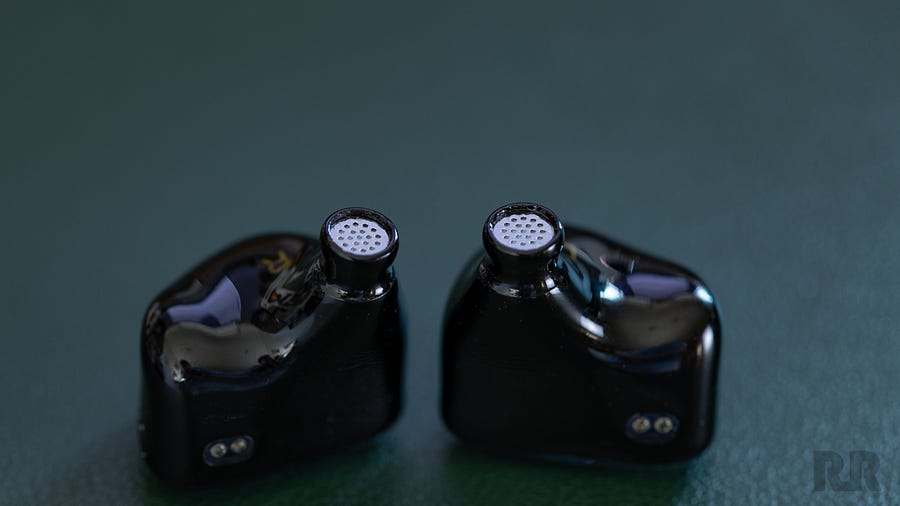
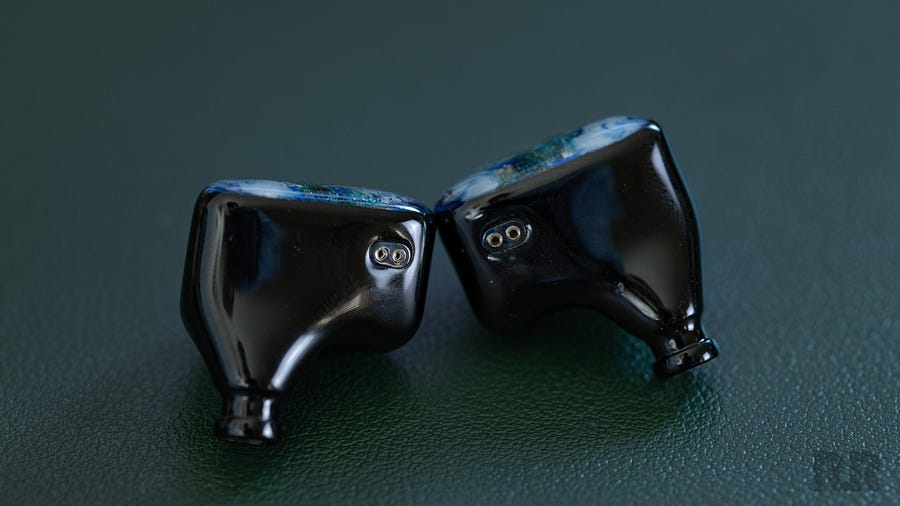
The Uranus skips the metal nozzles used on every other Melody Wings IEM, and I’m not entirely sure why. Both the Venus and Neptune are less expensive, so cost does not seem like the obvious explanation. The Neptune also uses a bone-conduction driver, which makes BCD efficiency an unlikely reason as well.
Whatever the rationale, I’d encourage Melody Wings to stick with metal nozzles. They tend to be more durable over time, which matters for buyers who plan to keep the same IEM for years rather than months.
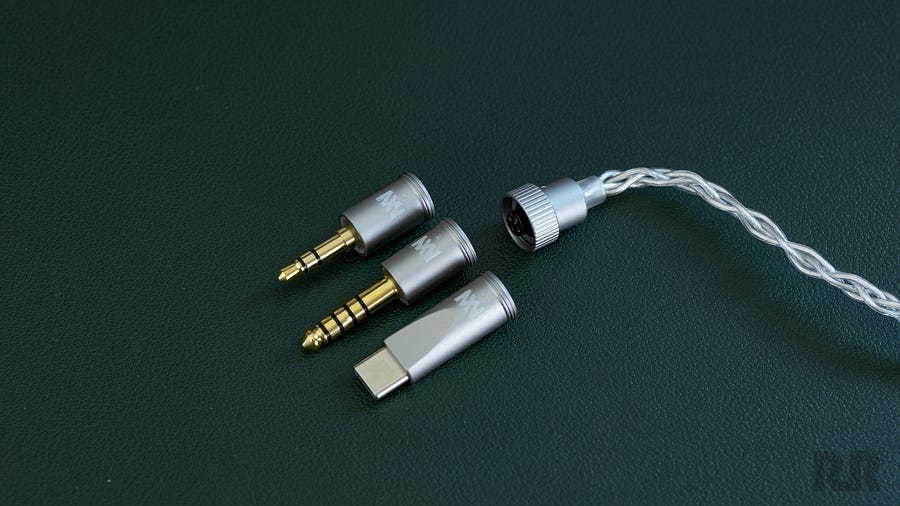
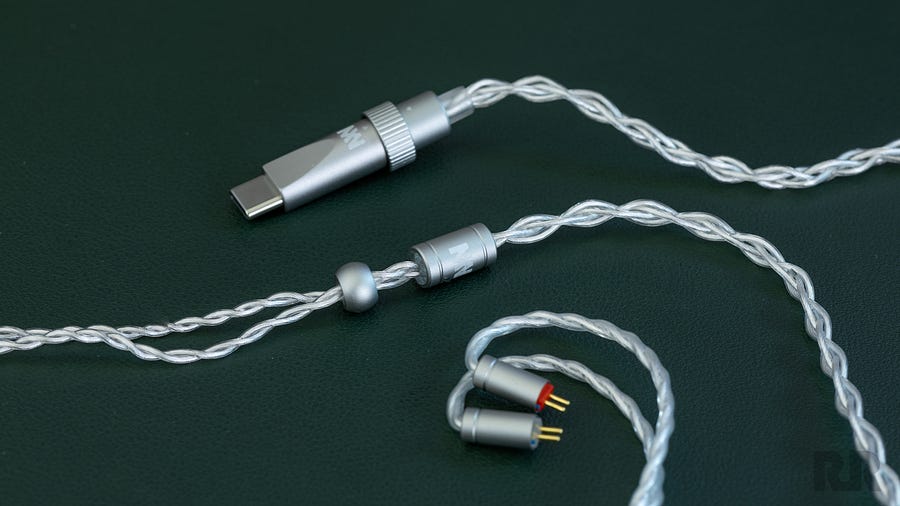
The Uranus cable offers the best combination of usability and premium feel I’ve encountered on a Melody Wings IEM so far. Its soft, lightweight chain braid is comfortable in use and easy to manage, while metal hardware is used for the modular termination, Y-splitter, chin cinch, and 2-pin connectors.
The modular plug system also brings back the USB Type-C option last seen on the Venus, alongside 3.5mm and 4.4mm terminations. That is a welcome addition for listeners who regularly switch between smartphones, DAPs, and more conventional headphone outputs.
Comfort
The Uranus is a fairly large IEM with average-length nozzles. Despite its size, it is lightweight and sounds best with a deeper insertion. The stock eartips provide acceptable passive isolation, although I achieved noticeably better results with aftermarket alternatives. I was able to wear the Uranus comfortably for listening sessions exceeding an hour before taking a break for the sake of my hearing.
One issue worth mentioning is BCD ringing. The Uranus’s bone-conduction driver is particularly prone to producing a spring-like physical vibration when the shells are touched or moved. It is most noticeable when inserting or removing the IEMs and can occasionally be triggered while walking with a heavier gait.
It didn’t bother me much during normal listening, but some listeners are far more sensitive to this behavior and may find it distracting.
Accessories
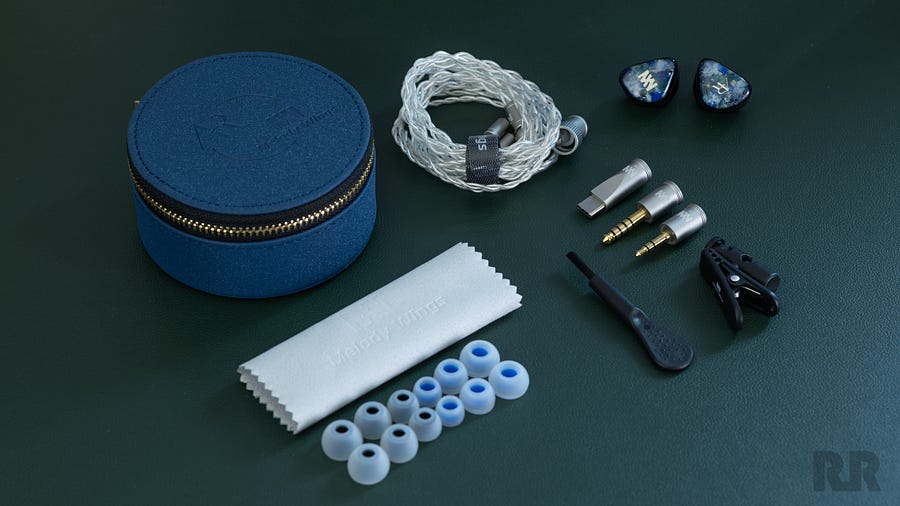
Inside the box, you’ll find:
- 1 × semi-hard carrying case
- 1 × microfiber cleaning cloth
- 1 × IEM cleaning tool
- 1 × shirt clip
- 1 × 3.5mm cable termination
- 1 × 4.4mm cable termination
- 1 × USB Type-C cable termination
- 6 pairs of silicone eartips
The Uranus ships with an accessory package broadly similar to the rest of the Melody Wings lineup, with the main differences being the modular cable system and carrying case. The included silicone eartips are perfectly usable, but they do not extract the best performance from the bone-conduction driver.
The cleaning tool and shirt clip are welcome additions, although I would have liked to see at least one set of foam or hybrid eartips included as well.
Listening
The Uranus has an airy, gently V-shaped sound signature. Its sub-bass extends well and builds into a mildly elevated mid-bass, while the lower midrange remains largely neutral with just a hint of warmth. The upper midrange is more prominent, with a healthy rise between 2 and 4kHz that adds clarity and separation.
Treble is bright and forward, with several peaks extending into the upper registers. Those peaks add air and vibrancy, but they can occasionally push brighter instruments past the point of comfort.
Vast, Airy, and Energetic Treble
The Uranus delivers bright, highly resolving treble with impressive cohesion, although it can occasionally become sharp. Tonal balance remains quite good, with the upper treble sitting slightly ahead of the lower treble rather than overwhelming it.
Tracks with softer treble energy pair particularly well with the Uranus’s more forward presentation. I really enjoyed “Uto” by Dead Poet Society, where hi-hats and cymbals were placed naturally within the mix and retained clear, distinct edges even during busier passages.
Less carefully mastered material can be more problematic for treble-sensitive listeners. Vocals are largely unaffected, and “Satisfy” by Nero is a good example of a track where vocals that can sound sharp on other IEMs remain controlled here.
The Uranus is more likely to sharpen treble-focused instrumentation. The popping synths in “Such Great Heights” by The Postal Service demonstrate this particularly well. They are not intensely painful, but they do cross my comfort threshold and force me to listen at lower volumes.
An Effortless Midrange
The midrange is easily the star of the show.
Natural, organic, and tonally neutral, it sounds harmonically complete and dynamic. Vocals are rendered with excellent clarity and distinction, with strong intelligibility and convincing timbral accuracy.
From the heavily filtered vocals in “Shockwave” by Marshmello to the funkier presentation of “December” by Collective Soul, the Uranus handles nuanced vocal textures without difficulty.
Dense arrangements also benefit from its strong resolving ability. I particularly enjoyed the layered guitars in “Snow (Hey Oh)” by Red Hot Chili Peppers, where the gritty distortion and individual textures of the lead and rhythm guitars remained clearly distinguishable even as the track became more complex.
For midrange layering and textural detail, the Uranus is a very strong performer in the sub-$200 category.
Multi-Modal Bass
The Uranus uses its dynamic driver and bone-conduction driver together to reproduce the bass range. The BCD contributes to the lowest frequencies, while the dynamic driver handles the broader bass response and continues through the midrange.
Overall, the Uranus has a moderately elevated bass presentation, with most of its emphasis concentrated in the deepest sub-bass and mid-bass. There is a noticeable dip between those regions, which gives the low end a slightly uneven character.
Bass tonality is satisfyingly rich, particularly with acoustic percussion. The drum hits in “Tightrope” by Walk The Moon have good body and weight, while their decay sounds natural and well controlled.
Electronic music is more of a mixed bag. Full-spectrum bass sweeps can expose the unevenness in the Uranus’s sub-bass response, and “I’m Dreaming” by INZO is a good example of material that highlights this particular tuning quirk.
The mid-bass is more cohesive and consistent, although it lacks some of the punch and authority I prefer. There is enough presence for Rock and Alternative music, but Electronica left me wanting more impact.
It is also worth noting that the Uranus’s bass performance is highly sensitive to fit and eartip selection because of the bone-conduction driver. Eartips that provide a firmer, deeper seal produce noticeably better low-frequency performance, while a poor fit can make the lower registers sound thin and undernourished.
Comparisons
Comparisons are selected based on what I think will be most interesting and useful. If there’s another IEM you’d like me to compare with the Uranus, drop it in the comments.
Melody Wings Venus
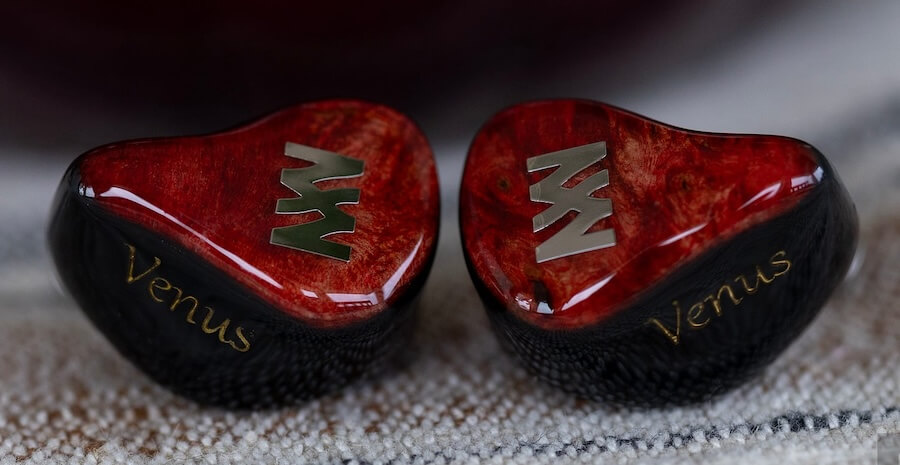
The Venus was Melody Wings’ debut IEM and sits just below the Uranus in price at $168. It uses resin shells, metal nozzles, and a detachable modular cable. The Uranus has a softer, more ergonomic cable but retains the same modular termination system. Both include decent silicone eartips, although neither ships with foam tips.
Sonically, the Venus is warmer and less V-shaped than the Uranus. Its sub-bass is less forward, while the mid-bass is similar in overall quantity. The lower midrange is warmer and smoother, blending into a more relaxed upper-midrange presentation.
The Uranus follows a more conventional upper-midrange tuning, although the Venus carries slightly more energy through the 4–5kHz region. The Uranus is brighter up top, giving hi-hats and cymbals firmer edges and better separation. The Venus is still quite resolving, but the Uranus sounds more vibrant because of its greater contrast between bass, mids, and treble.
Between the two, I prefer the Venus. Its treble has a little less sparkle, but it also avoids the occasional sharpness I hear from the Uranus. The Uranus has more bass presence, yet it does not sound as cohesive or as smooth overall. For a mixed-genre music library, the Venus is the more consistent listen.
EarAcoustic Audio Oshun
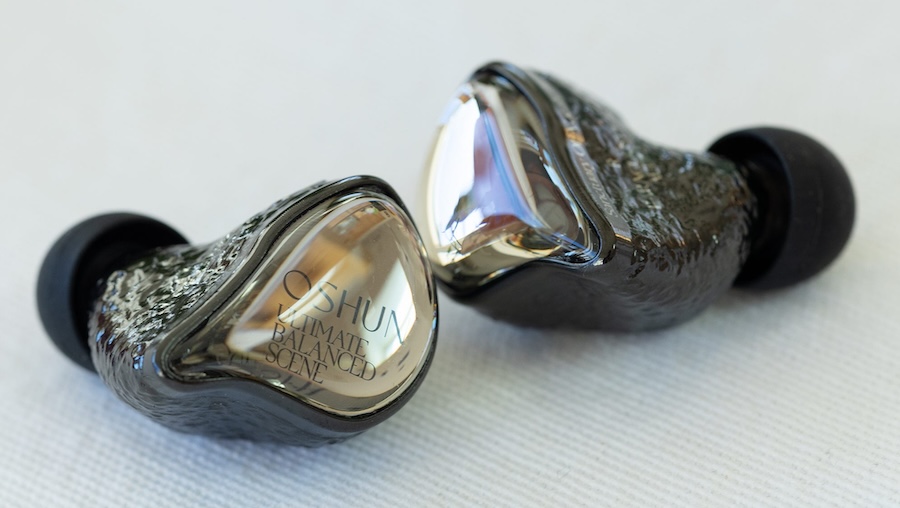
The Ear Acoustic Audio Oshun is an excellent single dynamic-driver IEM with all-metal shells. It retails for about $188, putting it almost directly against the Uranus on price. It feels more substantial in the hand and also comes with a nicer cable and carrying case.
Sonically, the Oshun is slightly warmer and noticeably bassier, with a clear increase in punch and rumble. IEMs like the Oshun are also what make me question the usefulness of bone-conduction drivers in some designs. If a well-implemented dynamic driver can produce genuine tactility, rumble, and visceral impact on its own, then the case for adding a BCD becomes less obvious.
Tangent aside, the Oshun delivers a thicker, weightier low end that is considerably more entertaining with bass-heavy genres such as EDM. The Uranus has slightly more emphasis through the upper midrange and lower treble, along with noticeably greater upper-treble extension. It also gives treble-focused instruments cleaner edges and better layering during dense, chaotic passages.
Between the two, I prefer the Oshun. It simply out-funs the Uranus while also offering more substantial build quality, a thicker cable, and more cohesive bass. It also avoids the BCD ringing that can occasionally affect the Uranus.
The Uranus still has the advantage in openness and air, with a broader, more spacious soundstage. Those are real strengths, but the differences are not large enough to outweigh the Oshun’s stronger bass performance and overall sense of engagement.
Juzear Light Shuttle
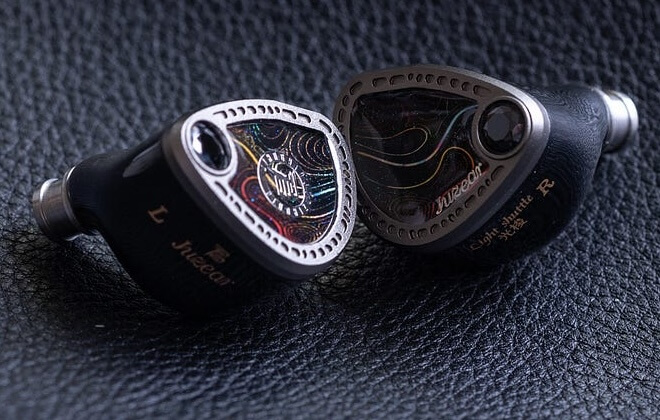
The Juzear Light Shuttle is a newer $189 tribrid IEM with resin shells and metal nozzles. It feels a little less substantial in the hand than the Uranus, although it ships with a broader selection of eartips. Its carrying case is more cramped, and while the Uranus cable is slightly thinner, it includes a very well-made USB Type-C termination that the Light Shuttle lacks.
Sonically, the Light Shuttle delivers stronger bass across the board, with more sub-bass rumble and greater mid-bass punch. It is also warmer overall and more relaxed through the upper midrange.
The Uranus counters with a brighter, airier treble presentation. It has slightly more lower-treble energy and noticeably greater upper-treble extension, which adds openness and contrast. The Light Shuttle is smoother and avoids the occasional sharpness I hear from the Uranus, but it can also sound flatter and less dynamic during dense instrumental passages.
The Light Shuttle has the advantage with bass-heavy music, but the Uranus stays better composed when tracks become more complex, particularly when multiple layers of texture are competing for space.
Between the two, I prefer the Uranus. It feels better built and offers a modest edge in technical performance. Its airier upper register restores some of the contrast missing from the Light Shuttle, even if that extra energy occasionally forces me to lower the volume by a notch or two.
The Light Shuttle offers better bass presence and cohesion, but not by enough to outweigh its weaker sense of air, contrast, and layering. Add the Uranus’s included USB Type-C connectivity and slightly lower price, and the advantage becomes more convincing.
The Bottom Line
Melody Wings has never been particularly interested in playing it safe, and the Uranus continues that trend. Its unusual quadbrid driver configuration gives it a distinct personality in the sub-$200 category, with strong resolution, an airy presentation, excellent extension at both ends, and a lively V-shaped tuning that rarely sounds dull.
It is not without quirks. The bone-conduction driver can produce noticeable ringing, the upper treble occasionally becomes sharp, and the resin nozzles feel like a step backward compared with the metal nozzles used on other Melody Wings models. The stock eartips also do not get the best from the BCD, making some experimentation with fit almost mandatory.
Get the fit right, however, and the Uranus can be a very rewarding listen. Its midrange is especially strong, while the combination of upper-treble extension, separation, and overall resolution gives dense recordings plenty of space to breathe.
At $188, the Uranus faces serious competition from models such as the EAA Oshun and Juzear Light Shuttle, both of which offer stronger bass performance in different ways. Neither, however, matches the Uranus for air, openness, and high-frequency detail.
The Uranus will not be the best choice for treble-sensitive listeners or anyone who strongly dislikes BCD resonance. For everyone else, it offers a distinctive, technically capable, and genuinely memorable alternative in an increasingly crowded price range.
Pros:
- Gorgeous hand-painted faceplates
- Airy, spacious soundstage
- Highly resolving presentation
- Excellent sub-bass and upper-treble extension
- Excellent modular cable with USB Type-C connectivity
Cons:
- Noticeable bone-conduction ringing
- Occasional upper-treble sharpness
- Resin nozzles feel like a step backward
- Stock eartips do not maximize BCD performance
- Uneven bass response between roughly 30Hz and 80Hz
Our Ratings:
★★★★★★★★★★ Sound Quality
★★★★★★★★★★ Build Quality
★★★★★★★★★★ Comfort
★★★★★★★★★★ Value
Where to Buy:
Related Reading:


















ORT
October 6, 2026 at 11:29 pm
“I’m sorry but you’ll just have to wait until I remove the Uranus from my ears”. Apparently no one thinks before naming a product.
ORT
Ian White
October 7, 2026 at 2:53 pm
ORT,
I think the other planets were taken.
But “Uranus” was definitely a stinky pick.
IW
ORT
October 11, 2026 at 9:36 pm
Ian –
There is a “novelty” song with the title “You Promised The Moon (But I Prefer Uranus)”! My younger brother often plays it for me just so I start laughing and can’t get the song out of my mostly empty head.
“You promised the moon! But I prefer Uranus, ‘cuz Uranus looks good tonight!” AAAAaaaaagh!!! It’s back in my head!
ORTson Wells
Ian White
October 12, 2026 at 9:48 am
ORT,
I’m going to run that by my better half.
IW
Aaron Sigal
October 11, 2026 at 1:30 am
Eastern brands typically don’t consult with westerners about names. Sometimes you get odd choices like these.
– AS