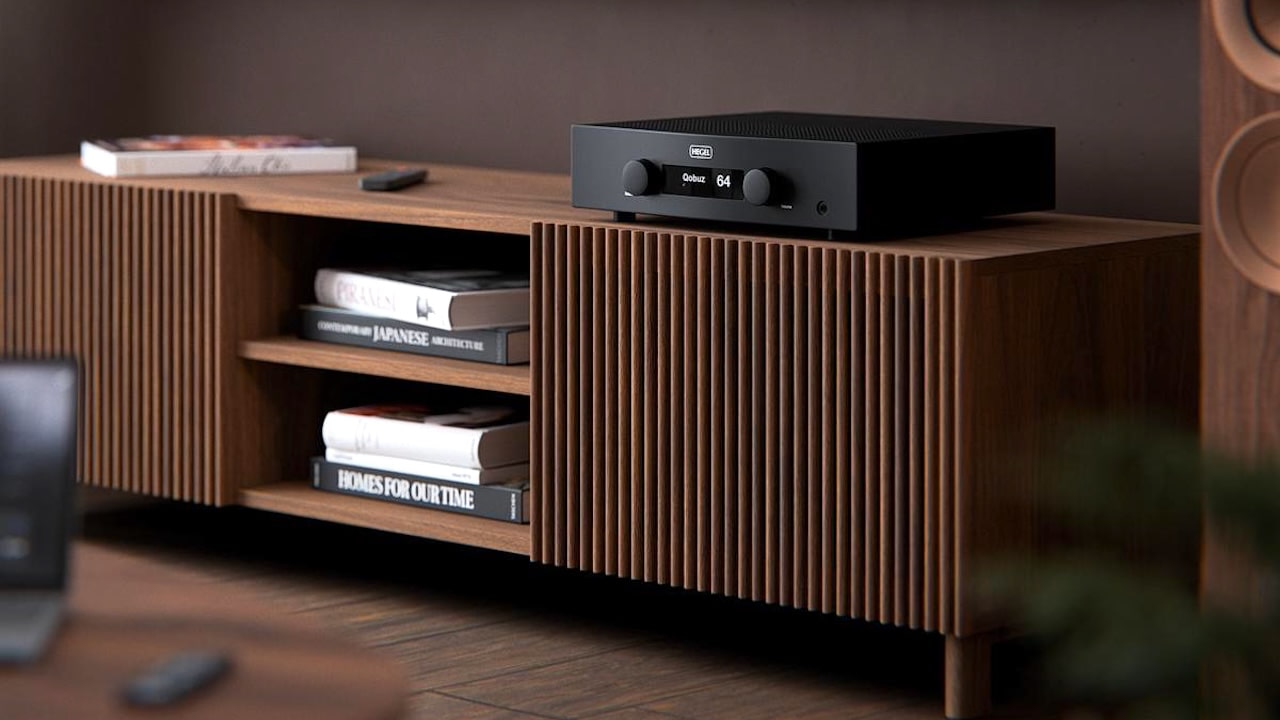
Hegel has spent nearly four decades quietly producing some of the best high-end electronics in Scandinavia, yet the Norwegian manufacturer still manages to fly under the radar compared with louder brands from Denmark, the United Kingdom, Japan, and North America.
That feels increasingly strange.
Founded in 1988 by Bent Holter, Hegel has built its reputation around high-current amplification, unusually high damping factors, minimalist industrial design, and its proprietary SoundEngine distortion-reduction technology. Its products are now sold through dealers in 63 countries, so this is hardly three engineers working beside a frozen fjord while waiting for the fishing boats to return with Lord Erling and his supply of cowboy hats.
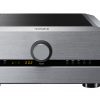
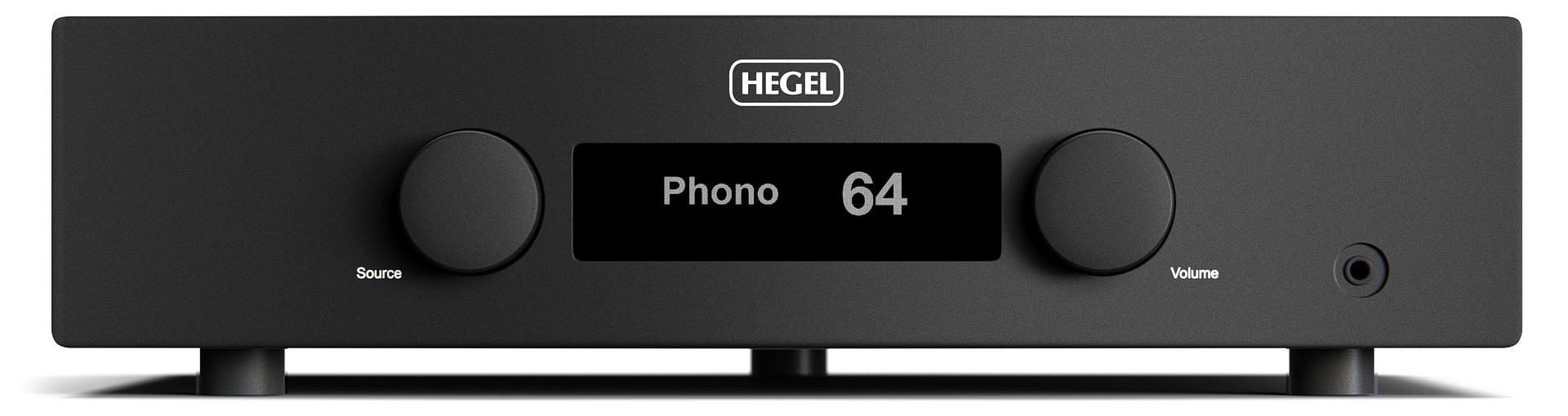
The new Hegel H200 and A200 integrated amplifiers are unlikely to change the company’s preference for visual understatement, but they offer one of its clearest product choices yet.
Both use the same 150-watt-per-channel Class AB output stage. The $4,995 H200 adds an internal DAC, network streaming, USB playback, and digital connectivity. The $3,995 A200 removes all of that and focuses exclusively on analog sources and external components.
Same engine. Two different roads.
One Amplifier Platform With Two Personalities
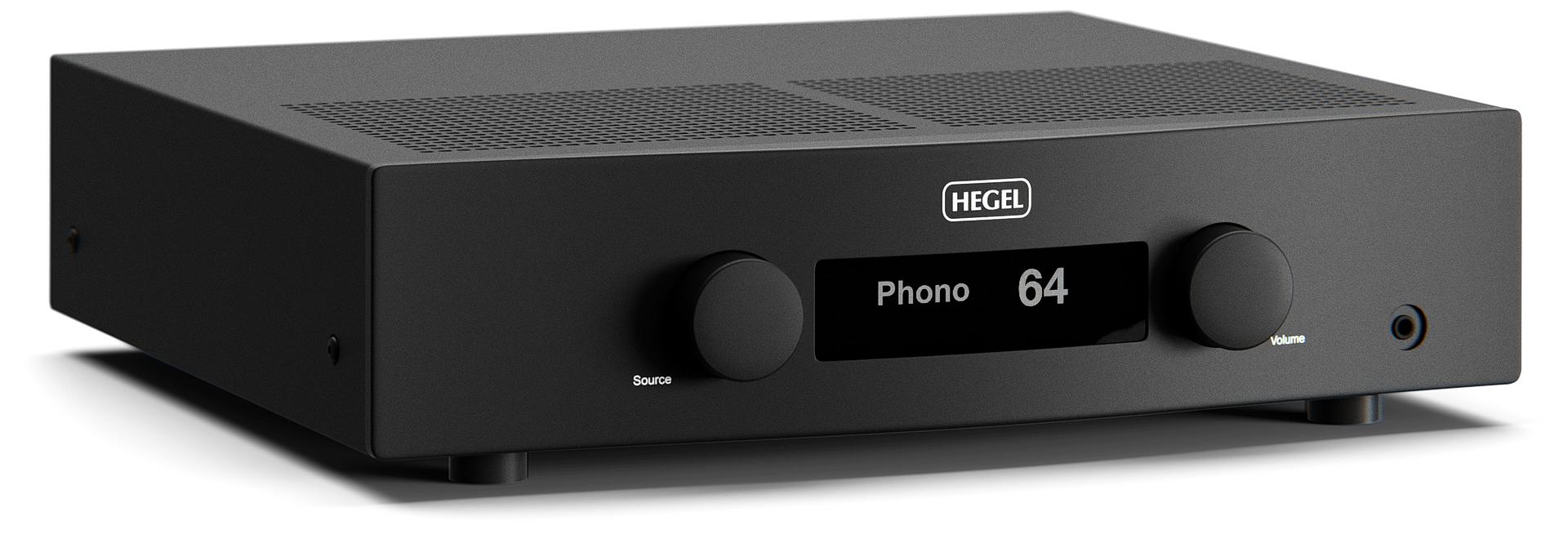
The H200 and A200 deliver 150 watts per channel into 8 ohms and are rated to remain stable with loudspeaker loads down to 2 ohms. Both use Hegel’s SoundEngine2 circuitry, which is designed to identify and reduce distortion as it occurs rather than relying on large amounts of conventional global feedback afterward.
Hegel also claims a damping factor greater than 4,000, giving both amplifiers considerable electrical control over loudspeaker drivers. That figure does not guarantee great sound by itself, but it helps explain why Hegel amplifiers have developed a reputation for controlled bass, strong dynamics, and an ability to drive more demanding loudspeakers without becoming flustered.
Both models include a Moving Magnet phono stage derived from the MM section of Hegel’s standalone V10 phono preamplifier. The circuit uses hand-matched FET gain stages and selected operational amplifiers rather than the inexpensive phono board that sometimes gets tossed into an integrated amplifier so the marketing department can check another box.
A front-panel headphone output, fixed RCA output, variable RCA output, configurable input levels, home-theater bypass functionality, TV remote learning, automatic standby, and adjustable display brightness are also included on both models.
The real difference is everything that happens before the analog amplifier stage.
Hegel H200: The Connected Option
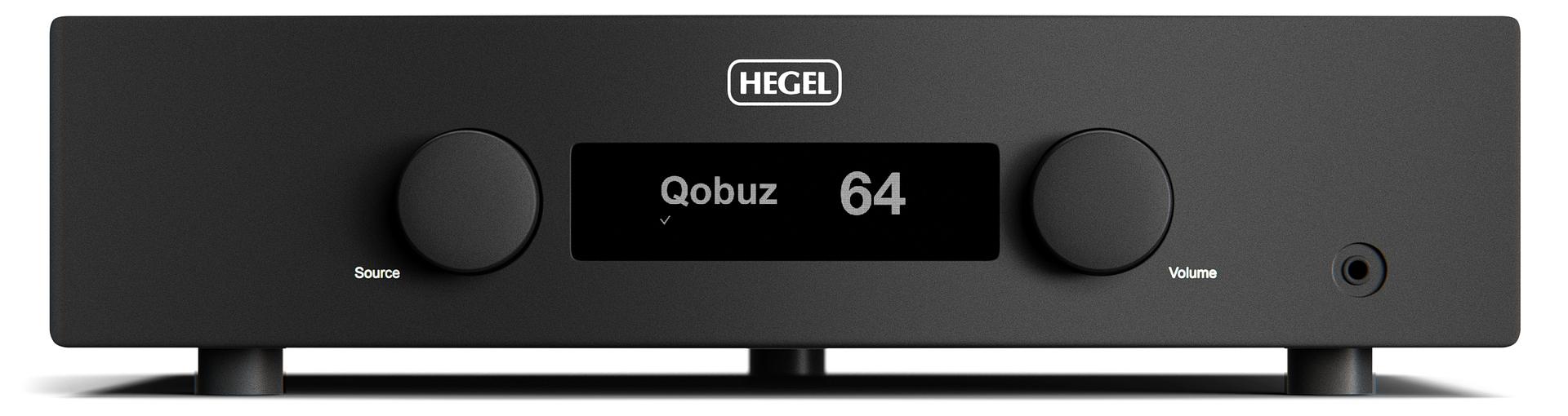
The H200 is designed to function as the center of a complete two-channel system.
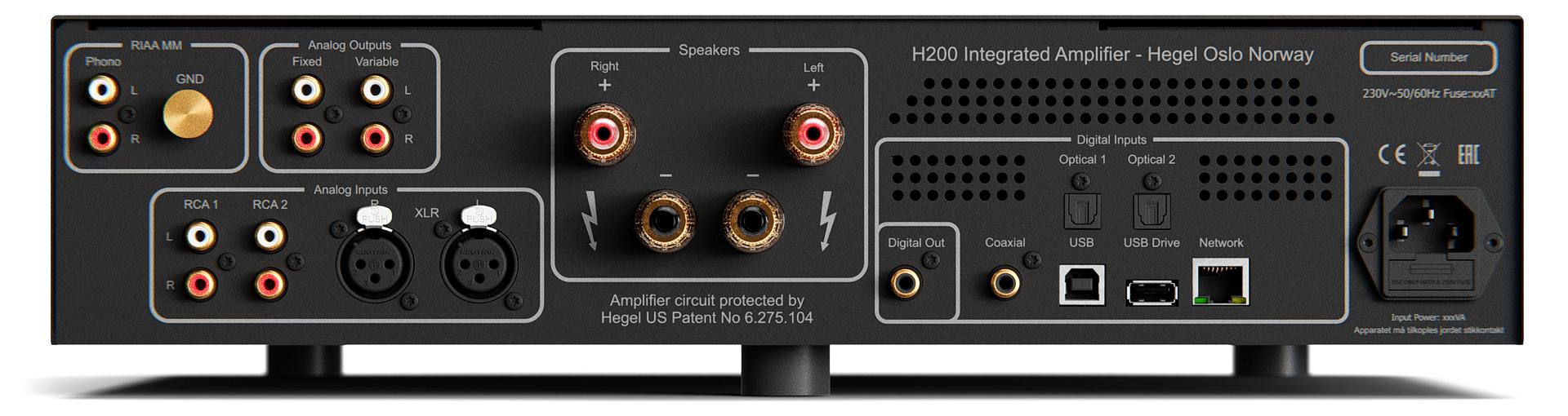
Its internal DAC supports coaxial, optical, USB-B, USB-A, and network sources. Resolution reaches 24-bit/192kHz through coaxial, USB-B, and network playback, while the two optical inputs support up to 24-bit/96kHz.
The USB-A port can play music directly from storage devices containing libraries of up to 10,000 songs. Supported streaming formats include FLAC, WAV, ALAC, AIFF, AAC, MP3, PCM, and Ogg.
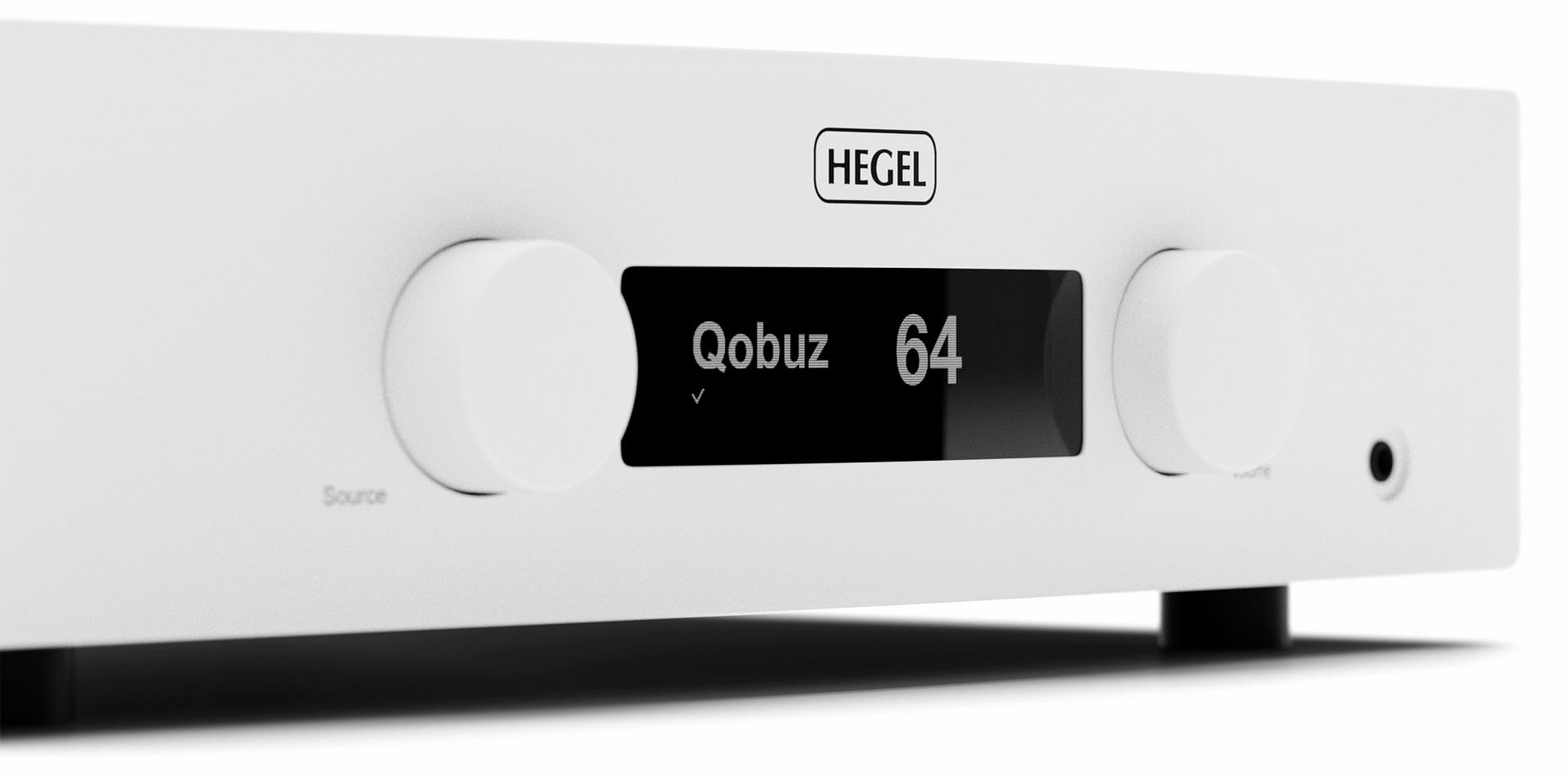
Streaming support includes Spotify Connect Lossless, TIDAL Connect, Qobuz Connect, Apple AirPlay, Google Cast, UPnP, Roon Ready, and airable internet radio and podcasts. The Hegel Control app handles volume, source selection, playback, and browsing of compatible network and USB libraries.
The H200 also includes a coaxial digital output and Hegel’s DAC Loop feature. This allows owners to send a digital signal to an external DAC and route its analog output back into the amplifier, providing an upgrade path without abandoning the H200’s streaming platform, source control, or power amplifier.
That is a smart addition. Buying an all-in-one amplifier should not require swearing lifelong allegiance to its internal DAC.
There is no HDMI eARC input, which feels increasingly conspicuous on a $4,995 connected amplifier. Television audio can still be handled through optical or coaxial digital inputs, and the amplifier can learn commands from many TV remotes, but buyers looking for HDMI switching or automatic eARC integration will need to look elsewhere.
Hegel A200: Digital Need Not Apply
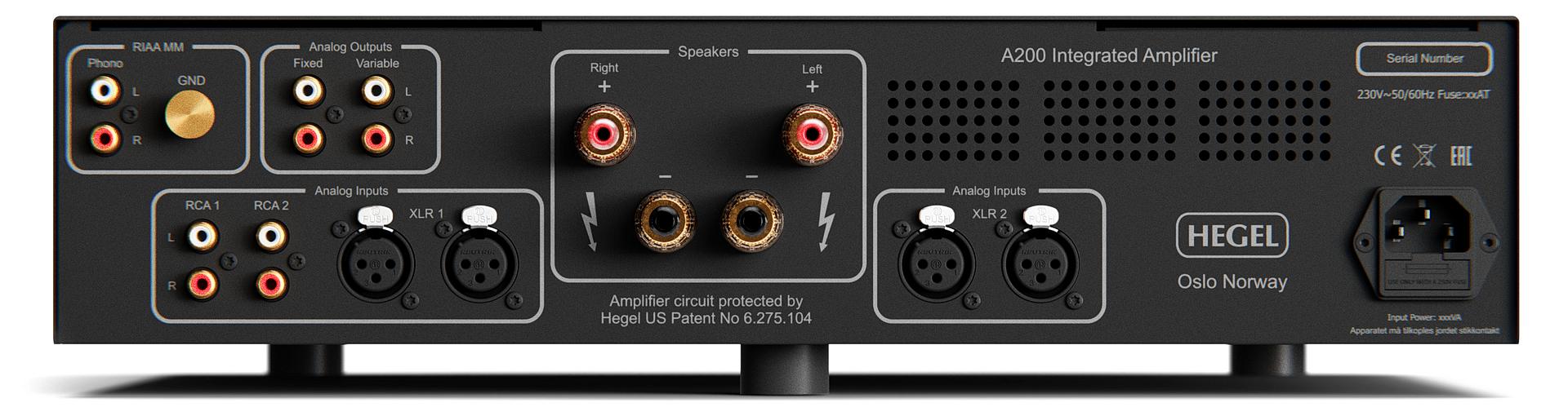
The A200 uses the same core amplifier platform but removes the DAC, streamer, network connection, USB ports, and every other digital input.
That will sound backward to some buyers and entirely sensible to others.
Many audiophiles already own a DAC or network streamer they prefer. Others upgrade digital components more frequently than amplification or build systems around turntables, CD players, tuners, tape decks, and other analog sources. For those listeners, paying extra for a digital section they have no intention of using makes very little sense.
The removal of the H200’s digital circuitry also makes room for a second balanced XLR input. The A200 therefore offers two balanced inputs, two unbalanced RCA inputs, the MM phono stage, headphone output, and fixed and variable RCA outputs.
It is not the cheaper H200. It is the same amplifier aimed at someone who has already chosen the rest of the system.
Specifications: H200 vs. A200
| H200 | A200 | |
|---|---|---|
| MSRP | $4,995 | $3,995 |
| Type | Network streaming integrated amplifier | Analog integrated amplifier |
| Amplifier | Class AB with SoundEngine2 | Class AB with SoundEngine2 |
| Power output | 2x150W into 8 Ohms @ 1kHz 1% THD, 100/120/230V AC | 2x150W into 8 Ohms @ 1kHz 1% THD , 100/120/230V AC |
| Minimum load | 2 ohms | 2 ohms |
| Analog inputs | 1x Balanced (XLR), 2x Unbalanced (RCA) | 2x Balanced (XLR), 2x Unbalanced (RCA) |
| Phono input | 1 x Unbalanced (RCA) for Moving Magnet (MM) | 1 x Unbalanced (RCA) for Moving Magnet (MM) |
| Digital outputs | 1x Coaxial S/PDIF – 24/192 | – |
| Digital inputs | 1x Coaxial (RCA) S/PDIF – 24/192, 2x Optical S/PDIF – 24/96, 1x USB B- 24/192, 1x USB A 2.0 – USB Drives (10,000 songs), 1x Network – 24/192 | – |
| Line level outputs | 1x Unbalanced variable (RCA), 1x Unbalanced fixed (RCA) | 1x Unbalanced variable (RCA), 1x Unbalanced fixed (RCA) |
| Streaming | Spotify Connect (Lossless), Tidal Connect, Qobuz Connect, Apple AirPlay, Google Cast, airable Internet Radio and Podcast, UPnP | – |
| Streaming formats | MP3, WAV, FLAC, ALAC, AIFF, AAC, PCM, Ogg | – |
| Smart Home | Control4, Crestron Home, Crestron SIMPL | – |
| Frequency response | 5Hz-100kHz | 5Hz-100kHz |
| Signal-to-noise ratio | More than 100dB | More than 100dB |
| Crosstalk | Less than -100dB | Less than -100dB |
| Distortion | Less than 0.01% @ 50W 8 Ohms 1kHz | Less than 0.01% @ 50W 8 Ohms 1kHz |
| Intermodulation | Less than 0.01% (19kHz + 20kHz) | Less than 0.01% (19kHz + 20kHz) |
| Damping factor | More than 4000 (main power output stage) | More than 4000 (main power output stage) |
| Dimensions (WxDxH) | 43 x 41 x 12 cm (17 x 16.2 x 4.7″) | 43 x 41 x 12 cm (17 x 16.2 x 4.7″) |
| Weight | 13.6 kg (30 lbs) | 13.5 kg (29.8 lbs) |
| Finishes | Black, White | Black |
The Bottom Line
Hegel’s decision to offer the same amplifier in connected and fully analog versions makes more sense than forcing every buyer into the same configuration.
The H200 is the obvious choice for listeners who want streaming, digital playback, vinyl, headphones, and loudspeaker amplification consolidated into one component. The A200 is aimed at owners who already have a preferred DAC, streamer, or collection of analog sources and would rather spend $1,000 less than pay for duplicated circuitry.
Neither model looks designed to attract attention from across the room. That has never been Hegel’s game. The company builds understated amplifiers that frequently outperform flashier competitors and then seems mildly surprised when someone notices.
Perhaps Norway needs to work on its bragging.
Pricing & Availability
- The Hegel H200 will retail for $4,995 at Audio Advice, with shipping expected to begin in late August 2026. It will be available in black or white.
- The Hegel A200 will retail for $3,995 at Audio Advice and is scheduled to follow in October 2026. It will be offered only in black.
For more information: hegel.com
Related Reading: