Sonos appears ready to take another swing at premium wireless headphones, and the company cannot afford to simply add better noise cancellation, longer battery life and some AI seasoning before calling it an “Ultra.”
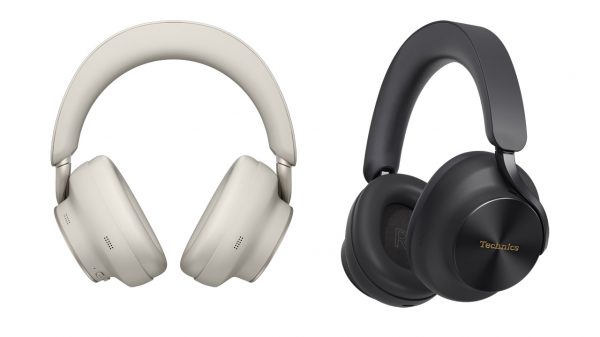
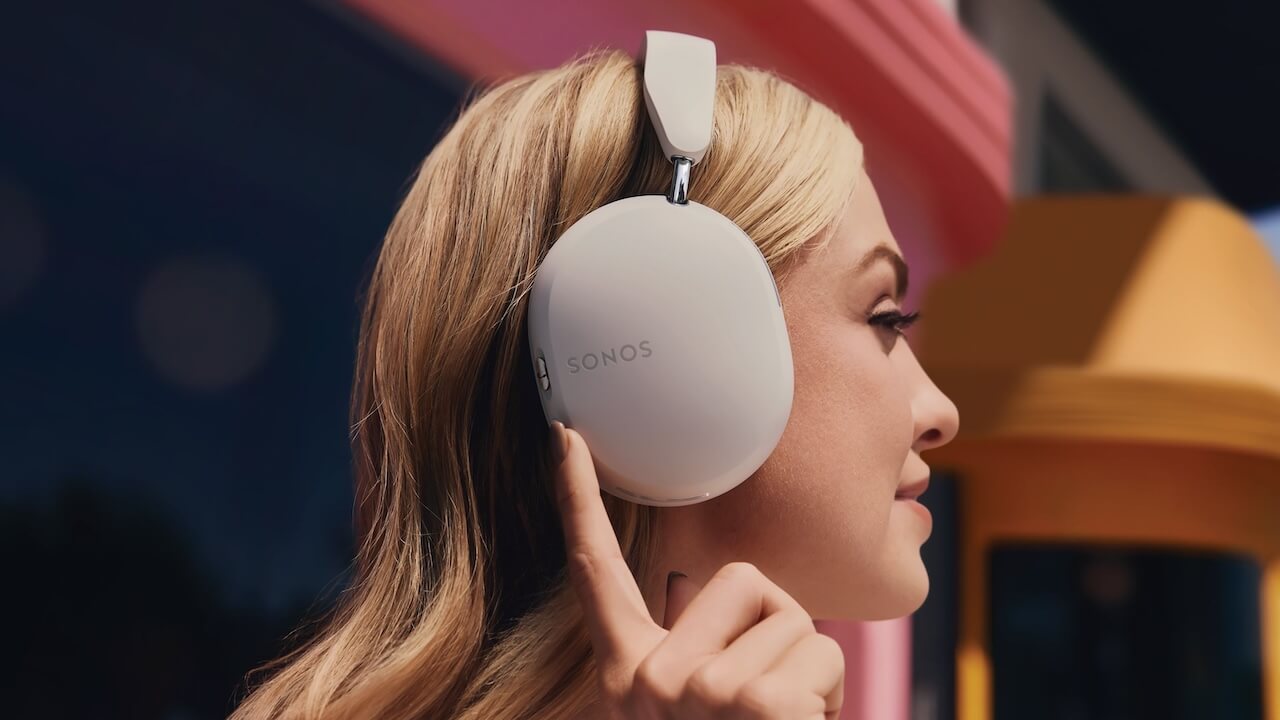
An FCC filing dated August 10, 2026, identifies a new Sonos “Wireless Headphone” under model RM052, with internal references to S52A. The certification documents include testing for Bluetooth as well as 2.4 GHz and 5 GHz Wi-Fi. Lowpass, which first reported the filing, says the headphones are expected to be called Sonos Ace Ultra and may arrive in five finishes: Greige, Shadow Black, Agave, Blush and Sand. Sonos has not officially announced the product or confirmed the Ace Ultra name.

Timing certainly makes sense. Sonos CEO Tom Conrad has already disclosed that the company plans a product launch event in September, while talking increasingly about “conversational computing” and “predictive intelligence” in the home. Sonos has not said that the September product is a new pair of headphones, but an FCC filing appearing several weeks beforehand is not exactly subtle.
The more important question is whether Sonos learned anything from the first Ace.
Related Reading:
- Sonos Tries To Repair Its App With Tabs, Better Volume Controls And Speaker Sorting
- Sonos Wants AI In Every Room But Does Everyone Actually Want It?
- Sonos Ace Review: The Goldilocks Of Over-Ear Wireless Headphones
The Original Sonos Ace Were Good Headphones With a Sonos Problem

When the original Sonos Ace arrived in 2024 for $449, there was plenty to like. Build quality was excellent, they were comfortable, battery life was competitive and their tonal balance made them a legitimate alternative to premium models from Sony, Bose, Sennheiser, Apple and Bowers & Wilkins. Our review found their sound engaging and well balanced, with particularly strong vocal reproduction and better overall comfort than several major competitors.
The problem was sitting right there on the ear cup.
It said Sonos.
Consumers reasonably expected headphones from the company that helped define wireless multiroom audio to behave like another Sonos product. They didn’t. The Ace could not simply appear as another room or endpoint in a Sonos system, nor could users routinely send music from an existing Sonos speaker directly to their headphones.
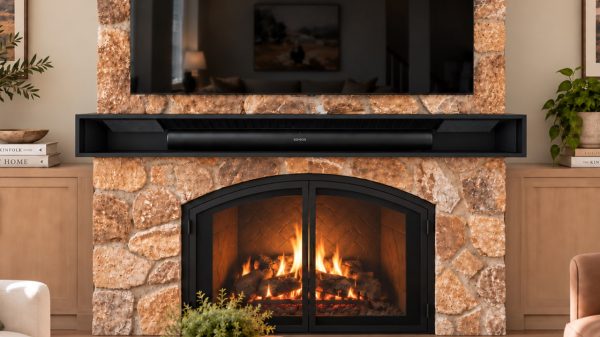
Wi-Fi was used for TV Audio Swap with compatible Sonos soundbars, which remains one of the Ace’s best features, but the broader integration many Sonos owners expected simply wasn’t there.
Sonos improved the Ace considerably in 2025 with TrueCinema, support for two Ace headphones during TV Audio Swap, improved ANC and better call performance. Those were worthwhile additions, but some of them were also features consumers had expected much sooner.
The current Ace now sells for $399 $299 directly from Sonos, Amazon, Best Buy, and others.
Which raises a rather obvious question.
Why Does Sonos Need Another Pair of Headphones?
Because the premium wireless headphone market has not been standing around waiting for Sonos.
Sony, Bose, Sennheiser, Bowers & Wilkins and Apple are deeply established, while brands such as Focal, DALI and HiFiMAN have pushed wireless sound quality much further up the performance ladder.
Simply releasing an Ace with better ANC, improved drivers, another ten hours of battery life and five fashionable colors would make it a better product. It would not necessarily make it a compelling one.
Sonos needs to exploit something those companies cannot easily duplicate: the Sonos ecosystem itself.
More than 17 million households already use Sonos products, according to the company. That installed base should be the competitive advantage.
If you own an Era 300 in the kitchen, a Five in the office and an Arc Ultra system downstairs, why shouldn’t you be able to transfer whatever you are listening to directly to your headphones and walk out the door?
That is what people expected the first time.
What Does Sonos Need to Get Right?
First, the next Ace needs to become a true Sonos endpoint.
Let it appear inside the Sonos app like any other room. Allow users to move music between speakers and headphones without reverting to Bluetooth. Let the headphones receive lossless music directly over Wi-Fi when the user is at home.
That would immediately give Sonos something different to sell.
Second, TV Audio Swap needs to become even more flexible. Sonos has already expanded the feature and added TrueCinema, but private home theater listening remains one of the company’s best ideas. Faster switching, broader product compatibility and better integration across multiple Sonos rooms would strengthen an advantage competitors cannot easily reproduce.
Third, Sonos cannot allow new hardware to become another hostage to unfinished software.
The disastrous 2024 app redesign damaged customer confidence precisely when the first Ace arrived. Sonos has spent the past two years rebuilding navigation, restoring functionality and trying to convince existing customers that software updates will no longer turn their expensive audio systems into involuntary beta tests. The redesigned app introduced in 2026 is a meaningful improvement, but trust takes longer to reinstall than software.
And finally, Sonos needs to be very careful with AI.
If the Ace Ultra really becomes part of Sonos’ push toward conversational computing, the feature needs to solve actual problems. Voice control that understands natural requests across rooms could be genuinely useful. AI that recommends music you didn’t ask for or adds another assistant between you and the play button is considerably less exciting.
Nobody shopping for $400 to $500 headphones is lying awake wondering why their headphones lack enough artificial intelligence.
Could the Sonos Ace Ultra Actually Succeed?
Yes.
In fact, the original Ace provides a fairly strong foundation. Sonos did not fail at the difficult parts of headphone design. The Ace were comfortable, well constructed, sounded good and offered a useful home theater feature that competitors largely could not match.
Sonos simply stopped short of making them fully part of the ecosystem that justified putting the Sonos name on them.
If the reported Ace Ultra fixes that, Sonos could have something much more interesting than another premium Bluetooth headphone.
If it doesn’t, Greige is lovely this time of year.
Related Reading: