
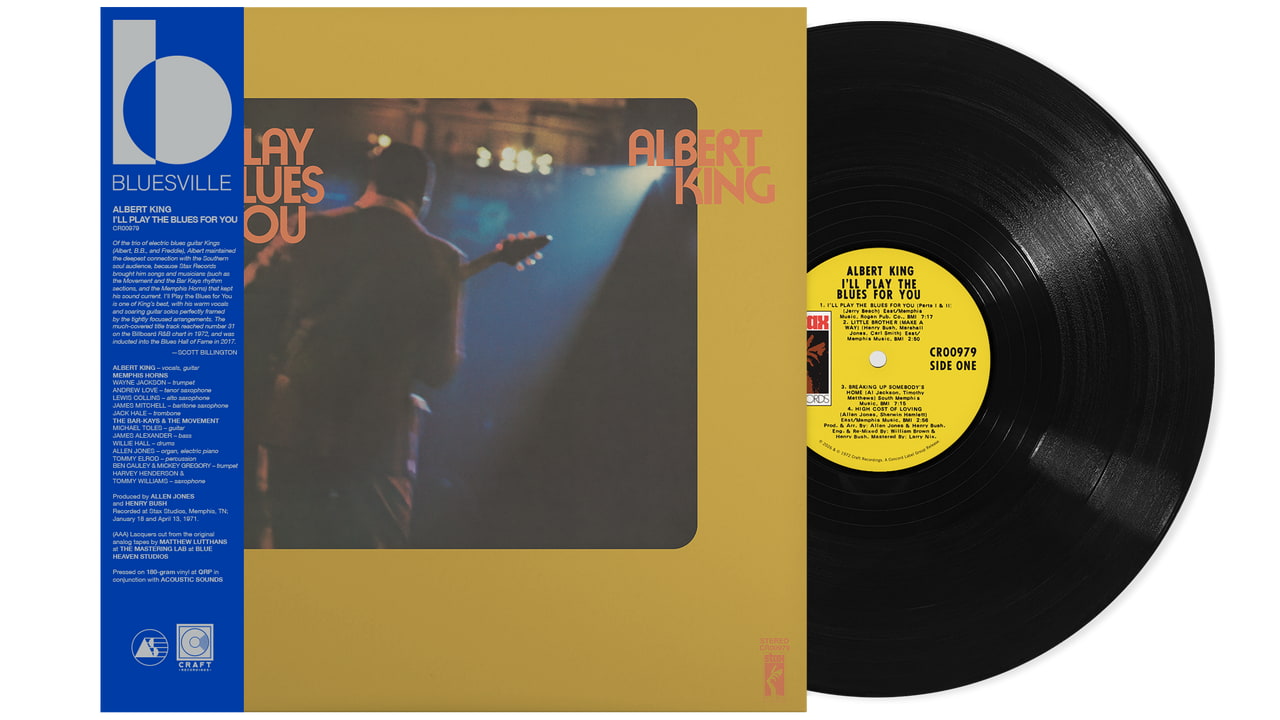
Craft Recordings’ Bluesville reissue label understands something the jazz reissue machine sometimes forgets: the blues is not lesser American music because it arrives with fewer glossy box sets, fewer tasting notes, and fewer men in linen jackets pretending side two changed their lives. Originally released by Stax in 1972, King’s I’ll Play the Blues for You remains direct, funky, wounded, and dangerous in ways that will be apparent to listeners from the opening groove.
Craft and Bluesville have done well so far because they treat this music with the same seriousness usually reserved for jazz royalty: AAA mastering from the original analog tapes by Matthew Lutthans at The Mastering Lab, 180-gram vinyl, and packaging that says this belongs on the top shelf, not buried under “roots music” like an apology.
Blues does not ask permission to matter. It just walks in, orders something strong, and reminds the Range Rover crowd that missing a Pilates reservation, losing the Ozempic pen between the seats, or getting cut off at H-E-B for the last bag of artisanal dog jerky is not the same thing as suffering.
Related Reviews:
- John Lee Hooker’s That’s My Story Review: Craft Bluesville Revives The 1960 Blues Classic On All-Analog 180-Gram Vinyl
- Lightnin’ Hopkins’ Blues In My Bottle Returns On 180g All-Analog Vinyl Reissue From Craft Recordings: Review
- Freddie King ‘Feeling Alright’ RSD 2026 Release Captures Sizzling 1975 Nancy Jazz Pulsation Concerts
Often grouped with B.B. King and Freddie King as one of the “Three Kings of the Blues,” Albert King did not need the surname to make the case. Born Albert Nelson in Mississippi in 1923 and raised largely in Forrest City, Arkansas, King came up the hard way: gospel in the family circle, field work, club gigs, and a guitar education built more on instinct than instruction.
Before the Gibson Flying V became his weapon of choice, he learned on homemade instruments and absorbed T-Bone Walker, Blind Lemon Jefferson, Elmore James, and the Delta players around him. He was left-handed, played right-handed guitars upside down, and bent notes like he was trying to pull the truth out by force.
King’s path to Stax was not clean or immediate. He moved through Osceola, Gary, St. Louis, and Chicago, working clubs, playing drums at times, cutting early singles, and building a reputation as a physically imposing performer with a voice to match. The “Velvet Bulldozer” nickname was not marketing fluff. He had the size, the tone, and the patience to flatten a room without raising his pulse. His guitar did not chatter.
Signing with Stax Records in the mid-1960s changed the scale of everything. Backed by musicians who understood soul, blues, R&B, and groove as one language, King entered the run that made his legacy impossible to dismiss. “Laundromat Blues,” “Crosscut Saw,” and “Born Under a Bad Sign” were not just records that worked commercially. They were signs of genuine progression. The sound was tougher, tighter, and more modern than a lot of blues purists were ready to admit, which is usually how you know something important is happening.

By the time I’ll Play the Blues for You arrived in 1972, Albert King was not chasing relevance. He already had it by the throat. Produced by Allen Jones and Henry Bush, the album pushed deeper into Memphis soul and funk without sanding down the grit. The Bar-Kays and The Movement lock the rhythm section into place with zero wasted motion, while The Memphis Horns give the arrangements muscle without turning the whole thing into showroom upholstery.
The longer tracks work because King understood pacing. “I’ll Play the Blues for You” and “Breaking Up Somebody’s Home” both run past seven minutes, but neither drags nor turns into jam-band bar mitzvah dinner filler. King gives the rhythm section room, lets the groove do its job, and uses the guitar when it matters. “Breaking Up Somebody’s Home” crossed over to the pop chart and reached the R&B Top 40, but the chart numbers are secondary.
The title track was later inducted into the Blues Hall of Fame, which is deserved, but also a little funny. Anyone who has actually heard it already knew. Albert King was not asking to be preserved behind glass. He was making records that still sound charged, and emotionally useful. That is why I’ll Play the Blues for You still matters, and why Craft’s Bluesville treatment feels less like nostalgia than overdue respect.
Sonically, this Craft Bluesville pressing is clean, clear, and nicely balanced, but nobody should expect the kind of wall-to-wall audiophile soundstage that makes reviewers start measuring imaginary room width with their hands. The presentation is more direct than expansive, with heavy bass, some welcome warmth, and solid snap from the percussion. King sounds present and focused, but he is not pushed unnaturally forward or thrown into your lap like somebody at a wedding who has had too much bourbon. Damn you Uncle Phil.
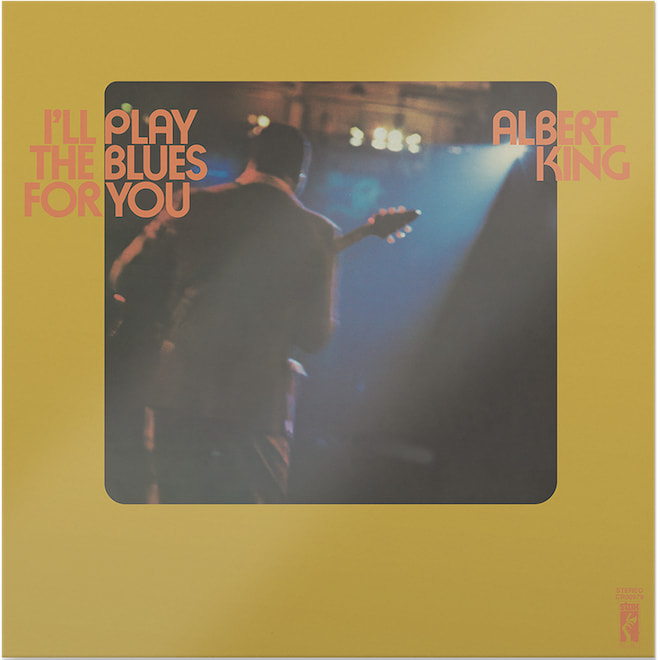
That balance works for the album. His voice sits inside the band rather than overpowering it, and the guitar has bite without turning hard or glassy. “Little Brother” is one of the few moments where King seems to step a little closer to the microphone, leaning into the vocal with more swagger and charm, like he noticed the good looking woman in the studio and decided subtlety could take five.
The pressing itself was excellent. My copy was very clean, quiet, and centered properly, with a dead-center spindle hole and no obvious pitch wander. That matters on a record like this, because the grooves need to settle in and ride. This one does.
Our Ratings
★★★★★★★★★★ Album
★★★★★★★★★★ Recording
★★★★★★★★★★ Pressing Quality
Where to buy
Related Reading:
- Allen Toussaint’s Songbook Review: Craft Recordings’ Expanded 2-LP Vinyl Debut Honors An American Master
- Sonny Rollins Remembered, Peter Sellers Brings Beautiful Disaster To The Party, And Maybe Pedro Should Have Kept The Helmet On: Editor’s RoundUp
- Soul To Soul 1971 Concert Blu-Ray And CD Review: Wilson Pickett, Santana, Tina Turner, And Staples Singers Shine In Ghana




























Billy Bob
June 18, 2026 at 4:28 pm
Sounds a lot more interesting than the other release. I listened to both on Qobuz and I am ordering this one.
Craft is releasing some great reissues. Nicely done review.