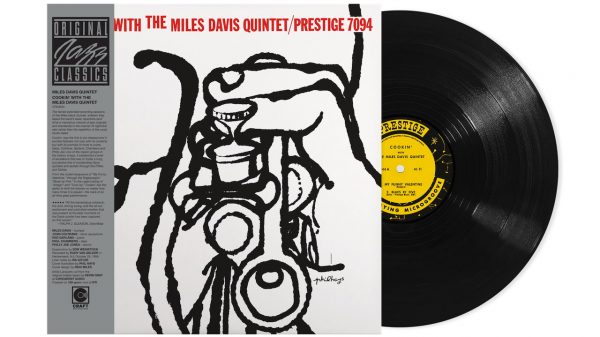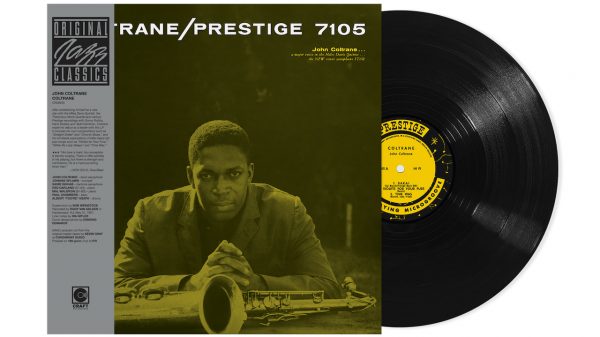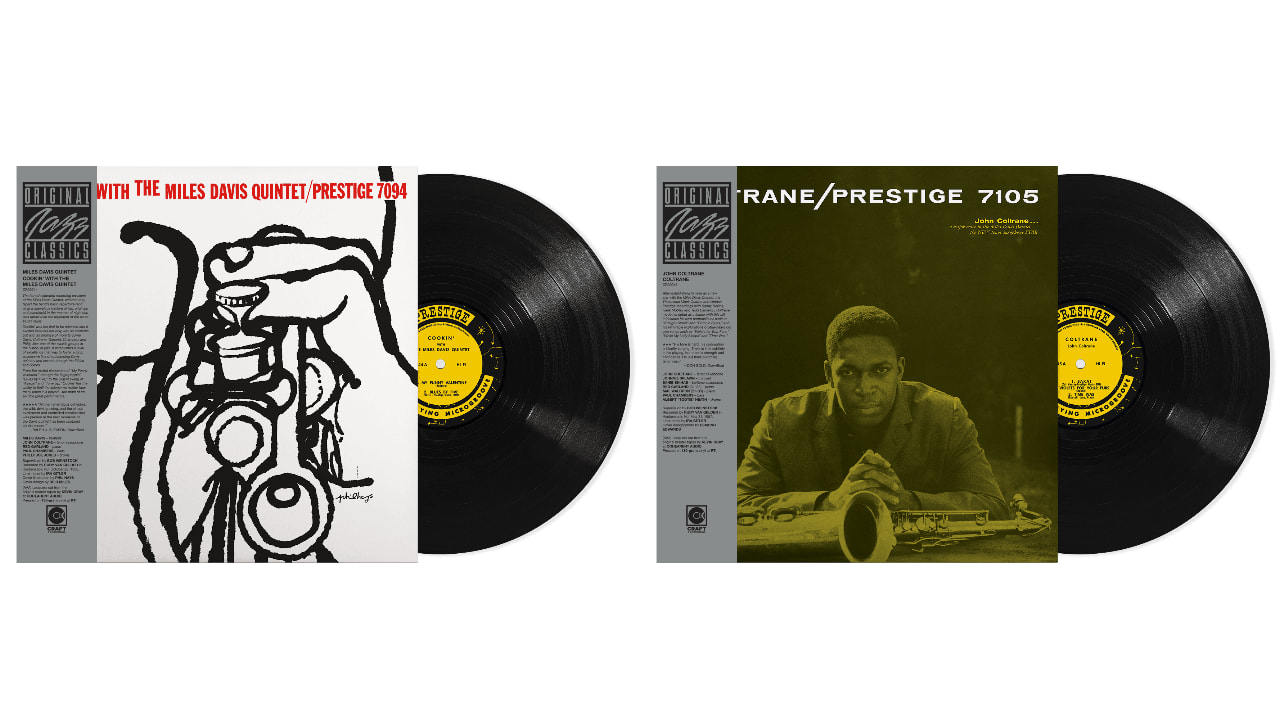
Jazz centennial campaigns can become a lazy excuse to wheel out the same greatest-hits package with a new hype sticker. Craft Recordings is taking a more credible route. Its Original Jazz Classics series will mark the 100th birthdays of Miles Davis and John Coltrane on August 14 with new vinyl editions of Cookin’ with the Miles Davis Quintet and Coltrane’s self-titled 1957 Prestige debut; two records that capture both men before history turned them into monuments.
Cookin’ documents Davis’ First Great Quintet—Miles, Coltrane, Red Garland, Paul Chambers, and Philly Joe Jones during the legendary 1956 Prestige sessions that also yielded Relaxin’, Workin’, and Steamin’. Meanwhile, Coltrane captures Trane’s first session as a leader, recorded at Rudy Van Gelder’s studio in May 1957, just as his unmistakable voice was beginning to emerge from the hard-bop crowd.
Both reissues will feature AAA lacquers cut from the original tapes at Cohearent Audio, 180-gram vinyl pressed at RTI, and Stoughton Tip-On jackets with obi strips; the same sensible formula that has made the revived OJC line one of the more reliable modern options for collectors who want the real albums, properly presented, without being asked to sell a kidney for a One-Step. Digital editions will arrive simultaneously in 24-bit/192kHz hi-res formats.
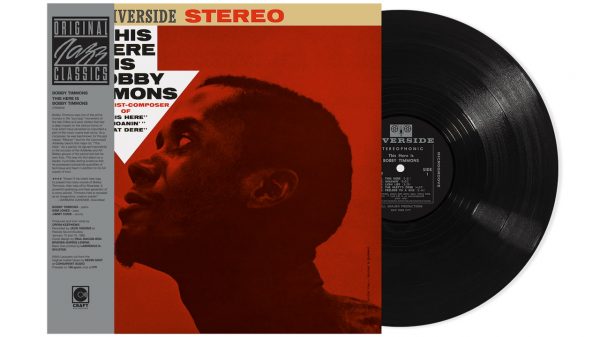
They also continue a busy run for OJC, which has recently returned Wes Montgomery’s Full House, Vince Guaraldi and Bola Sete’s From All Sides, Thelonious Monk’s Alone in San Francisco, The Young Lions, Lee Morgan’s Introducing Lee Morgan, and Bobby Timmons’ This Here Is Bobby Timmons to vinyl with the same core AAA, RTI, and tip-on-jacket approach.
Related Reviews:
- Allen Toussaint’s Songbook Review: Craft Recordings’ Expanded 2-LP Vinyl Debut Honors An American Master
- Vince Guaraldi & Bola Sete’s From All Sides Returns On 180g Vinyl In Craft Recordings Original Jazz Classics Series
Miles and Trane at Full Boil
There are jazz records that arrive carrying the weight of history so heavily that listeners forget to enjoy them. Cookin’ with the Miles Davis Quintet is not one of those records. Yes, it documents Miles Davis’ First Great Quintet with John Coltrane on tenor saxophone, Red Garland on piano, Paul Chambers on bass, and Philly Joe Jones on drums, but it still moves like a great band caught on a particularly historic night.
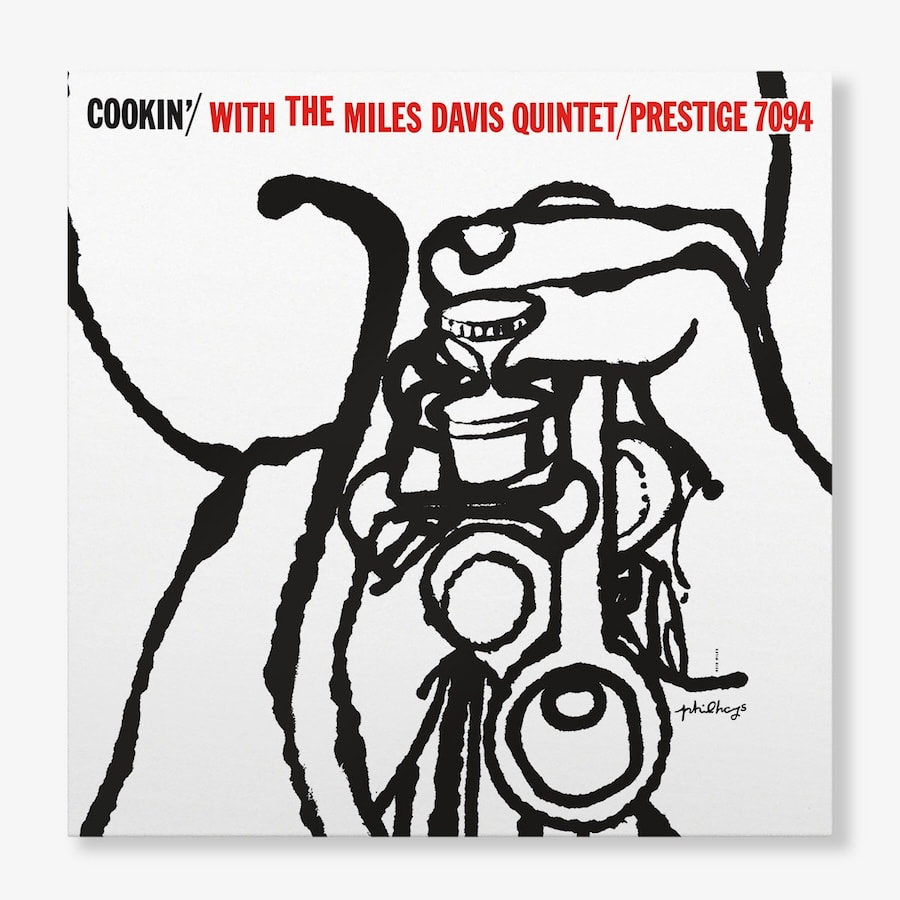
Recorded on October 26, 1956, at Rudy Van Gelder’s Hackensack studio, Cookin’ was drawn from the same pair of Prestige sessions that also produced Relaxin’, Workin’, and Steamin’. Davis had already signed with Columbia and needed to finish his Prestige obligations, but there is nothing contractual or dutiful about the results. The quintet had spent months refining this material on the road, and the sessions were approached much like a club set: little fussing, few second guesses, and enough confidence to make difficult music sound almost casual.
The album opens with “My Funny Valentine,” a beautiful reminder that Davis did not need volume or velocity to take command of a room. With Coltrane sitting out, Miles works against Garland, Chambers, and Jones with a measured, almost conversational sense of space. From there, the temperature rises quickly. “Blues by Five” has all the relaxed authority of a band that knows exactly where the pocket lives, while “Airegin” lets Coltrane begin to push against the tune’s hard-bop architecture with the restless energy that would soon define his own work.
The closing pairing of “Tune Up” and “When Lights Are Low” gives the full group room to stretch without ever losing the plot. Garland brings elegance, Chambers keeps everything grounded, and Philly Joe Jones drives the proceedings with the kind of alert, propulsive swing that makes lesser drummers sound like they are waiting for a bus.
Cookin’ is not Miles at his most radical, nor is it Coltrane at his most searching. That is precisely why it remains so essential. This is a great working band at the moment when its collective instinct, individual brilliance, and pure sense of swing were all firing at once.
Where to buy: $38.98 at Amazon (Available August 14, 2026)
Coltrane’s Coltrane: The First Step Toward a New Jazz Language
Before John Coltrane became the spiritual force behind Giant Steps, A Love Supreme, and some of the most searching music ever committed to tape, he was a gifted but unsettled tenor player trying to establish his own voice. Coltrane, recorded on May 31, 1957, at Rudy Van Gelder’s Hackensack studio, is his first album as a leader and it catches that voice coming into focus in real time.

The timing matters. Coltrane had spent much of the previous two years alongside Miles Davis in the First Great Quintet, including the 1956 Prestige sessions that produced Cookin’, Relaxin’, Workin’, and Steamin’. By the time of this date, he was no longer in Miles’ band and had begun the difficult work of rebuilding both his career and his life. Later that summer, he would join Thelonious Monk, beginning one of the most important short-term partnerships in jazz. But Coltrane is where the transition becomes audible.
This is not yet the relentless Coltrane of the early ’60s, but the hunger is already there. “Bakai,” written by Calvin Massey, opens with a slightly off-kilter, almost teasing arrangement before the band settles into a muscular groove. “Straight Street” and “Chronic Blues,” both Coltrane originals, reveal a player determined to stretch hard-bop language without throwing away its swing, blues feeling, or melodic discipline in the process.
The personnel shifts across the two sides. Red Garland, Paul Chambers, and Albert “Tootie” Heath bring some of the easy authority associated with the Miles Davis orbit to the first half, while Mal Waldron’s more percussive and angular piano work gives the latter half a different edge. Trumpeter Johnnie Splawn and baritone saxophonist Sahib Shihab add weight and contrast to several of the arrangements, but this remains Coltrane’s statement from beginning to end.
There are softer moments, most notably the elegant “Violets for Your Furs” and “While My Lady Sleeps,” yet even those ballads carry an underlying tension. Coltrane was not interested in pretty sounds for their own sake. He was already pushing through the chord changes with a directness and urgency that made clear he had far more on his mind than simply becoming another excellent tenor saxophonist.
Coltrane is not the finished monument. It is more interesting than that. This is the sound of an artist standing at the threshold, still rooted in hard bop but beginning to see a much larger horizon.
Where to buy: $38.98 at Amazon or get both for $68 at Craft Recordings (Available August 14, 2026)
Related Reading:
- Review: Here’s Lee Morgan – Craft Recordings’ OJC Reissue Revives A Hard Bop Rarity
- Craft Recordings Kicks Off 2026 With Landmark Original Jazz Classics Reissues From Vince Guaraldi, Thelonious Monk, And Wes Montgomery
- Craft Recordings Expands Original Jazz Classics Series With Rare Reissues From Lee Morgan, Bobby Timmons, And The Young Lions
- More Craft OJC Coverage