The Seattle Seahawks are about to give some football fans something they still can’t count on from most live sports broadcasts: Dolby Vision HDR delivered directly through the team’s own streaming platforms.
Beginning with Seattle’s 2026 preseason coverage, games streamed through the Seahawks Mobile App and Seahawks.com will use Dolby OptiView with Dolby Vision on supported devices. Team press conferences and other live digital coverage will also use the platform throughout the season. Local preseason viewers can additionally receive Dolby Vision through KING 5 using ATSC 3.0 on compatible equipment.
That makes Seattle the first individual NFL team to integrate Dolby OptiView with Dolby Vision into its own digital experience. And it raises an obvious question.
If the Seahawks can do this for preseason football, why doesn’t every NFL game look this good?
Related Reading: WTF Is Dolby Vision?
What Dolby OptiView Actually Does
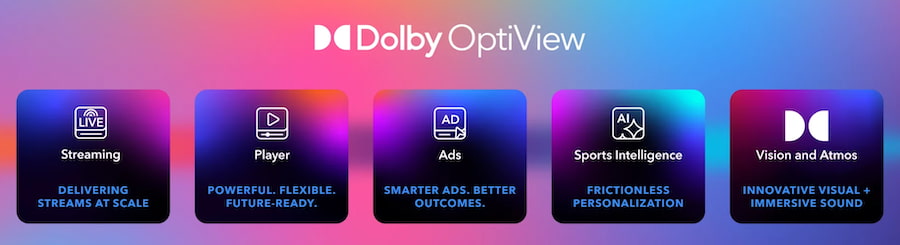
Dolby OptiView is not simply another HDR badge. The platform combines live video delivery and playback technology with configurable latency, synchronized streams and support across web browsers, mobile devices, smart TVs and other streaming platforms. The Seahawks say the implementation will provide richer visuals, lower latency and a more immersive streaming experience.
Dolby Vision adds dynamic HDR processing designed to provide brighter highlights, deeper contrast and richer color on compatible displays. There is one specification worth making clear: Dolby Vision does not automatically mean 4K. Neither Dolby nor the Seahawks has specified that the Seahawks streams will be delivered at 4K resolution. Dolby Vision can be used with HD or 4K production workflows.
That distinction matters when consumers have been trained to lump 4K, HDR and Dolby Vision together as though they were the same thing. They aren’t.
Why This Matters to Football Fans
Live sports remain one of the areas where the difference between an expensive modern television and the signal being fed into it can be painfully obvious.
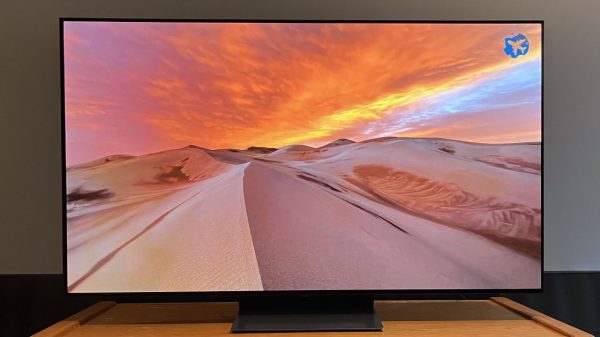
You can own a premium OLED or Mini LED TV capable of spectacular HDR performance, yet the quality of the game still depends on how it was captured, encoded, distributed and streamed. Seattle’s approach attacks more than one part of that chain.
Dolby Vision can improve HDR presentation, while OptiView is designed to reduce latency and keep streams synchronized. Anyone who has heard a neighbor celebrate a touchdown several seconds before it appears on their television understands why latency matters almost as much as picture quality during live sports.
The biggest beneficiaries are therefore Seahawks fans watching supported preseason streams on compatible Dolby Vision devices, especially those who have already invested in televisions capable of displaying HDR properly.
They don’t need another TV. They need somebody to send their existing TV a better signal.
So Why Isn’t the Entire NFL Doing This?
The technology itself is only part of the problem.
The NFL’s regular-season television rights are divided among multiple major media partners, including CBS, FOX, NBC, ESPN/ABC and Amazon under agreements that run through the 2033 season. Those broadcasters and streaming services control the production and distribution of huge portions of the regular-season schedule.
That makes a team-controlled preseason game very different from Sunday Night Football, Monday Night Football, a CBS or FOX Sunday afternoon game, or Thursday Night Football on Prime Video.
Seattle has much greater control over the digital production and distribution chain for its own preseason and team-produced content. It cannot simply decide that every regular-season Seahawks game will suddenly be streamed in Dolby Vision through Seahawks.com.
There are rights agreements, broadcasters, production trucks, cameras, HDR workflows, encoders, apps and millions of playback devices involved.
The NFL is not starting from zero, either. Dolby says the league already uses Dolby OptiView technology within NFL+ for video playback and monitoring. What Seattle is doing differently is adding Dolby Vision to a team-level OptiView implementation.
So this is less a case of the Seahawks discovering technology the NFL has never heard of and more a demonstration of what can happen when one organization has greater control over the entire viewing experience.
The Rest of the NFL Should Be Watching
Seattle’s experiment could become an important test case.
If fans respond positively, other NFL clubs have little reason not to investigate similar technology for preseason games, press conferences, team-produced programming and other content they control directly. The larger opportunity belongs to the league and its broadcast partners.
NBCUniversal has already demonstrated that premium live sports can be delivered at scale. Super Bowl LX and the 2026 Winter Olympics were presented in 4K HDR on NBC and Peacock, and Peacock has been expanding Dolby Vision and Dolby Atmos across its live sports programming.
The question is no longer whether premium HDR can work for live sports, but how quickly it can be implanted and whether the manufacturers and league can promote the benefit to viewers. Because it’s not like anyone watches professional football on Sunday.
MLB and the NBA Are Already Moving
Baseball and basketball do not actually need Seattle to tell them that this is coming.
Peacock announced plans to expand Dolby Vision and Dolby Atmos across Sunday Night Football, NBA and MLB coverage throughout 2026. The platform also streamed Telemundo’s Spanish-language FIFA World Cup coverage in Dolby Vision and Dolby Atmos this summer.
That is important because baseball and basketball are particularly good showcases for modern HDR displays. A baseball game offers bright daylight, stadium lighting, uniforms and huge differences between shaded and illuminated areas. Basketball combines brightly lit courts, dark seating areas, saturated uniforms and constant motion. Apple is so desperate to sell the Vision Pro that immersive 8K baseball is coming later this month. Professional sports in Dolby Vision is most certainly an easier sell.
What About the NHL?
Hockey might be one of the most interesting candidates of all.
The 2026-27 NHL season will continue to be distributed nationally in the U.S. through ESPN/ABC and TNT Sports, including HBO Max, while Sportsnet remains a major Canadian partner.
There has not been a comparable league-wide Dolby Vision announcement from the NHL.
That feels like an opportunity.
Hockey presents television cameras with an unusually difficult image: a huge bright sheet of ice surrounded by darker seating areas, fast-moving players, dark pucks and rapidly changing camera angles. Better HDR production and display handling could be particularly valuable in maintaining highlight detail and contrast.
The NHL and its broadcasters should be paying attention to what Seattle, Peacock and Dolby are doing.
The Bottom Line
The Seahawks are not suddenly giving every Seattle game the Dolby Vision treatment. For now, the big consumer-facing change applies primarily to preseason games and team-produced streaming content, with geographic and device restrictions applying.
But that almost misses the larger point.
Seattle has demonstrated that a professional sports team can control its own streaming experience and deliver Dolby Vision, lower latency and synchronized playback directly to fans using devices many of them already own. That should put pressure on everyone else.
Consumers have spent years buying OLED and Mini LED televisions capable of extraordinary HDR performance. Streaming services and sports leagues are finally starting to provide live content capable of taking advantage of them.
Related Reading: