
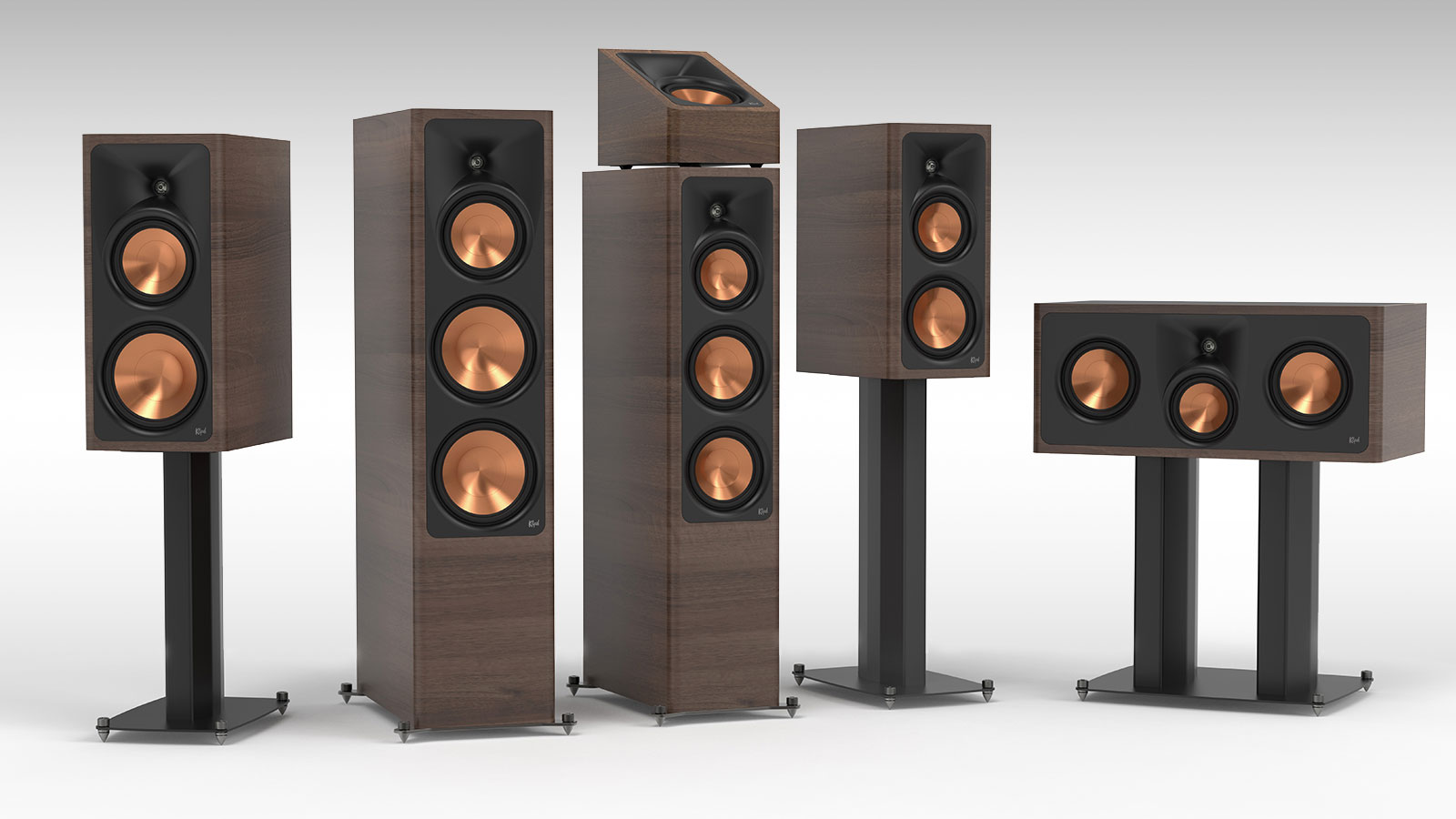
Klipsch showed us quite a lot of hardware at CES 2026, but some of the most interesting products were sitting behind closed doors and came with the rather important disclaimer that we were looking at concepts.
The new Klipsch Reference Signature Series was one of them.
Eight months later, Klipsch is bringing Reference Signature to CEDIA Expo 2026 in Denver, and this time attendees will actually get to hear them. The company has also confirmed the six-model lineup, disclosed considerably more about the acoustic design, and provided an initial indication of what the speakers will cost when select models arrive this winter.
If Reference Signature sounds familiar, you have been paying attention.
We covered the early versions at CES in January, where Klipsch described Reference Signature as a more ambitious extension of its modern horn-loaded loudspeaker platform alongside the considerably more experimental Project Apollo.
What we did not see at Audio Advice Live 2026 was a Reference Signature launch. Klipsch used the Raleigh show in August for the global debut of its Reference Premiere III Series, including a rather substantial 7.4.4-channel home theater demonstration with Onkyo electronics.
Different speakers. Different series. There are already enough Klipsch model numbers in circulation without us helping create another family reunion nobody can follow.
Related Reviews:
- Klipsch The Sevens II Review: Wireless Speakers For Music, Movies And TV
- Klipsch Flexus Core 300 Soundbar System Review: DIRAC For The Masses
- Klipsch Flexus Core 200 Soundbar System Review: Perfect For The Price
Six Reference Signature Speakers
The new Reference Signature lineup consists of two floorstanding speakers, two monitor models, one center channel and a multipurpose Dolby Atmos, height and surround speaker.
Klipsch Reference Signature Series
- RS-8301F: Three-way 8-inch floorstanding loudspeaker
- RS-6301F: Three-way 6.5-inch floorstanding loudspeaker
- RS-8301M: Three-way 8-inch monitor loudspeaker
- RS-6301M: Three-way 6.5-inch monitor loudspeaker
- RS-6301C: Three-way 6.5-inch center-channel loudspeaker
- RS-6101SA: Two-way 6.5-inch Dolby Atmos, height and surround loudspeaker
The biggest departure from Reference Premiere is not the cabinetry or another variation on Klipsch’s familiar copper-colored drivers.
It is the dedicated midrange driver.
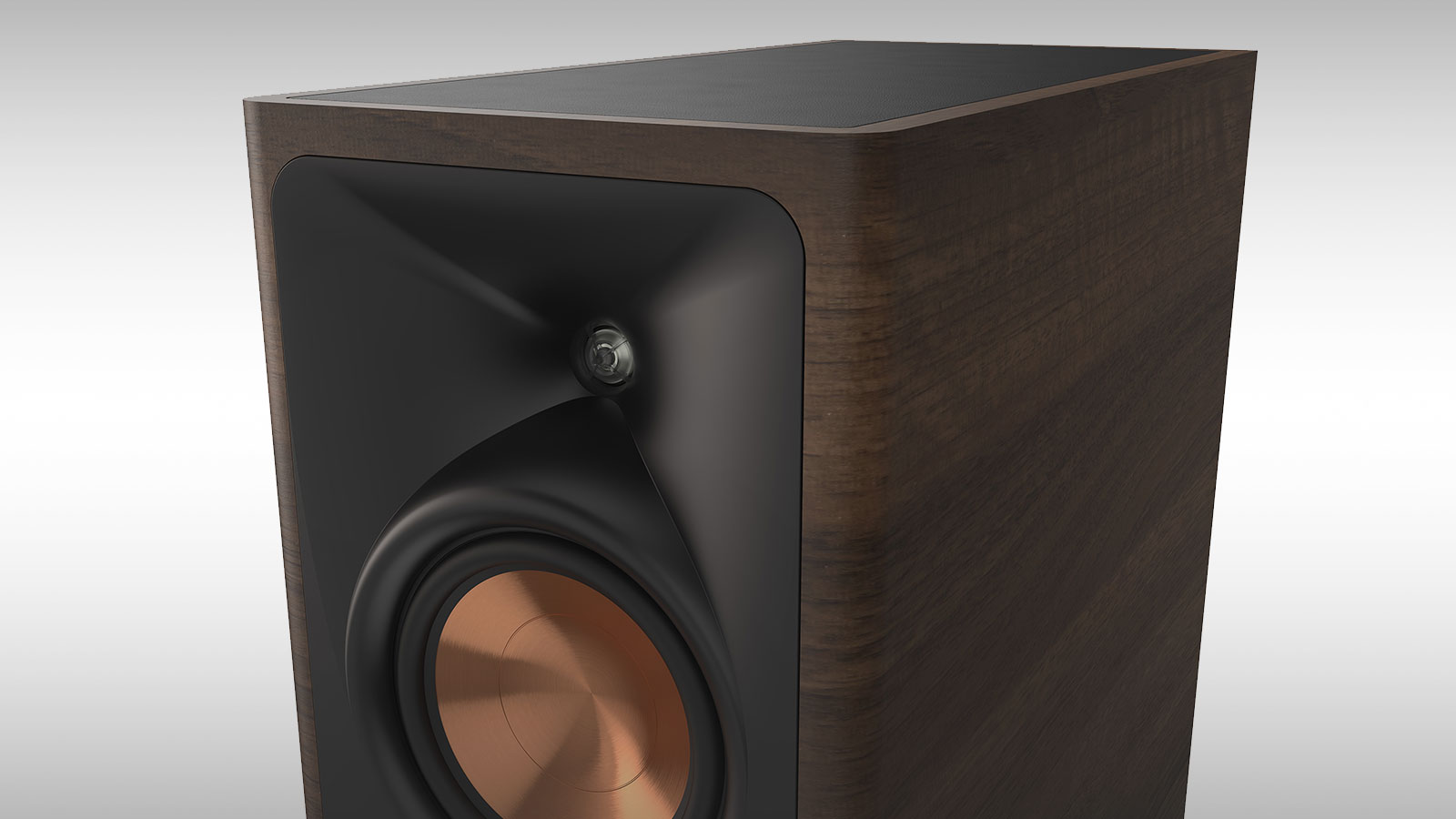
The floorstanding, monitor and center-channel models are true three-way designs with separate high-frequency, midrange and bass drivers. Klipsch says this allows each driver to handle a narrower portion of the audible spectrum and moves the crossover regions away from the frequencies where human hearing is particularly sensitive.
Paul W. Klipsch famously argued that “the midrange is where we live,” and apparently somebody in Indianapolis has been reading the old man’s notes.
A Different Kind of Klipsch Horn
Reference Signature still relies on horn loading and Klipsch’s titanium-diaphragm Linear Travel Suspension tweeter, but the more interesting development is its new phase-aligned horn architecture.
Klipsch positions the midrange directly within the tweeter horn so that the midrange and high frequencies originate from the same acoustic center. The objective is better coherence through the crossover region and more consistent tonal balance across a wider listening area.
That could prove particularly important in a home theater, where the person who paid for the system is rarely the only person sitting in front of it.
The larger Reference Signature models combine 8-inch Cerametallic bass drivers with a 6.5-inch midrange, while the smaller models pair 6.5-inch bass drivers with a 5.25-inch midrange. The floorstanding speakers use dual woofers, while the monitors use a single bass driver.
Klipsch’s spun-copper Cerametallic cones remain part of the recipe, maintaining some visual and technological continuity with Reference Premiere.
The Center Channel Might Be the Most Important Speaker Here
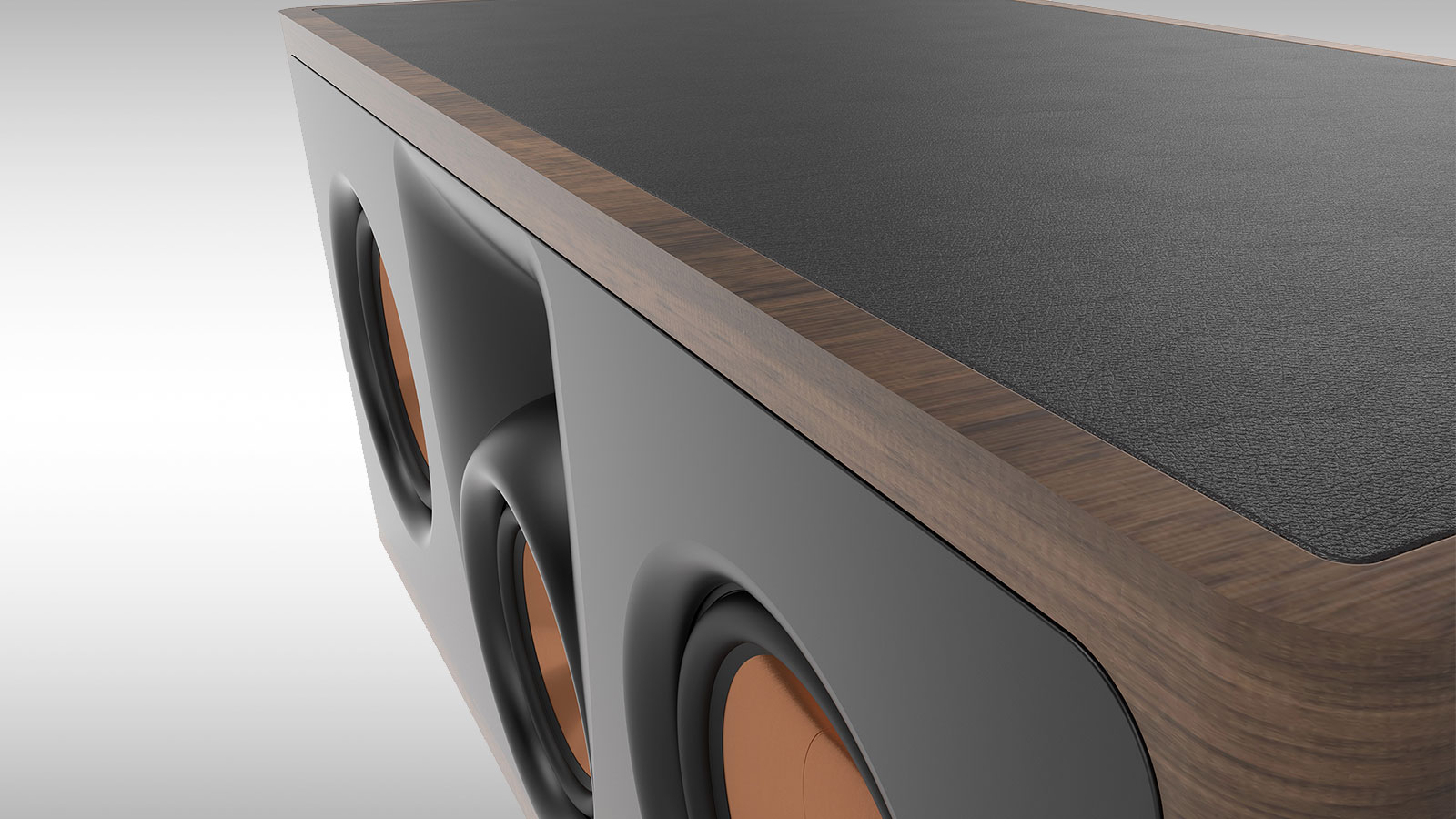
The RS-6301C deserves additional attention because Klipsch has moved away from the conventional horizontal MTM arrangement commonly used in center-channel loudspeakers.
Instead, Reference Signature uses a vertical driver array designed to reduce the horizontal lobing and comb-filtering issues that can make dialogue and tonal balance change as listeners move away from the center seat.
For a serious multichannel system, that is more than an engineering footnote.
The center channel carries an enormous percentage of movie dialogue and front-stage information, yet it is frequently the loudspeaker most compromised by furniture, screen placement and seating position. Klipsch’s approach is intended to provide clearer dialogue and more consistent timbre across multiple seats while maintaining a closer tonal match with the Reference Signature towers.
We want to hear this one from well off-axis before reaching any conclusions.
Atmos Without Locking Yourself Into Atmos
Klipsch has also avoided making the RS-6101SA a one-trick Dolby Atmos module.
The two-way speaker can sit on top of a Reference Signature tower or monitor and fire upward toward the ceiling, but it can also be wall-mounted for use as a direct-radiating height or rear surround channel.
A rear-panel switch changes the crossover configuration between Atmos and Surround operation.
That flexibility matters if somebody changes rooms, moves from reflected Atmos to direct-mounted height channels, or eventually realizes that drilling holes in drywall is less frightening than explaining another speaker upgrade to their spouse.
Klipsch Dresses Up
Reference Signature also represents a noticeable industrial-design upgrade over Reference Premiere.
Klipsch is using a one-piece BMC front baffle designed to provide a denser and more rigid mounting surface while reducing unwanted cabinet resonance. Rounded cabinet edges are intended to reduce diffraction and improve off-axis performance.
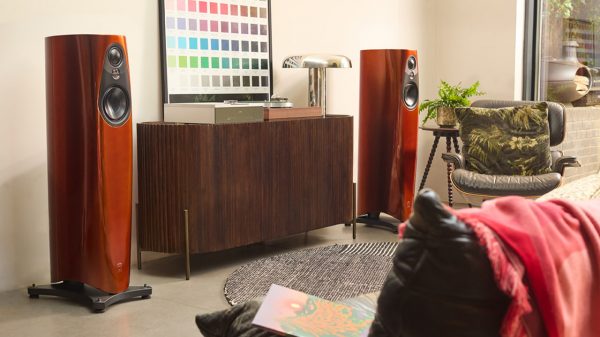
Ebony and Walnut finishes feature horizontal grain running along the curved cabinet profile, and Klipsch has added a decorative leather top panel along with metal carpet spikes and rubber feet.
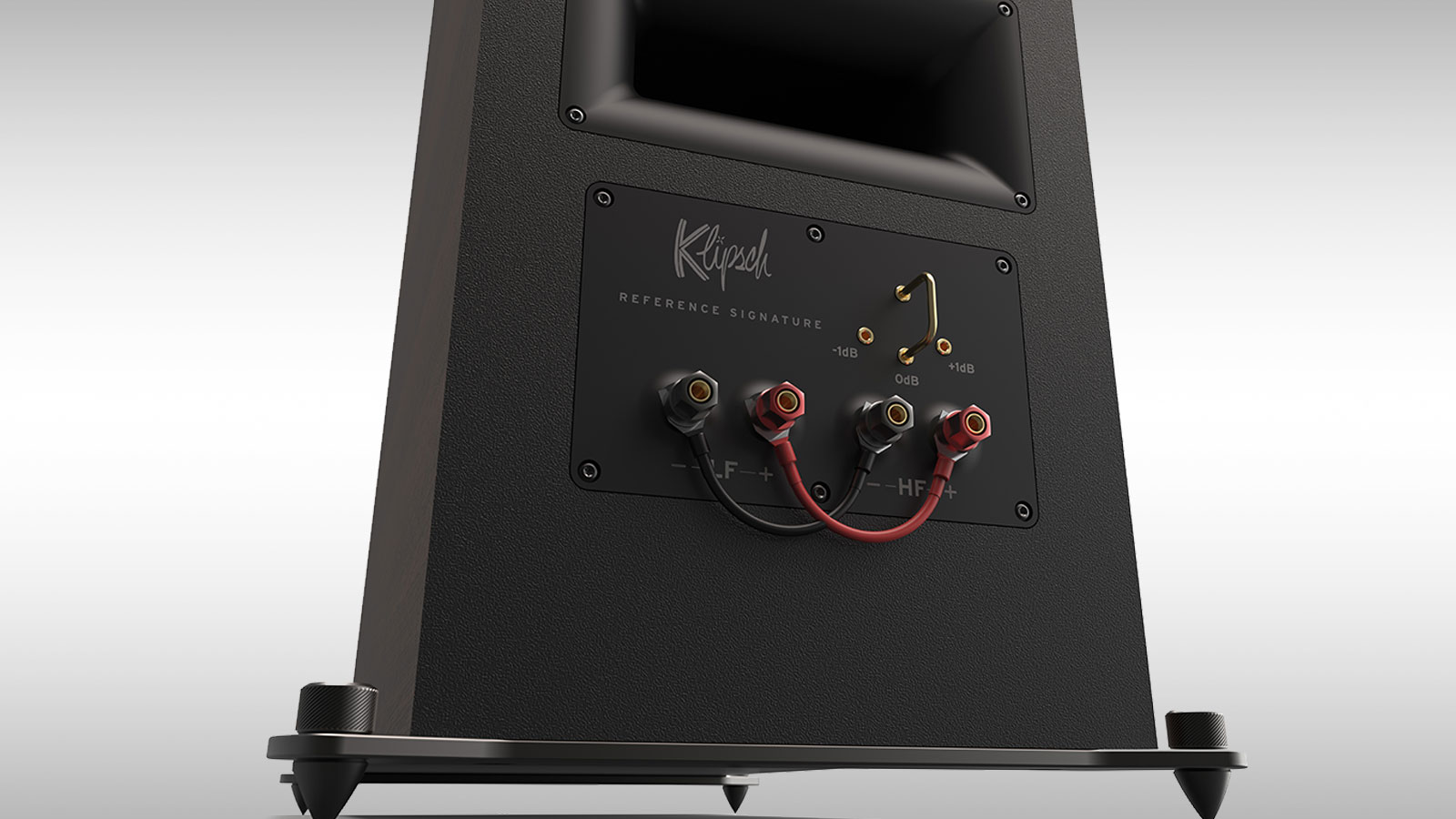
All models will also provide adjustable tweeter output at +1 dB, 0 dB or -1 dB, giving owners a small degree of room or preference-based tonal adjustment without reaching for DSP.
Dual binding posts for bi-wiring and bi-amping will also be available on select models. None of that transforms loudspeaker performance by itself, but Reference Signature clearly needs to look and feel more expensive if Klipsch expects buyers to move beyond Reference Premiere.
The Bottom Line
Reference Signature should not be confused with the Reference Premiere III Series introduced at Audio Advice Live.
Reference Premiere III remains Klipsch’s broad modern passive loudspeaker platform for both two-channel and home theater systems. Reference Signature pushes further with dedicated three-way designs, more elaborate horn geometry, upgraded cabinetry and a considerably more premium presentation.
It is also not Project Apollo.
Klipsch previewed Apollo alongside Reference Signature at CES as a separate, more ambitious exploration of high-performance two-channel audio. Reference Signature is the more recognizable Klipsch proposition: a complete modern speaker family capable of supporting both serious stereo listening and immersive home theater.
That distinction makes the new series potentially more important commercially.
Klipsch does not need another loudspeaker that exists primarily to prove what its engineers can build when cost and living-room diplomacy are removed from the equation. It already has Heritage products capable of occupying that territory rather convincingly.
Reference Signature has to work in actual homes.
Price & Availability
Klipsch is targeting $1,600 to $3,000 per pair, with final pricing and complete specifications to be announced at launch. Select Reference Signature models are expected to arrive in winter 2026.
With CEDIA now underway, we’ll have a chance to hear the new three-way horn architecture for ourselves in Denver and find out whether Reference Signature delivers on the promise of what Klipsch first showed us at CES.
For more information: Klipsch Reference Signature
Related Reading:
- Klipsch Unveils Reference Premiere III Speakers At Audio Advice Live 2026 With Onkyo System Demos
- Klipsch Heritage First Listen At High End Vienna 2026: Rebellion, OJAS And Klipschorn Bring The Horns
- Klipsch Rebellion Debuts At High End Vienna 2026: Heritage Gets Smaller, But Not Quieter
- Klipsch Teases New Product Concepts At CES 2026: Headphones, Bluetooth Speakers And Premium Hi-Fi



















ORT
September 3, 2026 at 2:11 pm
I have long been a Klipsch enthusiast and had them for my 9.2 Atmos setup for a few years. And then I fell and knocked one of the towers and the Atmos speaker on top of it over and on the way down it fell on my fat head, actually denting the speaker. As Bugs Bunny would say, “What a maroon!”
I had to give that setup away due to my instability, LOL! But it all went to a good home with some friends from work. I miss it. I have 4 TCL Z100s now and it is nice but it ain’t Klipsch 9.2 nice. Am I content? Yes.
But I still miss the Klipsch. Dammit!
ORTacles The Ancient of Thebes
Ian White
September 3, 2026 at 2:21 pm
ORT,
And these are really nice. Although I’ve heard the Reference Premiere III that was introduced at AA Live hits the spot for less money.
IW