Sonos has started rolling out Sonos 27, the latest version of its audio operating system, bringing AI control, redesigned app navigation, and one of the more practical home theater ideas we have seen this year: compatible portable speakers that can automatically become wireless rear surrounds and return to portable duty when the movie is over.
The free software update is available across Sonos S2 products, although individual features depend on the hardware. It also lays the groundwork for direct Wi-Fi headphone linking with the new Sonos Ace Ultra, which becomes available September 29.
Considering Sonos’ recent adventures in app development, asking existing customers to embrace another major software overhaul requires a certain amount of courage. Sonos 27, however, appears focused on adding useful capabilities rather than merely rearranging the furniture.
Related Reading:
- Sonos Beam Ultra At $699 Adds Nine Drivers And Dedicated Atmos Height Channels But No DTS:X
- Sonos Ace Ultra Wireless Headphones Finally Join The Sonos System For $449
Portable Speakers Become Rear Surrounds

The standout feature is Portable Surrounds, which works with matching pairs of Sonos Move 2 or Sonos Play speakers and compatible Arc Ultra, Arc, Beam Ultra, or Beam Gen 2 soundbars.
Sonos Positioning Technology uses brief high-frequency audio signals to determine the distance between the speakers and soundbar. Put two supported portable speakers into position and they can automatically assume rear-channel duties; remove them afterward and they revert to standalone portable speakers. Sonos says the bonding process takes roughly eight seconds.
That is genuinely clever because conventional wireless surrounds become semi-permanent fixtures once installed. Sonos is letting hardware serve two purposes without making users repeatedly rebuild the system inside the app.
The feature also strengthens the case for the recently announced $699 Beam Ultra, which adds dedicated Dolby Atmos height drivers and is one of the supported soundbars.
Sonos Opens the Door to Outside AI
Sonos 27 also introduces Sonos 27mcp in Early Access. Built around Model Context Protocol, it allows outside AI systems including ChatGPT and Claude to communicate with and control a Sonos system. Users can request music or system actions through supported AI tools without first opening the Sonos app.
Sonos’ own 27voice assistant arrives this fall and is designed specifically around music, mood, and natural-language requests. Sonos Custom Agents are planned for 2027, potentially allowing users to create assistants with their own models, voices, and personalities.
Whether your loudspeaker really needs a personality remains debatable, but Sonos’ willingness to support outside AI platforms rather than locking everything behind a proprietary assistant is the more interesting decision.
Ace Ultra Finally Becomes Part of Sonos
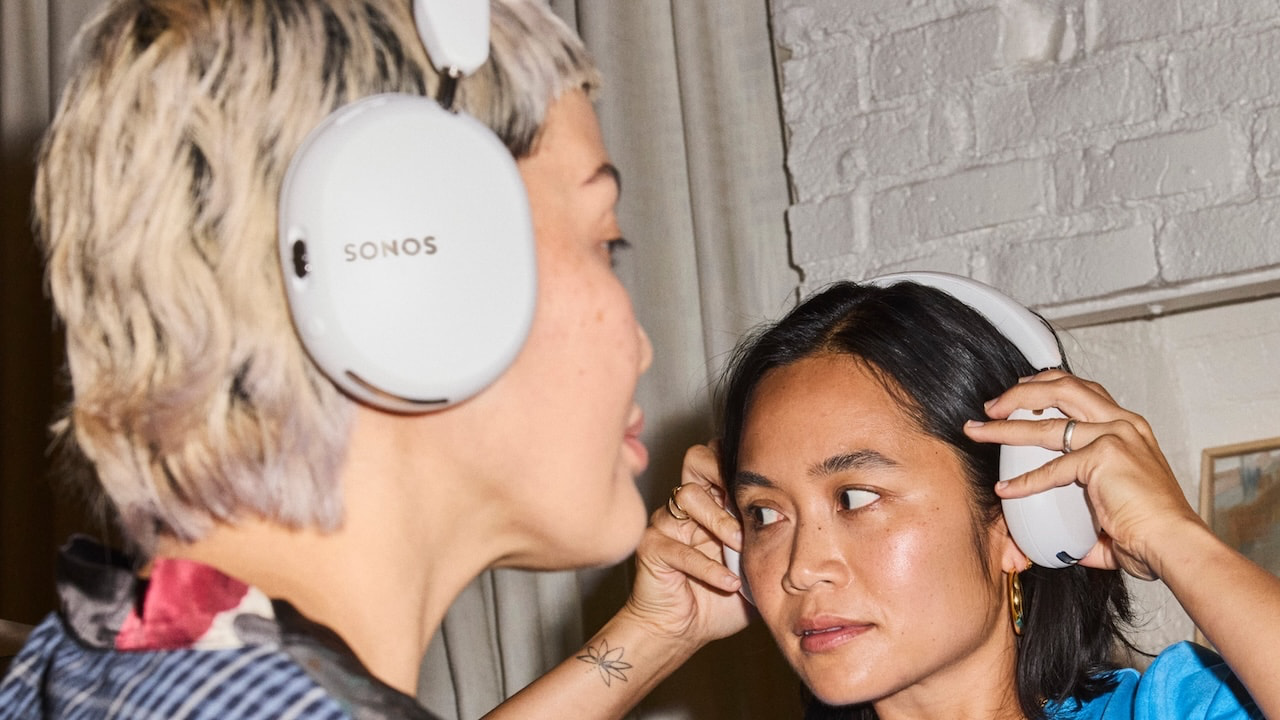
The $449 Sonos Ace Ultra also addresses one of our biggest complaints about the original Ace headphones.
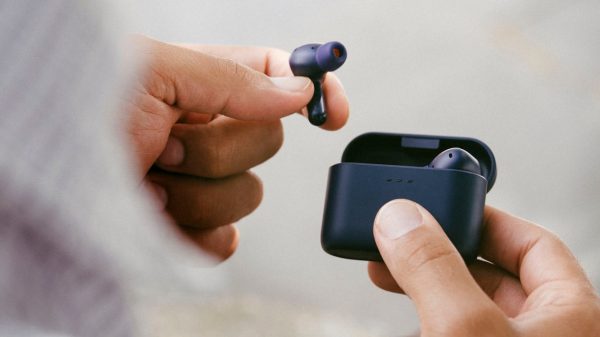
Beginning September 29 in Early Access, Headphone Linking lets Ace Ultra connect directly to a Sonos system over Wi-Fi. Users can push or pull audio between nearby Sonos speakers and their headphones without relying solely on a smartphone or Bluetooth connection.
That finally makes headphones bearing the Sonos name behave more like an actual Sonos product.
The App Gets Another Makeover
Sonos 27app introduces Home, System, and Search tabs, native swipe gestures, room pinning, revised volume controls, and additional grouping options. Sonos is also adding iOS gestures, Android widgets, and deeper Shortcuts support as part of the current rollout.
Additional features arriving this fall include a virtual volume knob, quick presets, Siri and Shortcuts support, an optimized iPad interface, and new system-status screens.

What Makes Sonos 27 Different?
Sonos is treating its ecosystem less like a collection of wireless speakers and more like adaptable hardware whose role changes through software.
Portable speakers becoming temporary surrounds, headphones operating as Wi-Fi system endpoints, and outside AI agents controlling playback are individually interesting. Combining all three inside one interoperable home audio platform is what makes Sonos 27 noteworthy.
The closest mainstream competitor remains Bose, whose smart soundbars and speakers support multi-room playback while SimpleSync can connect compatible Bluetooth headphones for private listening. Bose also offers dedicated wireless rear speakers, but it does not currently match Sonos’ ability to automatically repurpose portable speakers as temporary surrounds or integrate headphones as Wi-Fi endpoints in the same manner.
The Bottom Line
Sonos 27 is more interesting than another app redesign because it makes existing hardware behave differently.
Portable Surrounds solves a legitimate space and flexibility problem, while Ace Ultra Headphone Linking fixes an integration gap that should never have existed with the original Ace. Opening system control to outside AI platforms is potentially important as well, provided it makes playing music easier rather than turning the living room into another AI experiment.
Sonos still has to prove that the redesigned software remains stable as these features roll out, but Sonos 27 shows where the company has an advantage over most competitors: the hardware does not necessarily have to be replaced for the system to become more capable.
Price & Availability
Sonos 27 began rolling out on September 8, 2026 as a free software update for Sonos S2 products. Portable Surrounds and Sonos 27mcp are available now on supported hardware, while Headphone Linking launches September 29 in Early Access with Sonos Ace Ultra. Sonos 27voice arrives this fall, with Custom Agents planned for 2027.
For more information, visit the Sonos 27 website.
Related Reading: