

Luxury automakers have figured out something the high end audio industry has known for decades: once somebody is spending six figures, telling them the standard stereo is “pretty good” probably isn’t going to close the sale.
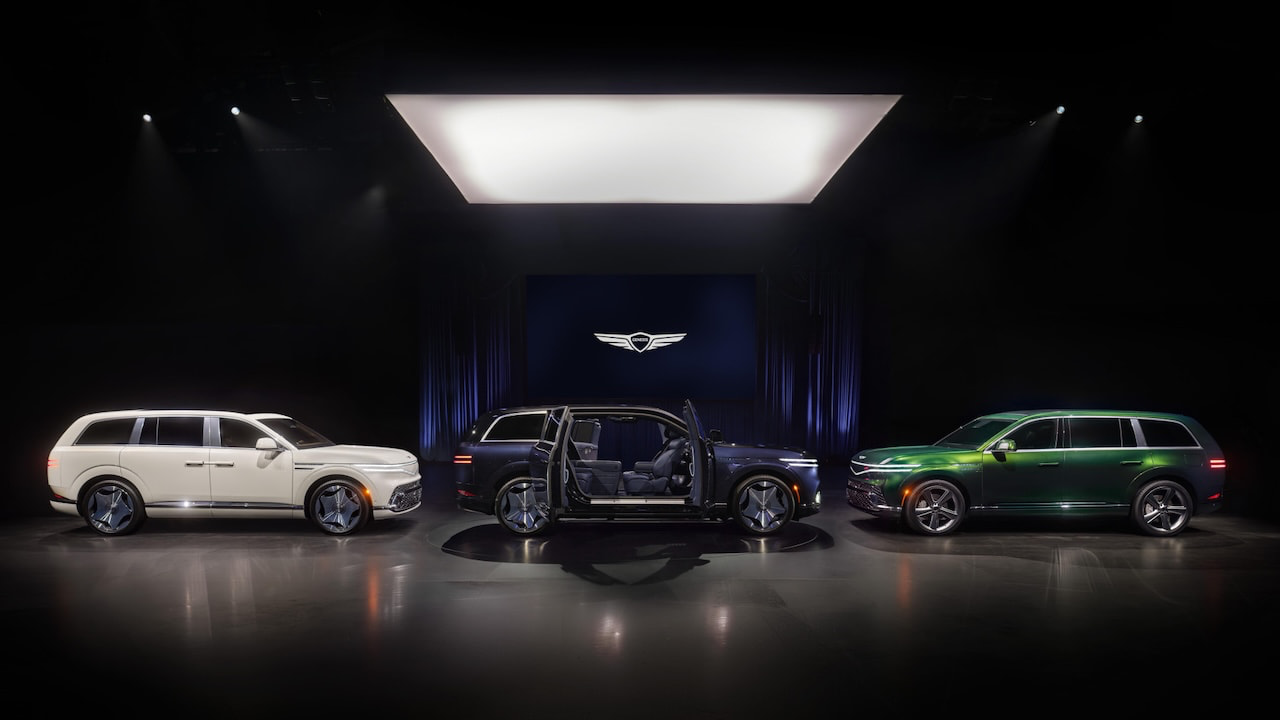
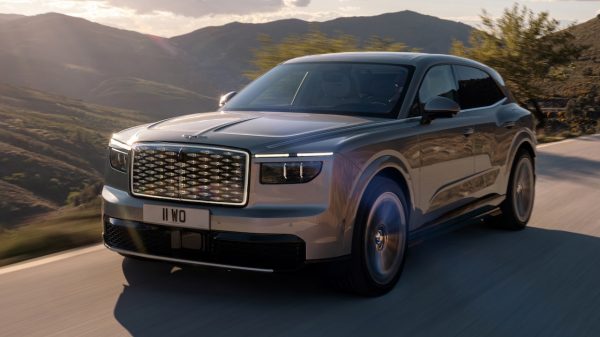
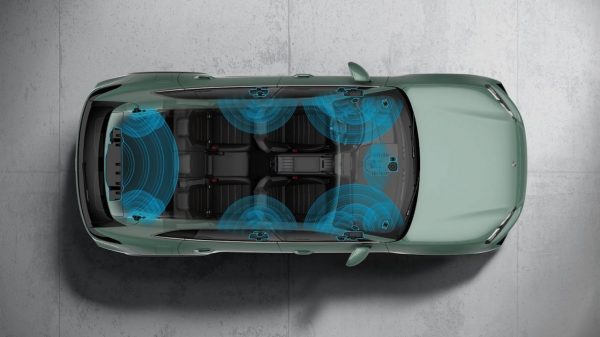
Genesis unveiled its new GV90 flagship electric SUV in San Francisco on August 19, 2026, and buried among the coach doors, 123.5 kWh battery, massage seats and enough interior technology to make some private jets nervous is one of its most ambitious audio systems yet. The GV90 features a 25 speaker Bang & Olufsen Premier 3D system with a discrete 7.1.4 Dolby Atmos layout, including four speakers in the headliner.
We have been watching this automotive audio arms race accelerate throughout 2026. The Cadillac Escalade IQ’s 38 speaker AKG Dolby Atmos system was one of the best in car immersive audio demonstrations we heard at NAMM, while BMW has added Dolby Atmos to its 36 speaker Bowers & Wilkins Diamond system in the 7 Series. Volvo is doing something similar with Bowers & Wilkins systems in the EX60, EX90 and ES90. Speaker count alone, however, has never guaranteed good sound. If it did, every airport terminal would be an audiophile destination.

What Makes the Genesis GV90 Audio System Different?
Bang & Olufsen uses its Acoustic Lens Technology tweeters at both ends of the dashboard, supported by dedicated midrange drivers, subwoofers and the four overhead speakers required to create the height layer for Dolby Atmos. Genesis describes the resulting configuration as 7.1.4, which is considerably more useful information than simply telling us how many speakers have been stuffed into the doors.
The cabin itself is also part of the system. Genesis uses acoustic glass more than 5mm thick throughout the vehicle, additional sound absorbing materials and structural cavity fillers to reduce outside noise and vibration. Electric vehicles already have an advantage without an internal combustion engine competing with the music, and reducing road and wind noise gives the B&O system an even better environment in which to work.
There is also Virtual Venue, which recreates the acoustic characteristics of spaces including Boston Symphony Hall and Wembley Stadium. B&O’s Beosonic system provides additional control over tonal character and the perceived sound environment for occupants who would rather not spend the morning commute pretending the New Jersey Turnpike runs through Wembley.
That concept is not entirely new. Genesis already offers Virtual Venue with the Bang & Olufsen system in its G90 sedan, while Dirac, Volvo and other manufacturers have been exploring their own versions of software defined acoustic spaces. The larger trend is increasingly obvious: premium car audio is becoming as much about DSP, immersive formats and cabin optimization as amplifiers and driver counts.
A Movie Theater While You Charge?
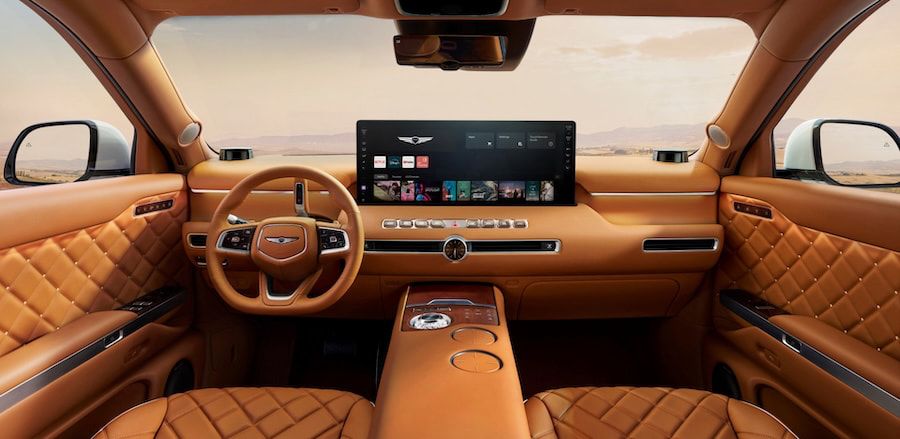
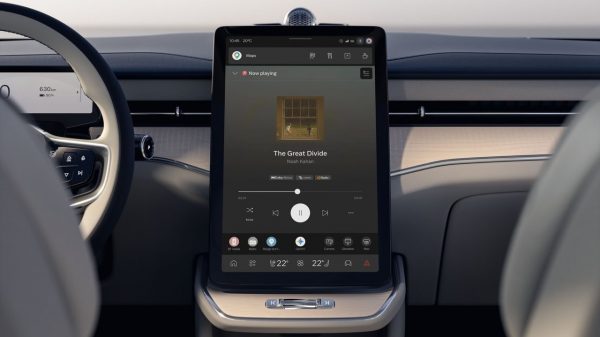
Genesis is also treating the GV90 as more than a listening room. Its OLED Cinematic Display measures 23.6 inches during normal driving, but when the vehicle is parked it rises 90mm and changes format into a 24.6 inch screen with approximately 1.7 times more viewing area for multimedia. The vehicle uses the Android Automotive based Pleos Connect platform and replaces the traditional instrument cluster with a separate 25 inch head up display.
That creates an obvious use case at charging stops. Dolby Atmos audio, a larger OLED display and an isolated EV cabin could make the GV90 one of the more convincing rolling entertainment systems yet, although watching half a movie during a fast charging session is probably still preferable to discovering that you picked a three hour director’s cut.
Who Is This For?
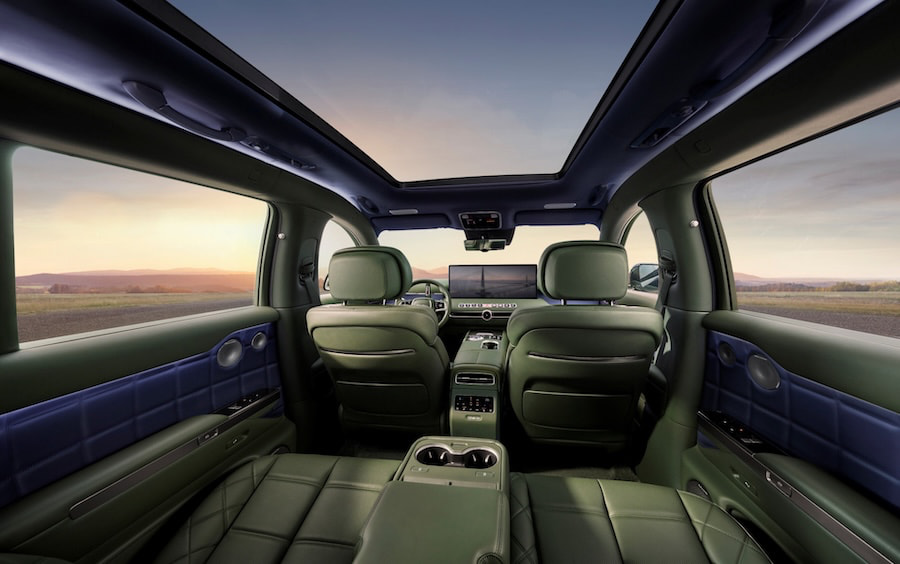
The GV90 is aimed at buyers considering flagship electric luxury SUVs such as the Cadillac Escalade IQ, Mercedes Maybach EQS SUV and other six figure alternatives where rear seat comfort, entertainment and audio have become major differentiators.
For listeners who actually care about music, the important thing is that Genesis and B&O appear to have designed the audio system around the cabin rather than treating it as a branded option package added near the end of development. Dedicated height channels, controlled high frequency dispersion, extensive cabin isolation and Atmos playback give the system the architecture to be genuinely interesting.
Whether it sounds as convincing as the Escalade IQ’s superb AKG Atmos system is something we would need to hear before handing out trophies.
Price & Availability
Genesis has not announced U.S. pricing or detailed U.S. trim availability for the GV90. The Genesis U.S. website currently lists the vehicle as coming soon, and final details about which versions receive the 25 speaker Bang & Olufsen system have not been published.
The Bottom Line
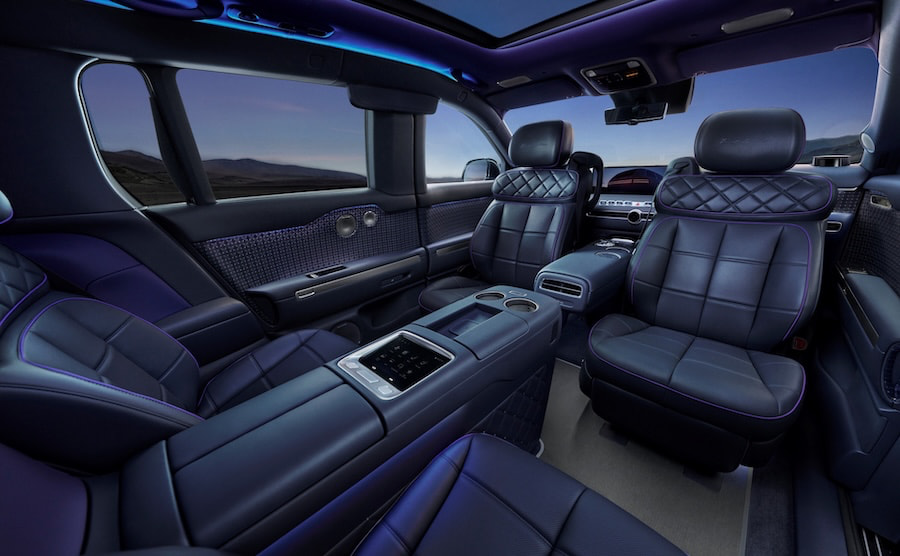
The Genesis GV90’s 25 speaker Bang & Olufsen system is noteworthy because it reflects where serious automotive audio is heading: native immersive playback, genuine overhead channels, sophisticated DSP and a cabin engineered as part of the listening environment.
Cadillac, BMW, Volvo and Genesis are now building vehicles that can deliver immersive music experiences many owners could not reproduce at home without considerable expense and room treatment. That still feels slightly absurd.
It also happens to be true.
For more information: genesis.com
Related Reading:






















ORT
August 25, 2026 at 9:07 pm
Oh no…It’s not the fault of the manufacturers that people run stop signs and red lights with alarming frequency buy this sound system/theater setup is just too much for morons to be trusted with. That said, would I, a Certified by Bugs Bunny Maroon want this?
Nope. I don’t need it. I don’t see how in the confines of a are my 2 ears could make use of 25 speakers. There is no Row-Dey-Oh drive anywhere near me so I should be safe unless I venture near La Jolla, commiefornia. Not gonna happen.
Just when you think you have enough someone tells you that you neeeeeeed more. PASS. And for the few out there they feel differently than I? You buy it. No hard feeeeewings and no jealously at all.
ORTson Welles