
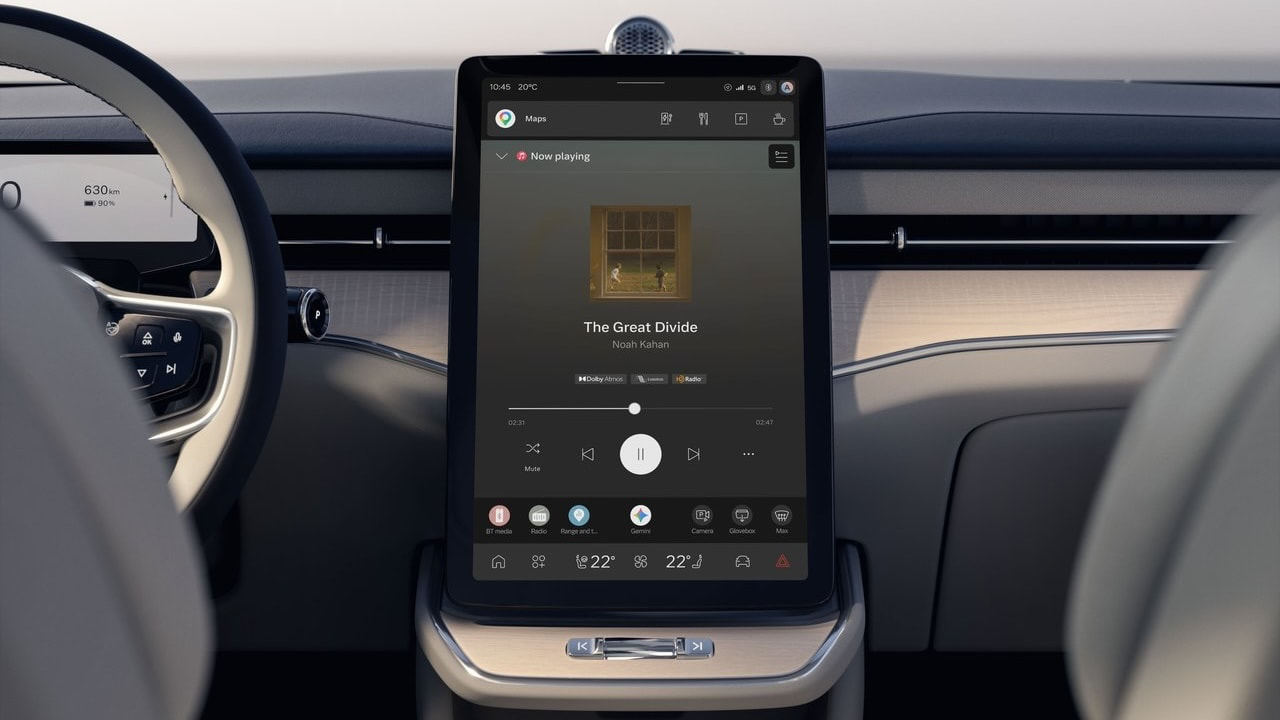
Volvo is adding Apple Music to more than two million vehicles through an over-the-air software update, but this is more than another app icon appearing on a dashboard screen. The more interesting part is that Volvo is pushing native streaming deeper into the car while its newest Bowers & Wilkins-equipped models move closer to becoming proper Dolby Atmos playback environments.
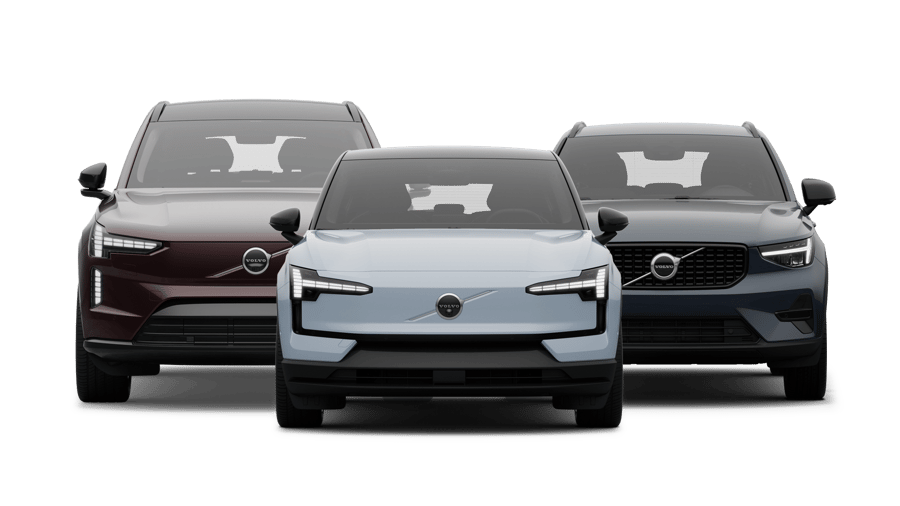
The update brings Apple Music directly into Volvo’s infotainment system, allowing customers to sign in with an Apple account and control music, playlists, and live radio through the vehicle’s touchscreen or voice controls. Volvo says the update is coming to the EX90, ES90, XC90, S90, V90, XC60, S60, V60, XC40, EX40, and EC40 from model year 2020 onward, although timing may vary by model.
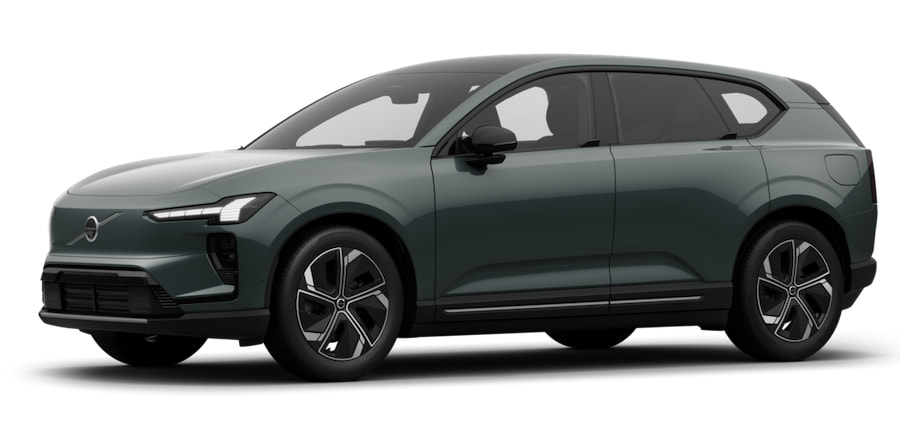
The new Volvo EX60 will ship with Apple Music already integrated when first customer deliveries begin this summer. Eligible new and returning Apple Music users can also receive up to three months free through the Volvo Cars app, with the offer valid until July 6, 2027.
That is the broad part of the story. The more important audio angle is narrower.
Related Reviews:
- New Sonus Faber Premium Speaker System Comes Wrapped In A Maserati Grecale
- Dreaming In Traffic With The McIntosh MX1375 & Jeep Grand Wagoneer
Spatial Audio Powered by Atmos
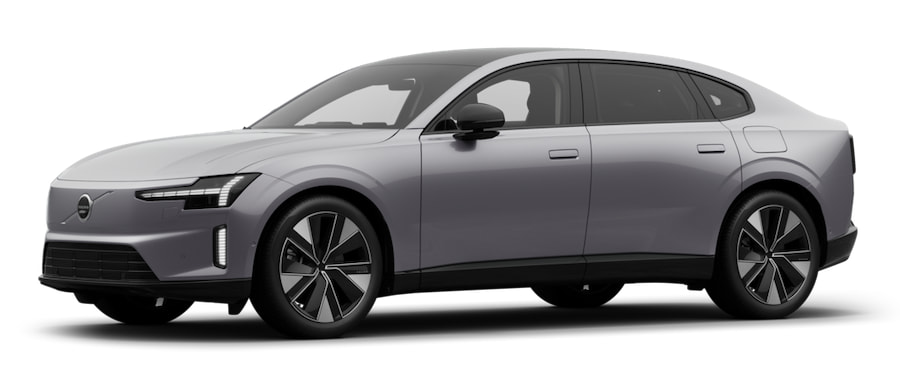
Owners of the Volvo EX60, EX90, and ES90 can access Apple Music Spatial Audio, powered by Dolby Atmos, when the vehicle is equipped with the optional Bowers & Wilkins premium sound system. That distinction matters. This does not mean every 2020-and-newer Volvo suddenly becomes an Atmos-ready listening room on wheels. Apple Music is rolling out widely. The full Spatial Audio/Dolby Atmos experience is tied to specific vehicles and the right Bowers & Wilkins hardware.
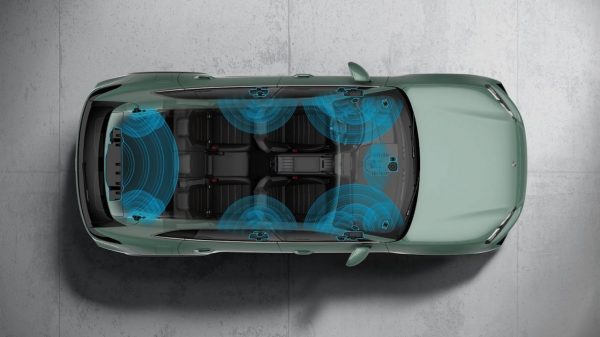
Bowers & Wilkins’ Volvo system details give the announcement some useful substance. The EX60 system uses 28 speakers, a 28-channel amplifier, and 1,820 watts of output. The EX90 and ES90 systems use 25 speakers, a 28-channel amplifier, and 1,610 watts of output, with Dolby Atmos listed among the supported sound processing technologies.
That does not automatically guarantee sonic greatness. Speaker count alone has never been proof of taste, judgment, or good engineering. If that were true, every soundbar with drivers firing at the ceiling would be a religious experience. But the Volvo/Bowers & Wilkins implementation is more serious than most car audio marketing exercises because the systems are designed around the cabin, not bolted on after the cupholders and ambient lighting have finished arguing for budget.
Update: Dolby Atmos Spatial Audio Now Works Through CarPlay
When we originally published this story in July, Volvo’s big audio move was bringing Apple Music directly into its infotainment system, with Spatial Audio powered by Dolby Atmos available on selected models equipped with the optional Bowers & Wilkins system.
Volvo has now removed another layer of friction.
A new software update adds Spatial Audio support directly inside Apple CarPlay on the EX90, allowing drivers to use CarPlay while still getting the immersive Dolby Atmos presentation through the optional 25-speaker Bowers & Wilkins system. That means owners no longer have to choose between Volvo’s native Apple Music interface and staying inside CarPlay for navigation, messaging and other apps.
There is an important regional distinction. Volvo’s U.S. announcement currently confirms the feature for the EX90, while Volvo’s global and European announcements include both the EX90 and ES90. Volvo also says Spatial Audio in CarPlay requires the Bowers & Wilkins system, which is available on the EX60, EX90 and ES90, but the company has not announced the same CarPlay rollout timing for the EX60 in the U.S.
That may sound like a small software change, but it makes the feature considerably more useful. Premium car audio is moving toward software-defined systems where streaming services, immersive formats and the vehicle interface work together instead of forcing the driver to bounce between competing ecosystems. Volvo has now taken another step in that direction.
WTF Is Dolby Atmos Doing in a Volvo?
For readers who missed our “WTF is Dolby Atmos Music?” primer, Dolby Atmos is an immersive audio format that can place sounds around and above the listener using sound objects, rather than relying only on traditional left/right or channel-based surround layouts.
That matters in a vehicle because the automaker controls the listening environment far more than most people can at home. Seating position, speaker placement, amplification, DSP, cabin materials, and noise levels are all known quantities. A quiet EV cabin with a properly engineered multi-speaker system is a much better place to attempt immersive music than a random living room with a soundbar wedged under a TV and the subwoofer hiding behind a fern.
Dolby Atmos Music is not always better by default. Some Atmos mixes sound spacious and convincing. Others sound like someone found the height channels and started throwing percussion into the ceiling for sport. The format can be excellent, but the mix still matters. So does the playback system.
That is why Volvo’s announcement is worth covering. This is not just Apple Music replacing a phone connection. Native streaming, Dolby Atmos processing, and a Bowers & Wilkins system designed for a specific cabin give Volvo a stronger audio story than “your playlist now appears on a bigger screen.”
Why It Matters
The car has always been one of the most important places people listen to music. What is changing is that automakers are finally treating it like a serious audio platform rather than a rolling accessory for a smartphone. When you consider what many of these automobiles cost buyers, the integration of better sound quality and Dolby Atmos should be part of the package.
For most Volvo owners, the practical benefit remains native Apple Music without relying on Bluetooth or a phone connection. On the EX90, however, Volvo has now made CarPlay more capable rather than something owners need to bypass, adding Spatial Audio support directly through Apple’s interface.
For EX60, EX90, and ES90 owners with the optional Bowers & Wilkins system, the upgrade is more meaningful. Apple Music Spatial Audio with Dolby Atmos becomes part of the actual cabin experience, not just another logo buried in the infotainment menu.
The Bottom Line
Volvo’s Apple Music rollout was already notable because it brought native streaming to more than two million vehicles while adding Dolby Atmos Spatial Audio to selected Bowers & Wilkins-equipped models.
The latest EX90 update makes the more interesting feature easier to use. Spatial Audio now works through Apple CarPlay, so drivers can remain inside the interface many already use for navigation, calls and messaging without giving up the immersive audio experience.
That is where premium car audio is heading: fewer isolated apps, deeper software integration and systems that continue gaining meaningful features after the vehicle leaves the showroom.
And unlike another illuminated cupholder, this update might actually improve the drive.
For more information: volvocars.com
Related Reading:


















Suburban Andy
July 10, 2026 at 8:06 pm
I’ve never liked Volvo but I’m surprised by the number of their SUVs that I’ve seen locally and on the highway. They’re not inexpensive and mechanically inferior to Toyota, Lexus, Honda, Acura, and Mazda.
That does seem like a cool audio option that very few soccer moms will ever use.