The Velvet Underground spent its first two albums demonstrating how much noise, distortion, drones, sexual unease, drug references, and general discomfort could be squeezed onto a record without causing the pressing plant to call the authorities. Then, in 1969, Lou Reed and company did something arguably more surprising: they turned the volume down.
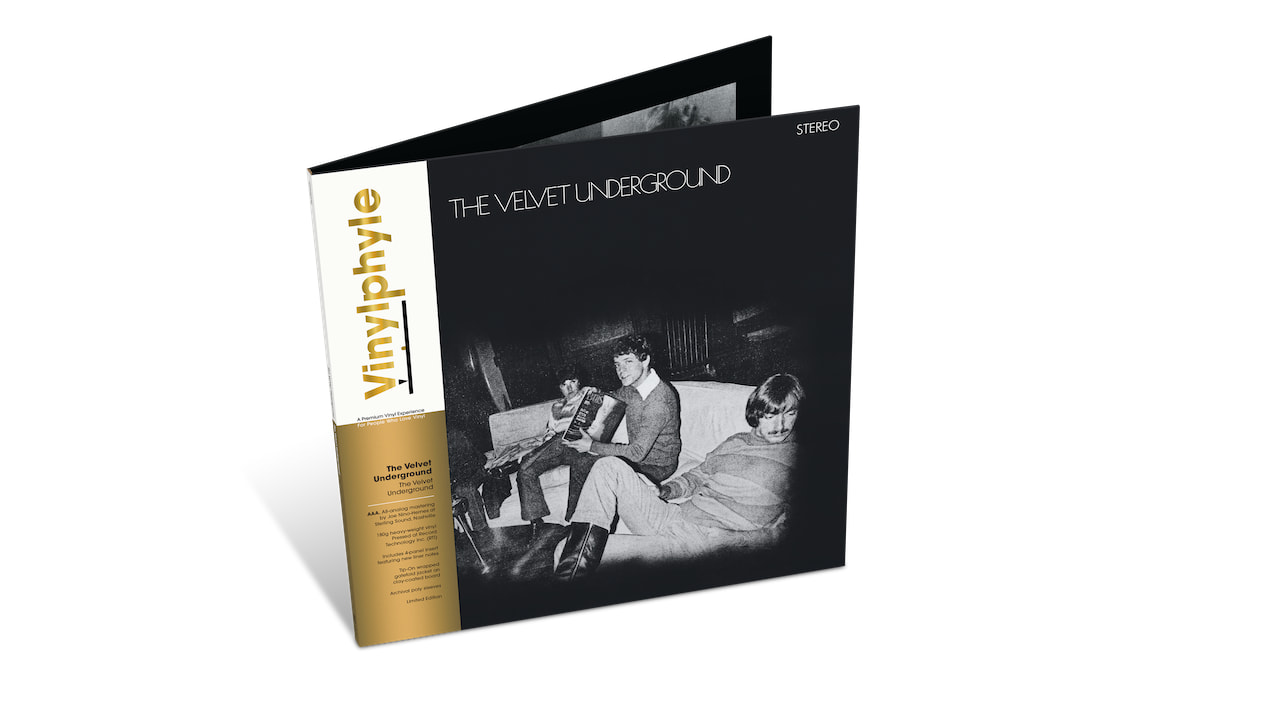
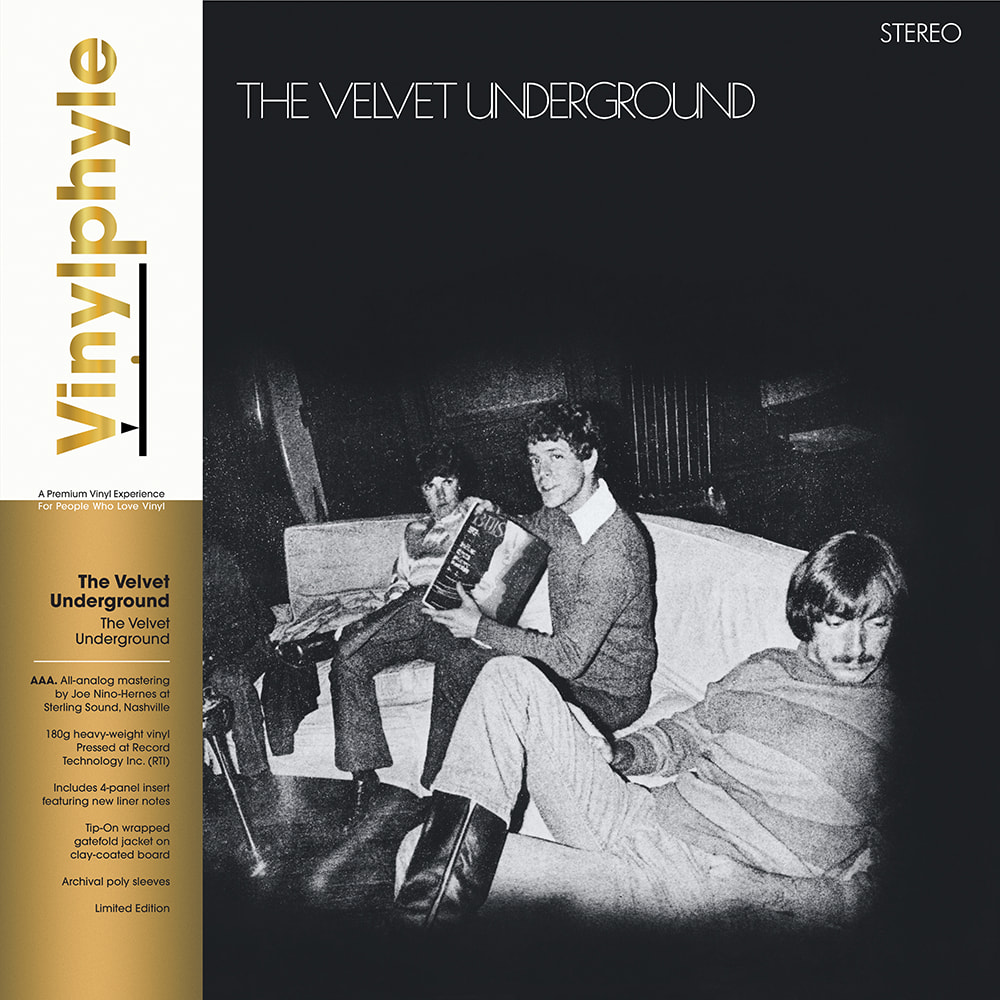
The band’s self-titled third album, The Velvet Underground, traded much of the confrontation of The Velvet Underground & Nico and White Light/White Heat for something quieter, more melodic, and considerably more intimate. More than five decades later, UMe’s Vinylphyle series is returning to the album using one of its most interesting original sources: Lou Reed’s 1969 “Closet Mix” stereo master, cut AAA by Joe Nino-Hernes and pressed at RTI on 180-gram black vinyl. The new pressing sells for $39.98 and is available exclusively through uDiscover Music.
Related Reading:
Why The Velvet Underground Matters
Released in March 1969, the album was the group’s first after co-founder John Cale departed, with Doug Yule joining Reed, Sterling Morrison, and Maureen Tucker. It was also the first Velvet Underground album produced and arranged by the band itself.
Anyone expecting another “Sister Ray” was in for a fairly substantial shock.
Songs including “Candy Says,” “Pale Blue Eyes,” “Jesus,” “I’m Set Free,” and “After Hours” revealed a far more vulnerable side of Reed’s songwriting, while “What Goes On” and “Beginning to See the Light” proved the Velvets had not suddenly misplaced their guitars. “The Murder Mystery,” meanwhile, made it clear that normality was never going to become a permanent condition.
The stylistic shift was significant. Instead of trying to make White Light/White Heat louder, uglier, or stranger, Reed pushed the band toward spare arrangements and intensely personal songs. That quieter approach anticipated a substantial part of his later solo work while offering another blueprint for subsequent generations of alternative and indie musicians who discovered that emotional directness could be every bit as subversive as distortion.
Naturally, the album failed to become a major commercial success at the time. The Velvet Underground were extremely good at influencing musicians who would eventually sell far more records than they did.
What Exactly Is the “Closet Mix”?
The Velvet Underground exists in two principal stereo mixes from 1969.
MGM/Verve engineer Val Valentin created the version that ultimately became the more widely distributed mix. Reed also prepared his own version, placing greater emphasis on the vocals and reducing the prominence of some of the instrumentation. Guitarist Sterling Morrison dubbed it the “Closet Mix” because he thought it sounded as though the album had been recorded in a closet. Not exactly the type of testimonial a modern record label would put across the top of an advertisement, but the name stuck.
The differences are not merely subtle EQ adjustments. Most notably, the two mixes use different performances of “Some Kinda Love” from the original recording sessions. Reed’s mix also creates a more intimate, vocal-forward presentation that fits particularly well with the inward-looking character of the material.
The Closet Mix appeared on some of the earliest U.S. LP pressings before the Valentin version became more common. It later resurfaced digitally on the 1995 Peel Slowly and See box set and again as part of the extensive 45th Anniversary Super Deluxe Edition in 2014, so this is not some previously unheard tape discovered behind Lou Reed’s sofa.
What is notable about the new Vinylphyle edition is the source and production chain.
AAA From the 1969 Stereo Master
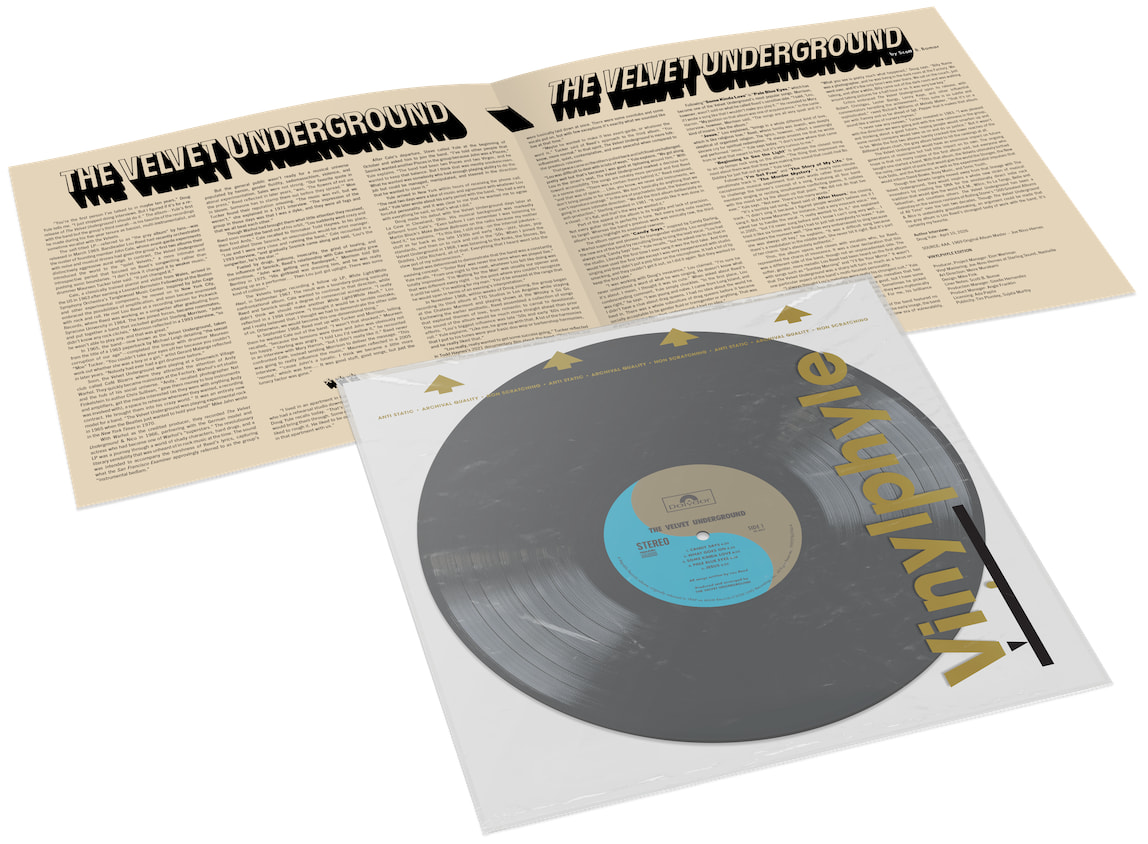
UMe specifies the source as the 1969 “Closet Mix” stereo album master, with Joe Nino-Hernes handling the new all-analog cut. The finished record is pressed at RTI on 180-gram black vinyl. No digitally reconstructed master, mystery file, or creatively worded “mastered from the original recordings” language is required here: this one is AAA.
The packaging is appropriately traditional as well. Buyers get a tip-on wrapped gatefold jacket with a satin-matte finish, an archival poly-lined sleeve, and a four-panel insert containing newly commissioned liner notes from four-time Grammy nominee and author Scott B. Bomar, along with scans of the source tapes.
This also continues UMe’s Vinylphyle series, which launched in November 2025 and previously tackled The Velvet Underground & Nico. eCoustics has also examined the series through its restoration of Erykah Badu’s Mama’s Gun, where the available source material required a very different mastering approach.
And that is part of what makes Vinylphyle potentially interesting. The label is not forcing every album through precisely the same process simply so somebody can slap “audiophile” across the shrink wrap in 36-point type.
The Bottom Line
Forty dollars is hardly bargain-bin vinyl, but this is also refreshingly free of colored-vinyl gimmicks, enormous box-set architecture, or dubious anniversary arithmetic. What you are paying for is much easier to understand: Lou Reed’s original 1969 mix, the original stereo master, an all-analog cut, and an RTI pressing of one of the Velvet Underground’s most important albums.
Price & Availability
The Vinylphyle edition of The Velvet Underground is $39.98 and currently available through uDiscover Music in the United States. Orders are limited to four copies per customer, and the title is excluded from the retailer’s sitewide discounts.
Where to buy: $39.98 at uDiscover Music (ships on September 30, 2026).
Related Reading: