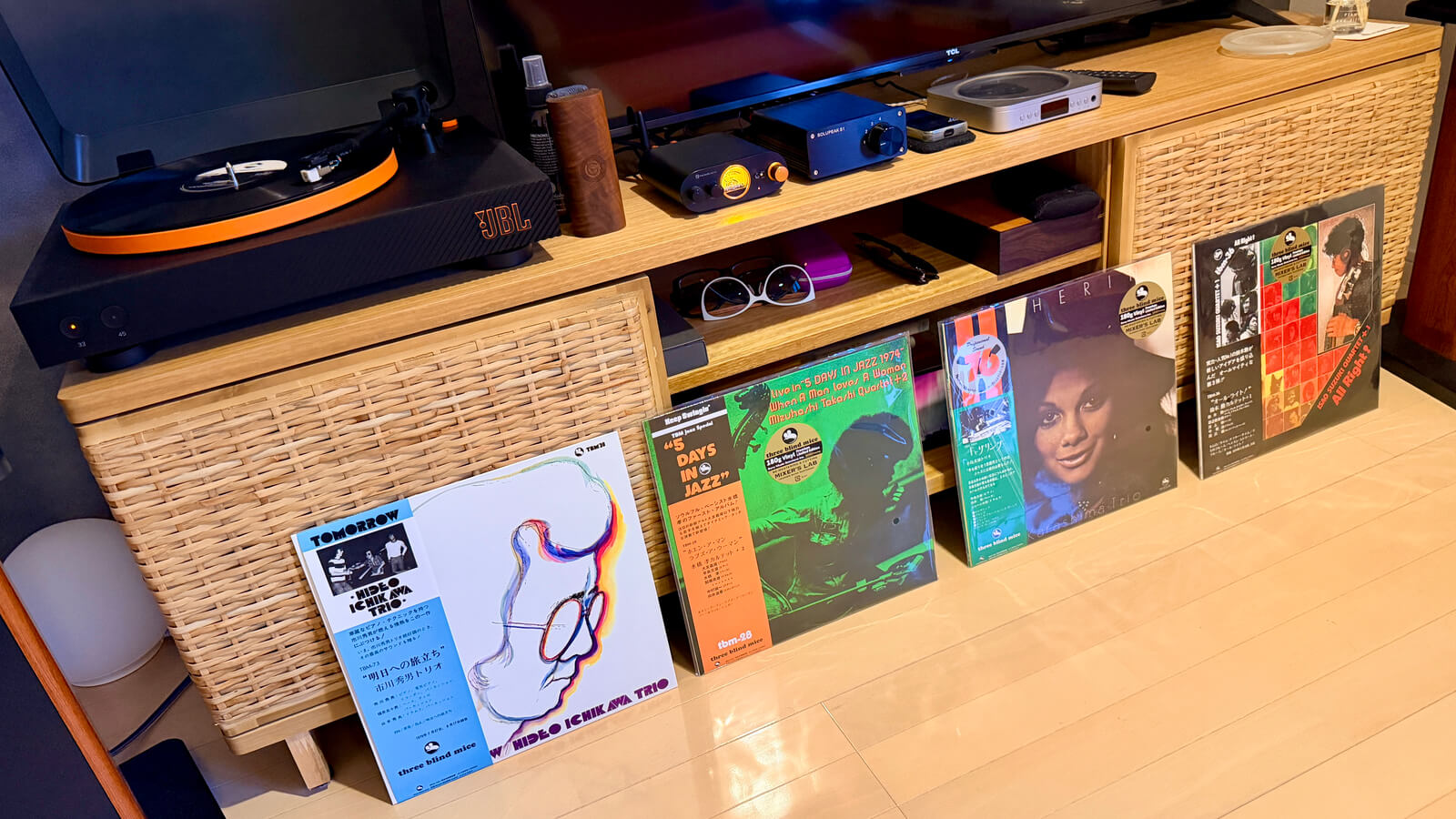
One of the most anticipated recent developments in Japanese jazz has been the re-emergence of Three Blind Mice Records (aka TBM), perhaps THE label that best defined the J-Jazz genre through the Seventies. For a long time, all that was available from TBM were pricey original and early pressings and the occasional audiophile pressing from Impex; many of these languished on my Discogs want list for a long time due to exorbitant prices or lack of availability, and often both.
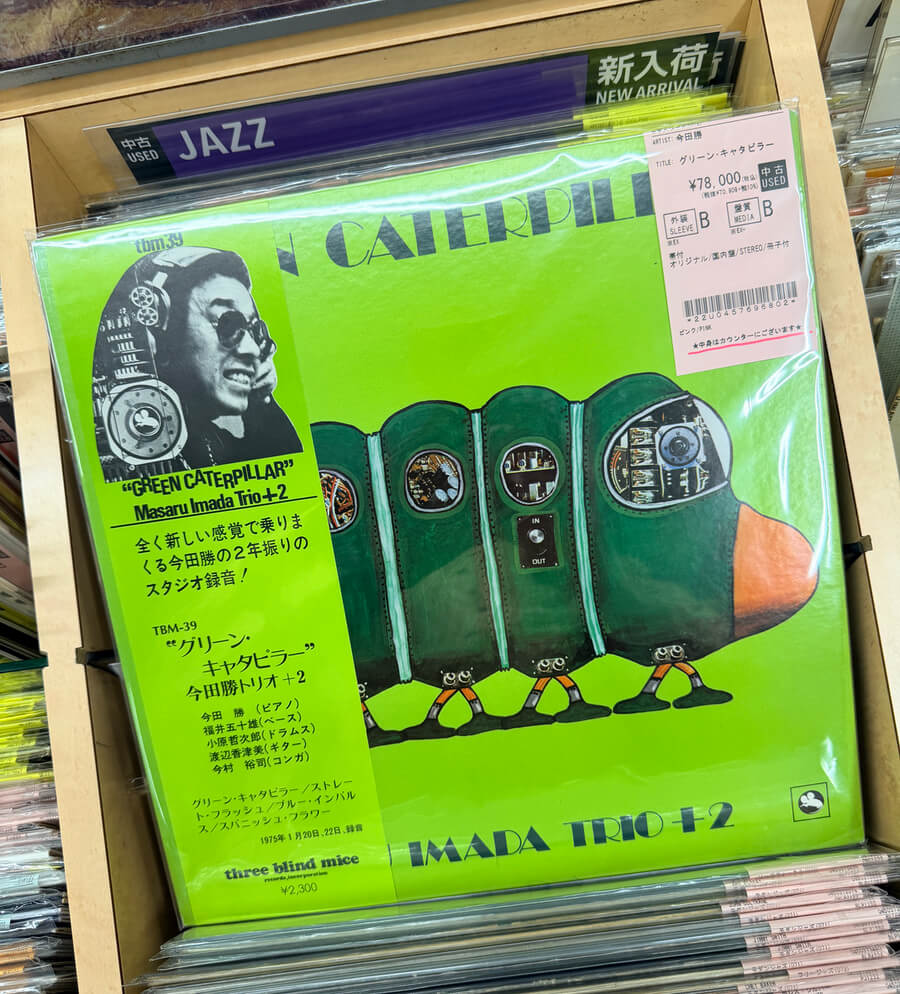
If you’re not familiar with TBM, the label was set up by famed producer Takeshi Fujii in 1970 with a focus on Japanese artists and was renowned (in a similar vein to Blue Note in the US) for stunning recording quality and iconic artwork. TBM was active from 1970 to 1982, though its peak years were arguably from 1970 to 1978, with questions and uncertainty around rights and distribution, along with shifts in popularity and sales, impacting the label in its final years and leading to its dissolution in 1985 (though Fujii retained the rights and masters).
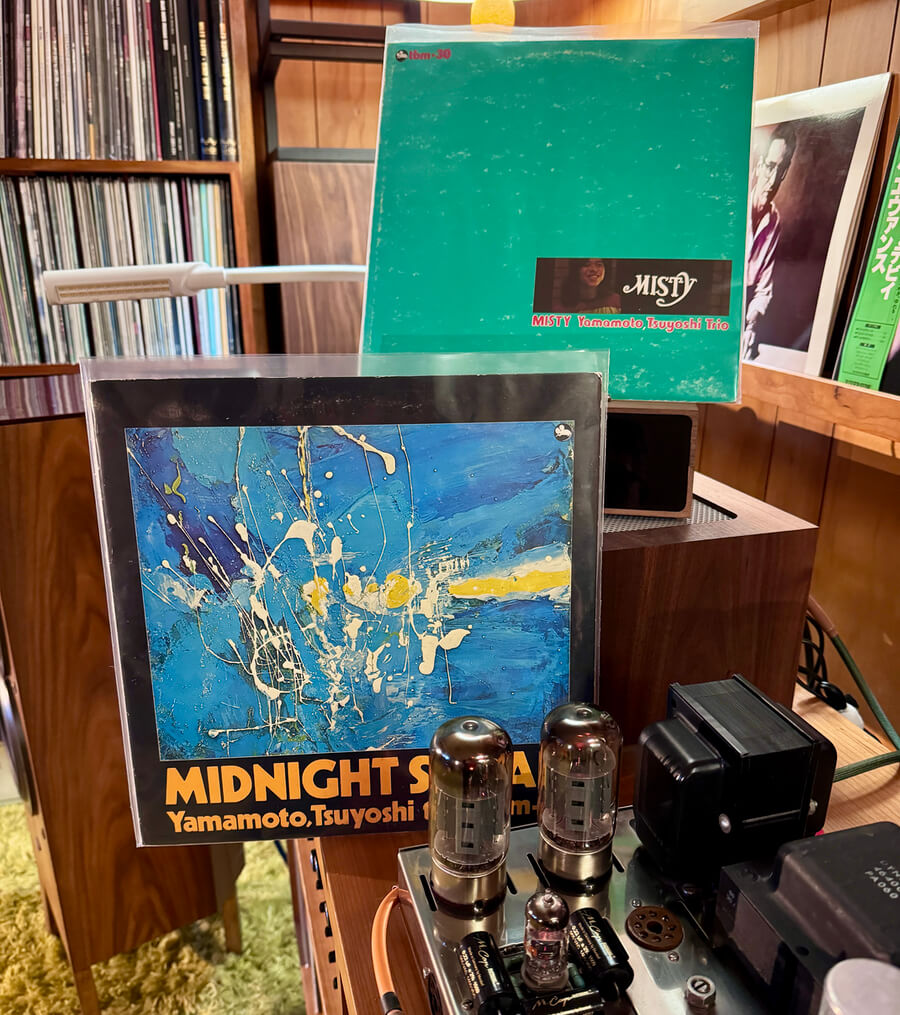
While Blue Note could be considered to have a fairly consistent house sound and style throughout its first couple of decades, one that mapped closely to public appetites for bop, hard bop, post-bop, free jazz, and other subgenres, TBM was all over the map stylistically, ranging from straight-ahead jazz to jazz fusion, rock fusion, big band, vocal jazz, free jazz, and avant-garde.
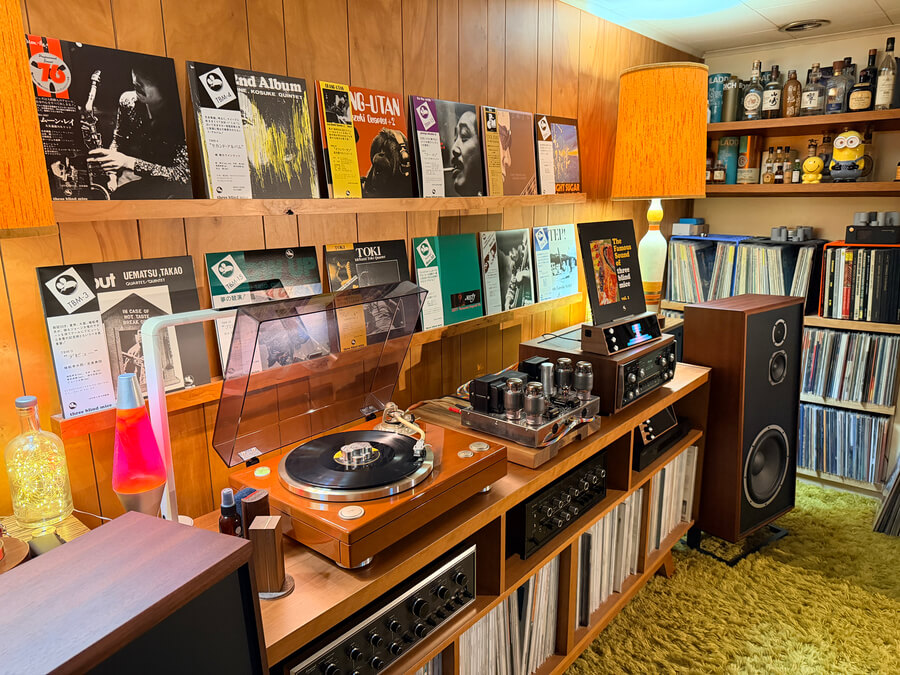
Artist combinations were also fluid, with very few consistently recognizable groupings and plentiful cross-pollination (no Jazz Messengers or Horace Silver Quintet combos). Some of the more recognizable artists (or ones to seek out if you’re new to Japanese jazz) include pianists Tsuyoshi Yamamoto, Hideo Ichikawa, Fumio Karashima, Kunihiko Sugano, and Masaru Imada; saxophonists Kohsuke Mine and Yoshio Otomo; guitarists Sunao Wada, Masayuki Takayanagi, and Shoji Yokouchi; bassists Isao Suzuki, Takashi Mizuhashi, and Yoshio Suzuki; drummers George Otsuka and Motohiko Hino; and big band leaders Bingo Miki and Nobuo Hara.
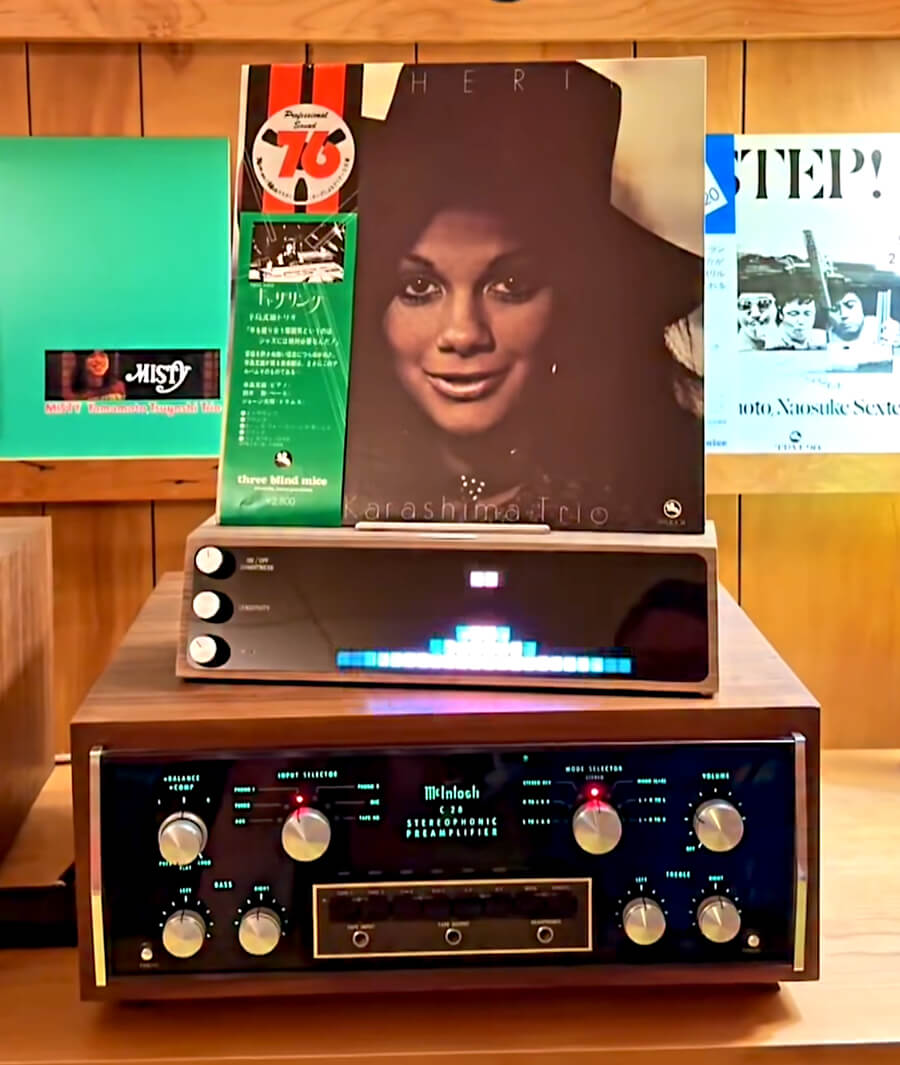
The unifying factor for the label’s output was the TBM sound and production, guided on most recordings by recording engineer Yoshihiko Kannari and featuring precise microphone and instrument placement, exemplary clarity and texture, and gorgeous dynamics and soundstage. I consider TBM releases to be some of the best-sounding records in my collection.
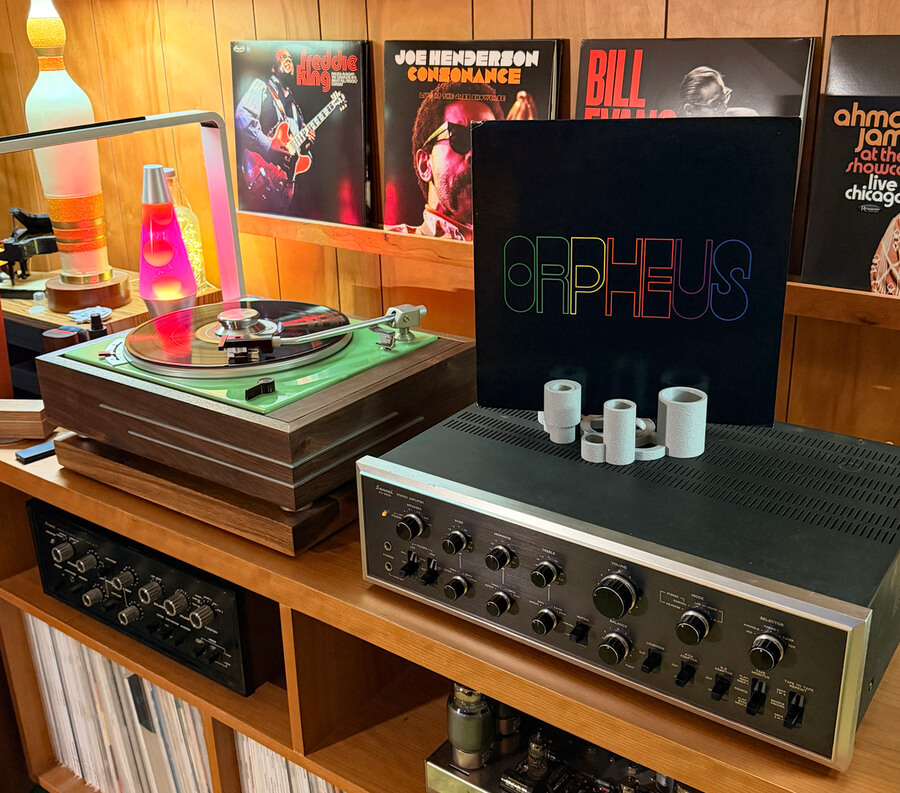
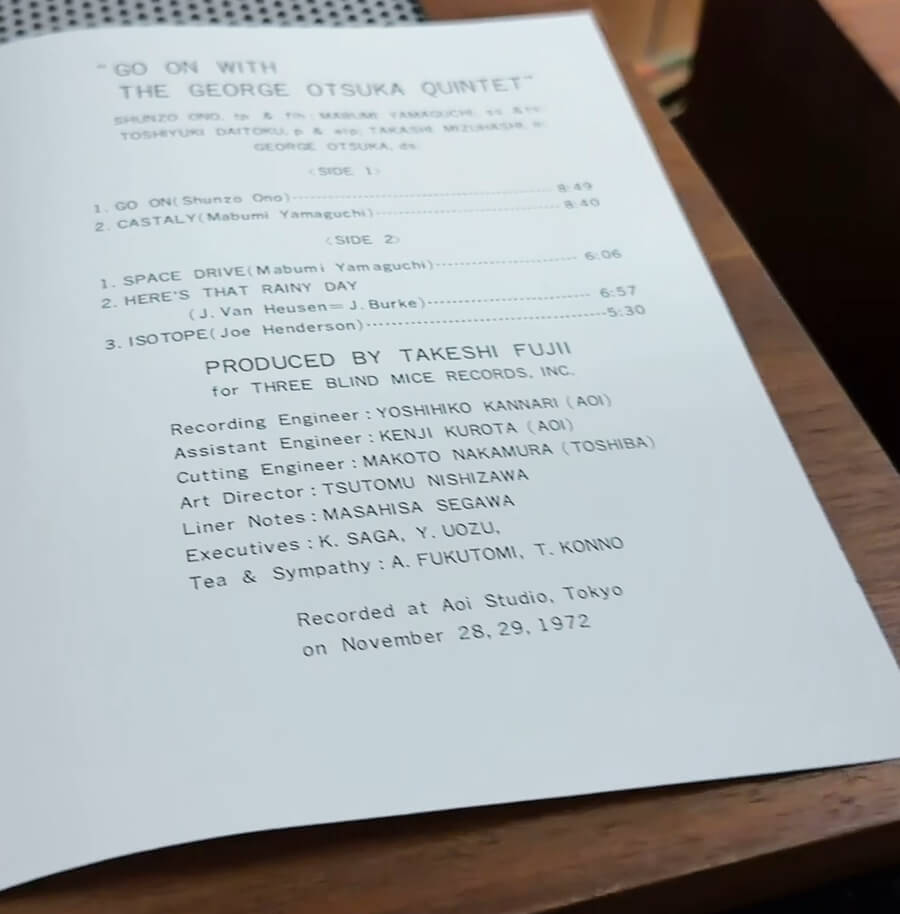
One of the pleasures of original TBM releases and the new reissues is the included recording booklet, with detailed descriptions (in Japanese) of the recording process and microphones used, sometimes including a graphic showing instrument and microphone placement in the studio (a basic English summary of artist and song details can also be found on the last page or two).
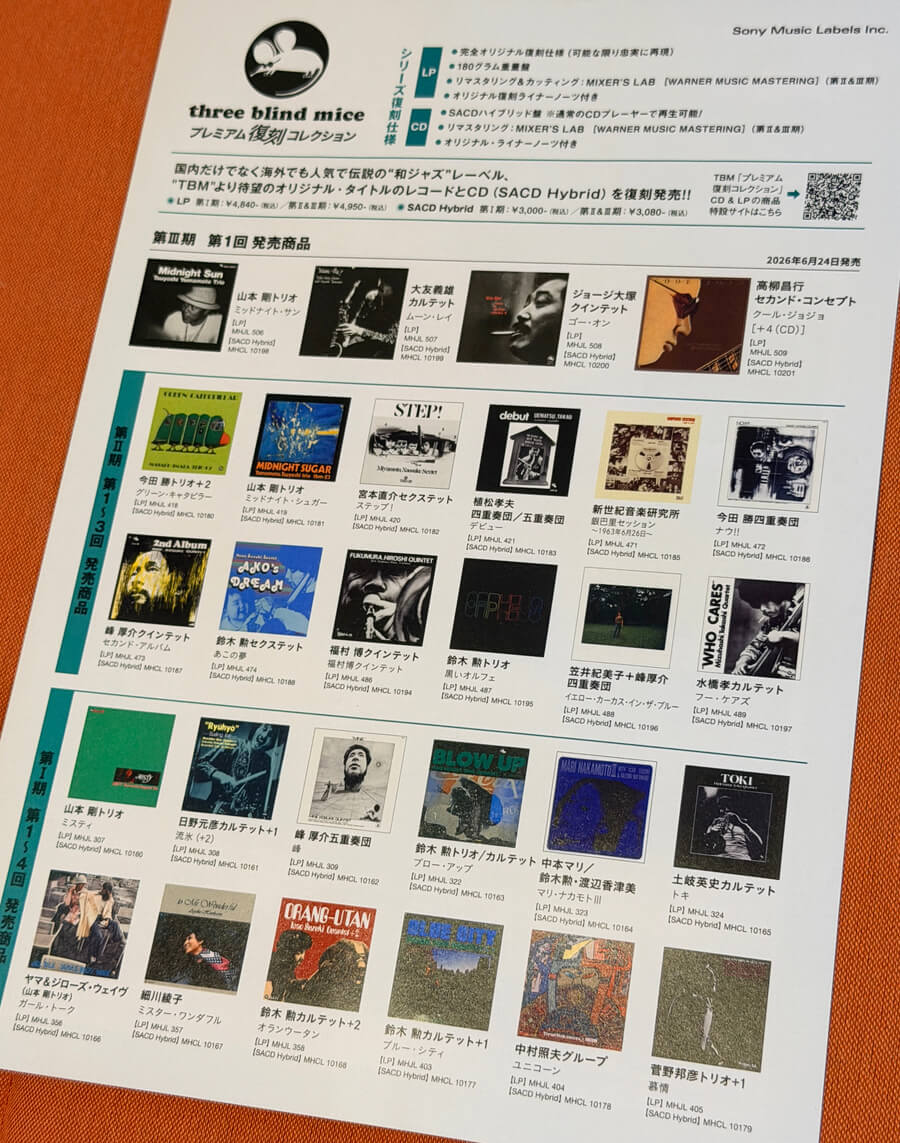
The rebirth of TBM was previewed in 2023 with the release of a two-record compilation album compiled by Japanese DJ and producer Tatsuo Sunaga. Rebirth of “TBM” featured 11 representative tracks from the label’s catalogue. In 2024, the reissues began appearing on a February, June, and October release schedule, initially in groups of three, expanding to four with the June 2025 release set. With this steady flow of reissues, I’m now knocking off titles at a good clip, adding them to the collection for less than ¥5,000 a pop during my frequent visits to Japan.
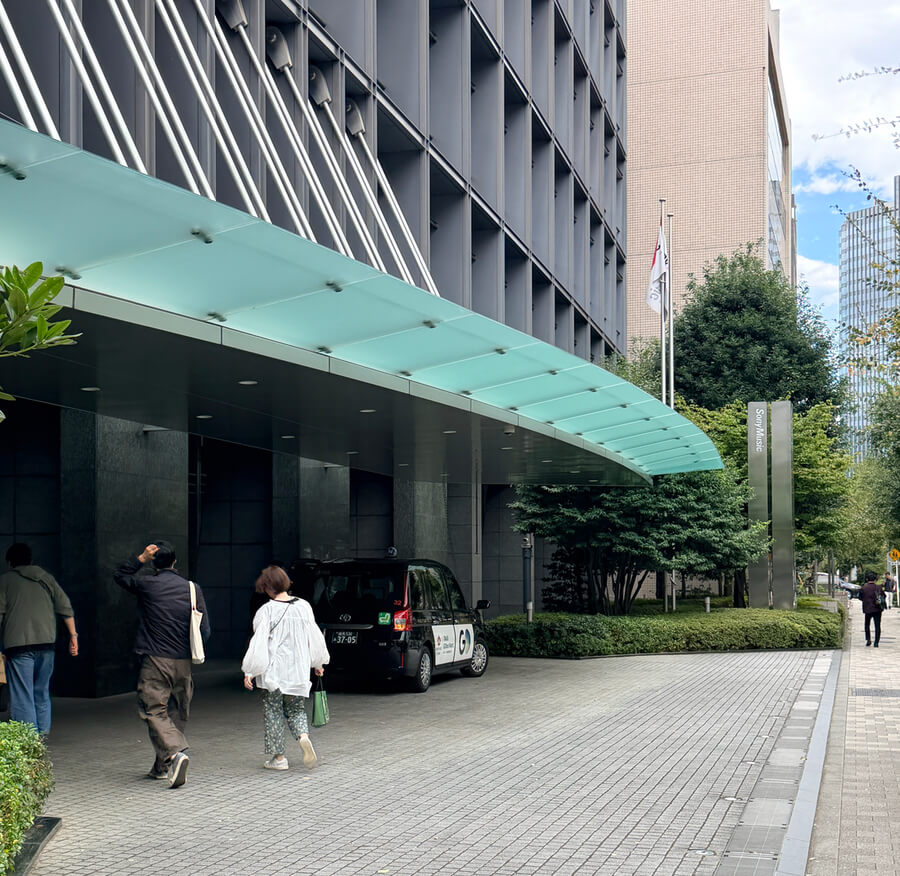
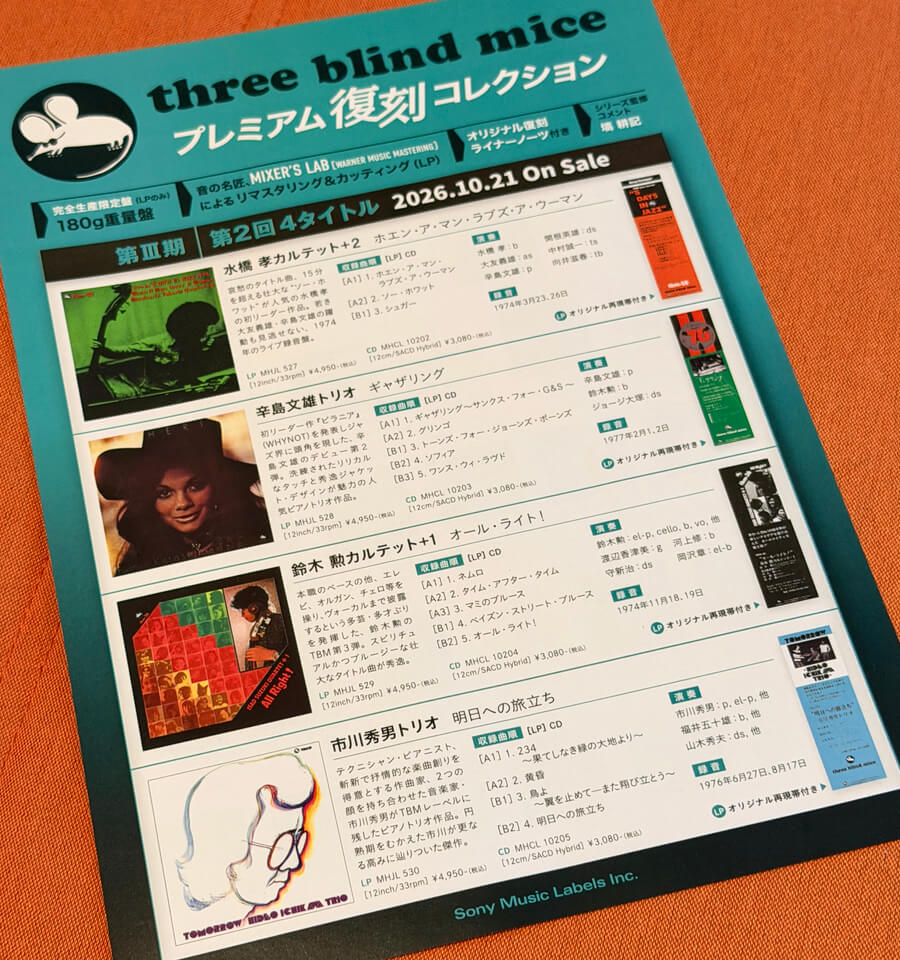
I was lucky this week to arrange a meeting with the TBM management group at Sony headquarters in Tokyo, during which I learned a bit about the history of the label and its reissue project, as well as some details about TBM’s roadmap for the future. The meeting just happened to coincide with the release date for the October 2026 titles.
TBM has ambitious plans that include maintaining its schedule of three releases per year, with four new titles each time, meaning more and more sought-after titles will become readily available to collectors. TBM also plans to expand distribution internationally, meaning reissues should become more widely available outside Japan at more reasonable prices. This international focus will also bring a greater social media presence (they launched an Instagram account this June, accessible at @threeblindmice_official).
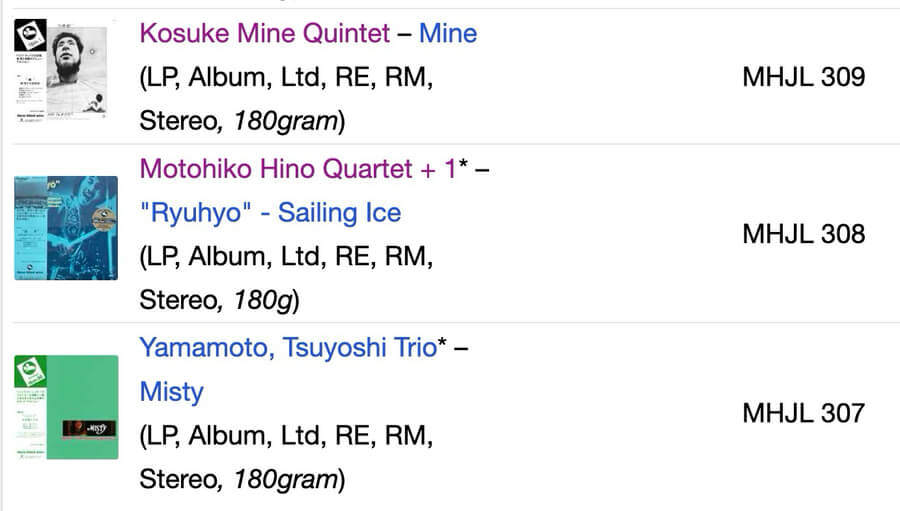
The first three titles, released on February 28, 2024, were Tsuyoshi Yamamoto Trio’s Misty, Motohiko Hino Quartet +1’s Ryuhyo, and Kosuke Mine Quintet’s Mine, the 1970 album that launched the original TBM label. These were serious audiophile reissues, with Bernie Grundman handling mastering and lacquer cutting from the original analog tapes for 180-gram vinyl LPs, complete with reproductions of the original obi strips and liner notes. Hybrid SACD editions were released alongside the vinyl, giving collectors another way to experience these remarkable recordings without paying increasingly ridiculous prices for clean originals.
With the growing popularity of all things Japanese, including J-Jazz, the return of TBM is a positive development that has been welcomed by many. Knowing that there’s more to come is great news. If you’re a TBM collector, give them a follow and don’t be shy about commenting and letting them know which titles you’d like to see on the release schedule. If you have questions leave them in the comments here, or hit me up at @audioloveyyc.
Related Reading:
- Tokyo One-Day Jazz Kissa Challenge: Exit To Vintage Street
- Turntables & Tulips: Hunting For Vinyl In Amsterdam On Record Store Day 2025
- A Tohoku Jazz Kissa Adventure (Part 1): Exit To Vintage Street