
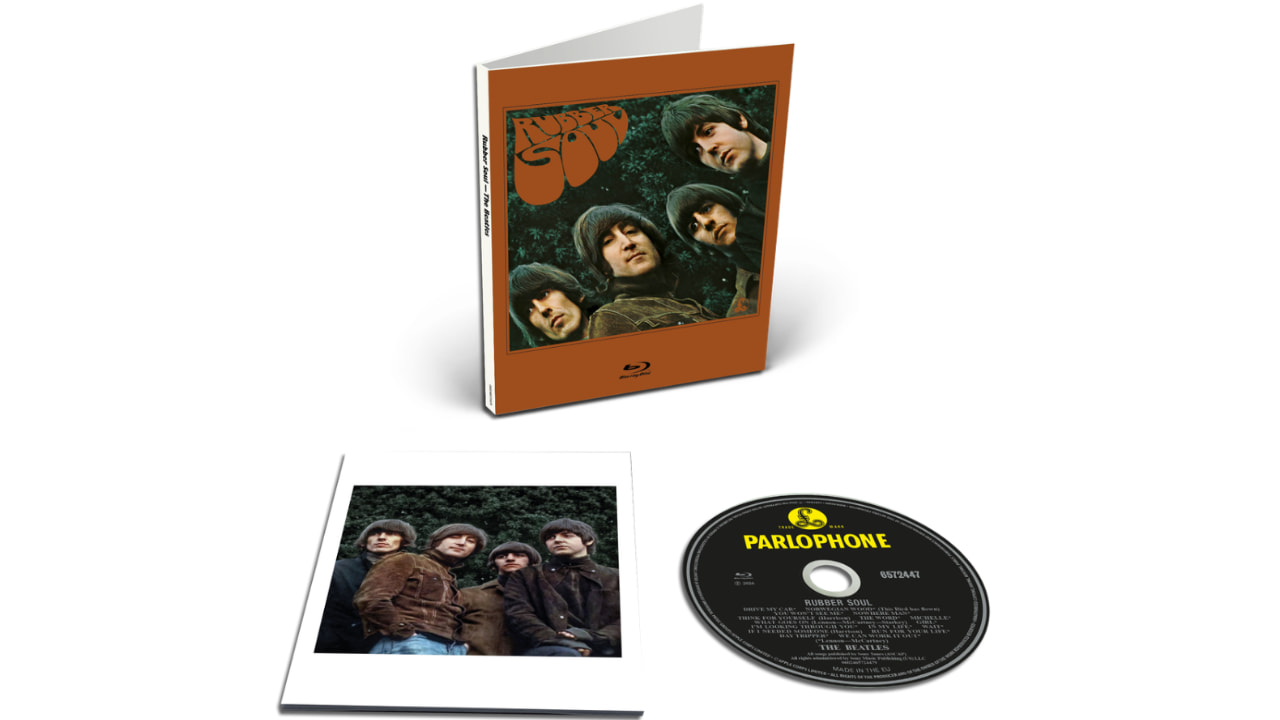
The Beatles catalog has been repackaged so many times that another expensive box set can feel less like a major event and more like an annual direct debit.
Rubber Soul is different.
The original 1965 stereo mix is one of the more awkward listens in the Beatles catalog, with vocals and instruments often pushed toward opposite channels. George Martin remixed the album for its 1987 CD release, but the limitations of the original four-track recordings remained. Apple Corps and UMG are now returning to those master tapes with modern source-separation technology and another opportunity to sell you an album that you probably already own at least twice.
The Beatles’ Rubber Soul Special Edition arrives October 2, 2026, with a new stereo mix created by producer Giles Martin and engineer Sam Okell. The album will also be offered in Dolby Atmos, high-resolution stereo, mono, and its original U.S. Capitol configuration, depending on which edition you purchase.
Why Remix Rubber Soul Again?
Recorded over four weeks in October and November 1965, Rubber Soul was created on four-track equipment at a point when stereo was still treated as something of a secondary format. The Beatles and George Martin spent considerably more time on the mono mixes, while the stereo presentations often placed complete groups of instruments or vocals hard left or right.
That presentation can sound interesting through loudspeakers, but significantly less convincing through headphones. John Lennon singing into your left ear while the rest of the band sets up camp on the other side is certainly separation, although “natural soundstage” would be stretching things.
The new mix was sourced directly from the original four-track master tapes. Giles Martin and Sam Okell used de-mixing technology developed by the sound team led by Emile de la Rey at Peter Jackson’s WingNut Films. The technology allows individual vocals and instruments that were combined on the same tape track to be separated and repositioned during mixing.
The objective is not to replace the original mono album or pretend that Rubber Soul was recorded last week. It is to create a more coherent stereo presentation without stripping away the character of a recording made in 1965.
We will reserve judgment until we hear it. Technology can create options that George Martin and the band never had, but more separation does not automatically make a mix better.
What Is Included?
Every edition contains the new 14-track stereo mix, including “Drive My Car,” “Norwegian Wood,” “Nowhere Man,” “Michelle,” “Girl,” “In My Life,” and “If I Needed Someone.”
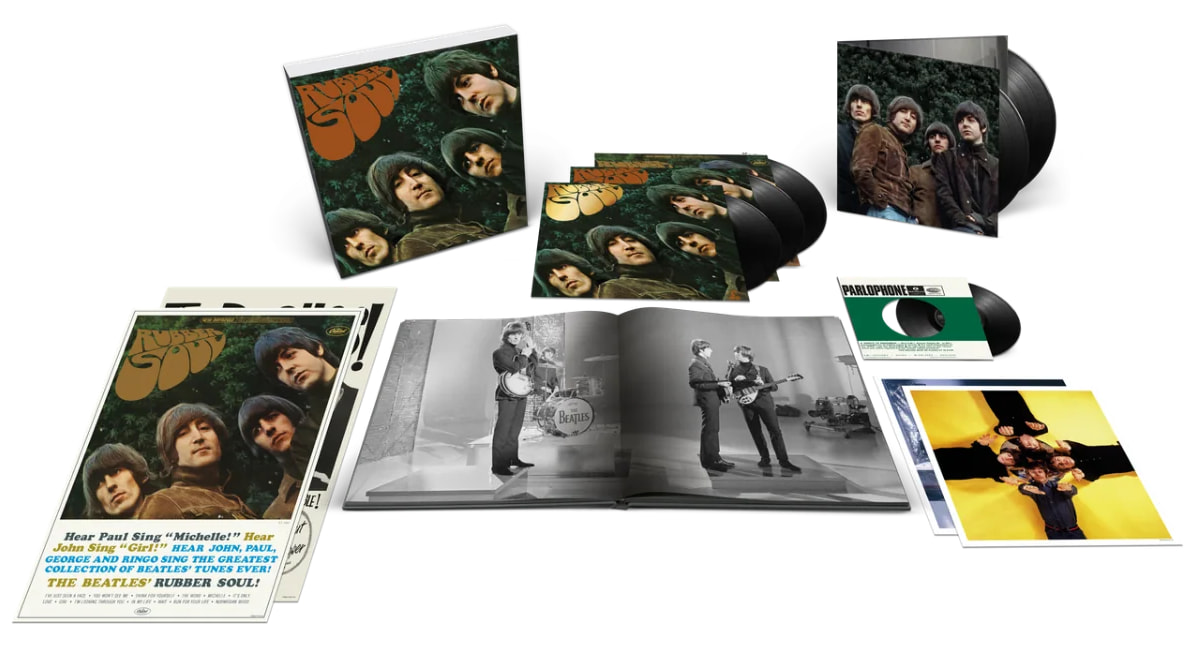
The expanded Super Deluxe editions add 24 early session recordings, including 20 previously unreleased takes and three previously unreleased home demos. The demos include early versions of “Day Tripper” and “We Can Work It Out,” along with “Little Girl,” a previously unheard John Lennon song outline that had not even been publicly documented before this project.
The 28-track sessions disc also includes alternate versions and backing tracks for “Norwegian Wood,” “Drive My Car,” “In My Life,” “Nowhere Man,” “Michelle,” “The Word,” and other album tracks. “Michelle Take 1” is already available as a preview.
Both Super Deluxe boxes include the original mono album and the original 12-track Capitol U.S. version. The American album removes “Drive My Car,” “Nowhere Man,” “What Goes On,” and “If I Needed Someone,” while adding “I’ve Just Seen a Face” and “It’s Only Love.” That version helped shape how millions of North American listeners first experienced Rubber Soul, so its inclusion is more than collector padding.
The 4CD and 5LP editions also come with an 88-page hardbound book featuring a new introduction from Paul McCartney, a foreword assembled from John Lennon’s comments, rare photographs, session history, and track notes.
The Standalone Blu-ray Might Be the Best Version
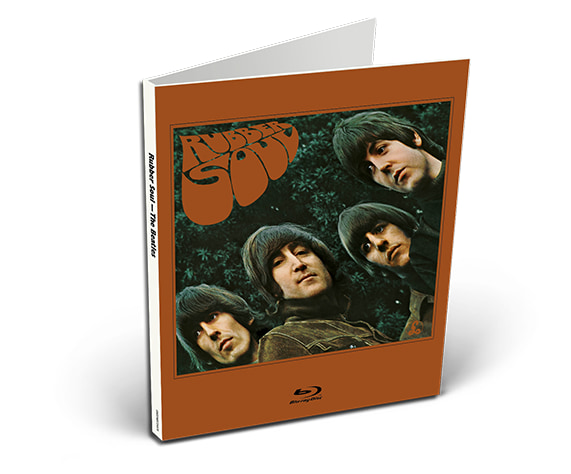
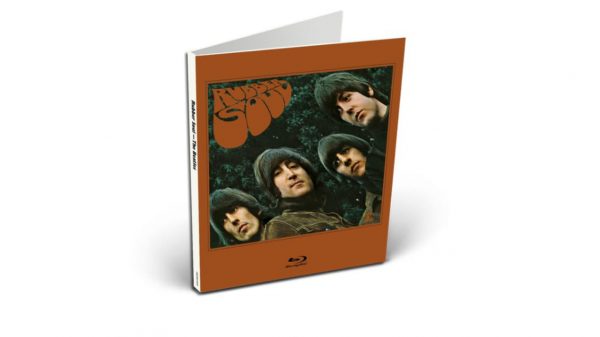
For eCoustics readers, the $35.98 standalone Blu-ray may be the most interesting option.
It includes the full album in a new 2026 Dolby Atmos mix and high-resolution stereo, along with the 2023 Dolby Atmos and high-resolution stereo mixes of “Day Tripper” and “We Can Work It Out.” Four promotional videos are included, covering the standard and alternate versions of both singles. The disc comes in a digisleeve with a 20-page booklet.
One important detail: the Blu-ray is not included with either Super Deluxe box.
That means someone spending $149.98 on the 4CD set or $229.98 on the 5LP set must still purchase the Blu-ray separately to get the Atmos and high-resolution stereo versions on disc. The Beatles are hardly alone in dividing content this way, but buyers should know what they are paying for before the pre-order button begins whispering to them.
Also worth noting: the album itself receives new 2026 mixes, while the two singles use the previously created 2023 stereo and Atmos mixes.
Formats & U.S. Pricing
The following editions will be available October 2, 2026, with pre-orders accepted now:
- Standard 1CD: $18.99 at Amazon
- Standard 1LP: $29.99 at Amazon
- Deluxe 2CD: $24.98 at Amazon
- Deluxe 2LP: $39.98 at Amazon
- Blu-ray: $35.98 at Amazon
- Zoetrope LP: $35.98 at The Beatles Store
- Super Deluxe 4CD: $149.98 at Amazon
- Super Deluxe 5LP + 7″ Single: $229.98 at Amazon
- Super Deluxe 5LP + 7″ Single + Poster + Art Cards: $235.98 at The Beatles Store
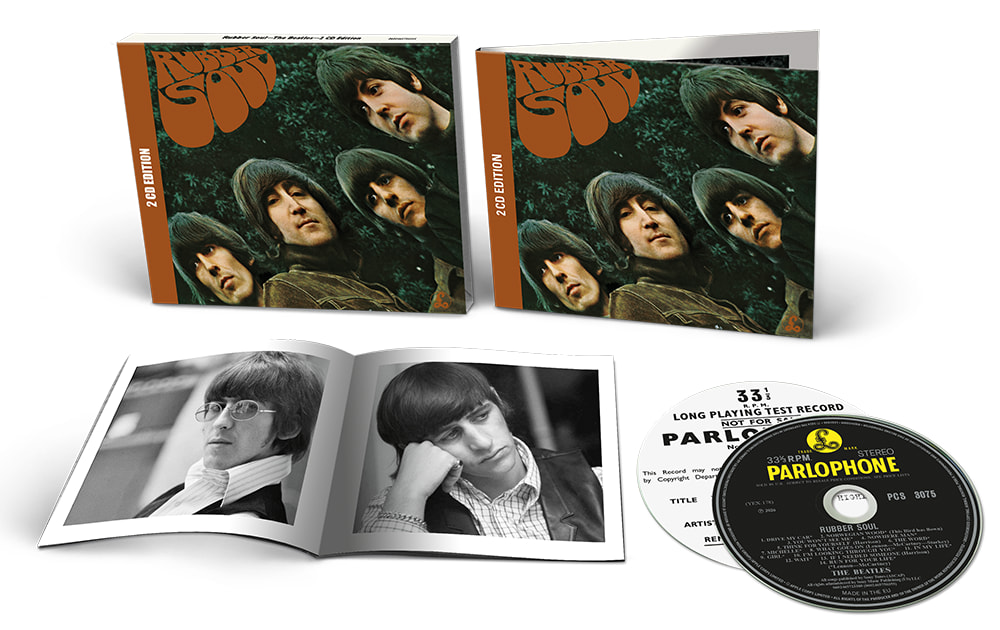
The 2CD edition combines the new stereo album with 16 selected demos, session recordings, and the two non-album singles. At $24.98, it is probably the best value for listeners who want more than the standard album but have no desire to study every instrumental backing track.
The 2LP version offers the same basic program on two half-speed-mastered, 180-gram records. The 5LP box expands the sessions across two records and adds the mono album, Capitol version, and a 7-inch “Day Tripper” and “We Can Work It Out” single.
The Bottom Line
Rubber Soul is not being reissued because the world was running dangerously low on Beatles merchandise. It is getting another release because modern de-mixing technology can address genuine limitations imposed by the original four-track recording process.
Whether Giles Martin and Sam Okell have created the definitive stereo version remains to be heard. The original mono mix is still included for listeners who prefer the album as the Beatles and George Martin primarily shaped it in 1965, and the Capitol version gives North American fans the album many of them grew up with.
The $24.98 2CD set looks like the sensible purchase for most listeners. The standalone Blu-ray is the obvious choice for anyone with a capable stereo or Dolby Atmos system, although making buyers purchase it separately from the expensive Super Deluxe editions feels unnecessarily cheap.
The 4CD box is for listeners who want the complete session history, while the 5LP edition is for Beatles collectors who stopped asking rational financial questions several box sets ago.
Related Reading:
- Jeff Buckley Grace Blu-Ray Review: New Dolby Atmos, DTS-HD MA 5.1 And Hi-Res Stereo Mixes
- Peter Gabriel “Taking The Pulse” Blu-Ray Review: Symphonic Concert In A Roman Amphitheater With DTS-HD Master Audio
- War’s Why Can’t We Be Friends? Returns In Explosive Quadraphonic Surround On Rhino Quadio Blu-Ray: Review
























ORT
August 4, 2026 at 9:58 pm
I am not so certain that history does repeat itself but Record Companies do with alarming frequency. In the past up to the present, I have owned the Vinyl, the 8-Track, the Cassette and the CD versions of this album. For sum-dum-reason, I repeat myself when it comes to The Beatles. Ergo this time, I shall refrain…At least until the next re-issue.
ORT
Ian White
August 5, 2026 at 12:01 am
ORT,
Not a fan anymore of these guys. Minus the White album. I must own at least a dozen Beatles Albums on vinyl and perhaps 3-4 CDs. What else do I need?
IW