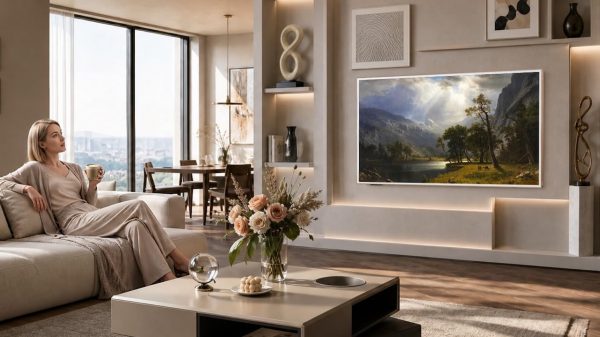
Custom integrators have been dealing with the same problem for years. The homeowner wants a massive television and serious sound. The interior designer would prefer that neither one dominate the room. Somehow, everybody is expected to leave happy.
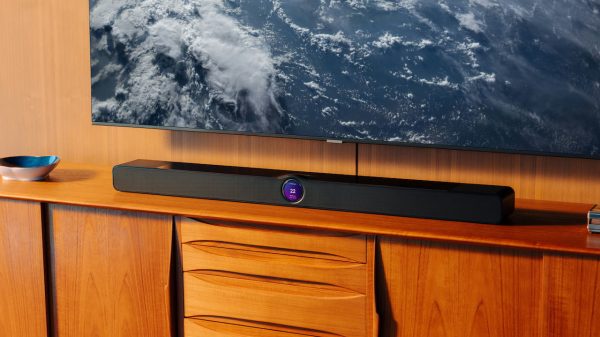
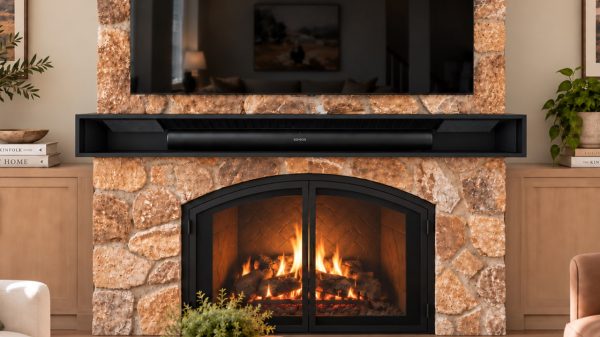
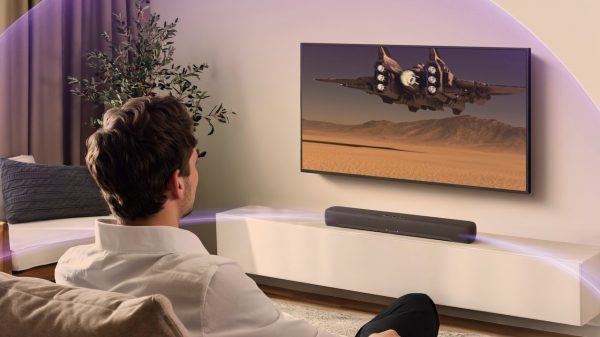
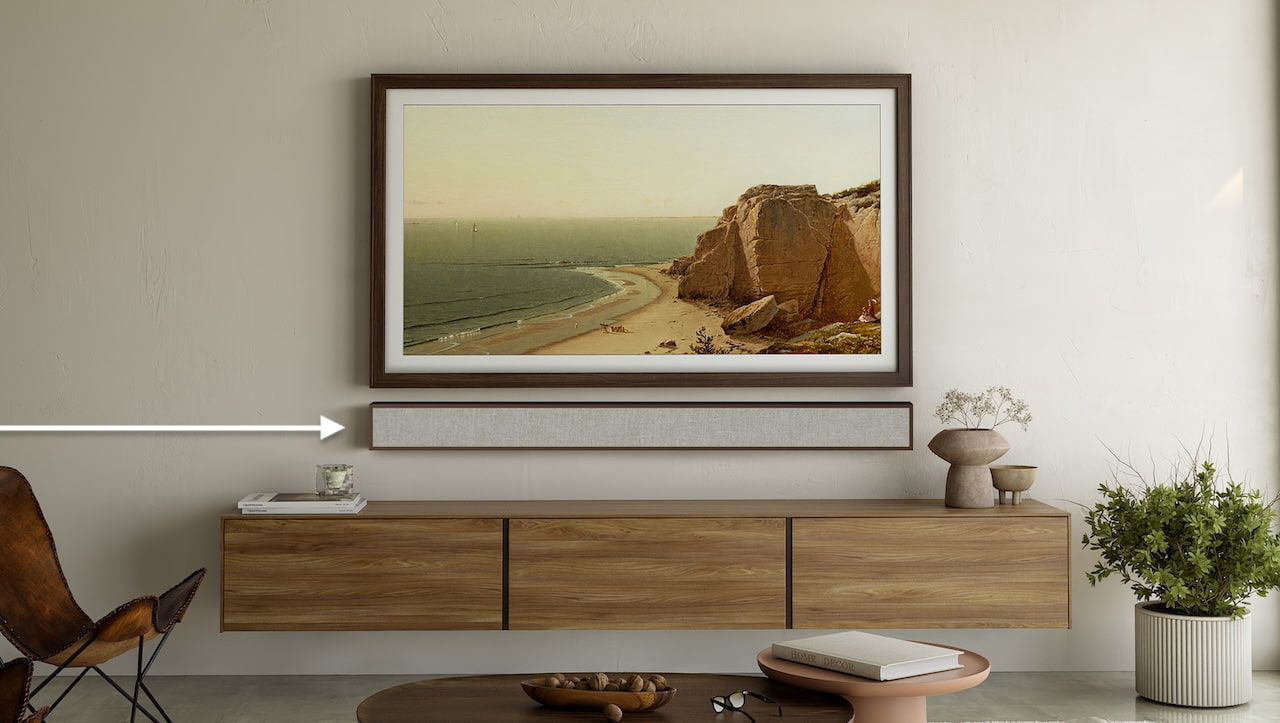
Leon Speakers has built much of its business around resolving that particular domestic dispute, and at CEDIA Expo 2026 the Michigan manufacturer will debut the FrameBar Ultima, a new custom width soundbar designed to bring its reference grade Ultima platform to framed televisions.
The concept itself is familiar. We have covered Leon’s FrameBar products before, along with its Studio Frame for Sony BRAVIA, which gives Sony owners a more furniture friendly alternative to buying an art television simply because it looks better on the wall. The FrameBar Ultima raises the performance ceiling with larger, higher quality drivers while retaining the made to measure approach that has become Leon’s calling card.
Related Reading:
- Sipping Balmuda Tea, Soaking Up OFS ROOM Soundproof Magic, And Getting Schooled By Leon’s Invisible Speakers At ICFF: The Cabin Audiophiler
- Sony Bravia 7 II True RGB TV Review: Color Me Impressed
- Worth The Wait? Sony BRAVIA 7 II, BRAVIA 9 II True RGB TVs Are Here And We Have Thoughts
A More Serious FrameBar
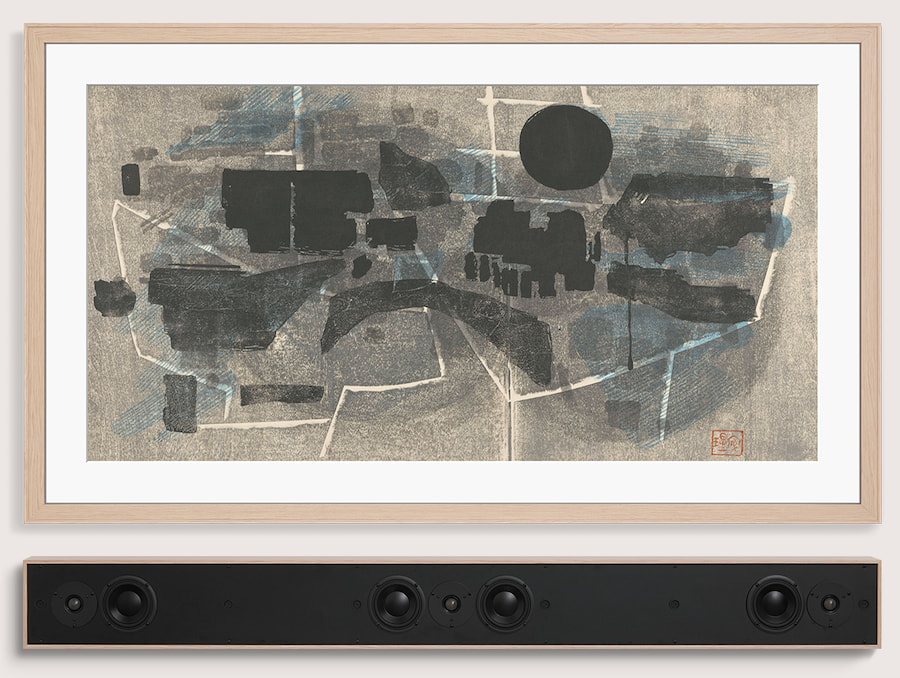
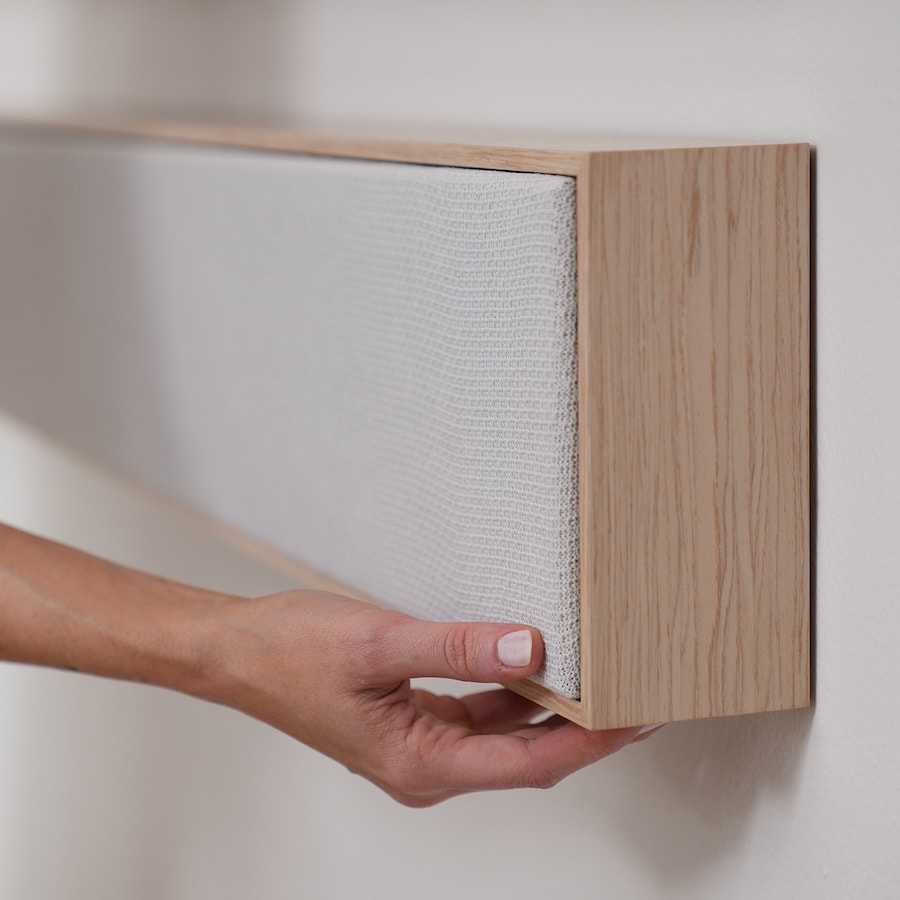
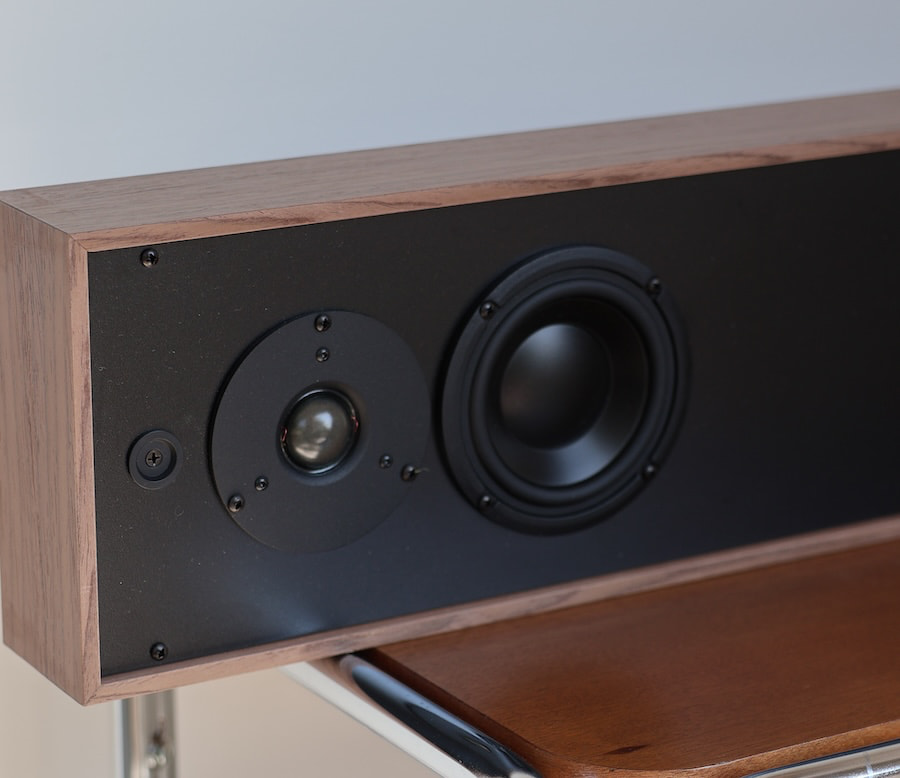
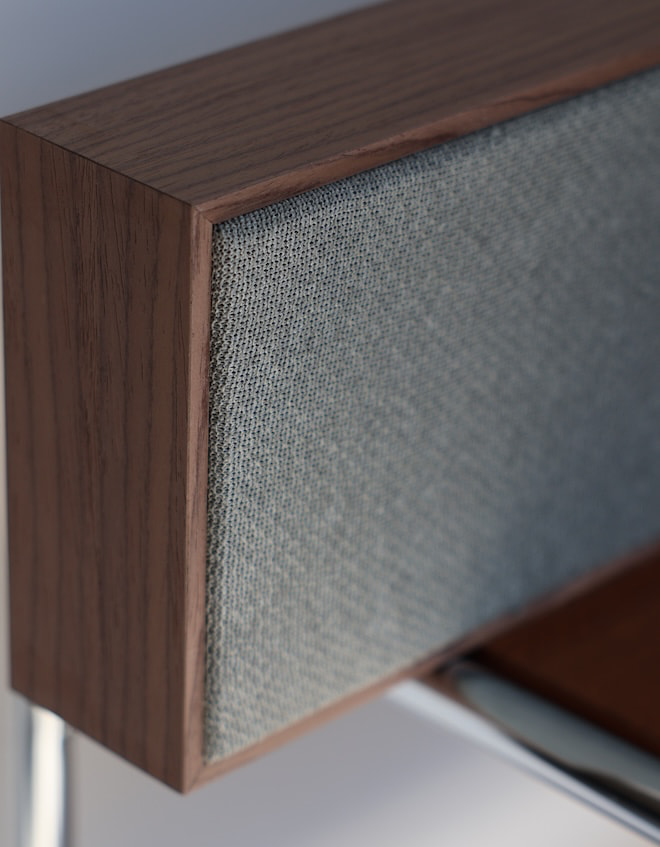
The FrameBar Ultima uses handmade 5-inch woven polypropylene woofers and 1- inch cloth dome tweeters, technology derived from Leon’s existing Ultima platform. Each unit can be built to match the width and finish of a framed television, including Samsung’s The Frame and Sony BRAVIA models fitted with Leon’s Studio Frame.
Leon is also leaning harder into materials. The cabinet can be finished in Italian hardwood veneers and paired with new acoustically transparent designer grille fabrics intended to make the speaker look less like something the installer remembered at the last minute.
Pricing starts at $5,750, which immediately removes the FrameBar Ultima from any meaningful comparison with mainstream soundbars from Sonos, Bose, Samsung, or Sony. This is a purpose built loudspeaker for professionally designed systems, not something you toss into an online shopping cart because the television speakers are terrible.
Sony BRAVIA Is an Important Part of the Story
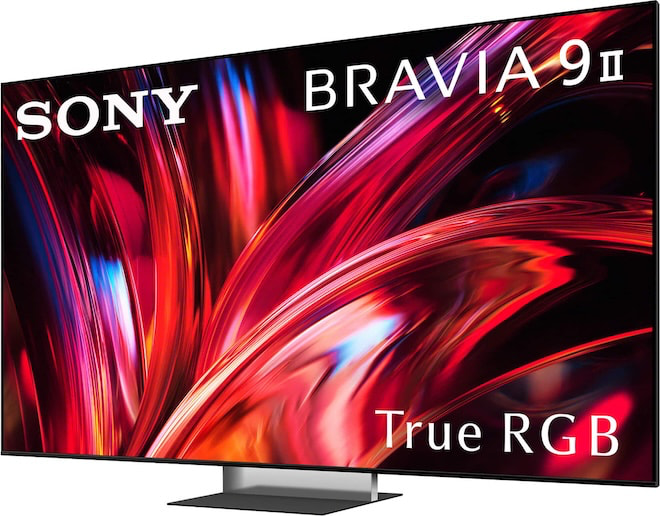
Leon is also showing an updated version of its Studio Frame for the 2026 Sony BRAVIA 7 II and BRAVIA 9 II True RGB televisions.
Those models have already received considerable attention on eCoustics. Sony replaced the Mini LED backlights used in the previous BRAVIA 7 and BRAVIA 9 with its new True RGB system, which uses independently controlled red, green, and blue lighting elements to increase color volume while maintaining high brightness. The BRAVIA 7 II is offered in sizes from 50 to 98 inches, while the flagship BRAVIA 9 II ranges from 65 inches up to a rather enormous 115 inches.
We have already reviewed the BRAVIA 7 II and came away impressed by its color performance and overall picture quality. Leon’s Studio Frame gives buyers another option if they want Sony’s display technology without leaving a large black rectangle hanging on the wall when the television is not being used.
The new Studio Frame starts at $1,295 and uses handcrafted Italian hardwood veneer over an HDF core. It also includes a library of more than 200 digital images and is designed to conceal mounting hardware and wiring while preserving ventilation.
Leon says its CEDIA demonstration will pair a special FrameBar Ultima with integrated subwoofers and a 98 inch Sony BRAVIA display, powered by Powersoft amplification. Sony currently lists the 98 inch True RGB model as part of the BRAVIA 7 II series, while the BRAVIA 9 II lineup extends from 65 to 115 inches.
There is one important limitation: Leon is not offering the Studio Frame for every Sony True RGB screen size. It currently supports the BRAVIA 9 II in 65, 75, and 85 inch sizes and the BRAVIA 7 II in 55, 65, 75, and 85 inch sizes. That means no Studio Frame for Sony’s 98 inch BRAVIA 7 II or 115 inch BRAVIA 9 II, at least for now.
What Makes It Different?
Leon did not invent the custom width soundbar, and it does not own the category.
James Loudspeaker, now part of Sonance, offers an extensive SPL range that can be built to match specific display dimensions, with multiple driver sizes, LCR configurations, custom finishes, and even new powered versions with DSP and HDMI eARC. Some of those products are formidable alternatives for installations where output and flexibility matter more than looking like part of the furniture.
What Leon does particularly well is combine the loudspeaker with the visual treatment of the display itself.
The FrameBar, Studio Frame, grille fabrics, veneers, mounting solutions, and related products can all be specified as parts of the same installation. For an integrator dealing with an architect and interior designer before the drywall is even finished, that can be a significant advantage.
The Ultima also addresses one of the obvious compromises with ultra thin architectural soundbars. Small enclosures and tiny drivers may look terrific beneath a television, but physics still attends CEDIA. Moving to Leon’s 5-inch Ultima woofers gives the company more room to pursue genuine output and dynamic capability without abandoning the basic FrameBar idea.
Who Is This For?
Not the person debating between a Sonos Arc Ultra and a Samsung Q990 system.
The FrameBar Ultima is aimed at homeowners spending serious money on premium televisions, whole home automation, lighting, cabinetry, acoustic treatment, and professional installation. It also makes sense for rooms where conventional floorstanding or bookshelf speakers are simply not going to survive the first meeting with the interior designer.
At nearly $6,000, the FrameBar Ultima is expensive, but hardly an outlier in the premium integrated audio category. Put an $8,999 Sony BRAVIA 7 II or $30,999 BRAVIA 9 II into a professionally designed room and the arithmetic starts looking rather different.
Nobody said hiding expensive technology was going to be inexpensive.
More From Leon at CEDIA 2026
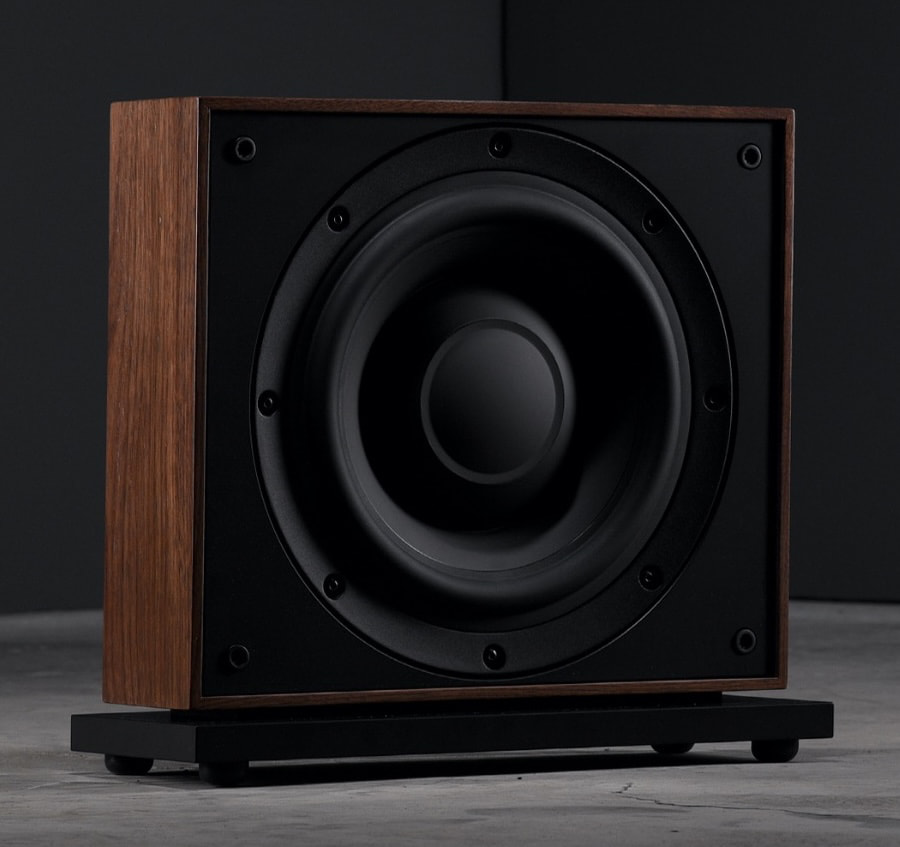
Leon will also preview its new Aaros A10-UT (ultra thin) subwoofer, which will be available in passive ($3,100+) and powered ($4,500+) configurations with Powersoft amplification, along with updated Edge TV Frames, the Mera Sound Sconce, Terra outdoor speakers, and ASKIA acoustic treatments.
The FrameBar Ultima and new Studio Frame will be demonstrated at Leon Booth 1719 during CEDIA Expo 2026 in Denver.
The Bottom Line
The Leon FrameBar Ultima is not trying to replace a $1,000 Dolby Atmos soundbar. It is trying to solve a much more expensive problem: how to deliver legitimate front channel performance beneath a premium television without making the room look like an equipment showroom.
James and other CI specialists offer serious competition, but Leon’s combination of custom audio, television framing, furniture grade finishes, and fabrication gives the FrameBar Ultima a distinct role in high end residential installations.
At $5,750 and up, it is unquestionably expensive. But if you have already bought an 85-inch Sony BRAVIA, hired an interior designer, specified the lighting, hidden the equipment rack, and argued about the exact shade of walnut on the cabinetry, you left the normal soundbar market several invoices ago.
For more information: leonspeakers.com
Related Reading: