iFi Audio is back in the dongle DAC fight with the new GO link 2 Max, a compact USB-C DAC/headphone amplifier designed for smartphones, tablets, laptops, and PCs. Announced around High End Vienna 2026, the new model lands at $85 USD which puts it directly into one of the most crowded corners of personal audio.
And crowded is being polite.
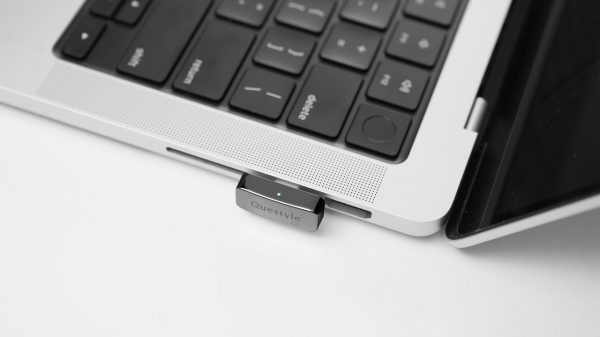
The dongle DAC category is now packed with options from iFi, FiiO, Shanling, AudioQuest, Schiit Audio, Questyle, and enough other brands to make your phone’s USB-C port consider early retirement. AudioQuest has a new model coming as well, so clearly nobody got the memo that the boat was already full and starting to take on water.
Still, iFi has been at this long enough to know the assignment. The GO link 2 Max is not trying to be a desktop replacement, a battery-powered Bluetooth DAC, or a tiny slab of CNC-machined jewelry with a price tag that makes you clean your glasses, reload the page, and wonder if someone misplaced a decimal point. It is a wired USB-C dongle DAC with more output power, dual-DAC architecture, iFi’s S-Balanced technology, and app-based firmware support for under $100.
That might actually be a good deal if the sound quality has been improved and the cable can take the abuse.
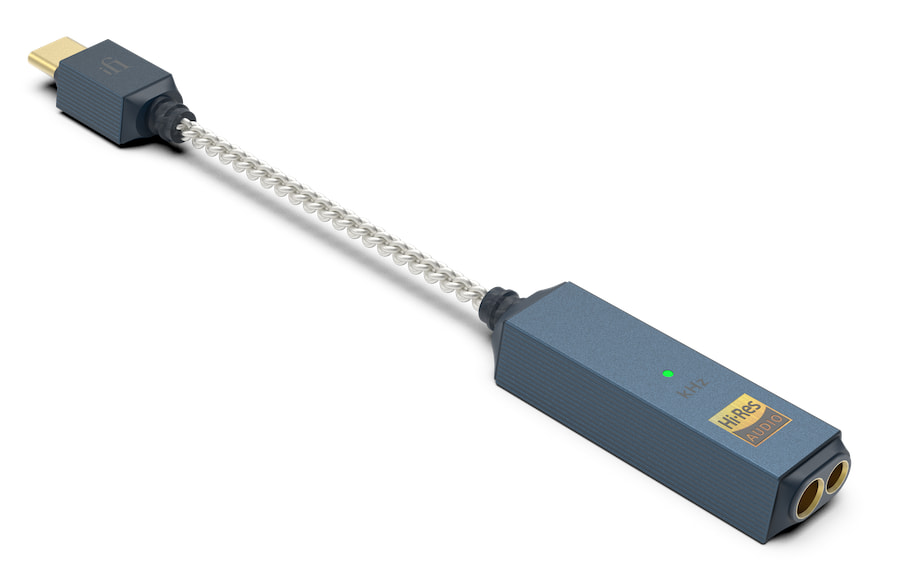
Dual ESS Sabre DACs in a Tiny USB-C Package
The GO link 2 Max uses a dual ESS Sabre DAC architecture, with one DAC chip assigned to each audio channel. iFi says the design improves detail, definition, and instrument separation versus a single-DAC layout.
Format support is also strong for the price: PCM up to 32-bit/384kHz and native DSD256. That is more than enough for the overwhelming majority of users streaming from Qobuz, TIDAL, Apple Music, or a local hi-res library. Nobody needs to pretend they are casually commuting with 11.2MHz DSD files. Call your therapist if that’s actually something on your smartphone.
The GO link 2 Max also uses iFi’s GMT clock circuitry with a specialized crystal oscillator, along with ESS technologies such as Time Domain Jitter Eliminator. The goal is lower distortion, cleaner timing, and better clarity from a device small enough to disappear into a pocket.
More Power Than the Size Suggests
The headline number is up to 241mW of output power, which is a lot for something this small and affordable. That does not mean it will replace a proper desktop headphone amplifier, and nobody should expect it to drive planar headphones without some strain at higher levels.
But for IEMs, efficient dynamic headphones, and many portable over-ear models, 241mW gives the GO link 2 Max enough muscle to be more than a basic USB-C phone adapter with delusions of grandeur. Han Solo would understand.
In our review of the previous iFi GO link Max, the appeal was clear: it was small, solidly built, genuinely plug-and-play, and offered a lot more volume, resolution, clarity, bass texture, imaging, and separation than a basic laptop or phone headphone output.
It also brought dual ESS Sabre DACs, 32-bit/384kHz PCM, DSD256 support, and a 4.4mm balanced output to the sub-$100 category, which made the $79 price feel like someone at iFi had either lost a bet or found religion.
The limitations were also clear: the attached USB-C cable was a structural weak point, the 3.5mm output had less power than the 4.4mm jack, and high-impedance dynamic headphones were not always the best match.
The GO link 2 Max appears to stay focused on the same core idea, but with more output power, dual DACs, Dynamic Range Enhancement, THD compensation, and better software support through iFi Nexis.
That is the right direction.
S-Balanced Output, Not a 4.4mm Balanced Jack
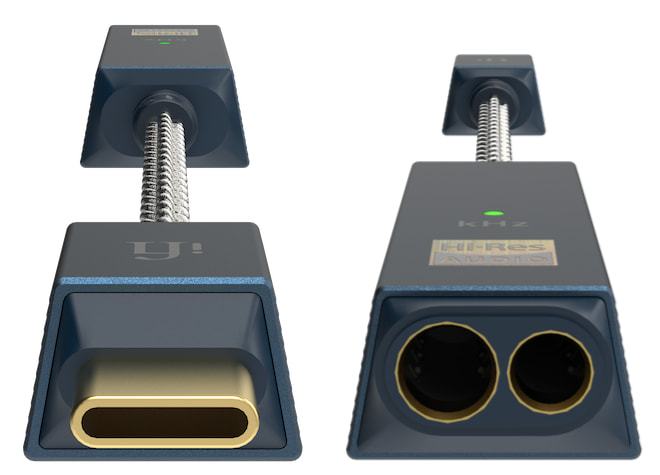
One detail needs to be stated accurately: the GO link 2 Max does not appear to add a 4.4mm balanced headphone output. Instead, it uses iFi’s S-Balanced technology through its 3.5mm headphone output.
iFi says S-Balanced applies balanced circuit principles to a single-ended 3.5mm output to reduce channel crosstalk and improve separation. According to iFi, the implementation cuts crosstalk between channels in half.
That distinction matters because “balanced” gets thrown around in portable audio like free drink tickets at a trade show. This is not the same thing as a 4.4mm balanced output. It is iFi’s own approach to lowering noise and improving separation from a standard headphone jack.
For most users with 3.5mm headphones and IEMs, that is probably more useful than adding another cable standard to the drawer of shame.
Dynamic Range Enhancement and Lower Distortion
The GO link 2 Max also includes Dynamic Range Enhancement, or DRE, which iFi says adds up to 6dB of additional range between the quietest and loudest moments in the music.
iFi also claims its THD compensation reduces distortion by more than 50% compared to the original GO link Max. That is a useful claim, but again, the listening test matters. Measurements can tell part of the story. Headphones, IEM sensitivity, source device behavior, and volume control implementation will tell the rest.
iFi Nexis App Support, But Android Gets the Good Stuff
The GO link 2 Max supports the iFi Nexis app, which enables over-the-air firmware updates, selectable digital filters, and volume limiting.
There is a catch: iFi says those Nexis features are exclusive to Android devices. That means iPhone, iPad, and Mac users should not assume they are getting the same app-based control experience.
The two selectable digital filters are hybrid and linear, giving Android users some control over the DAC’s sonic behavior. Whether most listeners will hear a dramatic difference is another matter. Digital filters are useful, but they are not fairy dust. They tend to make subtle changes, not convert a $85 dongle into a $2,000 desktop DAC because someone tapped the right button.

Hardware Volume Control Is the Smart Move
One practical feature is the GO link 2 Max’s hardware-based volume control. iFi says this lets users adjust volume without reducing digital resolution in the way software volume control can.
That matters most with sensitive IEMs, where small volume changes and low noise are important. It is not the flashiest feature on the spec sheet, but it is the kind of detail that can make a portable DAC easier to live with every day.
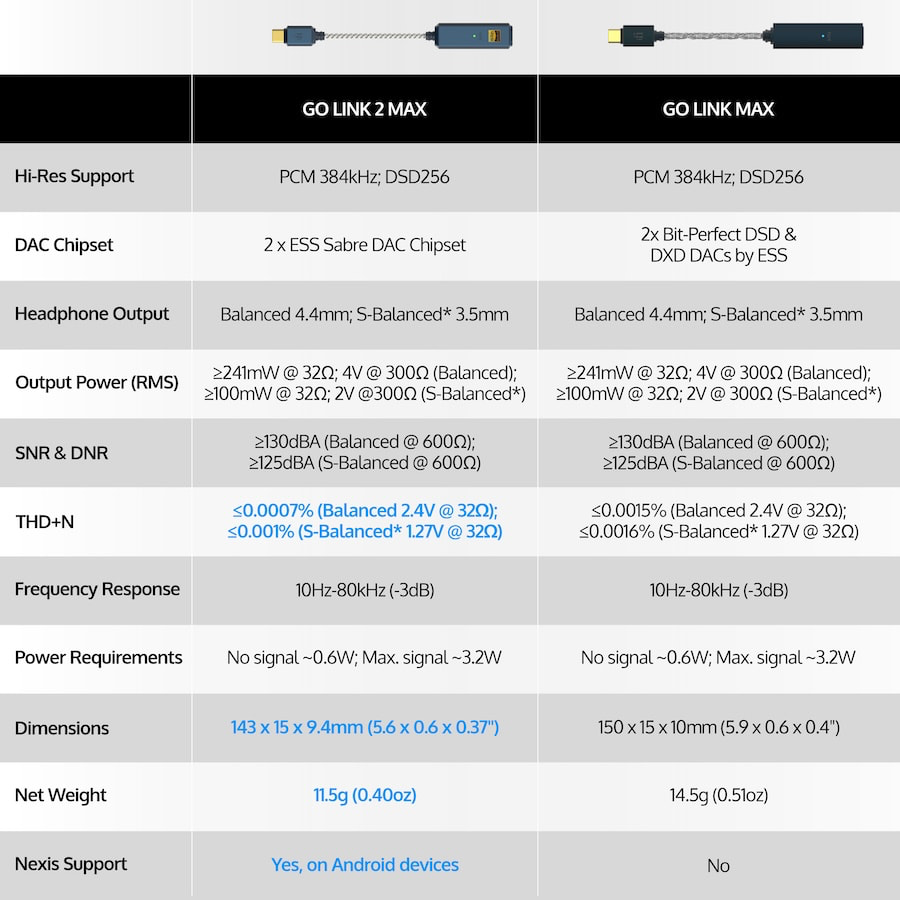
Specifications Compared
The Bottom Line
The iFi GO link 2 Max is for listeners who want a real upgrade from a phone, tablet, or laptop headphone output without carrying a desktop DAC or another battery-powered box. For $85, it offers dual ESS Sabre DACs, up to 241mW of output, S-Balanced technology, hardware volume control, and hi-res PCM/DSD support in a tiny USB-C package.
The dongle DAC market is packed tighter than a CanJam elevator, but this one stands out by focusing on the basics: more power, cleaner conversion, and better control for IEMs and efficient headphones.
Where to buy: $85 at Crutchfield | iFi Audio
Related Reading: