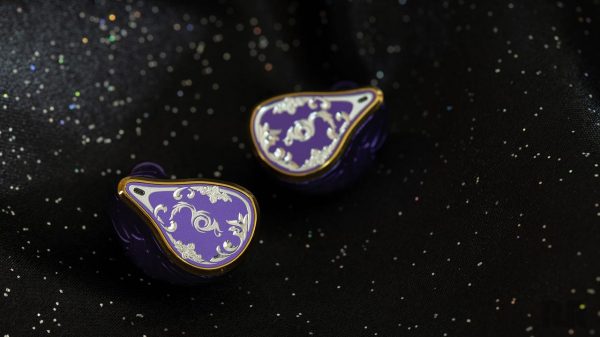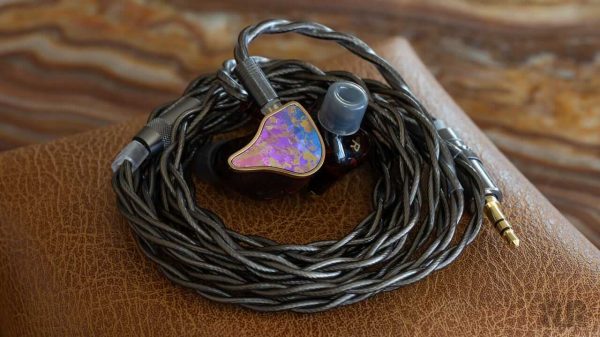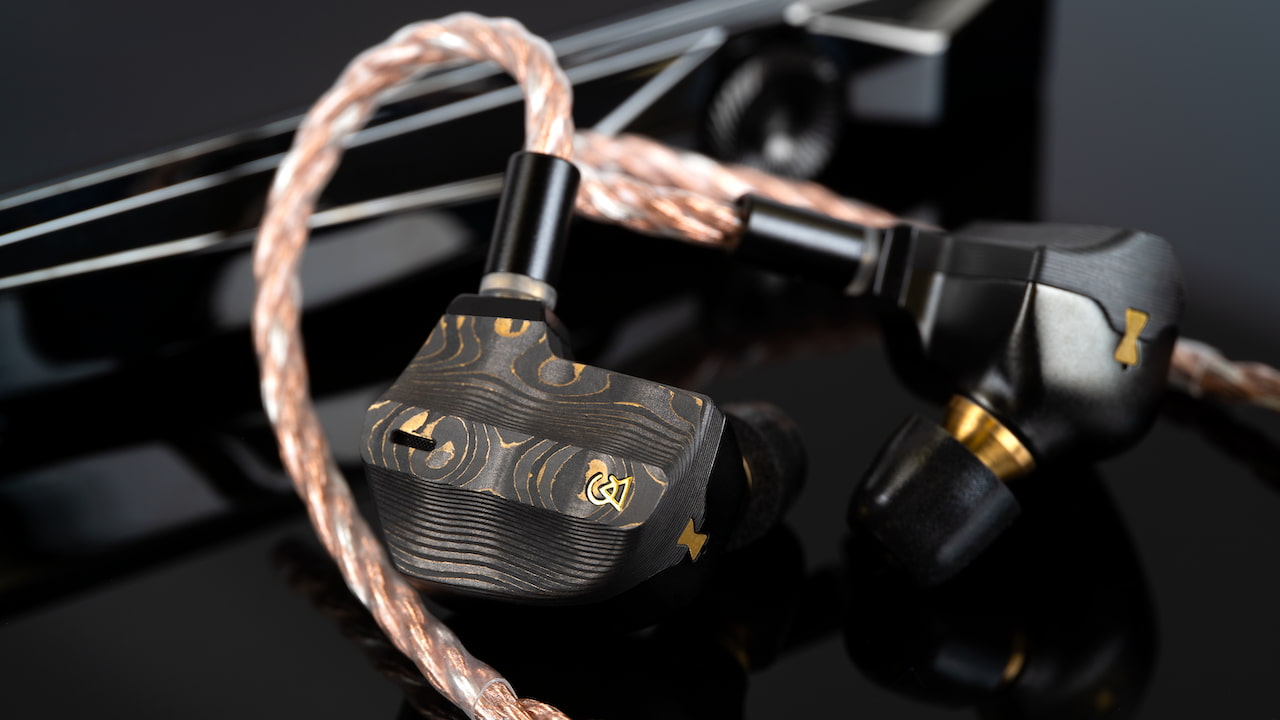
Campfire Audio is not exactly easing into 2026 quietly. The Portland-based IEM specialist has introduced Chimera, a new flagship $7,500 wired in-ear monitor that combines dynamic, balanced armature, electrostatic, and bone conduction driver technologies in one rather ambitious design.
Chimera just made its public debut at CanJam Singapore 2026 (May 16-17), with pre-sale beginning May 16th and shipping expected in early summer 2026. The timing makes sense. As we discovered at CanJam NYC 2026, wired IEMs are having a very real moment, which might seem strange in a world where tens of millions of listeners have made wireless earbuds their default source. Convenience still wins the subway. But for listeners chasing resolution, scale, imaging, and a more physical connection to the music, wired IEMs are showing real legs. Very expensive legs, mind you. The kind that apparently require a bespoke cable and a second look at your credit card limit. American Express already told me to forget about it.
Our recent review of the Campfire Audio Andromeda 10, released for the company’s anniversary, made it clear just how far the category has come. Better tuning, better driver integration, better materials, and far more ambitious engineering have pushed wired IEMs well beyond the old “audiophile niche” box. Chimera looks like Campfire Audio’s next line in the sand: a nine driver flagship built to prove that the wired IEM fight is not only alive, but getting a lot more interesting.
Nine Drivers, Four Technologies, and One Very Crowded Magnesium Shell
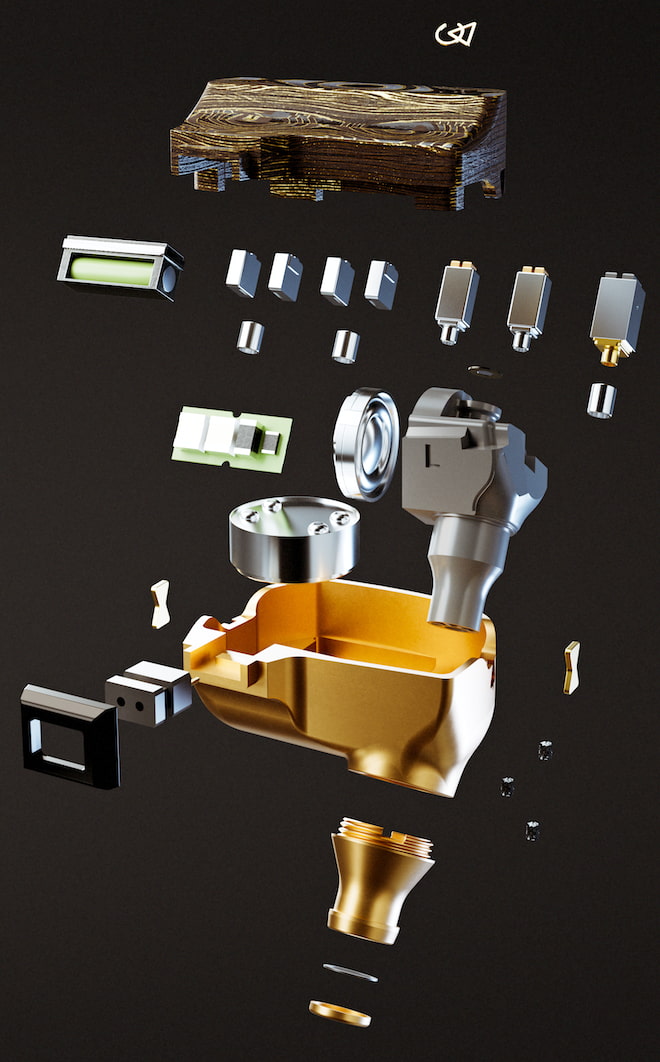
Chimera is built around a nine driver architecture that combines four different driver technologies, which is exactly the kind of thing that sounds absurd until you remember this is the flagship IEM category and restraint left the room several invoices ago. Walk around the show floor at any CanJam and none of this starts to feel absurd.
The driver array includes a newly developed 10mm True Glass dynamic driver handling low and low mid frequencies, a dual diaphragm balanced armature for midrange detail, two dedicated high frequency balanced armatures for clarity and articulation, and four electrostatic supertweeters designed to extend the top end with more air and precision.
For the first time in a Campfire Audio IEM, Chimera also adds a 10mm bone conduction driver, embedded directly into the CNC machined magnesium shell. The goal is to make low frequencies feel more physical, not just audible, adding weight and impact without asking the dynamic driver to do all of the heavy lifting.
Campfire has also worked a number of internal acoustic elements into the design, including an embedded pressure valve that regulates airflow behind the dynamic driver and a final stage “Master Track” tuning damper integrated into the nozzle. Those parts are not there for brochure decoration. They are designed to help control pressure, refine the final output, and make the transition between the different driver types feel more seamless.
Chimera is rated at 5.5 ohms impedance at 1kHz, with a frequency response of 5Hz to 20kHz, sensitivity of 94dB at 1kHz, and THD listed at less than 0.5%. That low impedance figure suggests users will want to be thoughtful about source matching, because flagship IEMs this sensitive to the chain can expose noise, output impedance issues, and poor gain structure rather quickly.
“Chimera is the most advanced in ear monitor we’ve developed at Campfire so far,” said Ken Ball, Founder of Campfire Audio. “It reflects a new horizon in the performance of Campfire products and expands on what is possible from compact, portable audio systems. It brings together a range of technologies and engineering techniques to create an experience that truly deepens the listener’s connection to music.”
Magnesium Shell, Damascus Faceplate, and the Return of ALO Audio
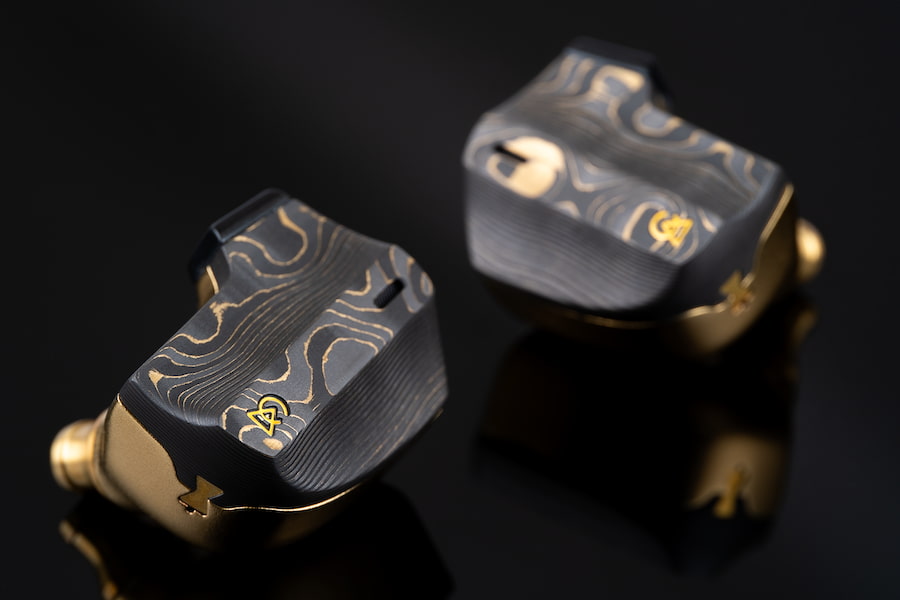
Chimera’s exterior design follows the same theme as its internal layout: multiple materials, tight tolerances, and very little evidence that Campfire was trying to keep things simple.
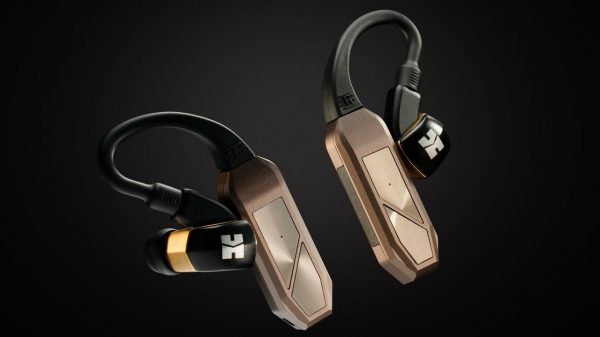
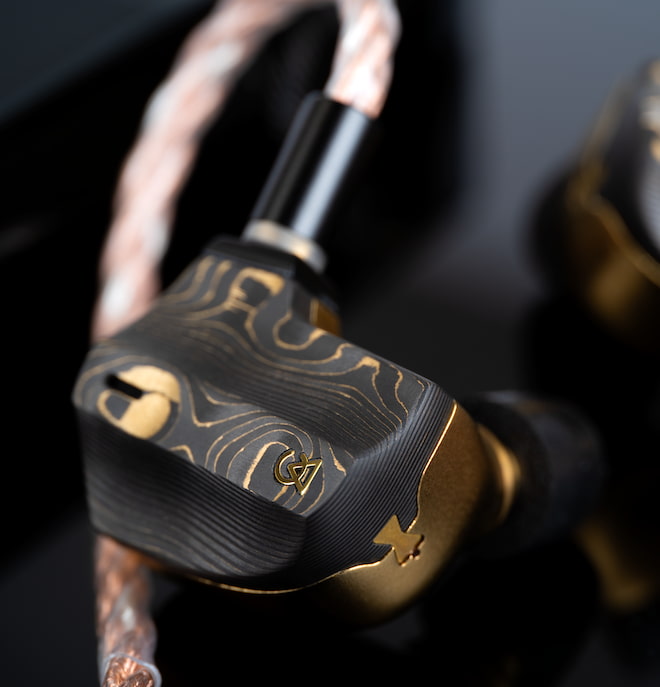
The shell is machined from billet magnesium and finished with a PVD coating, with gold and black versions available. Campfire says magnesium was selected for its combination of strength and lower weight, but it also plays a functional role here because the bone conduction driver is integrated directly into the shell. In other words, the enclosure is not just jewelry for the driver array. It is part of how the design is intended to work.
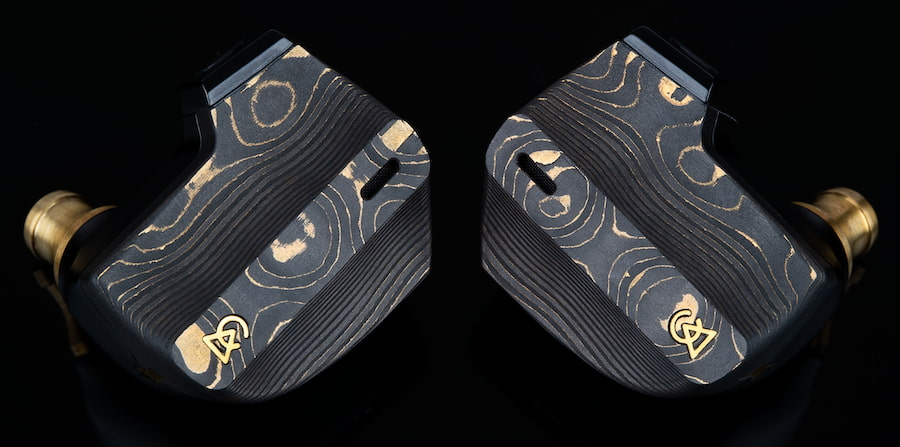
The faceplate uses a carbon fiber and brass Damascus construction, with layers of brass folded into carbon fiber and then CNC machined to create the final patterned surface. Because of that process, each pair has subtle visual differences. That does not change the sound, but it does give Chimera a more distinctive look than another flat black shell with an exotic price tag.
Other hardware details include a machined brass nozzle with an integrated mesh screen, custom brass fasteners for added reinforcement, and standard 2 pin connectors. The use of 2 pin connectors is worth noting because it keeps Chimera compatible with a wide range of aftermarket cable options, even though Campfire is including a high-performance and custom cable in the box.
Chimera ships with the ALO Audio Valence 6 cable, which also marks the return of the ALO Audio brand. The cable uses four high purity copper conductors along with two 50/50 copper and silver plated copper conductors. The termination housing, y-split, and chin slider are finished in black anodized aluminum.
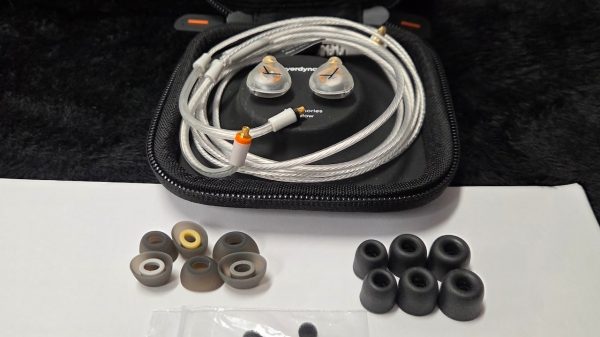
Campfire also includes a black leather zipper case with a built in display, Breezy Bag Micro two pocket mesh bag, microfiber cleaning cloth, IEM cleaning tool, and three sets of ear tips: High & Clear traction silicone, standard silicone, and Marshmallow foam, each supplied in small, medium, and large sizes.
The Bottom Line
Campfire Audio Chimera is unique because it is not just another multi-driver flagship IEM with a luxury shell and a terrifying price tag. It combines a 10mm True Glass dynamic driver, balanced armatures, four electrostatic supertweeters, and Campfire’s first bone conduction driver in a CNC-machined magnesium body. That combination puts it squarely in the top tier of modern wired IEM design, where the goal is not only detail retrieval, but scale, physical bass impact, treble extension, and better driver integration in something that still fits in your ears. At $7,500, subtlety has clearly left the building.
What is missing? Wireless convenience, ANC, app control, EQ presets, Bluetooth codecs, and anything resembling mass-market practicality. This is not aimed at AirPods Pro, Sony, Bose, or Technics buyers, and it should not be judged by that yardstick. Chimera is for wired IEM listeners with serious portable sources, high-end DAPs, premium DAC/amp dongles, and enough experience to know whether they want this level of complexity near their skull. It is also for Campfire collectors and personal audio diehards who heard Andromeda 10 and wondered how much further Portland could push the engineering before someone had to check the zoning laws.
The obvious competitors are other statement-level hybrid and quadbrid IEMs, including Astell&Kern NOVUS, Empire Ears Odin MKII, Fir Audio Xenon 6, Fir Audio Radon 6, and other high-end models that combine dynamic, balanced armature, electrostatic, and bone conduction or kinetic bass technologies. NOVUS, for example, uses a 13-driver quadbrid configuration with BA, electrostatic, bone conduction, and dynamic drivers, while Fir Audio’s Xenon 6 and Radon 6 play in the same physical-bass, hybrid-driver universe.
The ultra high-end IEM space is so competitive that Empire Ears recently announced that it was ceasing operations and Astell&Kern’s NOVUS sold out within months.
Chimera’s real pitch is simple: Campfire is taking its most ambitious swing yet at the ultra-high-end wired IEM category. The technology stack is unusual, the materials are serious, and the inclusion of bone conduction marks a meaningful shift for the brand. The price will narrow the audience fast, as it should. This is not for casual listeners looking to upgrade from wireless earbuds. It is for the small but very committed group of listeners who want wired IEMs to deliver more impact, more dimensionality, and more technical performance than the category was supposed to manage.
Where to buy: $7,500 at Campfire Audio | Audio46
Related Reading:
- Noble Audio Lu Ban IEMs Debut At CanJam Singapore 2026 With Wooden Dynamic Driver And Dual Super Magnetic Planar Design
- Astell&Kern X Volk Audio Stella IEM Review: Flagship IEM Pushes EST Detail And Luxury Build To The Limit
- The Noble Kronos IEMs Are A $4,500 Reminder That The Head-Fi Revolution Cuts Both Ways
- Best IEMs: Editors’ Choice