The smartphone was supposed to kill the digital audio player. Based on the continuing flood of new DAPs in 2026, somebody forgot to tell the portable audio industry.
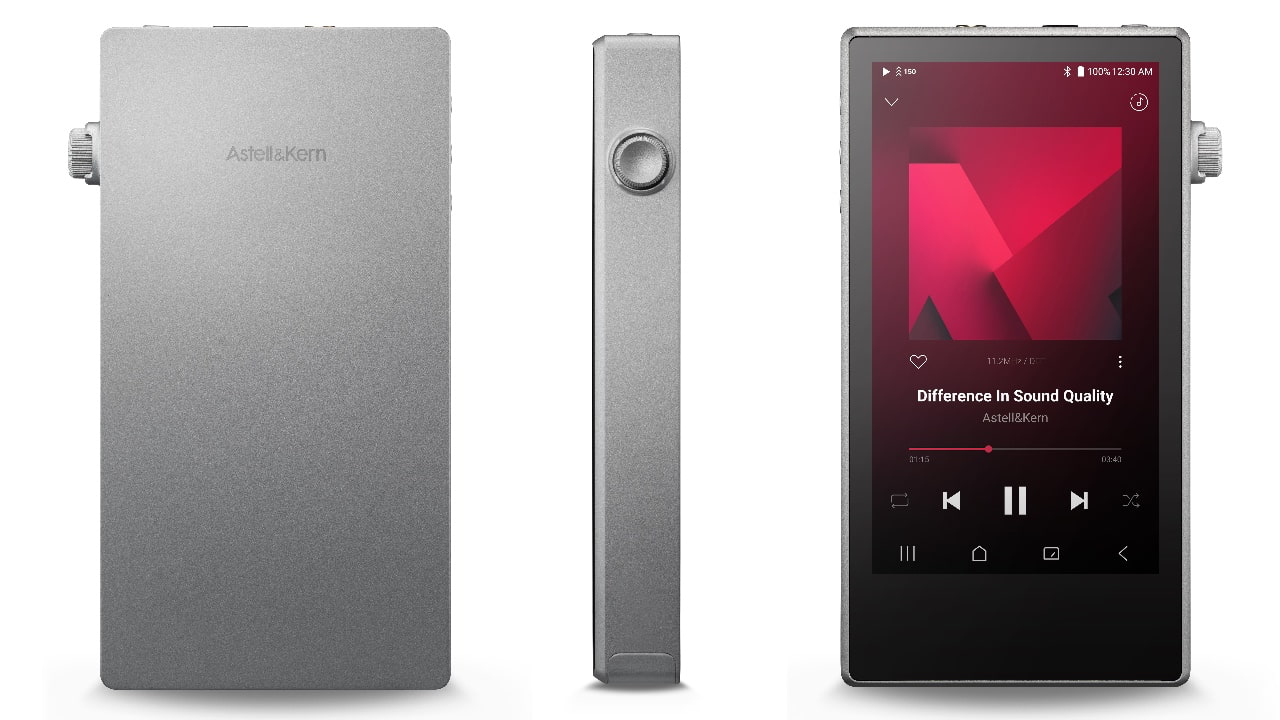
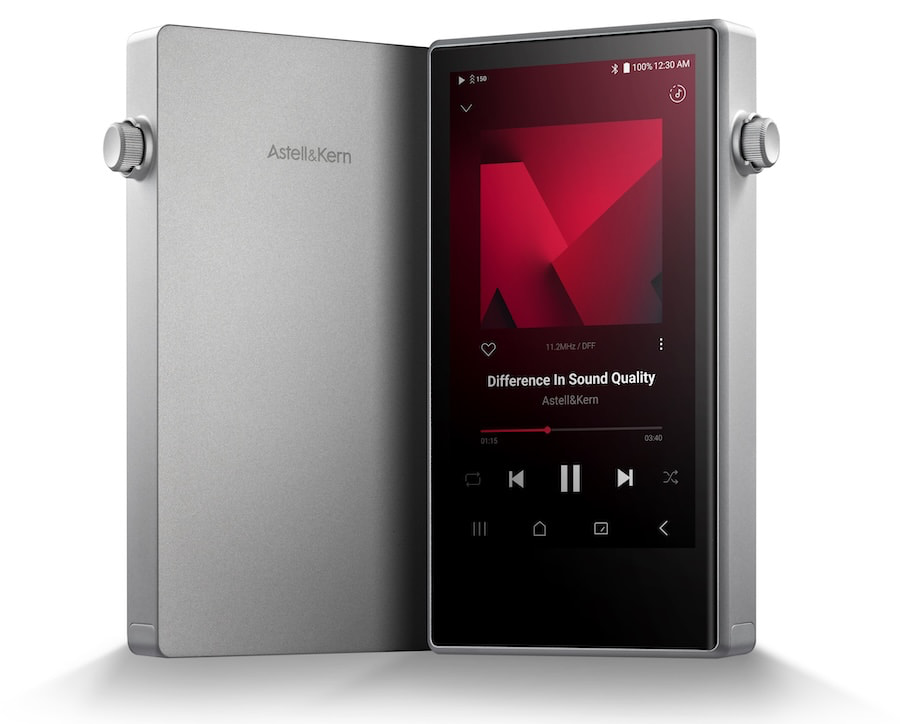
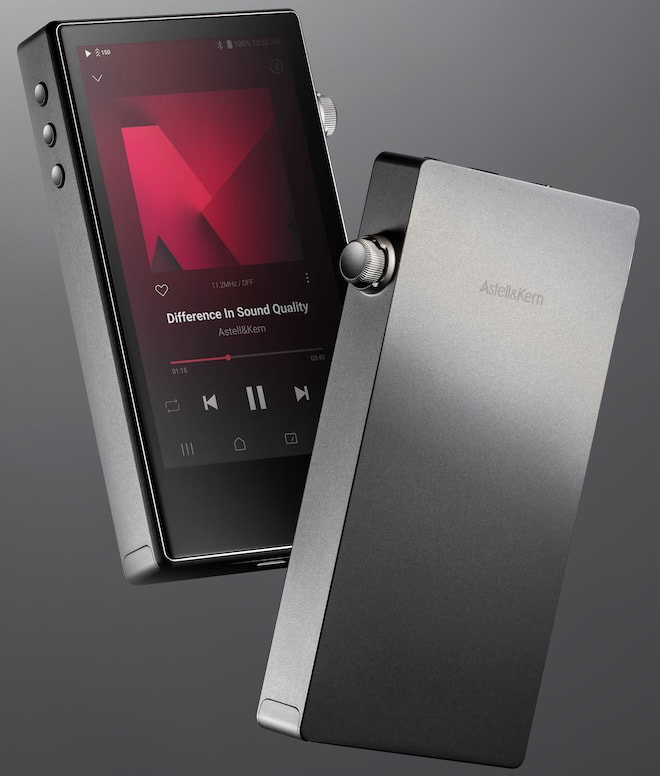
Astell&Kern has now fully revealed the PD5 “All Day Player,” a compact digital audio player designed to succeed the well-received A&norma SR35. Priced at $1,049, the PD5 combines longer battery life and a more powerful output stage with a chassis that weighs just 198 grams.
The most interesting feature is its switchable DAC architecture. Eight Cirrus Logic CS43198 DACs can operate in Quad-DAC or Octa-DAC configurations, allowing listeners to trade maximum output for battery life. Quad-DAC mode provides up to 28 hours of playback and 6Vrms from the balanced output, while Octa-DAC operation increases balanced output to 8Vrms with approximately 15 hours of claimed battery life.
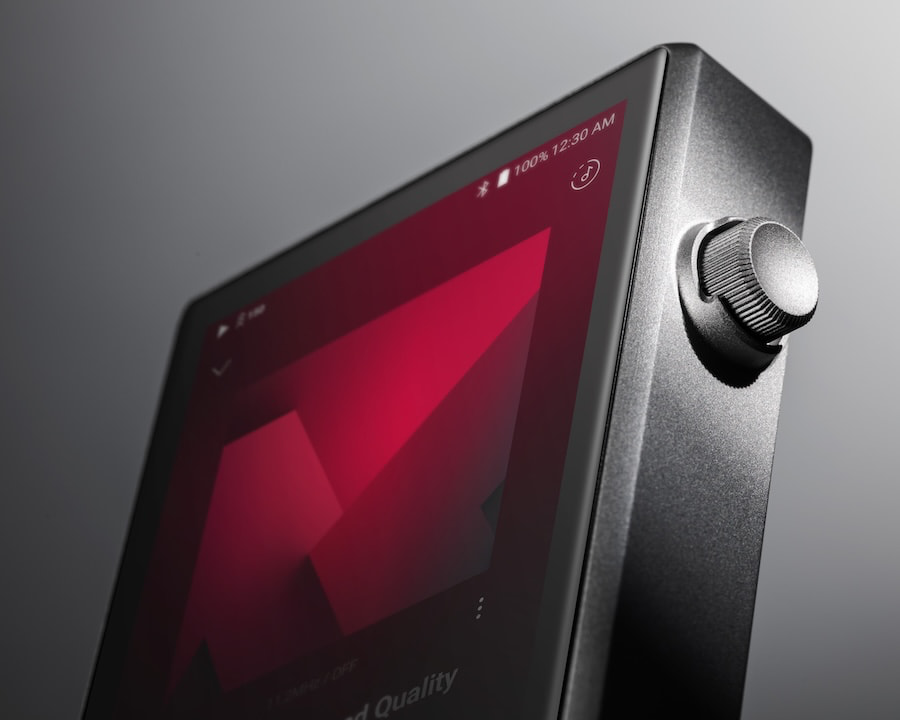
The PD5 also includes Astell&Kern’s new EnviroTune feature, a 4.1-inch touchscreen, 64GB of internal storage with microSD expansion up to 1.5TB, Bluetooth 5.3, dual-band Wi-Fi, Roon Ready support, and Qobuz Connect. Playback extends to 32-bit/384kHz PCM and native DSD256.
At $1,049, the PD5 is not Astell&Kern’s answer to the inexpensive Android DAP. Instead, it is trying to make the company’s portable formula more practical: enough output for considerably more demanding headphones, enough battery life to justify the “All Day Player” name, and a switchable architecture that lets the listener decide which matters more.
Related Reviews:
- Astell&Kern PD10 DAP Review: Bridging Ultra-Premium Portable Audio and Home Hi-Fi
- FiiO JM21 Review: The $179 DAP That Makes You Question Why You’d Spend More
Astell&Kern PD5: Performance and Specifications
The PD5 uses eight Cirrus Logic CS43198 DACs and allows listeners to switch between Quad-DAC and Octa-DAC operation depending on whether battery life or maximum output is the priority.
In Quad-DAC mode, the PD5 delivers up to 3Vrms from its 3.5mm unbalanced output and 6Vrms from its 4.4mm balanced output, with up to 28 hours of continuous playback. Switching to Octa-DAC mode increases output to 4Vrms unbalanced and 8Vrms balanced, while claimed battery life drops to approximately 15 hours. Those output figures are specified under no-load conditions and should not be confused with output power measured into a specific headphone impedance.
That makes the switchable architecture more useful than simply choosing how many DAC chips are active. Quad-DAC mode is clearly intended for longer portable listening sessions, while Octa-DAC mode provides additional voltage for more demanding headphones when maximum battery life is less important.
Output impedance is rated at 0.6 ohm from the 3.5mm connection and 1.2 ohms from the 4.4mm balanced output. Astell&Kern specifies a signal-to-noise ratio of 125dB unbalanced and 129dB balanced, with THD+N of 0.0006% at 1kHz from either output. Crosstalk is rated at -145dB unbalanced and -147dB balanced at 1kHz.
The PD5 supports bit-perfect playback up to 32-bit/384kHz PCM and native DSD256. It uses an octa-core processor with a full Android operating system and includes dual-band 2.4/5GHz Wi-Fi and Bluetooth 5.3 with SBC, AAC, Qualcomm aptX HD, LDAC, and LHDC.
EnviroTune analyzes ambient noise and adjusts frequencies that may be masked by the listener’s surroundings rather than simply increasing overall volume. The feature is designed to maintain perceived detail when moving between quieter environments and noisier locations such as public transportation or busy offices.
The player uses a 4.1-inch 720 x 1280 touchscreen and includes 64GB of internal NAND storage, along with a microSD slot supporting cards up to 1.5TB. The aluminum chassis measures 69.7 x 119.7 x 16.1mm and weighs 198 grams, or just under 7 ounces.
A 4,000mAh lithium-polymer battery supports USB PD 3.0 charging, with Astell&Kern specifying a charging time of approximately 2.5 hours.
Astell&Kern PD5 Specifications:
- Weight: 198g / 6.98 oz.
- DAC: 8 x Cirrus Logic CS43198
- DAC Modes: Quad-DAC / Octa-DAC
- PCM: Up to 32-bit/384kHz
- DSD: Native DSD64, DSD128, and DSD256
- Quad-DAC Output: 3Vrms unbalanced / 6Vrms balanced, no load
- Octa-DAC Output: 4Vrms unbalanced / 8Vrms balanced, no load
- Outputs: 3.5mm unbalanced / 4.4mm balanced
- Output Impedance: 0.6 ohm unbalanced / 1.2 ohms balanced
- S/N: 125dB unbalanced / 129dB balanced at 1kHz
- Crosstalk: -145dB unbalanced / -147dB balanced at 1kHz
- THD+N: 0.0006% unbalanced / 0.0006% balanced at 1kHz
- IMD SMPTE: 0.0003% unbalanced / 0.0001% balanced
- Clock Jitter: 25ps typical
- Reference Clock Jitter: 250 femtoseconds
- Display: 4.1-inch, 720 x 1280
- Processor: Octa-core
- Internal Storage: 64GB NAND
- External Storage: microSD up to 1.5TB
- Wi-Fi: 802.11 a/b/g/n/ac, 2.4/5GHz
- Bluetooth: 5.3 with SBC, AAC, aptX HD, LDAC, and LHDC
- Battery: 4,000mAh
- Battery Life: Up to 28 hours Quad-DAC / approximately 15 hours Octa-DAC
- Charging: USB PD 3.0, approximately 2.5 hours
- Dimensions: 69.7 x 119.7 x 16.1mm
The Bottom Line
With the full specifications now available, the PD5 looks considerably more ambitious than the original teaser suggested. Its combination of a 198-gram chassis, switchable Quad/Octa-DAC architecture, up to 8Vrms balanced output, 28-hour maximum battery life, Roon Ready support, Qobuz Connect, and expandable storage up to 1.5TB gives Astell&Kern a compact DAP that does not look particularly compromised on paper.
The $1,049 price also changes the competitive picture. The PD5 lands above the former A&norma SR35 and faces increasingly capable alternatives from FiiO, HiBy, and iBasso, so eight DAC chips alone will not settle the argument. But the combination of substantially higher output in Octa-DAC mode and genuinely long battery life in Quad-DAC mode gives buyers a meaningful reason to switch between the two operating modes rather than treating the feature as another specification-sheet curiosity.
Price & Availability
Following its Hong Kong debut, the PD5 will be on demo at Shenzhen International Audio Show (SIAS) August 14-16 in China and at CanJam SoCal 2026, August 29-30 in the United States.
The Astell&Kern PD5 is priced at $1,049 in the United States and is currently available for preorder through authorized retailer Moon Audio. Astell&Kern has not yet provided a firm U.S. shipping date in the information we have been able to verify.
Related Reading: