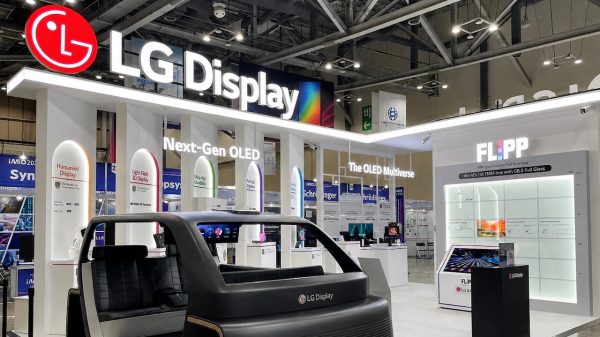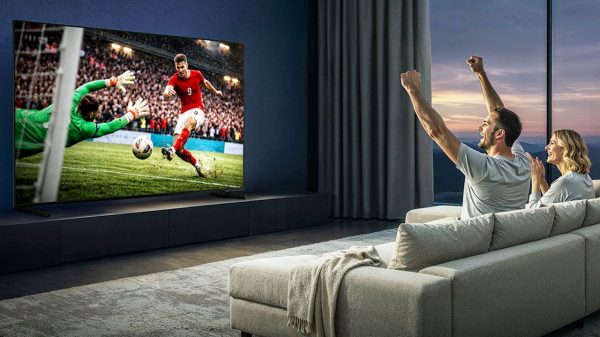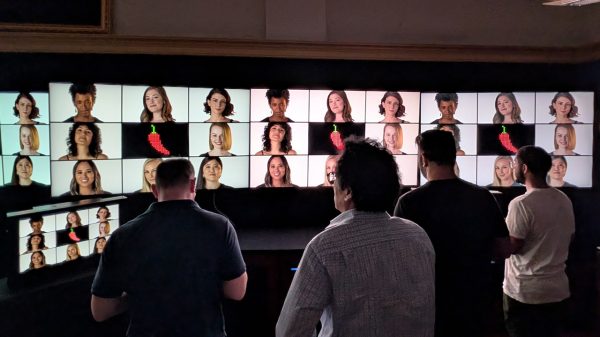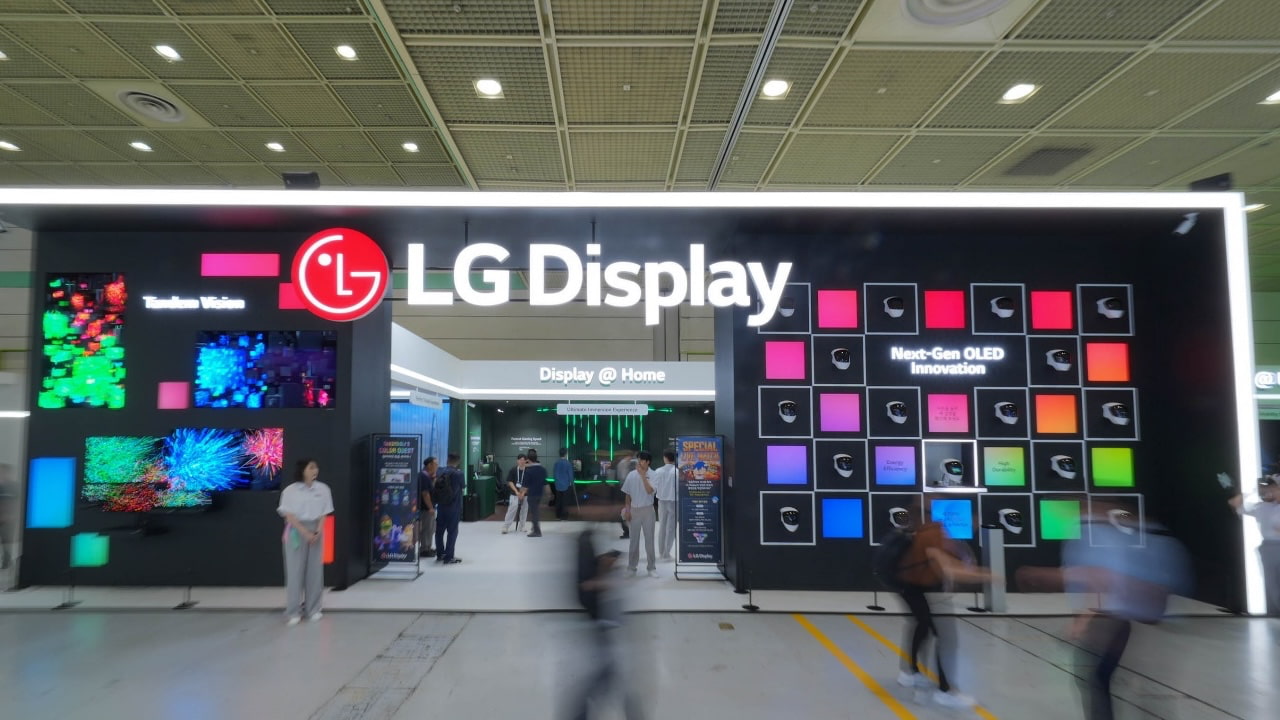
LG Display has spent more than a decade adding emissive stacks to its OLED panels in search of more brightness, longer life and better color.
Its latest idea is to remove one.
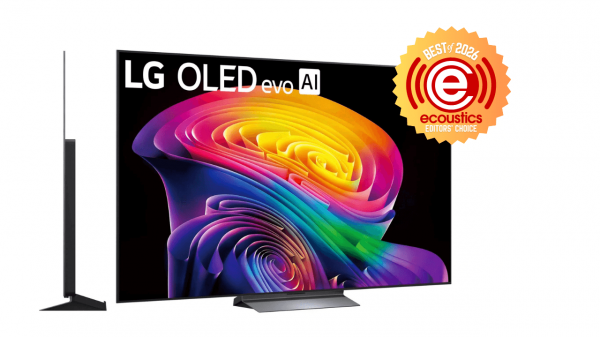
According to reports from South Korea, LG Display has developed a new 2-stack WOLED panel designed to lower manufacturing costs and power consumption while maintaining picture quality comparable to its existing three stack panels. The company is reportedly targeting more affordable televisions and monitors rather than another flagship screen requiring a small inheritance.
Fewer layers, better color and lower power consumption sounds like the display equivalent of eating more pizza to lose weight. The difference is that LG Display may have the engineering to make this one work.
Related Reviews:
- Best TVs Of 2026: Editors’ Choice Podcast
- Best OLED TV And RGB LCD TV Revealed At The 2026 TV Shootout
- Buying A New TV: Everything You Need To Know (Updated For 2026)
- Samsung S90H Vs. S95H Vs. S85H OLED TVs: What’s New? What’s Different?
What Did LG Display Change?
Most current LG Display WOLED panels use either three or four emissive stacks.
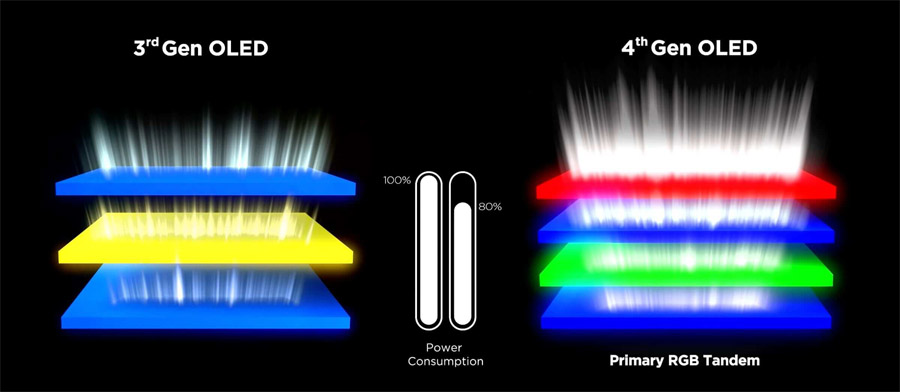
The company’s existing three stack structure creates white light using blue, yellow-green and blue emitting layers. Its more expensive Primary RGB Tandem architecture, used in select flagship OLED televisions, moves to a four stack arrangement with blue, green, blue and red emitting layers.
The new design reduces that structure to two stacks, but it is not simply a recycled version of the 2-stack panels LG Display introduced in 2013.
LG Display has reportedly adopted a new blue emissive material and replaced the previous yellow-green emitting layer with separate red and green components. It has also adjusted the optical position of the layers to reduce color shifts when the screen is viewed off axis.
That matters because reducing the number of stacks normally involves giving up brightness, longevity or both. LG Display claims its new materials and panel engineering allow the 2-stack design to deliver performance comparable to the current three stack architecture at both 6,500K and 10,000K color temperatures.
The panel also operates at more than four volts below the current design. That should reduce power consumption, heat and the demands placed on the television’s power supply. It could also simplify the finished product and lower costs beyond the panel itself.
Better Color From Fewer Layers?
According to technical data presented by LG Display and reported by FlatpanelsHD, the new panel covers approximately 82.5% of the BT.2020 color space, compared with 76.5% for the company’s current three stack WOLED design.
That would be a meaningful improvement for midrange WOLED televisions and monitors.
WOLED has traditionally offered excellent black levels, contrast, uniformity and viewing angles, but Samsung Display’s QD-OLED panels have generally maintained an advantage in color gamut and color volume. The newest RGB backlit LCD televisions are also pushing color performance much closer to the limits of BT.2020.
The new LG Display panel would not necessarily erase those differences, but it could narrow the gap without requiring the expensive four stack structure reserved for premium OLED models.
It reportedly produces slightly higher brightness than the current three stack panel at a calibrated 6,500K white point, although brightness is slightly lower at cooler color temperatures. That distinction matters because televisions displayed in retail stores are frequently configured with much cooler and bluer picture settings than anyone should tolerate at home.
Why Could Two Stacks Make OLED Cheaper?
Each additional OLED stack requires more organic emitting material, additional charge generation layers and a more complicated deposition process.
Those extra layers can improve brightness, durability and lifespan, but they also add material costs, manufacturing time and opportunities for something expensive to go wrong.
By eliminating one complete emissive stack, LG Display can potentially use fewer costly materials and simplify production without sacrificing the core picture quality advantages that make consumers want an OLED television in the first place.
That last part is crucial.
Manufacturers already know how to make a less expensive display by reducing brightness, removing features or using a panel with more compromises. Consumers rarely require an engineering degree to notice when “affordable” means worse.
This 2-stack architecture is potentially unique because LG Display is claiming lower cost, lower power consumption and wider color while maintaining similar brightness and overall image quality.
Corporate cost cutting usually ends with fewer employees answering the phone. This version might actually produce something useful.
Why This Could Matter for OLED TVs and Monitors
OLED remains stronger than even the latest MiniLED and RGB backlit LCD televisions in several important areas.
Each OLED pixel can be turned completely on or off, allowing OLED displays to produce absolute black without blooming or halos around bright objects. OLED also provides fast response times, excellent picture uniformity and wider viewing angles than most LCD displays.
Price remains one of the largest obstacles to broader adoption.
MiniLED monitors and televisions are available across a much wider range of screen sizes and price points, while OLED is still concentrated in premium televisions and gaming monitors. LG Display’s new architecture is reportedly intended to address that midrange market directly.
This could be particularly important for desktop monitors, where OLED’s response time, black levels and viewing angles are highly desirable, but prices remain considerably higher than mainstream LCD alternatives.
It is also another sign that LG Display does not intend to abandon the middle of the television market to MiniLED while concentrating exclusively on expensive flagship OLED models.
This Is Not the Same as OLED SE
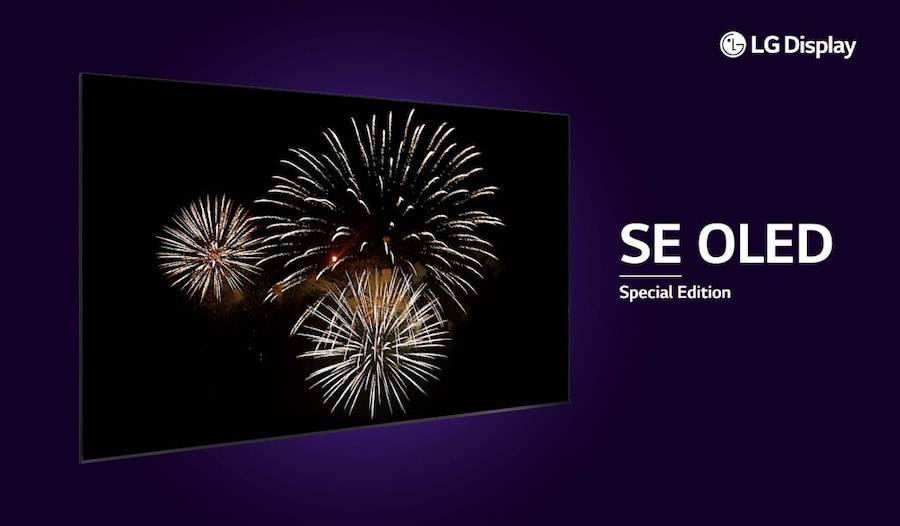
LG Display is already pursuing lower OLED prices through its OLED SE panels, which reportedly reduce manufacturing costs through changes elsewhere in the panel structure.
The new 2-stack design goes further by attacking the emissive architecture itself. It potentially reduces the amount of organic material required and lowers the panel’s operating voltage, rather than merely trimming costs around the edges.
The two technologies could eventually occupy different positions within LG Display’s lineup, but the company has not announced any formal product hierarchy.
What We Still Do Not Know
LG Display has not confirmed when the new panel will enter mass production.
There are also no confirmed screen sizes, television manufacturers, monitor brands, prices or retail products. LG Display supplies panels to numerous companies, but this development should not be confused with a television announcement from LG Electronics.
The company has also not disclosed expected panel lifespan, burn-in resistance or whether reducing the number of emissive stacks affects long term durability. Additional stacks have historically helped distribute energy across the panel and improve operating life, making durability one of the most important unanswered questions.
Until LG Display provides production plans and full performance data, this remains promising panel technology rather than a television consumers can place on a credit card.
The Bottom Line
LG Display’s new 2-stack WOLED panel could be a more important development than another flagship OLED capable of producing a spectacular brightness number for three seconds on a tiny test window.
Flagship televisions already look exceptional. The larger opportunity is bringing more of that picture quality to the middle of the market, where MiniLED remains cheaper and far more common.
If LG Display can deliver comparable brightness, wider color, lower power consumption and acceptable panel life using fewer emissive layers, OLED televisions and monitors could become significantly more affordable.
The company has not solved the pricing problem yet. But for once, removing a layer might add something consumers actually want.
Related Reading:
- Not All OLED TVs Are the Same: Key Differences That Impact Your Viewing Experience
- WTF Are RGB MiniLED and Micro RGB LED TVs?
- WTF Is an OLED TV?