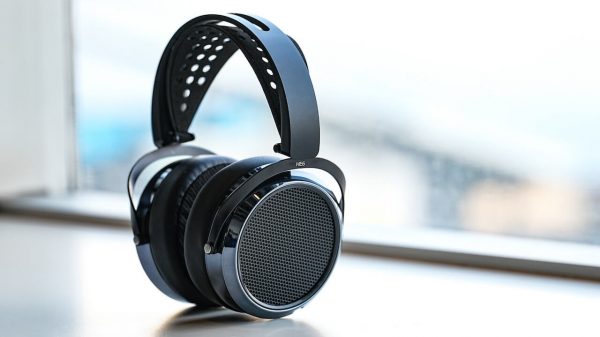
Sendy, the sister brand to SIVGA, is an up-and-coming Chinese headphone manufacturer. The company has been around for several years and has released a number of beautifully crafted dynamic and planar magnetic headphones.
It is also competing in an increasingly crowded category dominated by established brands such as HiFiMAN, Meze Audio, Dan Clark Audio, and Audeze, which means attractive materials and ambitious tuning are no longer enough on their own.
Today, we’re taking a look at Sendy’s newest model, the Apollo PRO, a revamped and improved version of its popular Apollo planar headphone. Featuring upgraded construction, better ergonomics, and more refined tuning, the Apollo PRO is aiming high. With that, let’s get into the details.
About My Preferences
This review is a subjective assessment and is therefore influenced by my personal preferences. While I try to mitigate those biases as much as possible during the review process, I would be lying if I said they could be eliminated entirely. With that in mind, readers should note the following:
My ideal sound signature includes competent sub-bass, textured mid-bass, a slightly warm midrange, and extended treble.
I also have mild treble sensitivity.
My testing equipment and standards can be found here.
Related Reviews:
- THIEAUDIO Cypher Headphone Review: Can It Challenge The HD600?
- Grell OAE2 Open-Back Headphones Review: Can Axel Grell Deliver Speaker-Like Imaging For $599?
- SIVGA SV021 Pro Review: Carved To Impress, But Is The Tuning?
- Sendy Audio Egret Review: Do These $958 Planar Magnetic Headphones Challenge Far More Expensive Rivals?
Key Specifications:
- Headphone Type: Open-back, over-ear
- Driver Type: Planar magnetic
- Driver Size: 78mm
- Diaphragm: Nano-scale composite diaphragm with an aluminum circuit
- Frequency Response: 20Hz to 40kHz
- Sensitivity: 93dB ±3dB
- Impedance: 27 ohms ±15%
- Earcup Connections: Dual 3.5mm mono connectors
- Cable Termination: 4.4mm balanced
- Cable Construction: Detachable triple-composite cable using Furukawa oxygen-free copper, silver-plated copper, and enamel-coated gold-plated copper conductors
- Included Adapters: 4.4mm balanced to 3.5mm single-ended adapter and 3.5mm to 6.35mm adapter
- Earcup Construction: Zebrawood rings with CNC-machined aviation-grade aluminum components and an open metal grille
- Earpads: Breathable velvet
- Headband: Lamb leather
- Weight: 354 grams
- Included Accessories: Detachable balanced cable, two adapters, leather carrying case, and hemp accessory bag
Build
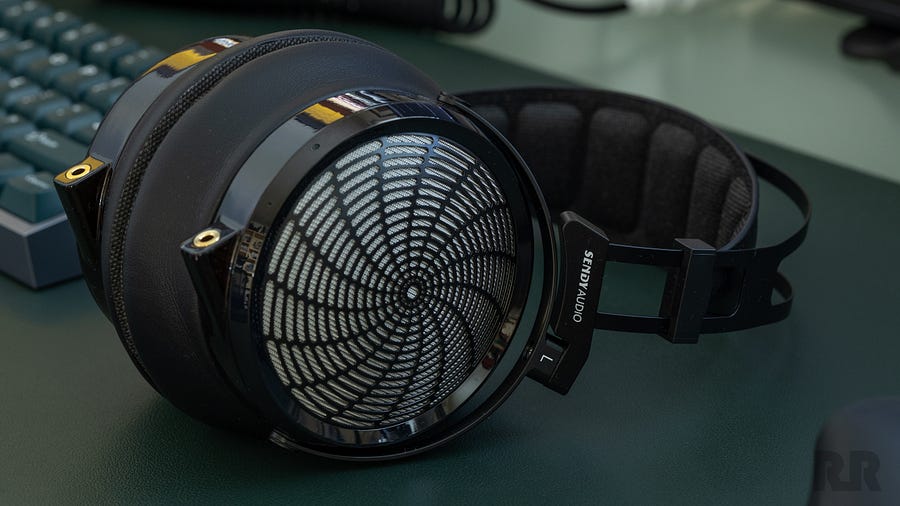
Sendy Audio does not hold back when it comes to construction, and that remains true with the Apollo PRO. Featuring CNC-machined aluminum hardware and genuine zebrawood earcups, it offers an impressive selection of high-end materials for the price.
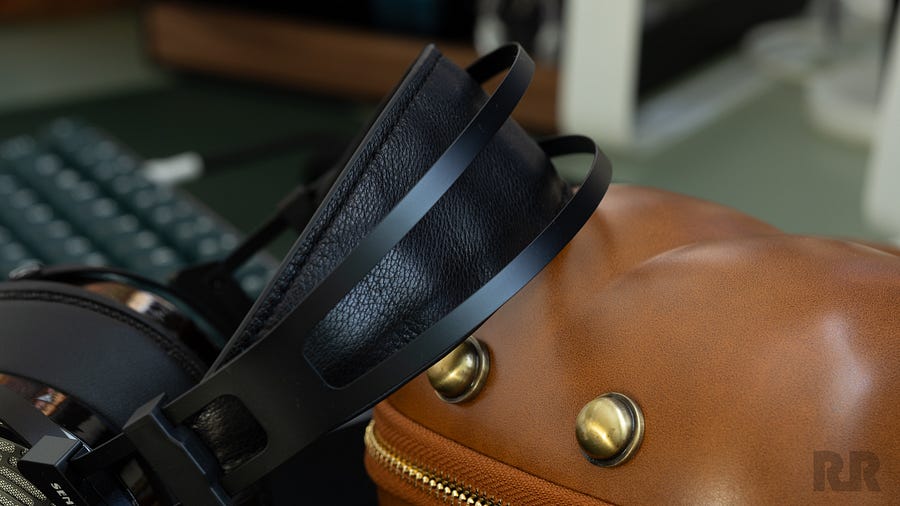

The Apollo PRO uses a suspension-style spring-steel headband. Its backing material is soft lamb leather, padded with a comfortable layer of springy foam. The headband is secured to the frame with a screw clamp, ensuring that it remains both secure and user-serviceable.
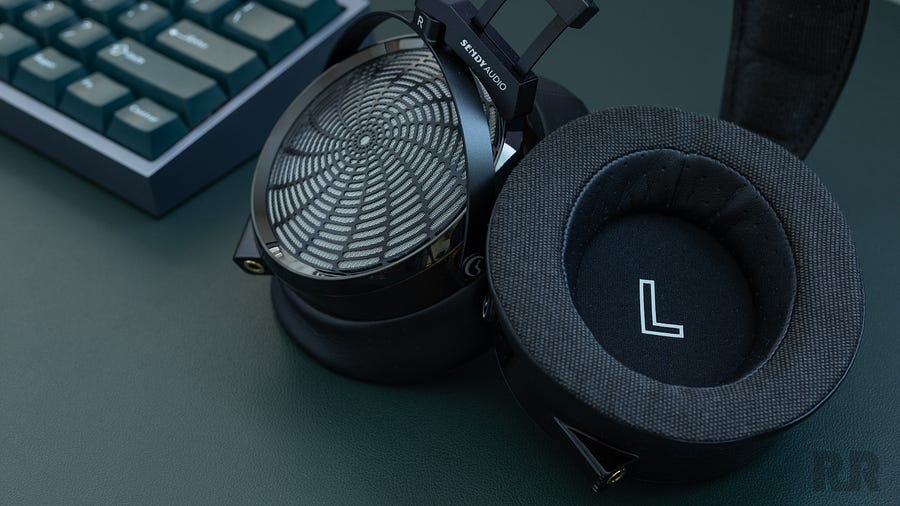
Sendy’s emphasis on comfort is immediately apparent, not only in the headphone’s relatively low weight but also in its generously padded and thoughtfully sculpted earpads. The pads appear to be custom-made by Sendy and combine lambskin on the outer surfaces with velvet on the inner face.
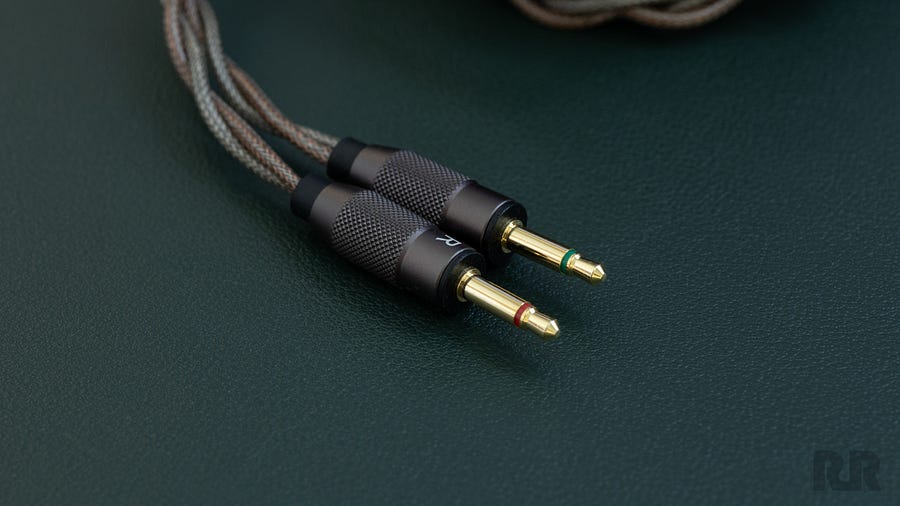
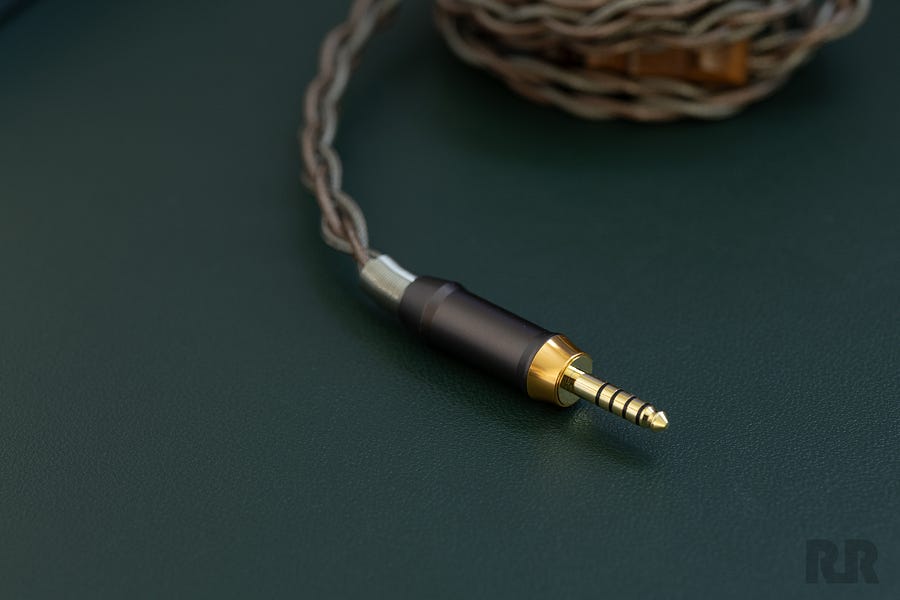
I’m willing to bet good money that you don’t own a pair of headphones or earphones with a stock cable as nice as the one included with the Apollo PRO. Featuring metal-clad terminations and a thick, substantial chain braid, the cable is as pleasing to look at as it is to handle.
It also features a beautifully finished wooden Y-splitter and chin cinch. Sendy has truly mastered the art of building cables that are a joy to use.
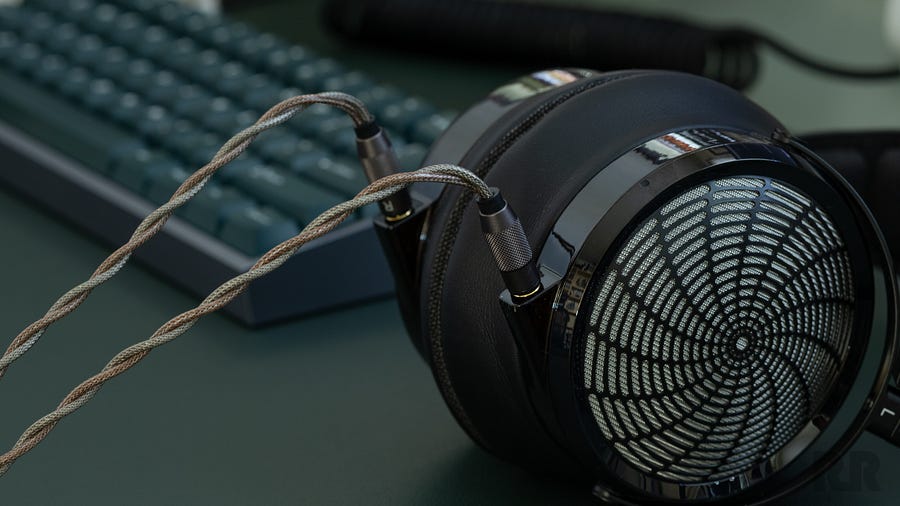
The Apollo PRO’s cable uses dual 3.5mm mono connectors to deliver balanced audio through its 4.4mm termination. Connecting the cable is easy, and the plugs sit firmly within the sockets.
Should you decide to switch to an aftermarket cable, virtually any dual 3.5mm mono cable should work thanks to the Apollo PRO’s simple, flush-mounted connection points.
Accessories
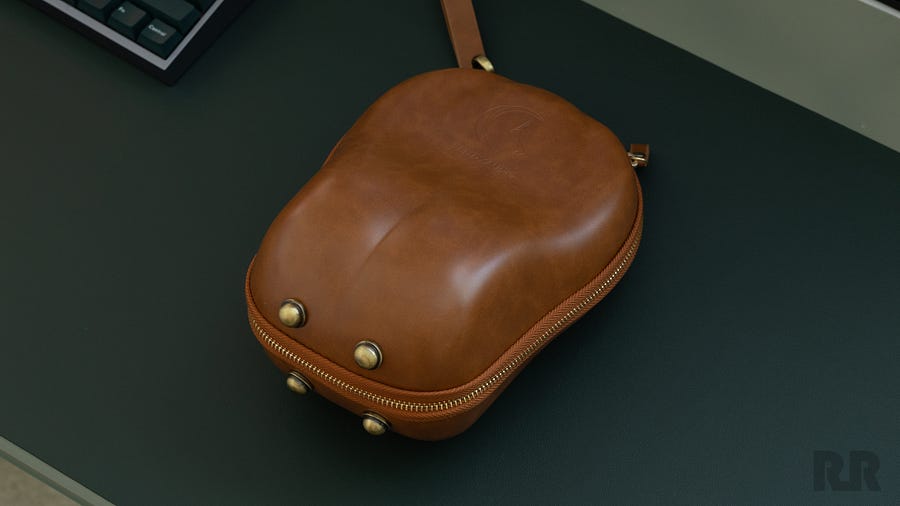
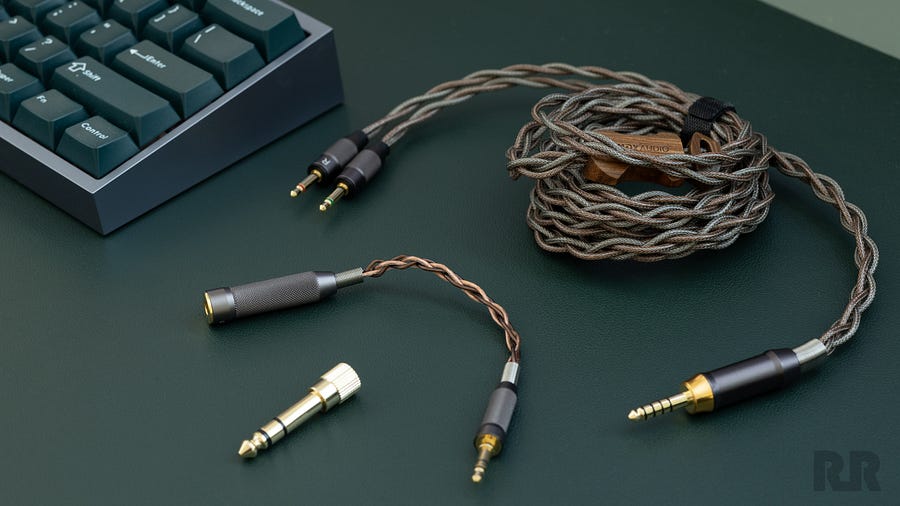
Inside the box you’ll find:
- 1x Semi-hard carrying case
- 1x Cable baggie
- 1x 4.4mm cable
- 1x 3.5mm to 4.4mm adapter
- 1x 1/4in to 3.5mm adapter
Right out of the box, you have essentially everything you need to connect the Apollo PRO to your source device. The stock 4.4mm cable can be adapted to 3.5mm using the included adapter, then adapted again to a 1/4-inch connection for use with full-size headphone amplifiers.
I do find it a bit odd that Sendy chose this connection scheme, as using the stock cable with many common headphone amplifiers requires two adapters: 4.4mm to 3.5mm, then 3.5mm to 1/4 inch. I would have much preferred either a native 1/4-inch connector or a direct 4.4mm-to-1/4-inch adapter. Heck, even a modular termination would have been preferable.
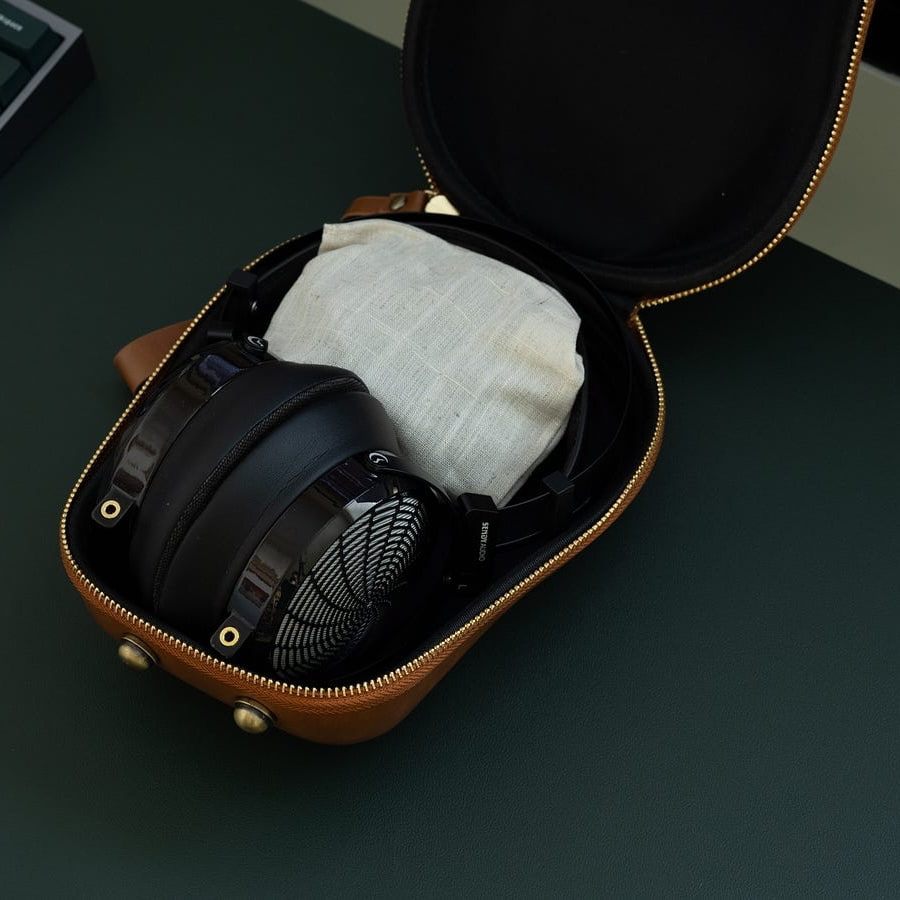
From a practical standpoint, I’m a big fan of the Apollo PRO’s case. It wastes very little space, feels sturdy, and provides plenty of room for the cable. Sendy even added metal feet to the bottom, making it easier to store the case upright.
That said, it looks a little… silly. At first glance, almost everyone I’ve shown it to sees the same thing I do: a case with a butt crack.
Admittedly, this is a petty complaint, but it would be nice to see Sendy revise the design and make the next version look a little less butt-like.
Listening
The Apollo PRO is a warm, relaxed headphone. It features a moderately elevated mid-bass response paired with well-extended, gently rolled-off sub-bass. The lower midrange is linear and warm, blending smoothly into a small upper-midrange rise.
After peaking in the 2–3kHz region, the Apollo PRO transitions into a gentle, clean treble response. Extension is strong, reaching well beyond 12kHz with ease.
Clean Treble Without the Planar Bite
Unlike many planar headphones, the Apollo PRO features carefully tuned treble. It retains much of the speed and airiness associated with brighter, more dramatic planar designs, but without the sharpness or tonal stiffness.
As someone who is sensitive to treble, I’m grateful for that approach. Not only can I listen to the Apollo PRO at higher volumes, but I can also tolerate sharply mastered tracks such as Nero’s “Satisfy” without fatigue.
The tradeoff is that the more aggressive edges of certain string instruments can sound slightly smoothed or muted. The strumming on Paramore’s “Ignorance (Acoustic),” for example, remains textured and articulate but lacks some of the energy found with brighter headphones.
Some adjustment over time may help, but whether this works for you will ultimately depend on your preferences.
The Apollo PRO’s warmer, less bright tuning places treble-focused elements slightly farther back in the mix than they would be with a traditional V-shaped headphone. Hi-hats and cymbals are well defined and textured, but they clearly occupy the background layer.
Microtexture and detail retrieval remain excellent. On A Day to Remember’s “If I Leave,” the Apollo PRO cleanly articulates the metallic crashes of cymbals in the background. The twinkling effects throughout “Alive (Severo x Anton May Remix)” are similarly distinct and clean, adding an impressive sense of layering to the soundstage.
Rich, Textured Mids That Favor Body Over Air
Sendy and SIVGA are nothing if not consistent. Like its siblings and predecessors, the Apollo PRO delivers a warm, linear midrange. Its lower mids are relatively flat in terms of frequency response, giving them a more reference-style presentation.
The Apollo PRO’s midrange also offers excellent texture, a trait that stood out during ODESZA’s “Always This Late.” Between the chopped and manipulated vocals and the ethereal string instrumentation, its presentation of the track sounds immersive and robust. The synthesizers in Phoenix’s “1901” are similarly full-bodied and rich, dripping with texture while contrasting beautifully with the track’s bright, buoyant vocals.
There is a lot to appreciate about the tonal and harmonic fullness of the Apollo PRO’s midrange. Guitars and drums sound complete and substantial, while vocals possess an organic quality that allows them to blend naturally into the foreground.
That said, some recording styles can sound dense, particularly during passages that lack the contrast provided by vocals. The guitars in Three Days Grace’s “Time of Dying,” for example, can sound somewhat short on air because the recording is already quite warm.
Weighty Bass With the Speed and Control of a Planar
Planar headphones are not typically known for being bass-heavy, especially open-back models. While the Apollo PRO is not exactly a basshead headphone, it delivers enough punch, depth, and weight to satisfy most enthusiasts.
Speed and control are the main attractions here, but they do not come at the expense of immersion or tonality. On Highly Suspect’s “Bath Salts,” the Apollo PRO produces a cohesive burst of bass with each drum hit during the bridge. The notes attack quickly, linger with appropriate weight, and decay naturally into the background.
Electronic music also sounds excellent through the Apollo PRO, provided that you are not looking for intense rumble. Older dubstep tracks such as “Cracks (Flux Pavilion Remix)” sound dynamic and layered, taking full advantage of the headphone’s technical abilities. There is no obvious smearing or blur, and the Apollo PRO handles punchy mid-bass and deeper sub-bass elements without difficulty.
That said, the basshead in me still wants a little more. EDM tracks with less low-end energy in the mix do not always produce the level of rumble I crave, even during louder drops. “Lights (Bassnectar Remix)” is a good example: the Apollo PRO reproduces the shape, texture, and body of the bass line, but it does not become truly tactile without some help from EQ and higher listening levels.
Comparisons
Comparisons are selected solely based on what I find interesting and relevant. Should you like to see additional comparisons, feel free to leave a request in the comments below.
Meze 105 AER
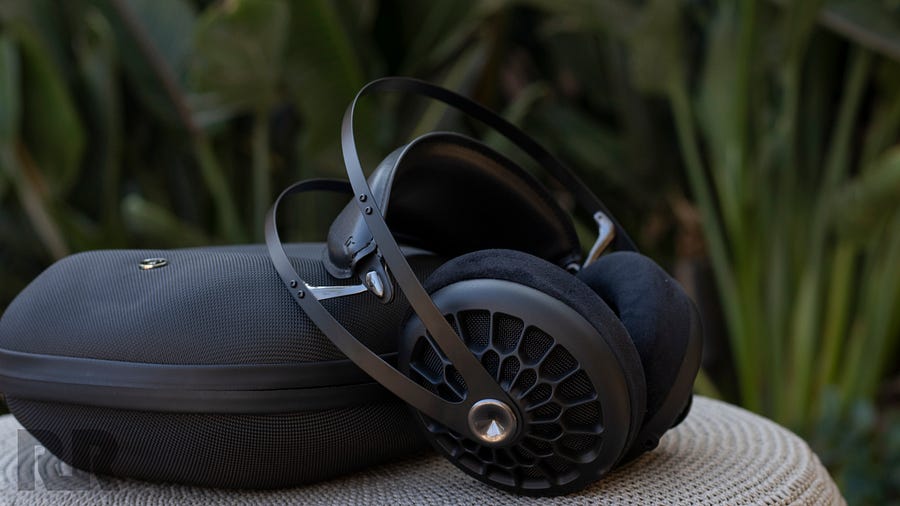
The 105 AER is Meze’s entry-level open-back headphone, featuring plastic earcups and a steel headband. It retails for $399 but is currently on sale for $299. It is lightweight, comfortable, and breathable. The stock earpads are soft and thick, although they do not offer the same luxurious texture as the Apollo PRO’s pads.
The Apollo PRO also includes the better cable, with a thicker, weightier braid and additional length that makes it easier to use with larger desks or systems where the amplifier sits farther away.
Sonically, the 105 AER is brighter than the Apollo PRO. It features more prominent treble and upper treble, along with a broader upper-midrange presence. Vocals sit farther forward in the mix, and the overall tonal balance is cooler. That added upper-midrange energy gives the 105 AER more air, but it also introduces a slight amount of grain.
The Apollo PRO delivers a much warmer, broader, and richer bass response that extends from the mid-bass into the sub-bass. The 105 AER’s bass sounds somewhat cleaner, but it lacks the weight and authority of the Apollo PRO.
Between the two, I prefer the 105 AER for gaming but favor the Apollo PRO for music. Its additional warmth and weight are satisfying in a way that the 105 AER cannot quite match. The Meze’s cleaner, brighter, and airier presentation reveals subtle audio cues more reliably and is less likely to have those details overshadowed by bass.
That said, the 105 AER is considerably less expensive. The $150 price difference leaves enough room to purchase Meze’s boom microphone and still have a meaningful amount of cash left over.
THIEAudio Cypher
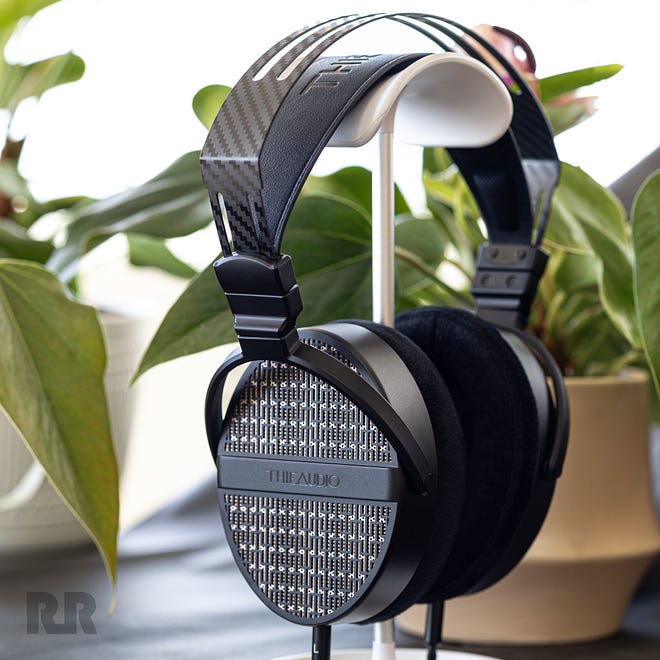
The Cypher is THIEAudio’s flagship headphone. After several attempts by Linsoul to create something that felt genuinely premium, the $400 Cypher finally cracked the code.
The Apollo PRO, a planar headphone that costs nearly $100 more, trades the Cypher’s carbon-fiber headband for spring steel while replacing its all-aluminum construction with a combination of wood and metal. The Cypher’s cable is shorter and thinner, with a cloth sleeve rather than a plastic jacket. The Apollo PRO’s cable certainly looks and feels nicer, but the Cypher’s remains perfectly usable and ergonomic.
Sonically, the Cypher trades the Apollo PRO’s overt warmth for a more restrained, reference-style presentation. Its treble is brighter and delivers more air and sparkle. The Apollo PRO offers substantially more lower-midrange and mid-bass presence, along with a moderate increase in sub-bass.
The Cypher also breathes a little better tonally, sounding more open and less congested during dense instrumental passages. Its less dramatic presentation makes it better suited to a more analytical style of listening and more adaptable across different genres and mastering styles.
Between the two, I would probably choose the Cypher as my daily headphone. It strikes a better balance for music, gaming, and video content, although the Apollo PRO’s stronger bass response makes it more immersive with certain single-player games and electronic music.
The Cypher’s lower price also works in its favor, although the Apollo PRO feels richer and more premium in the hand.
The Bottom Line
The Sendy Audio Apollo PRO stands out by combining the speed, control, and articulation of a planar magnetic driver with a warmer and more substantial presentation than most open-back planar headphones. Its zebrawood earcups, CNC-machined aluminum hardware, excellent comfort, and unusually impressive stock cable also give it a level of physical refinement that many competitors struggle to match at this price.
That warmer tuning is both its greatest strength and its clearest limitation. The Apollo PRO delivers rich mids, weighty mid-bass, smooth treble, and a relaxed presentation that works especially well with electronic music, rock, and recordings that benefit from additional body. It is less convincing for listeners who want a neutral reference balance, greater upper-midrange openness, more treble sparkle, or genuinely tactile sub-bass. Dense and already warm recordings can also sound somewhat congested.
The Apollo PRO is not the most versatile headphone in its class, but it is one of the more distinctive. Listeners who value warmth, texture, comfort, and premium materials may find it deeply satisfying. Those looking for a brighter, airier, or more analytical presentation should look elsewhere.
Pros:
- Incredible stock cable
- Excellent build quality and luxurious material choices
- Comfortable and ergonomic
- Warm, gentle sound signature
- Excellent treble extension, bass extension
- Satisfying mid-bass response, control
- User-replaceable headband and earpads
Cons:
- Stock 4.4mm cable is better suited for DAPs than full-sized headphone amps
- Must awkwardly chain adapters to use 1/4in sources
- Sub-bass rumble isn’t all the way there for electronic music
- Linear mids sound too thick on flat-style mastering
- Butt case
Our Ratings:
★★★★★★★★★★ Sound Quality
★★★★★★★★★★ Build Quality
★★★★★★★★★★ Comfort
★★★★★★★★★★ Value
Where to buy:
Related Reading: