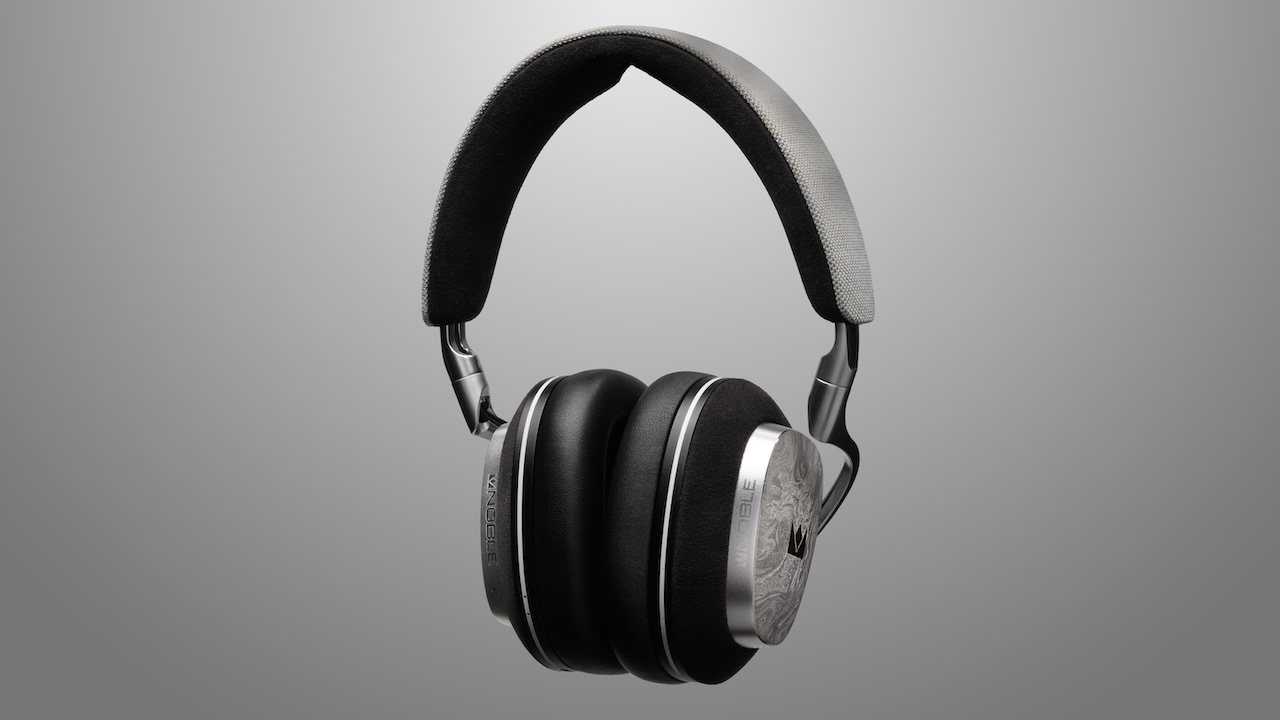
Noble Audio is not backing away from the wireless headphone fight. After the FoKus Apollo gave the brand its first serious over-ear entry with a rare hybrid dynamic and planar magnetic driver platform, the new Noble Audio Artemis pushes the concept further with a three-driver wireless design that adds a balanced armature driver into the mix. The goal is not just more drivers for the Head-Fi crowd, but a more ambitious flagship built around low-end impact, planar speed, and the kind of clarity Noble has spent years refining in its IEMs.

That matters because the original FoKus Apollo was already a rather unusual product: Noble’s first full-size headphone and one of the first wireless over-ear models to combine a 40mm dynamic driver with a 14.5mm planar magnetic driver. It also brought Bluetooth LE, LDAC, aptX HD, AAC, SBC, strong battery life, ANC, and a 10-band EQ into the same package.
It flew under the radar at launch, but the FoKus Apollo turned out to be a genuine overachiever; the kind of wireless headphone that reminded Focal and Bowers & Wilkins they were not the only brands capable of delivering high-performance sound at a price that made people look twice for the right reasons.
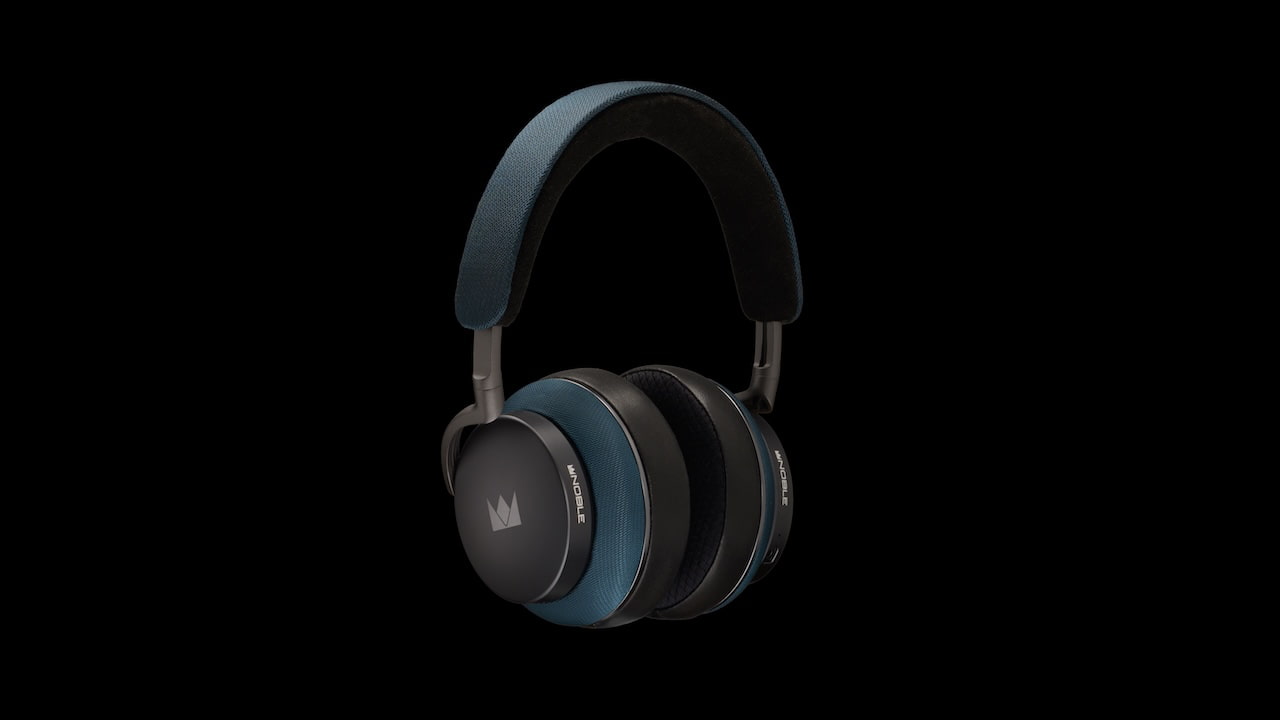
The follow-up FoKus Apollo Pro that was just announced at CanJam Singapore 2026, refined that platform with upgraded acoustic tuning, more premium materials, Italian Alcantara, more breathable ear pads, and the same dynamic/planar architecture.
Artemis now looks like Noble’s attempt to move beyond “interesting alternative” status and plant a flag in the premium wireless headphone category, where Sony, Bose, Bowers & Wilkins, Sennheiser, Focal, and Apple have owned most of the oxygen for years.
Noble’s angle is premium sound quality first, with driver ambition doing the dirty work behind the curtain. It is also a gamble. Combining dynamic, planar magnetic, and balanced armature drivers could give Artemis the speed, impact, and clarity Noble is chasing. But three driver types also raise the obvious question: can Noble make them work as a coherent whole, or does this become a case of too many cooks in the kitchen?
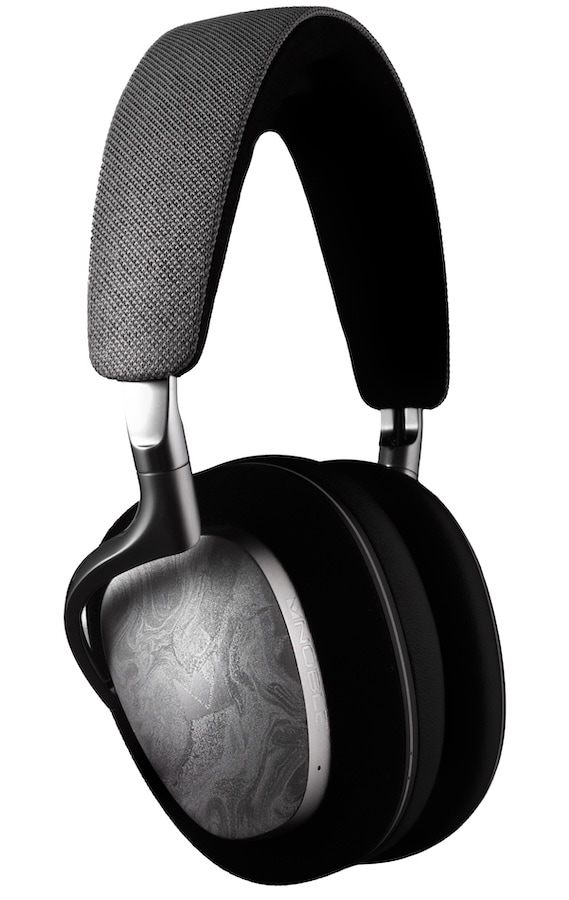
Noble FoKus Artemis: First Listen at HIGH END Vienna
Noble Audio will officially announce the FoKus Artemis on June 4, with pre-orders opening the same day. Pricing is set at $899 / £799 / €949, and shipping is expected to begin in July 2026.
That price puts Noble directly into the premium wireless headphone tier occupied by Focal, Mark Levinson, DALI, T+A, and Bang & Olufsen. This is no longer the “clever alternative” lane. Artemis is being positioned as a full flagship, and at $899, the room gets a lot less forgiving.
Attendees at HIGH END Vienna 2026 will get the first crack at hearing it, including us. The version being shown in Vienna is described as a near-final preview, with the physical design close to production while Noble completes final tuning, app integration, and feature implementation before shipping.
For Noble, Artemis is less about proving it can build another ambitious wireless headphone and more about whether it can compete at the top of the category without losing the sound-first identity that made FoKus Apollo interesting in the first place.
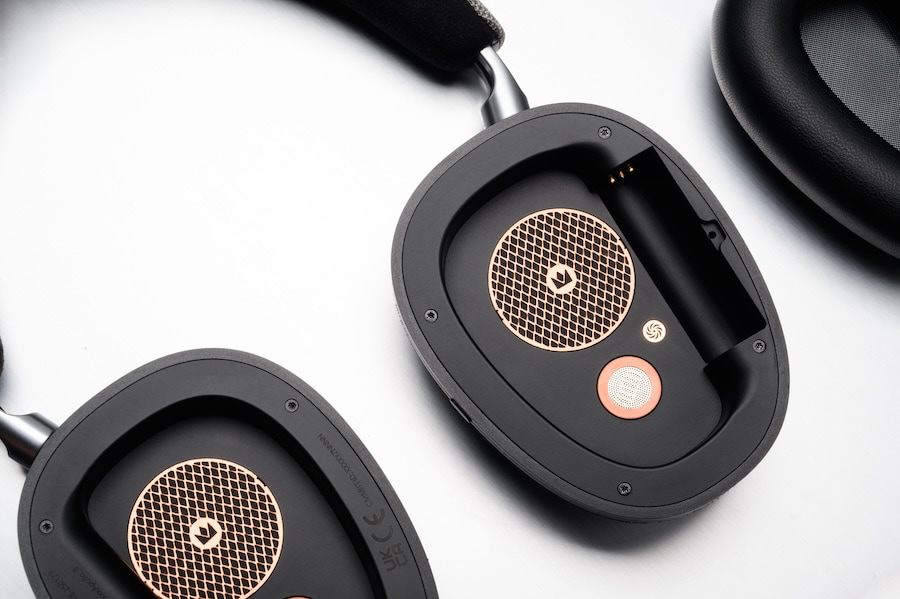
Noble FoKus Artemis Features: Three Driver Types, One Very Ambitious Wireless Headphone
FoKus Artemis takes the hybrid driver idea from the FoKus Apollo and pushes it into more complicated territory. Apollo combined dynamic and planar magnetic drivers, which was already unusual for a wireless over-ear headphone. Artemis adds a balanced armature driver to the mix, creating a three-driver configuration that Noble says is designed to divide the workload more precisely.
The basic idea is easy enough to understand. The dynamic driver is there for body, weight, and bass presence. The balanced armature driver is intended to sharpen clarity, focus, and articulation. The planar driver is tasked with speed, openness, and extended detail. On paper, that gives Noble a lot of tools to shape the sound. It also gives them more to integrate properly, which is where the real work begins.

The goal is not simply to make Artemis louder, flashier, or more complicated for the sake of it. Noble is aiming for a wireless headphone with real scale, strong low-end authority, clean detail retrieval, and a more spacious presentation than most conventional ANC designs. Whether that three-driver recipe comes together as one coherent voice is the part we need to hear for ourselves.
The rest of the feature set suggests Noble is trying to make Artemis a proper everyday flagship, not just an audiophile science project at a rather hefty price. It uses the Qualcomm QCC3095 platform with Bluetooth 5.4, and includes Active Noise Cancellation, Transparency Mode, multipoint connectivity, voice assistant support, a six-microphone design, and support for the Noble FoKus app.
FoKus Artemis will also include Audiodo Personal Sound and Audiosphere technology, giving users the option to create a listening profile based on their own hearing. A guided hearing assessment is used to tailor playback beyond the usual EQ presets, with the goal of improving perceived detail, balance, and clarity.
Artemis will also support USB audio, along with 3.5mm wired playback via the included USB-C to 3.5mm cable, which matters because a $899 wireless headphone should not become useless the moment Bluetooth is not the best option.
Battery life targets are also competitive, although Noble is still finalizing some details ahead of release. Current targets are 50+ hours of playback and 35+ hours with ANC enabled, powered by a 600mAh battery. Charging time is listed at under 1.5 hours, with fast charging also included.
Those figures put the Noble Artemis close to the Sennheiser MOMENTUM 5 and HDB 630 when it comes to battery capacity and claimed playback time. Both Sennheiser models are also less expensive, for those keeping score in the press box.
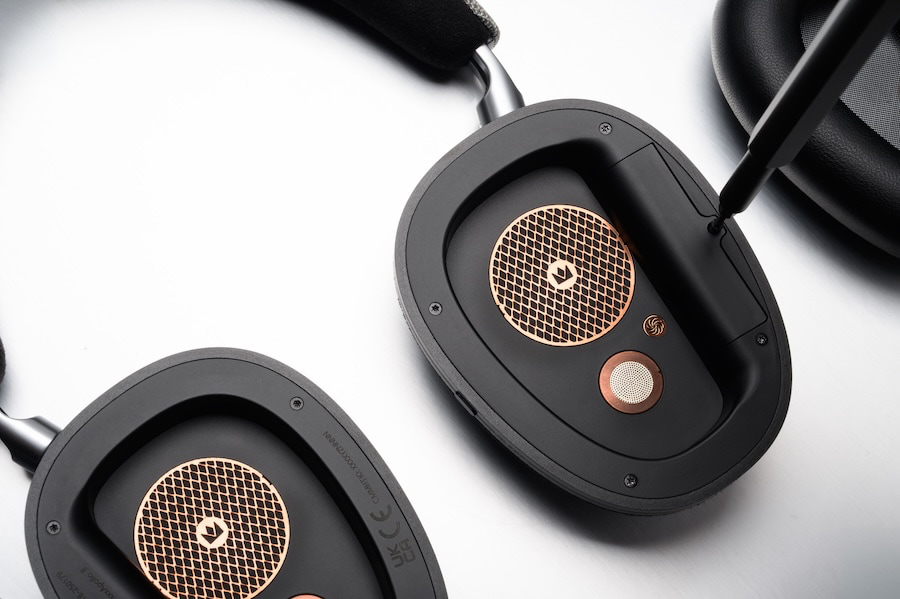
The most encouraging practical detail may be the fully self-replaceable battery. Add in a target weight under 350 grams, IP52 water resistance, replaceable ear cushions, and magnetic detachable ear pads, and Artemis looks like it has been designed with longer-term ownership in mind.
It is also worth noting that the new Sennheiser MOMENTUM 5 offers a user self-replaceable battery as well, which raises an interesting question: are premium wireless headphones finally moving away from sealed-box disposability? Imagine that: a category that has spent years treating batteries like countdown clocks with leather trim may be discovering that owners actually like keeping expensive things alive.
Final tuning, app integration, and some feature implementation are still being completed ahead of shipping, so the listening verdict has to wait. But the direction is clear: Noble is trying to build a premium wireless over-ear headphone that leans on sound quality, serviceability, and driver engineering rather than just another round of ANC buzzwords. At this price, that is exactly what it needs to do if it wants to be competitive.

The Bottom Line
The Noble FoKus Artemis is not just FoKus Apollo with a new badge and a higher price. Its three driver design with dynamic, planar magnetic, and balanced armature drivers makes it one of the more ambitious wireless over-ear headphones we have seen.
Add Audiodo personalization, USB audio support, ANC, Transparency Mode, replaceable ear pads, and a user self replaceable battery, and Artemis has a stronger ownership story than most premium wireless rivals.
The risk is integration. Three driver types can deliver impact, speed, clarity, and scale, but only if Noble makes them sound like one headphone rather than three good ideas sharing the same ear cup.
At $899, Artemis moves directly into top tier territory with Focal, Mark Levinson, DALI, T+A, and Bang & Olufsen. That creates a different challenge for Noble. Inside the audiophile and IEM world, the brand has real credibility. Outside of it, mainstream consumers shopping premium wireless headphones may have no idea who Noble Audio is, and it does not have the brand awareness of the companies it is now priced against. That means Artemis has to win on sound quality, execution, and ownership value, not name recognition.
If Noble nails the tuning, Artemis could be one of the most compelling premium wireless headphones of 2026.
For more information: nobleaudio.com
Related Reading:
- More HIGH END Vienna 2026 Coverage
- Noble Debuts FoKus Apollo Pro Wireless Headphones At CanJam Singapore 2026
- Noble Fokus Apollo Review: The Best Balance Of Price, Build, And Sound In Wireless Headphones?
- Sennheiser MOMENTUM 5 Wireless Review: Did Sennheiser Just Undercut The HDB 630?