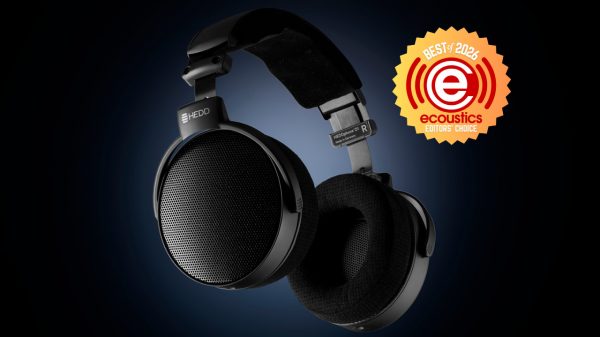
High-end planar magnetic headphones are the major leagues of personal audio.
This is not Double-A or Triple-A ball where a promising prospect gets a few seasons to work on his swing. Audeze, Meze Audio, HiFiMAN, and Dan Clark Audio arrive carrying some very big bats, and while not every swing results in a home run, this is the segment where manufacturers prove whether they actually belong. The prices are high, expectations are higher, and audiophiles spending $2,000 or more have become rather intolerant of excuses.
Which makes the HEDDphone TWO GT rather interesting.
HEDD Audio is not trying to beat the established planar-magnetic players by building another planar headphone. The Berlin manufacturer has brought its own bat to the plate: a full-range Air Motion Transformer using its Variable Velocity Transformation technology, with a claimed frequency response of 10 Hz to 40 kHz. The TWO GT also represents a deliberate shift away from the more studio-oriented personality of the HEDDphone TWO, with HEDD retuning the driver for a warmer presentation, reducing distortion, relaxing the clamping force, and supplying both leather and velour ear pads.
And then there are the 550 grams.
German engineering has apparently discovered warmth, but nobody in Berlin received the memo about gravity.
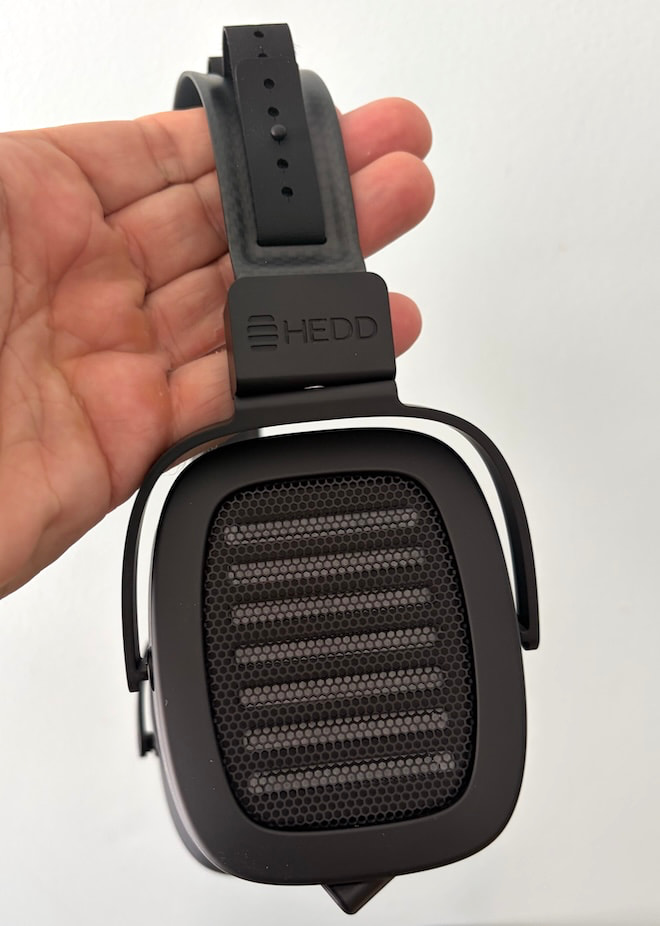
That weight is impossible to ignore at $2,199, especially when the HEDDphone TWO GT has to compete for your money against some of the best high-end headphones currently made. Audeze has spent years establishing itself near the top of the planar hierarchy. HiFiMAN offers planar models across an almost absurd range of prices. Dan Clark Audio has pushed planar design in increasingly sophisticated directions, while Meze Audio has demonstrated with the Empyrean and Elite that a high-end planar headphone can deliver technical performance without making music feel like an engineering exercise.
HEDD therefore does not get bonus points merely for being different. Nobody wins the pennant for showing up with an unusual driver and excellent German paperwork.
The question is whether the HEDDphone TWO GT has enough speed, resolution, tonal color, dynamics, spatial scale, and sheer musical engagement to earn a place alongside those established heavy hitters, or whether it gets optioned back to the minors before Oktoberfest.
I’ll spoil one part of the review.
It belongs in the show.
And after several weeks of listening, I’m increasingly convinced that HEDD Audio has created something more interesting than merely another $2,000 high-end headphone. The TWO GT does not sound like the leading planar-magnetic designs, nor does it try to imitate them. It earns its place at the table precisely because it takes a very different route to get there.
The Germans brought their own bat. No schnitzel was harmed in its construction.
Related Reviews:
- Sendy Audio Apollo PRO Review: Beautifully Built With Bass That Will Divide Listeners
- THIEAUDIO Cypher Headphone Review: Can It Challenge The HD600?
- Meze Audio STRADA Review: Closed-Back Contender Or An EQ Dependent Gamble?
AMT, VVT and Why HEDD Does Things Differently
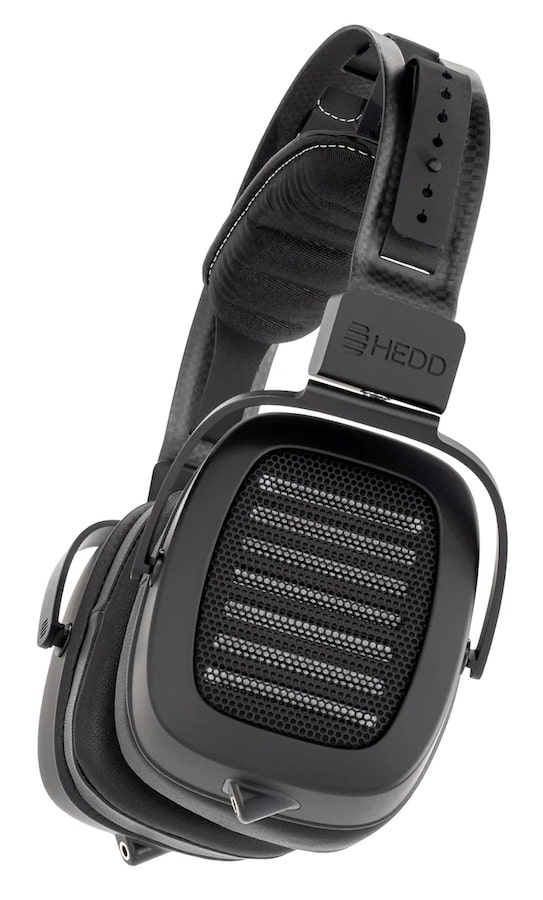
The HEDDphone TWO GT is built around HEDD Audio’s full-range Air Motion Transformer, a transducer technology that works very differently from the dynamic and planar magnetic drivers used in most high-end headphones.
Instead of using a conventional diaphragm that moves back and forth like a piston, the AMT uses a folded membrane with aluminum conductive traces suspended within a magnetic field. Those folds expand and contract, pushing air outward at much higher velocity than the diaphragm itself is moving.
AMTs have traditionally been used as tweeters because their low moving mass and folded geometry make them particularly effective at reproducing high frequencies and fast transient information. Extending that concept across the entire audible range is considerably more difficult.
HEDD accomplishes that with its Variable Velocity Transform, or VVT, technology. Rather than using identical folds across the diaphragm, HEDD varies their geometry, allowing different sections of the membrane to move air in different ways. The result is a single AMT driver capable of covering the entire frequency range without requiring a separate woofer, tweeter, or crossover network.
For the TWO GT, HEDD revised the diaphragm itself. The new design uses a multi-layer Kapton polyimide membrane along with an updated coating process intended to increase structural rigidity while maintaining low moving mass. HEDD claims the changes reduce distortion by approximately 10 percent and also minimize some of the crinkling noise that can occur when handling folded-diaphragm designs.
The acoustic tuning has also been revised through what HEDD calls an air-compliance system. Internal cavities can be selectively controlled using materials with different levels of air permeability, giving the engineers another method of adjusting the driver’s behavior without heavily damping the diaphragm.
The advantage of this approach is that HEDD can modify the tonal balance while retaining the fundamental speed and responsiveness of the AMT design.
The TWO GT presents a flat 41-ohm impedance and is rated at 88 dB SPL for 1mW. HEDD recommends at least 200mW of amplifier power and suggests 1 watt or more for optimal performance. In practical terms, that means these are designed to be used with a capable dedicated headphone amplifier rather than treated as something you casually plug into a laptop and call it a day.
And yes, all of this still weighs 550 grams.
HEDDphone TWO GT Specifications
- Type: Open-back, over-ear headphone
- Driver: Full-range Air Motion Transformer
- Driver Technology: Variable Velocity Transform
- Diaphragm: Multi-layer Kapton polyimide
- Frequency Range: 10 Hz to 40 kHz
- Impedance: 41 ohms
- Sensitivity: 88 dB SPL at 1mW
- Minimum Recommended Amplifier Power: 200mW
- Preferred Amplifier Power: 1W or greater
- Weight: 550 grams
- Ear Cup Connections: 3.5mm
- Ear Pads: Lamb leather and velour included
- Construction: Carbon fiber and magnesium
- Unbalanced Cable: 1.6-meter silver-plated copper cable with 6.35mm termination
- Balanced Cable: 1.6-meter silver-plated copper cable with 4.4mm termination
- Adapters: 6.35mm-to-3.5mm and 4.4mm-to-4-pin XLR
- Warranty: 5 years after registration
Build Quality and Comfort
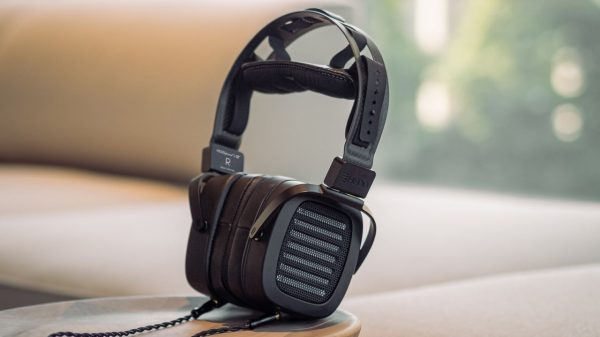
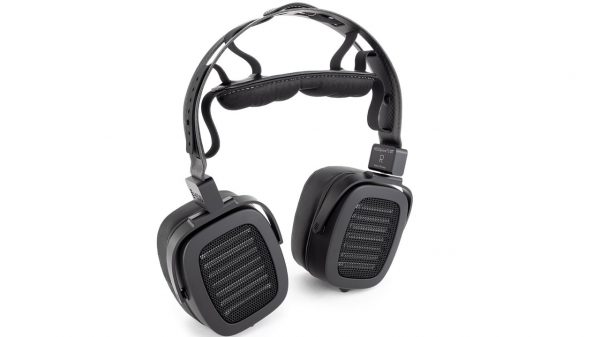
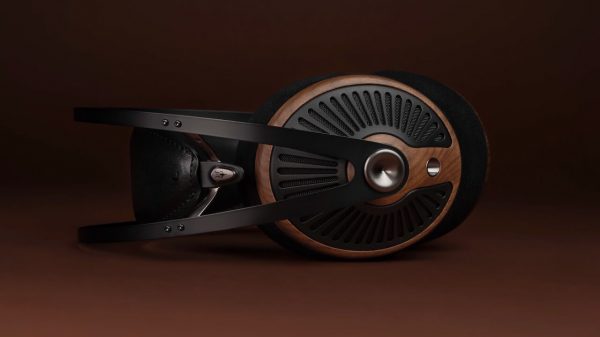
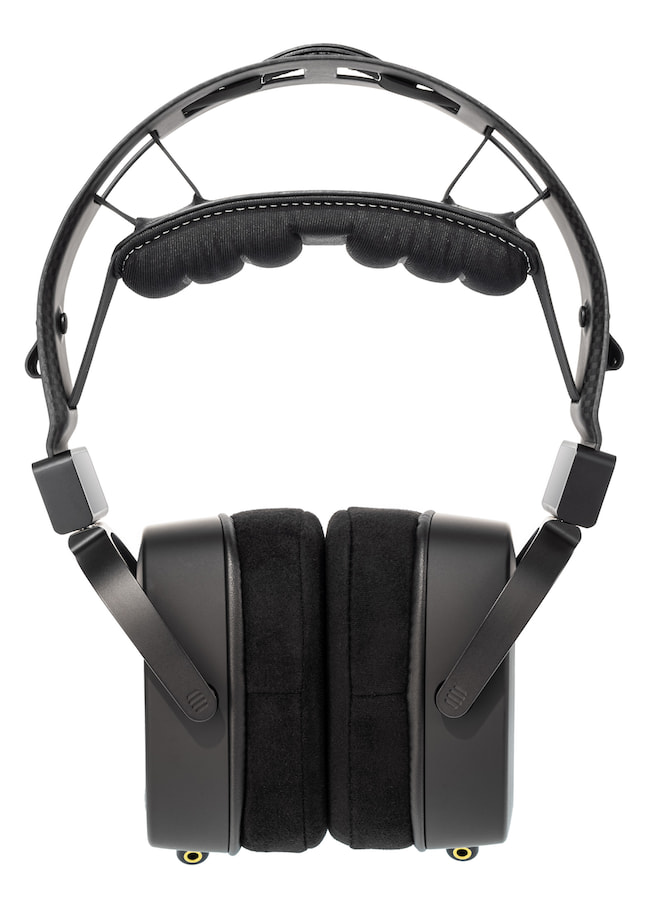
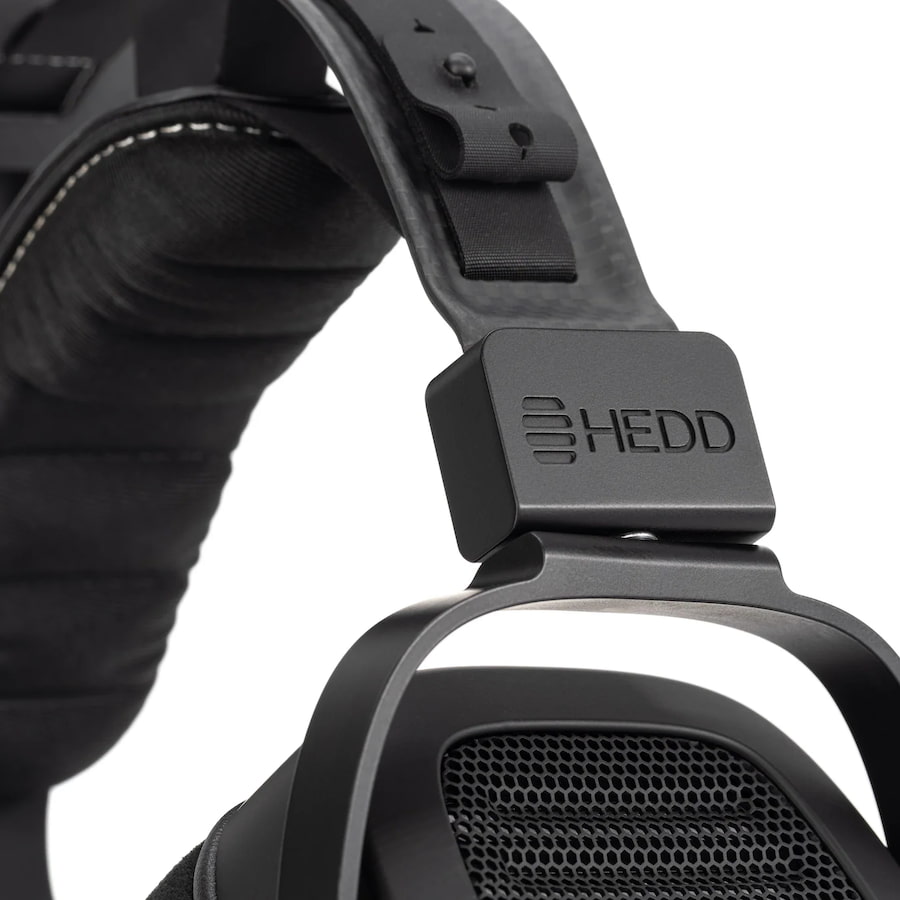
HEDD Audio builds and assembles the HEDDphone TWO GT in Berlin and uses a combination of carbon fiber and magnesium for the structure. The goal is fairly obvious: this is a large headphone built around a substantial full-range AMT driver, so keeping the supporting structure both rigid and as light as practical is rather important. HEDD also uses its adjustable HEDDband system, which allows the wearer to alter height, width, curvature, and clamping pressure rather than relying on a conventional headband with only vertical adjustment.
The removable ear pads are available in two supplied versions; lamb leather and velour, and attach securely while remaining very easy to swap. Each ear cup uses a 3.5mm cable connection, and I have no complaints about their positioning or accessibility. The ear cups can also rotate flat, although the supplied storage case is designed to hold the headphones in their normal folded-in position rather than laid completely flat.
And that brings us to the box.
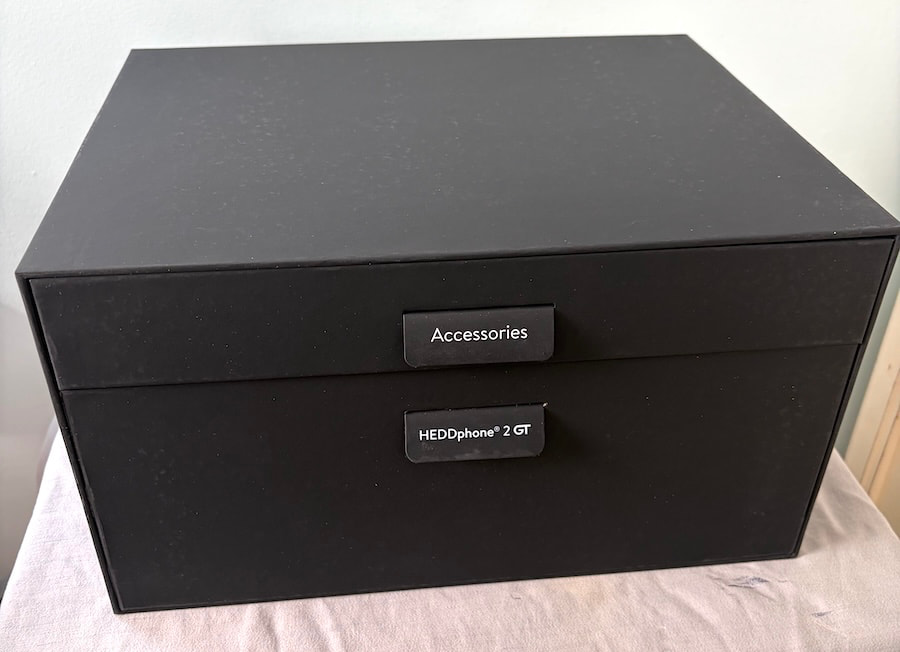
I was initially a little frightened when I removed it from the shipping carton. Small it isn’t. You could probably transport a small drone in the thing and still have room for the charger.
That concern disappeared rather quickly once I opened it.
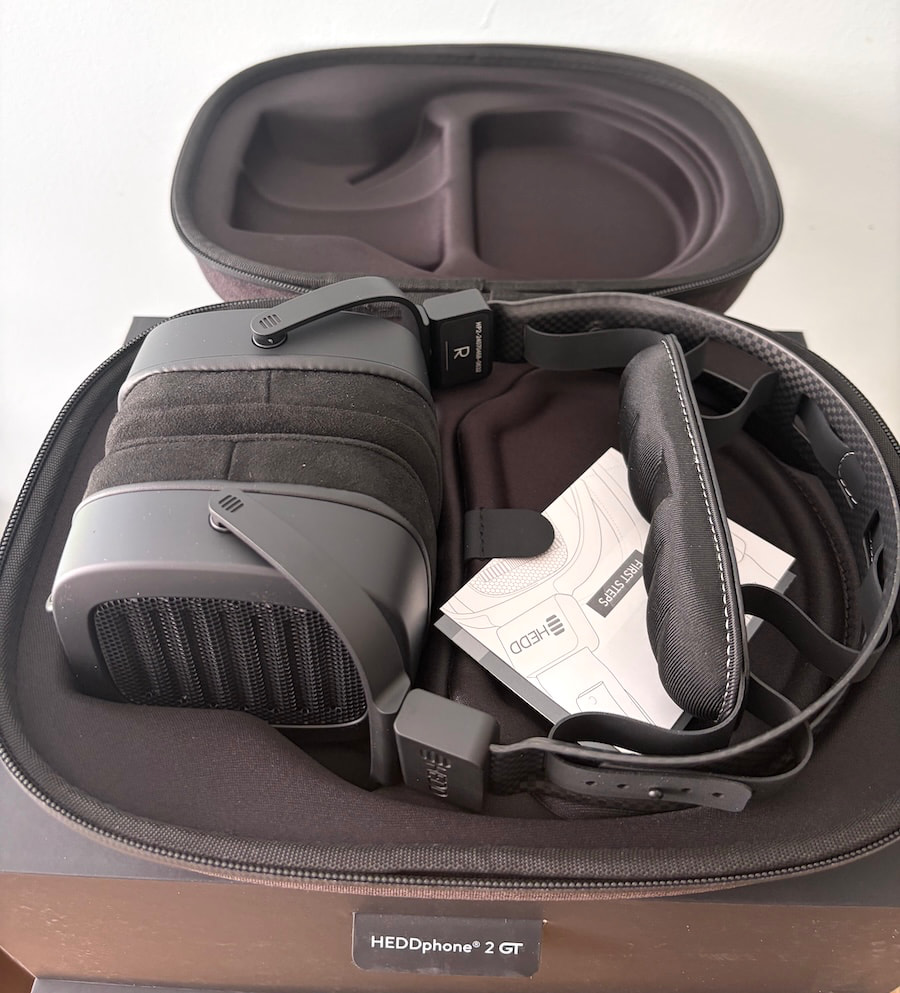
The presentation and internal packaging are easily among the three best I have encountered with any pair of headphones I have reviewed. The double-tiered arrangement is beautifully executed, the hard-cardboard construction feels substantial rather than disposable, and everything has an obvious place. Wunderbar.
I don’t remember my old BMW arriving with an owner’s package this nice. I’m also fairly certain the Heckler & Koch pistol I owned in the 1990s came with something less impressive.
Well done, HEDD.
I’ll deal with the supplied cables, adapters, and other accessories in the next section, but the design team deserves some credit here for actually giving a damn about the ownership experience. At $2,199, that should be expected, but anyone who has purchased enough expensive high-end audio equipment knows that expectation and reality frequently live in different postal codes.
This might be the best headphone packaging I have encountered. Ever.
550 Grams?
And then you finally remove the HEDDphone TWO GT from its very German accommodations.
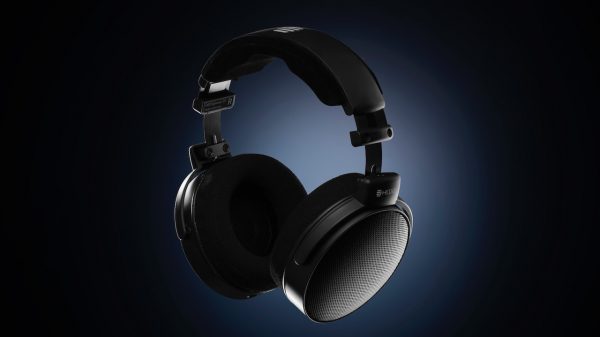
They’re large.
Not freakishly large, mind you. Dr. Frankenstein and Igor would not have strapped them to Peter Boyle’s head before throwing the switch, but nobody is going to mistake these for a pair of commuter headphones either. I have a rather large noggin and the TWO GT still looks substantial on me.
The build quality, however, is excellent. Nothing feels flimsy, the adjustment mechanisms operate easily, the ear cups rotate smoothly, the pads snap on and off without drama, and the cable connections feel properly integrated into the design rather than added wherever somebody found room.
They also look like they weigh 550 grams.
Here’s the weird part.
They don’t really feel like 550 grams once they’re on your head.
The HEDDband deserves most of the credit. Once properly adjusted, the inner suspension strap spreads the load across a broad portion of your head and I experienced no meaningful hot spots on the top of my skull. Clamping pressure can also be adjusted, which becomes especially useful with something this large. HEDD has done a remarkably good job of making a very heavy headphone feel considerably lighter than the specification suggests.
Are they as light or comfortable as my Meze Audio Empyrean II?
No.
The Empyrean II weighs 449 grams; more than 100 grams less, and Meze’s suspension system remains superior in my experience when it comes to making a large planar headphone disappear on your head. But the difference between the two is not as dramatic as those numbers might suggest.
My neck eventually had a different opinion.
After roughly an hour, I could begin to feel some strain. I spend an average of 10 hours a day sitting in front of a computer writing and editing, so comfort is not some theoretical consideration for me. Could I wear the TWO GT for two or three uninterrupted hours? Probably not.
Could I listen for an hour, take a break, and happily come back for another session?
Absolutely. And an hour of serious headphone listening is hardly a drive-by encounter with your music collection.
I also would never take these on the train. The open-back design makes that a terrible idea acoustically for both you and everyone sitting nearby, but there is another consideration: they look expensive because they are expensive. I spend enough time on NJ Transit to know that wearing a $2,199 pair of enormous German headphones into Penn Station is not the kind of product visibility I am interested in generating.
HEDD designed the TWO GT for serious listening at home or in a dedicated workspace, and that is where they belong.
Overall, I think HEDD did a superb job. The TWO GT is sturdy, beautifully assembled, highly adjustable, easy to service where it matters most to the user, and considerably more comfortable than its weight would suggest.
HEDD could not make the laws of physics disappear. They did, however, negotiate surprisingly favorable terms.
Accessories: HEDD Brought the Kitchen Sink
HEDD Audio did not exactly take the minimalist approach with the HEDDphone TWO GT.
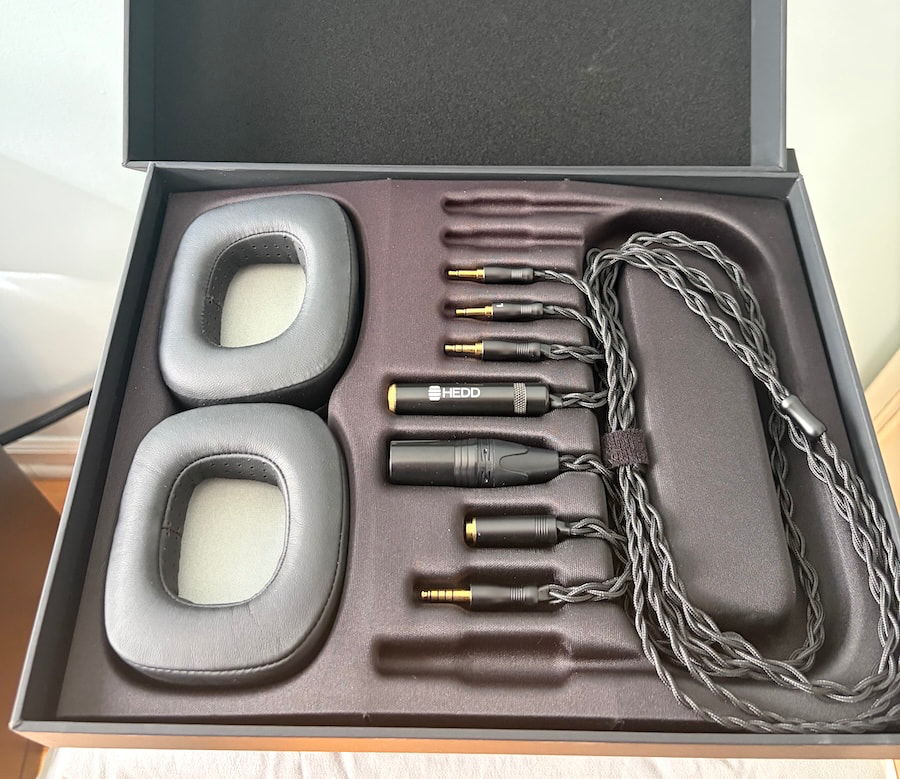
The standard package supplied with my review sample includes two 1.6-meter cables: an unbalanced cable terminated with a 6.35mm plug and a balanced cable with a 4.4mm connection. Both use 4-core 5N silver-plated copper conductors and are nylon-woven and hand-braided. HEDD also includes a 6.35mm-to-3.5mm adapter and a 4.4mm-to-4-pin XLR balanced adapter, along with both lamb-leather and velour ear pads and the hard travel case.
In other words, the kitchen sink.
The cables deserve some praise. At 1.6 meters, or roughly 5.25 feet, they were long enough for every desktop and nearby listening arrangement I used without leaving several feet of cable coiled on the floor. The braiding is substantial without making the cables excessively stiff, and I experienced essentially zero cable microphonics during normal listening.
More importantly, HEDD gives you enough connectivity out of the box to work with a broad assortment of headphone amplifiers. Between the native 6.35mm and 4.4mm terminations and the supplied 3.5mm and 4-pin XLR adapters, I had no difficulty using the TWO GT with the various amplifiers that rotated through my system.
No frantic search through the cable drawer. No ordering another $150 piece of audiophile spaghetti because somebody decided that supplying one useful termination was character building.
The Watch Drawer
There is one catch to all of this generosity: the travel case does not have room for the entire accessory collection.
HEDD solved that problem rather elegantly inside the main presentation box. The cables, adapters, and other pieces have their own lower storage compartment beneath the headphones, almost like the drawer in a proper watch box.
Ken Kessler would approve.
Anyone who knows Ken knows that he is both a hell of a reviewer and a very serious watch guy, and the whole arrangement has that same satisfying sense of putting something expensive back where it belongs when you’re finished with it. The accessories aren’t tossed into plastic bags and wedged around the headphones like leftover charging cables in the kitchen junk drawer.
It feels considered.
Big Cans, Big Case
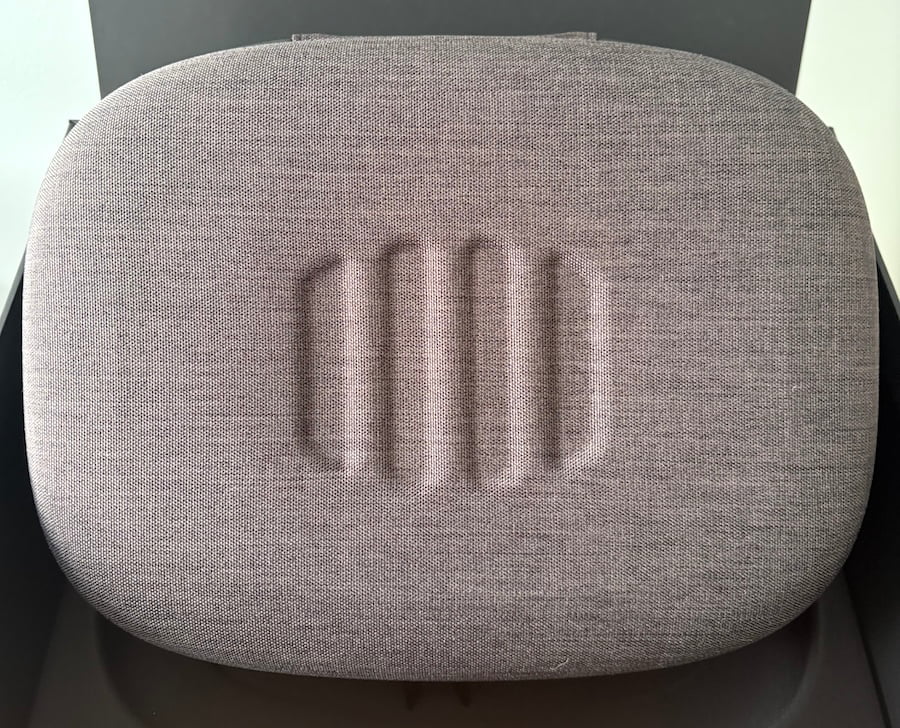
The supplied travel case is not small either.
It couldn’t be.
These are 550-gram, full-size open-back headphones with substantial ear cups, and HEDD wisely did not attempt to squeeze them into something resembling a shaving kit. The case is rigid, well constructed, and provides the level of protection I would expect for a $2,199 headphone.
Hard?
Klaus Kinski on a bad day.
It will fit inside a normal knapsack without too much drama. A laptop bag is another story. If you already have a 15- or 16-inch notebook, power supply, cables, and the usual assortment of things required to pretend you’re going to accomplish something on NJ Transit, the HEDD case might be a tight squeeze.
And there is definitely no room for the biltong.
Listening
I used the HEDDphone TWO GT with a fairly broad range of sources and headphone amplifiers during the review, from an iPhone 17 and MacBook Air to considerably more ambitious desktop components.
Digital sources included an iMac, iPhone 17, MacBook Air, Bluesound NODE Icon, WiiM Ultra, FiiO K11 R2R, and TEAC’s NT-507T network transport, UD-507 DAC/preamp/headphone amplifier, and HA-507 pure analog headphone amplifier/preamplifier. The TEAC components gave me the ability to compare the TWO GT through both an integrated DAC/headphone amplifier and a considerably more powerful dedicated analog design.
I also used the Schiit Audio Ragnarok 2 and streamed extensively from Qobuz and TIDAL.
For vinyl, the chain consisted of my Thorens TD-160 Super fitted with an Ortofon 2M Black moving-magnet cartridge into the MOON by Simaudio 110LP v2 phono preamplifier.
Fast Enough to Impress, Warm Enough to Enjoy
The bass is probably the best place to start because it tells you a lot about how the HEDDphone TWO GT approaches music.
It isn’t a bass cannon, and there are headphones from Audeze that dig deeper and hit with more physical force. But thin?
Not even close.
Aphex Twin, Orbital, deadmau5, and Kraftwerk were useful here because electronic music quickly exposes a headphone that lacks extension or cannot keep complex low-frequency information organized. “Xtal” from Aphex Twin’s Selected Ambient Works 85–92 had plenty of weight underneath the atmospheric layers, but what stood out more was the texture. The TWO GT does an excellent job of letting you follow individual bass notes rather than turning the bottom end into one large blob.
Orbital’s “Halcyon + On + On” was even more revealing in that regard. There is a lot happening as the track develops, and the HEDD kept everything moving without losing the pulse underneath it. The opening of deadmau5’s “Strobe” also demonstrated that the TWO GT can reach down with authority when the recording demands it.
Could it hit harder? Sure.
Do I want another 4 or 5 dB of bass shoved into every recording?
No.
Kraftwerk also sounded exactly as it should through the HEDD: clean, tightly controlled, mechanical when required, but never sterile. The TWO GT has enough low-end weight to keep electronic music grounded, but its real strength is how quickly it starts and stops.
That speed carries directly into the midrange, which is where these headphones really began to make their case.
Voices Tell You Everything
Nick Cave is always part of my headphone testing because his voice can sound dreadful when a headphone gets the tonal balance wrong. “Avalanche” needs some weight behind his gravelly, edgy delivery, but the piano is just as important. Through the TWO GT, the notes had enough force to sound convincing and enough decay to hang around for a moment before disappearing. Cave never sounded thin or pushed too far back, and the piano had enough body and weight to give the song the tension it needs.
Natalie Merchant’s “Carnival” also worked extremely well. Her voice was clear and present without being shoved into my lap, and there was enough warmth through the lower midrange to keep things natural. Billie Holiday on Lady in Satin was a different kind of test. Her voice was already fragile and worn by that point, and the HEDD let you hear all of it without making the experience feel clinical. I don’t need a $2,199 headphone to tell me somebody moved a chair in the studio. Take a candy from my pocket and move on.
Sia’s “Chandelier” is useful because her voice can become hard very quickly when the upper midrange or treble gets too aggressive. The TWO GT is revealing. Very revealing. But I don’t think it sounds bright at all. There is some softness through the lower treble and more energy higher up, and that balance kept her voice powerful without making the chorus difficult to sit through at higher volume.
Phoebe Bridgers was almost the opposite test. Her voice is much softer and more intimate, and the HEDD did a very good job with the small shifts in tone and texture that make her recordings work. “Motion Sickness” had plenty of space around her voice, but she never sounded washed out or overly delicate. The TWO GT let you hear how carefully the vocal is recorded without turning the performance into an exercise in detail retrieval.
Bad recordings remain bad recordings, but HEDD doesn’t spend its time pointing at every flaw in the room. That’s not why I listen to music.
Jazz Without the Homework
Jazz made the TWO GT’s strengths easier to understand. On “The Sidewinder,” Lee Morgan’s trumpet had the right bite and energy, Bob Cranshaw’s bass had proper weight, and Billy Higgins kept the track moving with the kind of swing that can disappear when a headphone gets too stiff or analytical. The HEDD didn’t make the horns sound thin or turn the rhythm section into background decoration. It sounded lively, physical, and like the band was actually having a good time.
Out to Lunch! is more difficult because everyone seems to be pushing in a different direction at once. Dolphy’s bass clarinet can sound downright strange, Freddie Hubbard’s trumpet needs some force, Bobby Hutcherson’s vibes have to cut through without becoming annoying, and Tony Williams cannot sound like somebody politely tapping on a drum kit in the next room. The TWO GT gave all of them enough weight and energy to make the record work, while Richard Davis’ bass kept the whole thing anchored.
For someone who listens to a lot of jazz, the appeal is pretty simple. The TWO GT gives horns enough bite and body to sound convincing, acoustic bass has proper weight, and drums have the speed and impact to keep the music moving. Just as important, the treble is detailed without getting bright, which makes longer sessions with trumpet, vibes, and cymbals much easier to enjoy.
The soundstage is good rather than enormous.
If you want the headphone equivalent of sitting in Row 37 with half the venue between you and the stage, there are other options. The HEDDphone TWO GT is more convincing in the way it places instruments within the space it creates.
Aphex Twin, Orbital, and Kraftwerk made that very obvious, but acoustic recordings did as well. Lee Morgan and Eric Dolphy sounded properly separated, with convincing depth and very precise placement.
I will take that over artificial width every time.

The Bottom Line
The HEDDphone TWO GT is unique because it does not try to beat Audeze, Meze Audio, HiFiMAN, or Dan Clark Audio at their own planar magnetic game. HEDD’s full range AMT sounds fast, detailed, and clean, but there is also real weight, warmth, and enough bass to keep electronic music, jazz, and rock from sounding bloodless.
These need a proper amplifier. The Schiit Ragnarok 2 had more than enough power, but the TEAC desktop gear was clearly better with the HEDD. It sounded more neutral, more controlled, and more assertive, while the FiiO K11 R2R was enjoyable but not in the same league.
The TWO GT is not perfect. It is heavy, expensive, not something I would commute with, and the soundstage is good rather than enormous. But the build quality is excellent, the accessories are superb, and the sound is good enough that the weight became something I managed rather than something that ruined the experience.
This is for someone who wants a serious home headphone, owns a capable amplifier, and prefers musical weight and speed over clinical fireworks.
HEDD made the majors.
No bus to Toledo. Berlin can stamp the paperwork and order a beer.
Pros:
- Full-range AMT driver delivers exceptional speed, clarity, and low-level detail
- More warmth and bass weight than many listeners may expect from this type of headphone
- Excellent separation and control with complex music
- Strong vocal and instrumental texture, especially with jazz and acoustic recordings
- Scales noticeably with better amplification
Cons:
- Heavy and not especially practical for long mobile or commuting use
- Demands a capable amplifier to sound its best
- Soundstage is precise rather than unusually large
- Premium pricing puts it into very serious competition
- Less forgiving of mediocre source components and recordings
Our Ratings:
★★★★★★★★★★ Sound Quality
★★★★★★★★★★ Build Quality
★★★★★★★★★★ Accessories
★★★★★★★★★★ Comfort
★★★★★★★★★★ Value
Where to buy:
Related Reading:
- Apos Launches $1,800 SJY Argos Electrostatic Headphones And $2,200 Hydra Amp For Headphones And Speakers
- The Best Headphones From CanJam London 2026
- 8 New Headphones And IEMs We Want To Try In 2026
- HiFiMAN HE6 Remastered Launches With A Lighter Headband, But It Still Needs Serious Amplifier Power