Gaming headsets have improved considerably over the past decade, but there is still a rather large gap between products designed primarily for gamers and headphones that people might actually want to listen to when the console or PC is turned off.
Beyerdynamic has spent the past few years trying to close that gap.
The German manufacturer already offers models such as the MMX 300 PRO and open-back MMX 330 PRO, which borrow heavily from its studio headphone experience. Its wireless MMX models take a more flexible approach, combining gaming connectivity with features intended for everyday music and entertainment.
The new MMX 100 Wireless and MMX 130 Wireless extend that strategy further down the price ladder at $149.99 and $179.99 respectively.
Both support Bluetooth 6.0, low-latency wireless through an included USB dongle, wired operation, replaceable components, and Beyerdynamic’s detachable META VOICE microphone. The MMX 100 Wireless enters an extremely crowded segment. The MMX 130 Wireless is considerably more unusual.
MMX 100 Wireless (Closed-back)

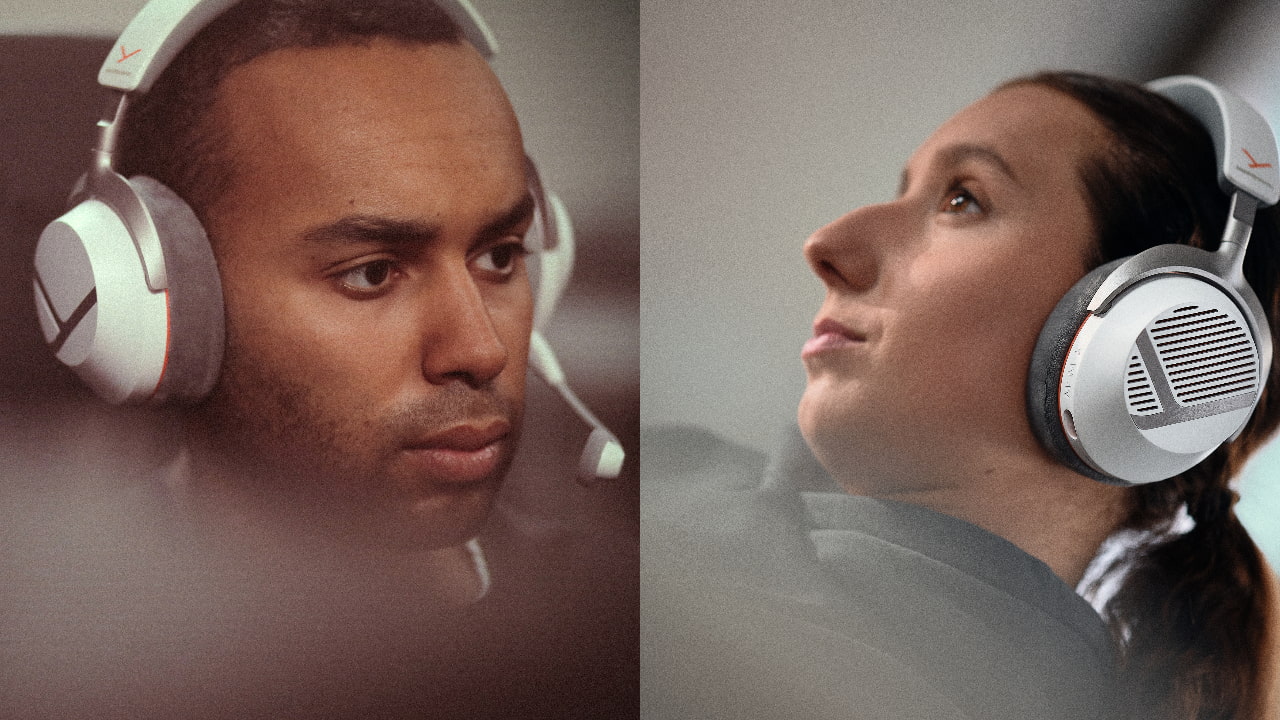
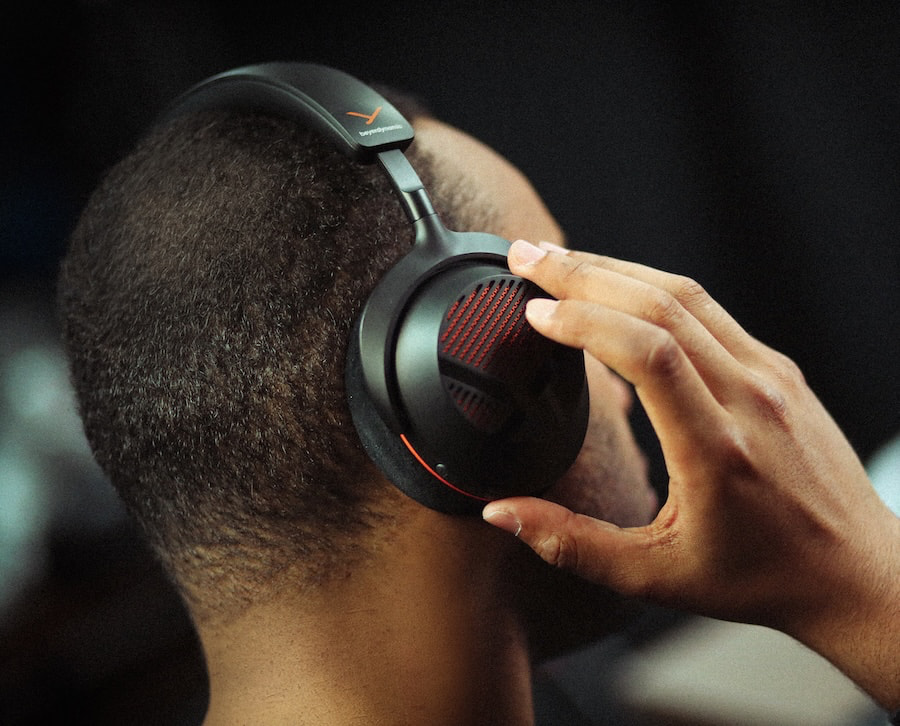
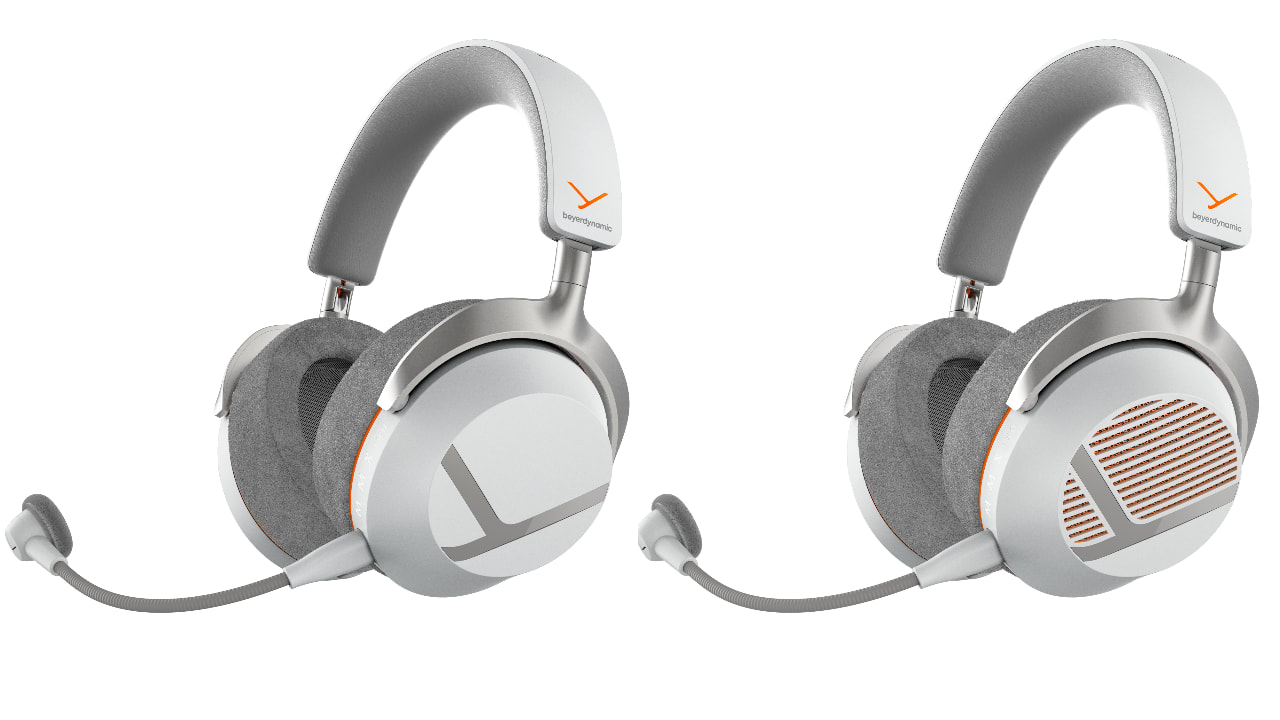
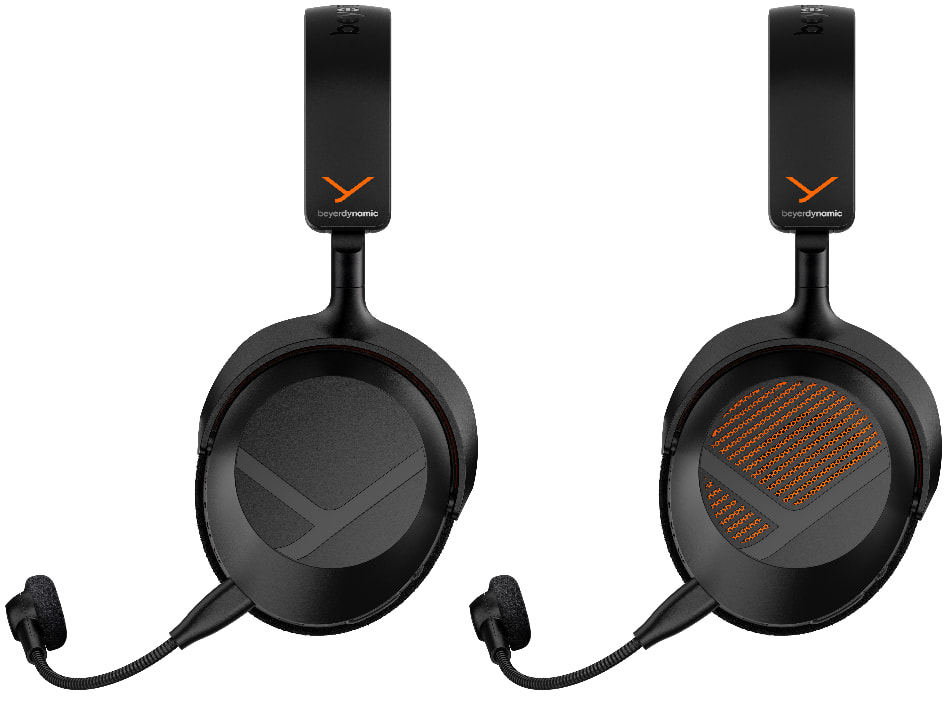
The MMX 100 Wireless uses a closed-back, circumaural design intended to provide greater isolation from surrounding noise while limiting sound leakage.
Beyerdynamic equips it with 40mm dynamic drivers with a specified frequency response of 20Hz to 20kHz. The company is emphasizing positional accuracy and balanced sound rather than the exaggerated low end that remains common with gaming headsets, although we will reserve judgment on the tuning until we actually hear them.
Connectivity includes Bluetooth 6.0, USB audio, analog playback, and an included USB-C low-latency wireless dongle. Beyerdynamic claims latency below 30ms through the dongle, making that the preferred connection for gaming where timing matters.
An included USB-A adapter broadens compatibility with PCs and consoles.
There is one console caveat. Xbox users will need to rely on the analog connection rather than native wireless support. Beyerdynamic lists wireless compatibility with PC, PlayStation, Nintendo Switch, and compatible mobile devices, while Xbox support is provided through the cable.
Battery life is rated at more than 80 hours, and the headset can continue operating while charging. The battery itself is replaceable, as are the velour ear pads, which is increasingly important as consumers hold onto headphones longer.
The MMX 100 Wireless also weighs just 275 grams, making it substantially lighter than several of Beyerdynamic’s existing wireless gaming models.
The detachable META VOICE microphone can be removed when the headset is being used strictly for music or video, while the Beyerdynamic app provides EQ adjustment, settings changes, and firmware updates.
What Does the MMX 100 Wireless Leave Out?
The $149.99 price does require some compromises.
The MMX 100 Wireless does not offer the sidetone functionality found on the MMX 150 Wireless, and it lacks the ANC, Environmental Noise Cancelling microphone system, and flip-to-mute microphone offered by the more expensive MMX 230 Wireless. That positioning makes sense.
The MMX 100 Wireless is not designed to win a specification-sheet contest. It is the new entry point for buyers who want Beyerdynamic’s approach to headphone design with modern wireless connectivity, strong battery life, and a lighter chassis.
MMX 130 Wireless (Open-back)
The MMX 130 Wireless takes a very different approach.
Rather than another closed-back enclosure, Beyerdynamic uses an open-back design built around a titanium-coated 40mm dynamic driver. Open headphones generally trade isolation for a more spacious presentation, which can be particularly useful with games where positional information and a convincing sense of space matter.
The MMX 130 Wireless weighs only 265 grams, which should also make it appealing for longer gaming or listening sessions.
The tradeoff is obvious. Open-back headphones allow more external sound to reach the listener and leak more of what you are listening to into the room. Anyone gaming in a noisy space or sitting next to someone watching television will probably be better served by the MMX 100 Wireless.
In a quiet room, the MMX 130 could prove considerably more interesting for listeners who divide their time between gaming and music.
What makes the MMX 130 notable is not that Beyerdynamic invented the open-back gaming headset. It did not. The company already sells the wired MMX 330 PRO, and other manufacturers have offered open gaming designs for years.
The unusual part is combining an open-back architecture with modern wireless connectivity at $179.99.
How Do They Fit Into Beyerdynamic’s MMX Lineup?
The addition of these two models gives the MMX range a much clearer progression.
Model Design Connectivity Battery Weight Positioning U.S. MSRP MMX 100 Wireless Closed Bluetooth 6.0, USB dongle, USB, analog 80+ hrs 275g Entry wireless model $149.99 MMX 130 Wireless Open Bluetooth 6.0, USB dongle, USB, analog 80+ hrs 265g Affordable open-back wireless model $179.99 MMX 150 Wireless Closed Wireless, Bluetooth, analog 50 hrs 336g Adds sidetone $229.99 MMX 230 Wireless Closed Wireless, Bluetooth, wired 60 hrs — ANC and enhanced microphone features $299.99 MMX 300 PRO Closed Wired — 314g Premium wired model $379.99 MMX 330 PRO Open Wired — 318g Premium open-back wired model $379.99
The MMX 300 PRO and MMX 330 PRO remain the more audiophile-oriented gaming models. Both use Beyerdynamic’s STELLAR.45 driver, offer a wider specified frequency response, and are manufactured in Germany. They are also strictly wired and considerably more expensive.
The MMX 230 Wireless sits at the other end of the feature spectrum, adding ANC, Bluetooth 6.0, environmental noise reduction for the microphone, and a flip-to-mute design. The MMX 100 and 130 are simpler, lighter, and significantly less expensive.
Competition
The MMX 100 Wireless faces no shortage of competition.
The Edifier Hecate G5 MAX, MSI Maestro 500, SteelSeries Arctis Nova 7 Gen 2 Series, and Sony Pulse Elite compete aggressively in the under $200 price class. Beyerdynamic’s advantages will have to come from comfort, tuning, build quality, battery longevity, and whether buyers value replaceable components over a longer list of gaming-specific software features.
The MMX 130 Wireless has a much smaller field to contend with.
At $200, Sony’s INZONE Air H6 open-back gaming headset makes a strong case with immersive sound, but it’s not wireless. At $179, the Turtle Beach Atlas Air open-back wireless gaming headset features 40mm dynamic drivers, 24-bit audio, 2.4GHz wireless, Bluetooth with up to 50 hours of battery life.
The Beyerdynamic counters with lower weight, substantially longer claimed battery life, Bluetooth 6.0, and its titanium-coated driver.
Beyond those two models, the category becomes rather thin. There are plenty of open-back audiophile headphones and no shortage of wireless gaming headsets, but very few products combine both approaches below $200.
The Bottom Line
The MMX 100 Wireless looks like a sensible addition to Beyerdynamic’s gaming lineup. At $149.99, it offers the connectivity most buyers now expect, long battery life, low weight, replaceable parts, and a design that can plausibly serve as both a gaming headset and an everyday pair of headphones.
The MMX 130 Wireless is the one we want to hear.
Beyerdynamic already knows how to build open-back headphones, and bringing that experience to a 265-gram wireless gaming headset for $179.99 gives it a much clearer reason to exist. The Turtle Beach Atlas Air means Beyerdynamic does not have the category to itself, but that is hardly a crowded field.
For gamers who value a more open presentation and also intend to listen to music through the same pair of headphones, the MMX 130 Wireless could be one of the more interesting gaming headsets below $200 this year.
Price & Availability
The Beyerdynamic MMX 100 Wireless is available for preorder in Black and Arctic White for $149.99, with shipments scheduled to begin September 1, 2026.
The Beyerdynamic MMX 130 Wireless is expected in October 2026 in Black and Arctic White for $179.99.
For more information: beyerdynamic.com
Related Reading: