

I didn’t expect to be writing the year-end Editor’s Round-Up on an laptop in a hospital bed, but 2025 had a sense of symmetry I couldn’t ignore. It started in a hospital for one reason and ends in one for a completely different reason—and in both cases, I’m walking out the winner. Recovery on both ends, productivity in the middle. Not exactly the arc I planned, but I’ll take the result. 2025 was a very good year to get work done.
And get work done we did. While much of the competition spent the year chasing the same 12 products on YouTube and calling it “coverage,” I wrote more articles on my own than some outlets managed to publish in twelve months. More importantly, the eCoustics team—our small, stubborn, wildly under-credited crew—quietly put up nearly 1,000 pieces across reviews, show reports, features, buying guides, podcasts, videos, and breaking news. No army of freelancers who can’t tell a transport from a CD player. Nobody else in this space comes close, and that’s just a fact.
So yes, consider this a respectful tip of my surgical hairnet to the team. What we pulled off in 2025 wasn’t normal—and it wasn’t accidental. And if this year proved anything, it’s that productivity doesn’t slow down just because the setting changes. If anything, 2026 is shaping up to be even louder, sharper, and more relentless. Hospital beds don’t stop good work. They just give you time to focus. Count holes in the ceiling. And drink a lot of free apple juice through a straw.
Without wandering too far into the Pine Barrens, I spent a chunk of 2025 dealing with a series of abdominal surgeries tied to some genuinely serious issues. Not a subplot I was shopping for, but here we are. The upside—because there always has to be one—is that once everything heals, the swelling drops, and the boring-but-effective diet finally shows its work, the results should actually stick. No Ozempic detours, no miracle shortcuts—just discipline, patience, and the occasional moment of regret involving a menu.
Assuming the recovery behaves and the universe cooperates (G-d willing), 2026 is shaping up to be the healthiest I’ve been—physically and mentally—in well over a decade. Lesson learned: never poke the bear. Also, moderation applies to veal sandwiches, biltong, and curry, no matter how convincing they seem at the time.
And before the narcotics wear off and I start thinking I can review power amplifiers again in January, a very real dose of love is due. To my team here at eCoustics, my family, my friends—and the quietly lethal global PR crew that gives me an inside edge without ever asking for anything stupid in return—you know who you are, and you matter more than you probably realize.
Sue Toscano, Jaclyn Inglis, Adam Sohmer, Lucette Nicoll, Wendy Knowles, Jacob Kossak, Erin Phillips, Ashley Kinchen, Roberta Lewis, and Shelby Coppola: thank you for being sharp, reliable, honest, and allergic to nonsense in an industry absolutely stuffed with shady operators, grifters, and chronically ungrateful users who confuse access with entitlement. You make the job better—and frankly, survivable.
Extra love, forever, to my big sisters Sue, Jaclyn, and Leia for showing up in Q1 when inpatient care was real, the walls felt a little Cuckoo’s Nest, and things could have gone sideways fast. For being my sounding boards at all hours, for unshakeable loyalty, and for never once flinching when things got heavy. That kind of support isn’t common in this business—or anywhere else.
Steve Cropper (1941-2025): The Soundtrack That Never Left My Bag
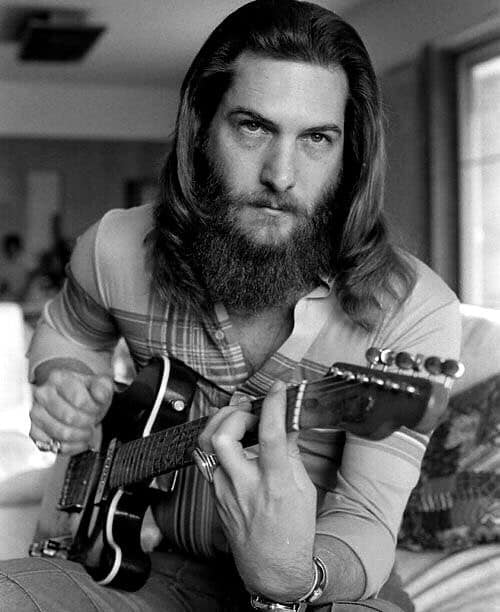
Back in high school, The Blues Brothers soundtrack wasn’t just another cassette—it was one of four tapes that permanently lived in my knapsack. The others were 2112, Speaking in Tongues, and Disintegration. That quartet pretty much explains everything you need to know about my wiring.
This was the 1980s, and yes, I was already an audio nerd—rolling with two Sony Walkmans, a pair of Koss headphones, and a pair of AKGs because redundancy mattered. Used batteries weighed the bag down. What was stuck to them—Doritos residue, melted Sweet Marie, maybe a Coffee Crisp casualty—has been lost to history.
That Blues Brothers tape pulled me headfirst into soul, blues, Chicago, and names I hadn’t grown up with—Cab Calloway included—without ever feeling like homework. Elwood and Jake handled the vocals and harp just fine, but it was Steve Cropper, sitting in the pocket and never asking for attention, who made the whole thing move.
Then one day, someone broke into my locker at school. The Rossignol F200 Carbon tennis racket was gone. Both Walkmans disappeared. And yes, I was angry—but the thing that actually hurt was the tape. That tape. Physical evidence apparently wasn’t enough back then, and neither school administrators nor Toronto police felt especially motivated to recover anything. DEI, before it had a name. Let’s just say revenge is a dish best served cold—and it gets very cold in Timmins in December.
Born October 21, 1941, in Dora, Missouri, Steve Cropper—often called “The Colonel”—was the house guitarist at Stax Records and a core member of Booker T. & the M.G.’s. That job description sounds modest until you look at the work. Cropper backed and produced records for Otis Redding, Wilson Pickett, Sam & Dave, Carla Thomas, Rufus Thomas, Johnnie Taylor, and others who defined what soul music sounded like on the radio in the 1960s. Neil Young passed through the room, too. This wasn’t a guest spot situation—it was the house band. If the light was on at Stax, Cropper was probably there.
He co-wrote “(Sittin’ On) the Dock of the Bay” with Otis Redding, “In the Midnight Hour” with Wilson Pickett, and “Knock on Wood” with Eddie Floyd. He played on “Soul Man”, which earned him the rare honor of being mentioned by name in the lyrics. When the Blues Brothers later covered the song, John Belushi repeated the favor. Subtle? No. Accurate? Yes. Cropper later joined the Blues Brothers band, which explains why that whole thing worked at all. Elwood and Jake sold the joke; the band made sure it didn’t fall apart—we have both kinds of music here, country and western, and somehow it still grooves.
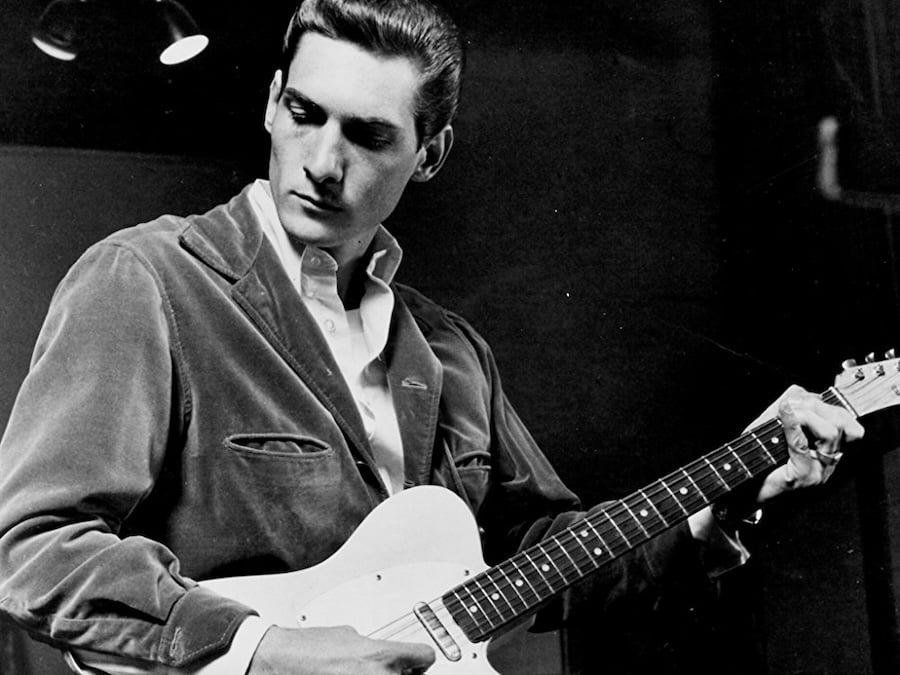
That approach carried across hundreds of recordings—enough that it’s reasonable to ask whether he appeared on more influential records than almost anyone else of that period. Possibly. But the bigger point is that you don’t notice him until you take him away—and then everything sounds wrong.
Booker T. & the M.G.’s were inducted into the Rock and Roll Hall of Fame in 1992. Cropper died on December 3, 2025, in Nashville, Tennessee, at 84. When I hear Steve Cropper now, I don’t think about credits or charts. I think about that battered Blues Brothers cassette, a Walkman humming in my bag, and the moment when soul and blues stopped being something old and became something necessary. Country, western, soul, whatever was on the menu that night, Cropper played it like it mattered. Because it did.
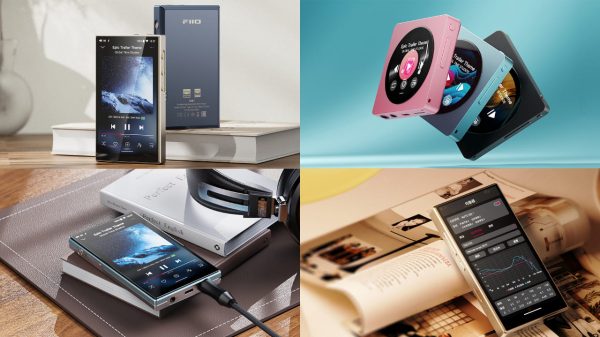
FiiO Air Link: It Sends Bluetooth. In Hi-Res. To Headphones.
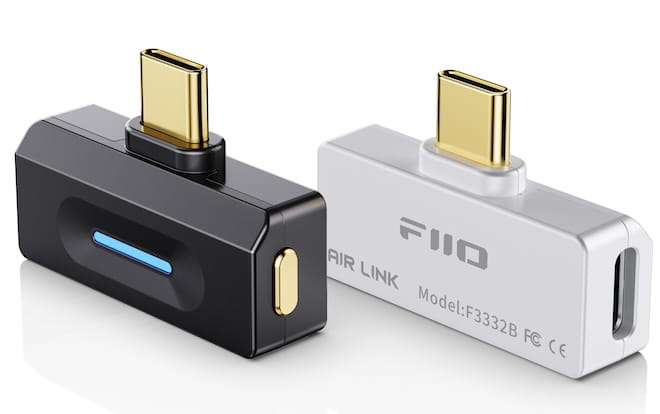
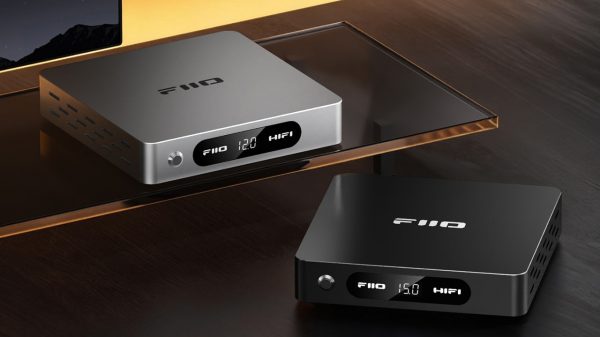
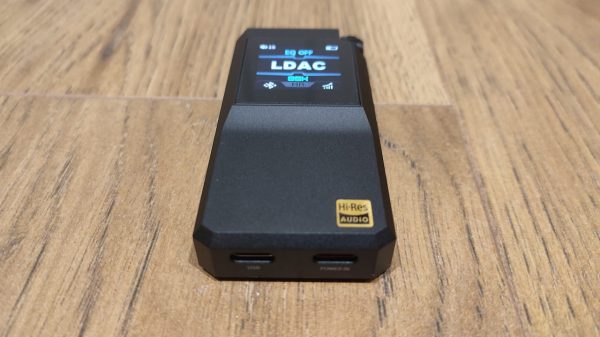
The FiiO Air Link is small enough to disappear between couch cushions, a hospital blanket, or whatever bag you panic-packed on the way out the door. Don’t let the size fool you. This is a pocket-size hi-res wireless-friendly Bluetooth transmitter built to do one thing well: make smartphones, tablets, and desktops behave like they were always meant to work properly with modern wireless headphones and speakers.
It’s built around Qualcomm’s QCC5181 chipset, supports Bluetooth 6.0, and handles LDAC, aptX Lossless, aptX Adaptive, and aptX HD, with transmission up to 96kHz/24-bit. Latency drops to around 50ms in low-latency mode, which is good enough that video stays in sync and nothing feels distractingly off. Multipoint is supported, range is quoted at over 50 meters, and it weighs about 5 grams, which is roughly nothing unless you’re already carrying three hospital wristbands and an IV line.
The hospital setting kept everything confined to my room, so I can’t say much yet about range or how the Air Link handles thick walls, interference, or a floor full of medical equipment. That will have to wait for a less controlled environment.
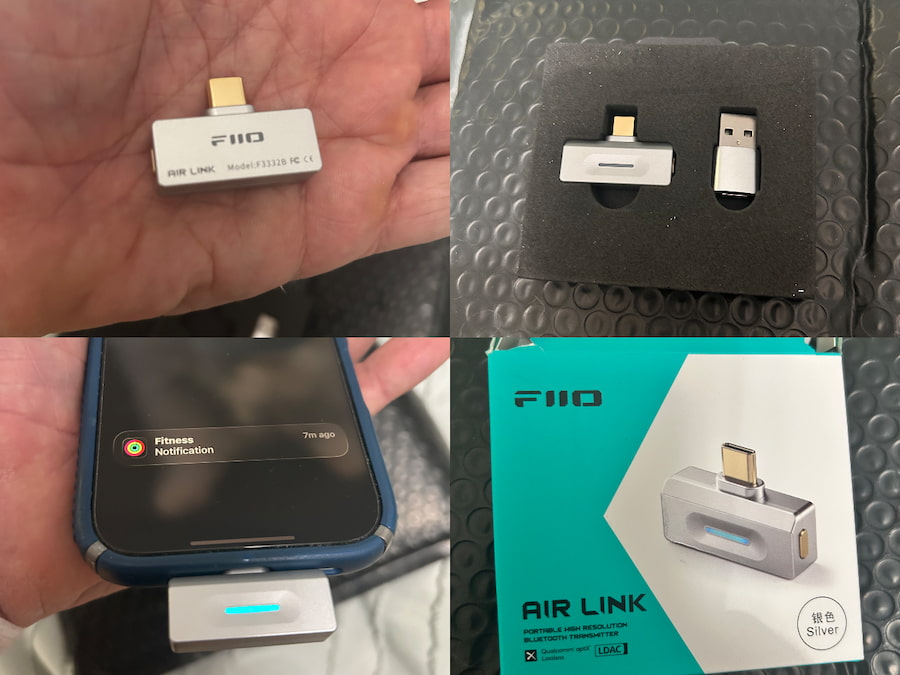
The FiiO Air Link plugs directly into your source using a USB-C male connector. If your device is still stuck with USB-A, FiiO includes a USB-C to USB-A adapter, so nothing fancy is required. On the left side of the Air Link is a second USB-C port that handles pass-through charging, letting you keep a phone, tablet, or laptop powered while the dongle is in use. Charging is limited to standard 5V, so you won’t get fast-charge speeds, but in practice it was enough to keep things moving.
Battery draw also wasn’t a problem. The Air Link didn’t drain my devices at an alarming rate, and when I needed to top things up, my daughter’s portable Anker charger handled that duty without complaint. In a hospital room where outlets are limited and everything else seems to need power more than you do, that matters.
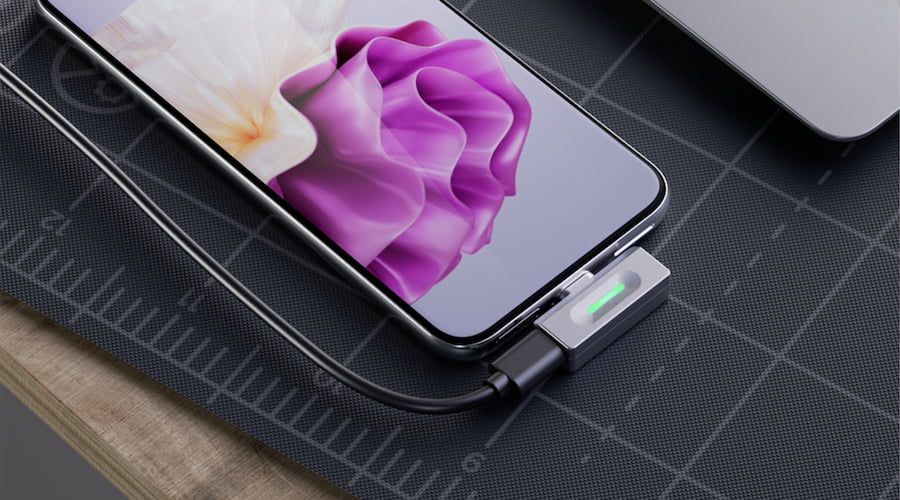
On the right side is one multi-function button for pairing, resetting, and cycling Bluetooth codecs, along with a small RGB LED ring in the center. The colors are straightforward and useful: white for LDAC, green for aptX Adaptive or Lossless, yellow for aptX HD, purple for aptX LL, blue for SBC, and a red/blue flash during pairing. You don’t have to guess what codec is active, which is refreshing.
The FiiO Control app is required. On iPhones and iPads, pairing happens over Bluetooth since the Air Link isn’t MFi certified. Through the app, you can update firmware, enable or disable specific codecs, manage paired devices, and see what codec is currently in use.
One clear limitation: Apple’s own audio gear. AirPods and their cousins are locked to SBC and AAC, so there’s no upside to running them through the Air Link. You’re better off pairing AirPods directly to an iPhone or iPad and calling it a day.
I also ran into some initial pairing weirdness with the Air Link on an iPad and an HP laptop. Nothing dramatic, but I did have to reboot both a few times before things settled down and stayed stable. Once they did, the connection held.
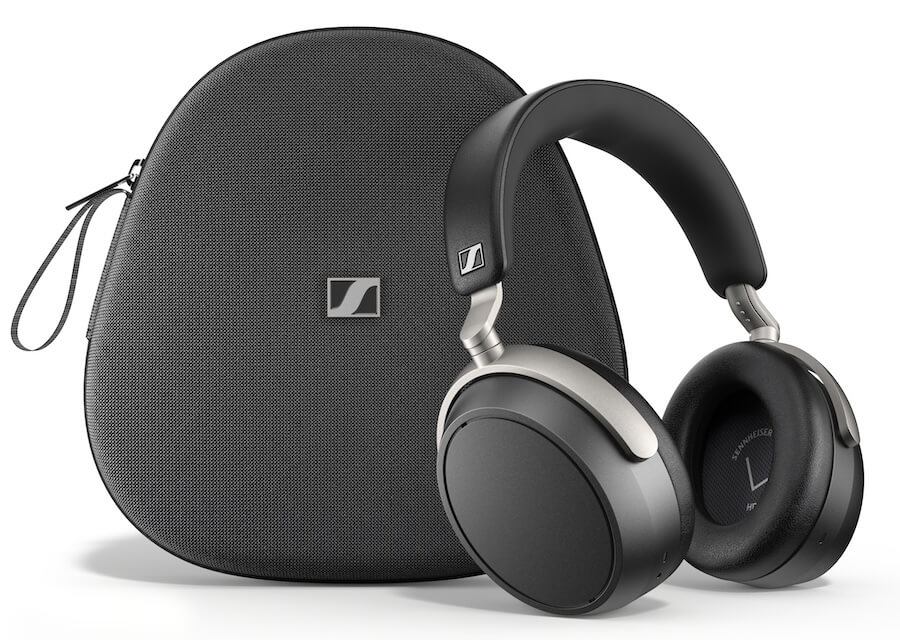
I packed my Sennheiser HDB 630 wireless headphones and the SOUNDPEATS Air5 Pro+ for the hours when the lights are dimmed, you’ve reached your limit with terrible kosher hospital food, and a nurse shows up every 27 minutes to check something that was fine 10 minutes ago. Add the constant Code Blue announcements over the PA from the pediatric and post-op wards, the sound of clogs rushing down the hallway, and the slow creep of narcotics after a complicated surgery, and it gets sobering fast.
Did it sound better? Yes. Not life-altering, not “you won’t believe this,” and definitely not worth pretending otherwise. The Sennheiser HDB 630 were more my speed in this setting and far easier to live with. The SOUNDPEATS Air5 Pro+, while impressive for the money, fell out a few times. There’s nothing quite like having to ask a nurse to help locate an earbud on the floor to really endear yourself to the staff. That went about as well as you’d expect. No sponge bath this evening.
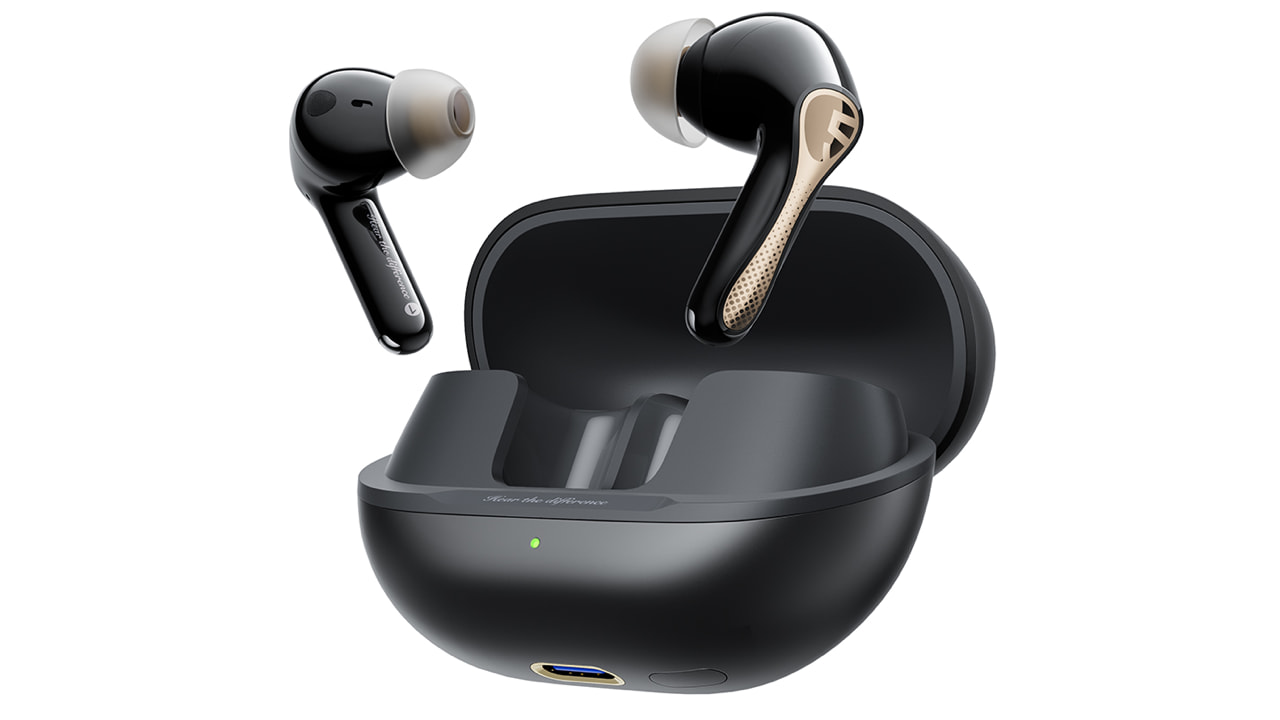
Was it better than basic SBC or aptX? Sure. Definitely cleaner overall, with bass that felt a bit less squeezed, especially on the earbuds, which are tuned that way to begin with. But this was not a night-and-day transformation. Worth having if you care about incremental improvements, absolutely. Just don’t expect a codec switch to turn good wireless headphones or entry-level wireless earbuds into the Bowers & Wilkins Px8 S2, Focal Bathys MG, or something truly high-end like Campfire Audio’s Andromeda 10 IEMs plugged into a serious DAP. Physics, tuning, and hardware still matter.
I did run into a strange issue when switching the earbuds to aptX Lossless. Volume dropped noticeably even though I hadn’t changed any levels on the source or the headphones. That suggests either a firmware quirk or a handshake issue between aptX Lossless and the SOUNDPEATS, but I can’t say for sure yet. It’s something I’ll need to revisit once I’m home and out of the hospital, with fewer variables in the mix.
Until I get home and try the Air Link with my MacBook Pro, iMac, and the new iPhone 17 Pro—along with the growing stable of high-end wireless speakers I own—I’m treating this as a set of early impressions formed under the influence of pain-killing narcotics. I’m assuming both Apple computers will work without issue, but that will be confirmed once I’m upright and the medication schedule is less ambitious.
Wharfedale Diamond 12.3: Discontinued, Not Forgotten

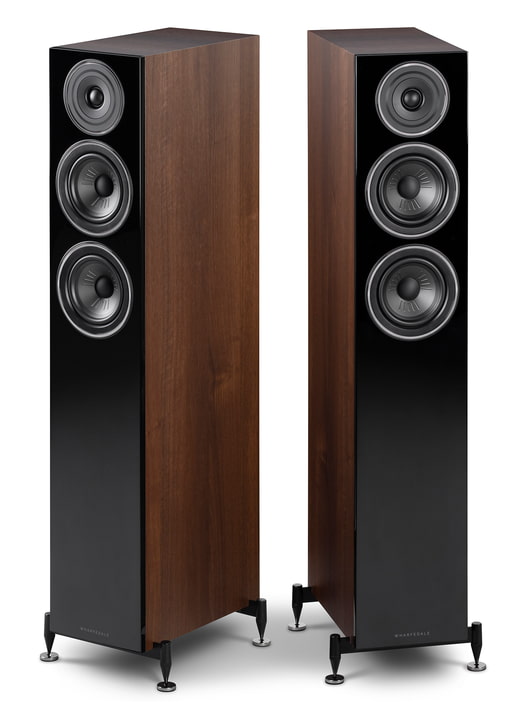
Nothing irritates me more than watching a genuinely good product get discontinued. Not “fine for the money” good. Actually good. That said, in the case of the Wharfedale Diamond 12.3, I get it. This speaker hung around for more than three product cycles, which tells you everything you need to know. It sold. It worked. It filled a real gap at a price point where competition looks crowded on paper but thins out fast once you start listening. Wharfedale didn’t rush it off the stage either. They waited until they had something meaningfully improved in the pipeline with the Diamond 12.3i before pulling the plug.
We liked the Wharfedale Diamond 12.3 enough to put it on our Editors’ Choice Best Floorstanding Loudspeakers list more than once, and it would have earned another spot in 2025 without hesitation. Before my surgery, I spent time with one of the last pairs to come off the line, which let me compare it directly to the Wharfedale Super Denton—a speaker that did take home a 2025 Editors’ Choice Award, with the full review coming next week. I also ran the Diamond 12.3 with the Quad 3 Integrated Amplifier, and the results were consistent and reassuring.
Sonically, the Diamond 12.3 is balanced but punchy, with clear articulation and excellent midrange resolution, which is where most of the music lives anyway. The top end is clean and open without tipping into over-detail or fatigue, and the bass has real weight and control for the price. They’re engaging without being pushy. Build quality is excellent, and they look far more expensive than they are, which never hurts. They’re also easy to drive, don’t complain when you give them more power, and scale up well with better electronics. Quad, Audiolab, NAD, Leak, Cambridge Audio, Rega, Emotiva, WiiM, Topping, Fosi, Advance Paris, and Rotel all make sensible partners here.
There’s always a segment of the internet that gets misty-eyed about where speakers are made, and Wharfedale—along with other brands under the same parent umbrella takes the usual knock for manufacturing in Asia. The familiar refrain follows: “Why can’t they make them in the UK?” They could. They do, in fact, make some models there. But not at this price. Unless, of course, you’d prefer to pay double or more, in which case by all means, light the torches. KEF and Q Acoustics also build their value-focused speakers abroad, and the quality speaks for itself. Romanticism is lovely. Affordable, well-engineered loudspeakers are better.
The Wharfedale Diamond 12.3 didn’t disappear because it failed. It disappeared because it stuck around long enough to earn a proper successor. That’s not a tragedy. That’s a company doing its homework and not panicking. Before I started prepping for my hospital stay, I ran the Diamond 12.3 through a small parade of amplifiers I actually live with: the Audiolab 6000A (which I bought over five years ago and still use daily), the Advance Paris A10 Classic (review coming), the WiiM Vibelink Amp, and the NAD C 316BEE V2.
All of them worked, just in different ways. The Vibelink felt a bit underpowered, but at its price it didn’t embarrass itself. The NAD, which is conservatively rated as NADs tend to be, had an upper-bass/lower-mid bump that started to get on my nerves with the Q Acoustics 3050i (now living out its days in our winter place in Florida), but it behaved much better with the Wharfedales from a tonal standpoint. In my new home office, currently under construction as kid #1 moves into her first place after finishing graduate school (yes, proud papa), it’s actually enough power.

The Advance Paris is a little warm by nature, but the power is clearly there. Am I rushing out to spend $3K on an amplifier to drive a speaker this affordable? No. But the combination is undeniably engaging, which is the slightly uncomfortable part. It also made me question whether I sent the MOON 250i V2 back too soon, because it sounds phenomenal with the Wharfedale Super Denton. As I’ve said before, these are speakers you can scale up with.
The Audiolab/Wharfedale pairing, though, is almost perfectly judged. The 6000A is intentionally lean and clean, with a top end that can be a touch hard, but it’s fast, detailed, and very tight down low. No added warmth. No padding. Pair that combo with some entry-level QED or AudioQuest speaker cable and it’s remarkably easy to like.
If you can still find a pair at a dealer or online—and you don’t have a budget padded by offshore accounts—buy them. The Wharfedale Diamond 12.3 will let you build a system that plays music instead of playing status games. Start with something sensible, improve it when you hear a reason to, and ignore the hi-fi snobs who insist you haven’t truly “arrived” until your amplifier costs more than your first car. Those people aren’t listening to music. They’re listening to themselves.
As 2025 limps off the stage, the picture is clearer than the noise would suggest. Yes, tariffs have injected some very real price-tag angst, and no, things aren’t getting cheaper out of sheer goodwill. But 2026 is shaping up to be a genuinely strong year for anyone who cares about performance and value, not bragging rights. You can still build an excellent system for $2,500, $5,000, or even $10,000 that handles music, TV, movies, and includes a perfectly competent headphone amp—without selling a kid or rewriting your personality around gear forums.
Music ownership matters more than ever. Versatility matters. Longevity matters. And no, your $1,000 Ethernet cable, boutique network switch, or $40,000 turntable is not the missing piece standing between you and enlightenment. That’s not “nirvana,” it’s retail therapy with better lighting. Build something smart, live with it, feed it good music, and spend the rest of your time listening instead of explaining yourself. That’s the lesson of 2025—and it’s the right way to walk into 2026.
Related Reading:
- Best Floorstanding Loudspeakers: Editors’ Choice
- The Biggest Consumer Audio & Video Stories Of 2025: What Mattered, What Changed, And Why Content Still Rules
- Stranger Things Strike Again: IsoAcoustics, IsoTek & The Great Weiner Resurrection: Editor’s Round-Up
- Antonio Meze’s Headphone Legacy, Violectric’s HPA V324 Amp, Popori Acoustics, And The Price Of World Series Dreams: Editor’s Round-Up
















Larry
December 31, 2025 at 10:53 am
Hi Ian,
Glad the hospital detour went well. With luck it will be decades before you’re back.
Rest up,
Larry
Ian White
December 31, 2025 at 11:13 am
Larry,
Thank you for the kind words. With luck, I’ll be back to my old (and much thinner and healthier) self over the next few months. Some of the worst wounds are self-inflicted. At least the apple juice and jello were good.
Happy New Year.
IW
Michael Little
December 31, 2025 at 2:51 pm
Great year end wrap up Ian, I hope your recovery is quick and I am looking forward to your teams 2026 discoveries.
Happy New Year
Mike
Ian White
December 31, 2025 at 3:10 pm
Michael,
Appreciate the kind words. My nurses are bugging me about which TV and headphones to buy in 2026. I should open a store here. Happy New Year!
IW
Antonio Gaspari
December 31, 2025 at 4:39 pm
Utterly amazed but not surprised that you wrote an end of year piece from a hospital bed. I may not agree with all of your reviews but your commitment to first rate writing and editorial definitely sets you apart from the rest of the industry. You are a professional in an industry filled with rather amateurish and less talented peers. I think I counted more than 30 expert channels covering the same topics and none of them convinced to buy anything. All shills. Darko and Tarun are the only legitimate ones.
Steve Cropper was wonderful and thanks for including that Blues Brothers clip. So many songs did that man create.
The FiiO is confusing to me. If the sonic results are not game changing, why buy it?
I’ll chalk up your lukewarm enthusiasm to the pain medication.
Wishing you a speedy recovery and Happy New Year.
Ian White
December 31, 2025 at 4:55 pm
Anton,
It was that kind of year. Hope to not repeat. My mental and physical health took a beating but I pushed through. It was fun writing in bed. Better than moaning and kvetching about how painful the surgery was. Nurses got an early read. It’s ok to not agree with my review conclusions. I’m perfectly ok with that. I appreciate the praise but there are some talented writers (many work for eCoustics) in the industry. I agree about YouTube. I watch John and Tarun and enjoy their work very much. Darko actually knows that he’s talking about and he can write well. We’ve done videos with Tarun and know him well. Solid person without an agenda and he’s not blowing smoke up viewers arses. I’m allowed to write that because I’m on pain killers and the filter is low.
Steve Cropper was a national treasure. I loved his music.
The FiiO actually offers a lot of value. I’m dying to try it at home with my iMac and MacBook to see how it works with wireless headphones and speakers. It does offer a lot if the gear on the other end can work with it.
Happy New Year to you as well.
IW
Catherine Lugg
January 1, 2026 at 2:07 pm
Ian,
Here’s hoping you are quickly discharged and happily on your way to better and better. I really appreciate all of your efforts, even if the hospital bed writing raises my eyebrows. Happy New Year!
Ian White
January 1, 2026 at 2:53 pm
Catherine,
My family were less than happy with me working in the hospital but it was something to pass the time and not focus on the pain. I’m finally home. I have a new legion of nurse readers. We have so many CES stories already written and edited for publication starting on the 4th (team will be in Vegas) that you’ll have a lot to read starting on Sunday. Next week will be a 40 story week from the team. Happy New Year and nobody make me laugh or cough. #stitches
IW
DimitriMark
January 2, 2026 at 6:49 am
“ignore the hi-fi snobs who insist you haven’t truly “arrived” until your amplifier costs more than your first car. Those people aren’t listening to music. They’re listening to themselves”
“Romanticism is lovely. Affordable, well-engineered loudspeakers are better”
“performance and value, not bragging rights”
Very well said! Thank you, thank you and thank you!
Get well soon.
Ian White
January 2, 2026 at 10:34 am
Jim,
Amen to that. A lot of really good affordable gear coming this year. With a few detours along the way. Happy New Year.
IW