
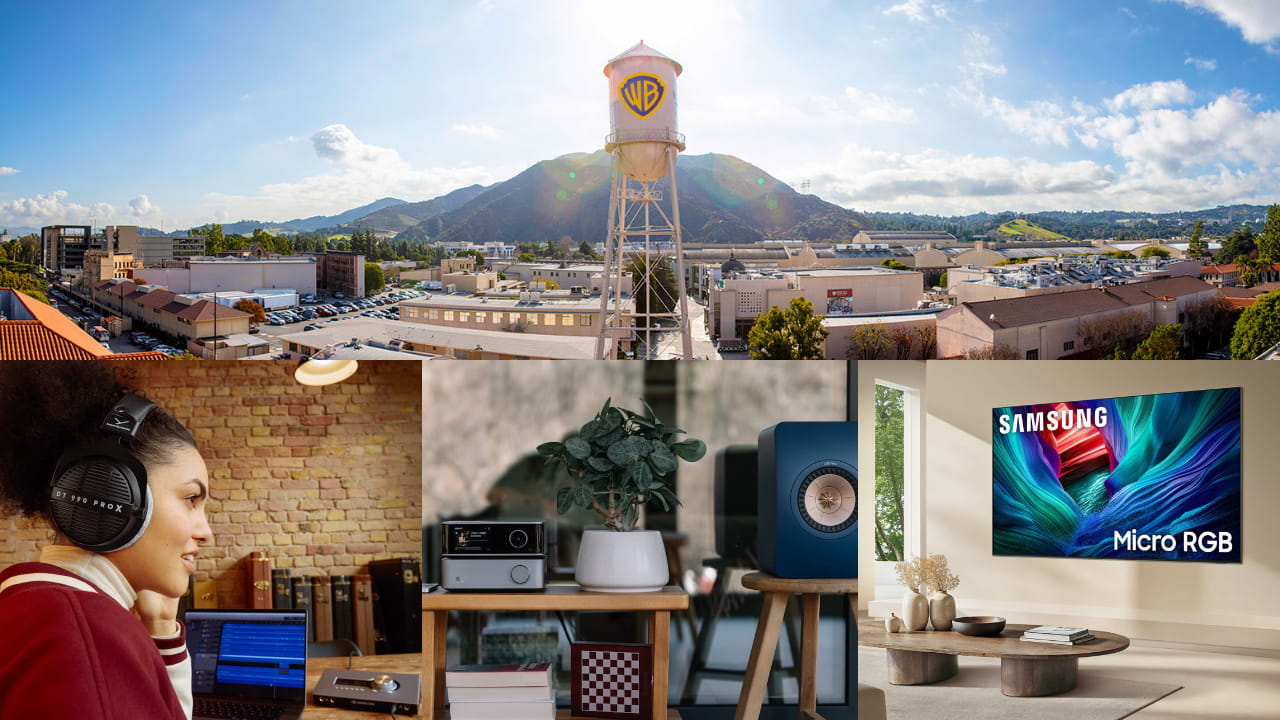
In 2025, consumer A/V and media stopped being about better gear and started being about power, ownership, and control—who owns the content, who controls distribution, and who ultimately decides what we get to watch and hear. That reality snapped into focus in Q4, when Netflix and Paramount entered a high-stakes bidding war over Warner Bros. and HBO—a battle not just for studios, but for libraries, franchises, and long-term survival in an industry finally confronting its own economic limits.
Netflix vs. Paramount: The Streaming War Gets Real

This wasn’t corporate chest-thumping or negotiation theater—it was a knife fight over one of the deepest libraries of film and television intellectual property ever assembled, assets that still generate real money when managed properly. In a streaming market finally coming to terms with the limits of endless subsidies and subscriber churn, this battle was about survival, scale, and who gets to own the cultural back catalog when the growth story runs out.
Netflix didn’t stop at checkbooks. It went straight to infrastructure, committing $1 billion to a state-of-the-art TV and film production complex on the Jersey Shore, slated to open in roughly 24 months. At a moment when the industry keeps insisting content is “platform-agnostic,” Netflix made the opposite point with brutal clarity. Owning the pipeline from soundstage to screen still matters. Paramount followed by securing a long-term lease for a new studio that still has to be built in Bayonne, reinforcing New Jersey’s rapid evolution into what is increasingly being called Hollywood East, not just a convenient tax-credit workaround.
For local residents like myself, living roughly two miles from Netflix’s front gate, the impact is already impossible to ignore. Construction is booming well ahead of opening, home prices have doubled, property taxes have exploded, and the influx of New Yorkers has already begun. The next wave, Hollywood talent, production crews, and the ecosystem that follows them, isn’t speculative. It’s scheduled.
Unsurprisingly, local social media boards have gone feral, spinning conspiracy theories about “Jewish money” taking over, an especially ridiculous claim in a region that is already roughly 20% Jewish and has been for decades. The hysteria says far more about fear of rapid change than it does about who is actually moving in. What is real is this: Netflix and Paramount didn’t just invest in content. They invested in land, labor, and permanence.
Streaming Music in 2025: Lossless Arrives, Behavior Doesn’t Change
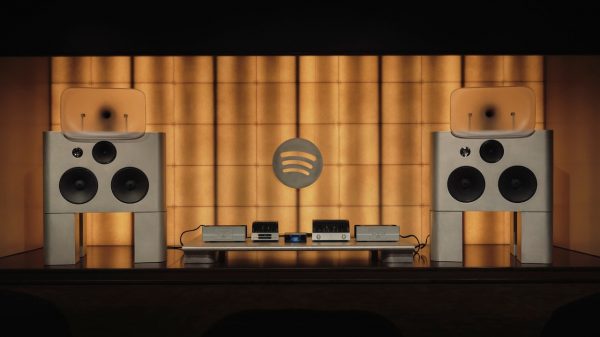
On the music side, Spotify finally launched Lossless after years of treating it like a mythological creature that might appear if you believed hard enough. The real question was never whether it arrived. It did. The question was whether it changed behavior. Lossless brought Spotify into feature parity with Apple Music, Amazon Music, TIDAL, and Qobuz, all of which had been offering high resolution audio for years without the suspense campaign.
What it did not do was bring Spotify into performance parity. The 24-bit/96kHz and 24-bit/192 kHz streams available on the hi-res platforms still sound better on resolving systems, with more space, texture, and tonal depth. Audiophiles noticed. Most consumers did not. Convenience, playlists, and habit still beat file size, and arguing otherwise in 2025 feels like denial with better DACs.
Spotify’s year was not without turbulence. A widely reported hack raised fresh concerns about music file security, while AI quietly crept deeper into streaming platforms across the board. Recommendation engines grew more aggressive, playlists more automated, and discovery more efficient but also more homogenized.
At the same time, subscription pricing finally appeared to stabilize after years of incremental hikes. Consumers may not love what they’re paying, but at least the meter stopped spinning for the moment, which probably did more to retain subscribers than Lossless ever could.
Vinyl, Reissues, and the Business of Ownership
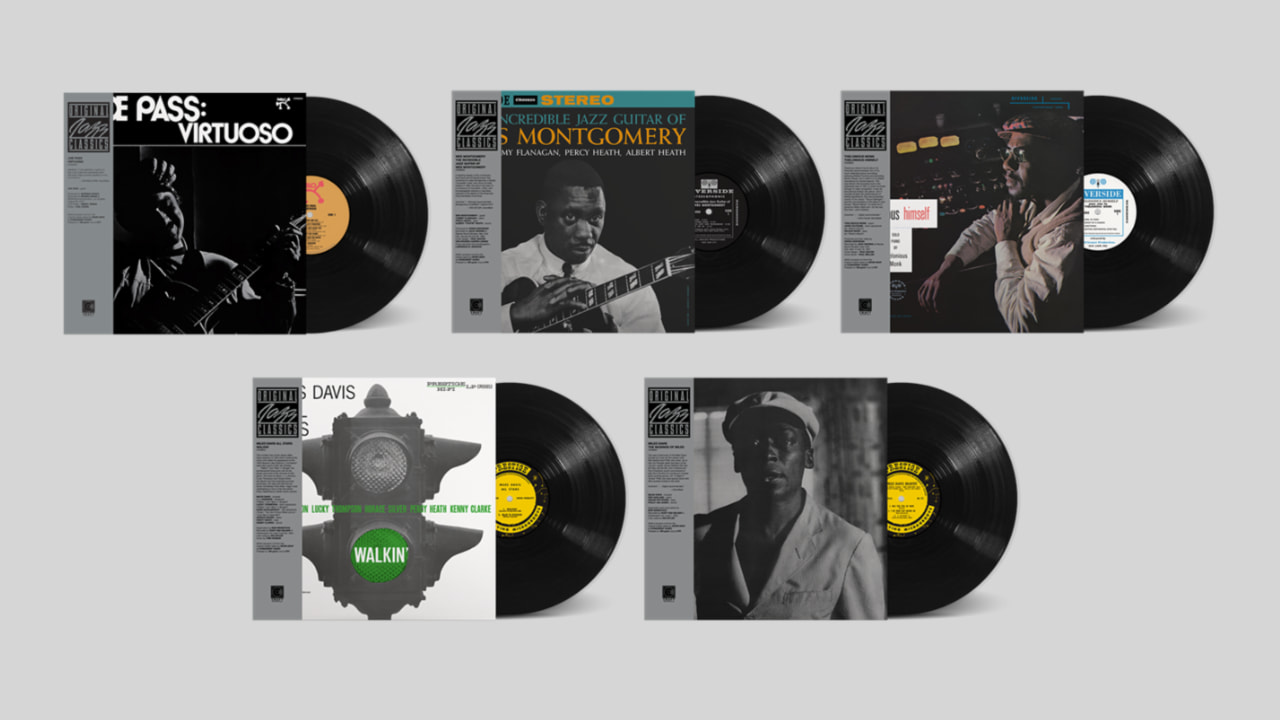
Culturally, 2025 felt like a surprisingly ho-hum year for new music. There were hits, streams, and viral moments, but very little that felt built to last. The most compelling releases came from the reissue market, where labels doubled down on premium pressings, careful mastering, and packaging aimed squarely at collectors. Craft Recordings stood out in particular, delivering consistently excellent releases for fans of jazz, blues, soul, and classic rock, and reminding listeners why great recordings still matter when they are treated with care.
Big artists still dominated the headlines. Taylor Swift continued to sell millions of albums and move the industry at scale, but much of the music itself proved easy to consume and just as easy to forget. Streaming rewarded momentum, not memory. Against that backdrop, vinyl’s slow and steady growth made more sense, driven less by new releases and more by archival titles that felt worth owning. Both editions of Record Store Day remained hugely popular in 2025, reinforcing a simple truth the industry keeps relearning: people still like music they can hold, catalog, and come back to on their own terms.
Recent research only reinforced what record store owners have been muttering under their breath for years. Roughly 40 percent of people currently buying vinyl records don’t actually own a turntable. Among audiophiles and older listeners, playback still matters. Setup, pressings, mastering, and equipment are the point. For the 18–25 crowd, vinyl has become something else entirely. It’s about collectibility, artwork, limited editions, and physical ownership in a streaming world where nothing really belongs to you.
The irony is obvious but not accidental. Vinyl ownership matters more than vinyl playback for a growing slice of buyers, and the industry has quietly adjusted. Deluxe packaging sells. Ultra-limited pressings sell. The act of listening is optional. In 2025, that may sound backward, but it’s also the most honest explanation for why vinyl keeps growing even as turntables remain a niche purchase.
Box Office Reality Check: Kids Win, Superheroes Struggle
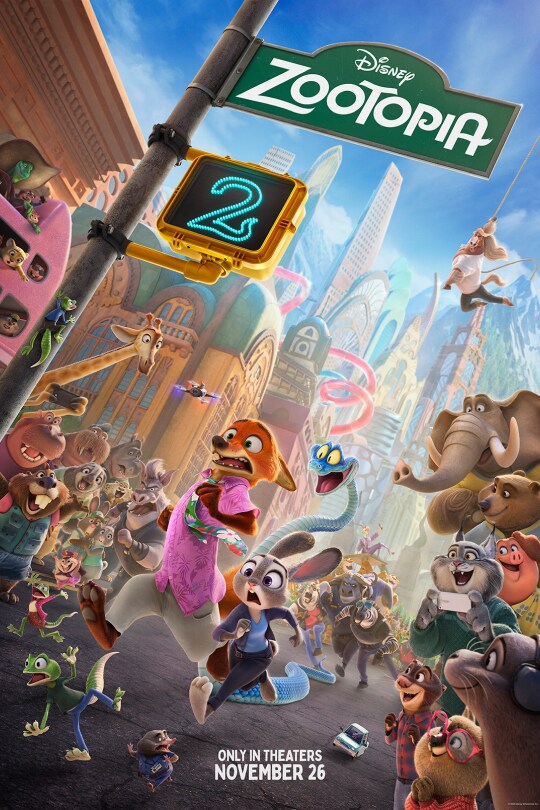
The box office told a similarly uncomfortable story in 2025. Yes, theatrical still mattered, but mostly when the movies were aimed squarely at kids. Zootopia 2, Lilo & Stitch, and A Minecraft Movie dominated the year, reinforcing what studios quietly admit but rarely say out loud: families still show up, and they show up reliably. That success came at a cost elsewhere.
Three Marvel releases struggled to justify their budgets, and when the global totals were added up, Zootopia 2 outgrossed Thunderbolts, The Fantastic Four: First Steps, and Captain America: Brave New World combined. That’s not a rounding error. That’s a warning sign for a franchise model built on ever larger budgets and diminishing returns.
Other long-reliable brands simply weren’t part of the conversation. Star Wars was effectively absent from theaters in 2025, even as Andor Season 2 proved on television that the franchise still has creative life when handled carefully. Meanwhile, the year’s surprise momentum came from cult and genre titles. Weapons, Sinners, The Conjuring: Last Rites, and Demon Slayer: Kimetsu no Yaiba Infinity Castle collectively delivered roughly $1.8 billion worldwide, proving that audiences will still show up when the budget makes sense and expectations are aligned.
Superman landed solidly, while genuinely strong films like F1: The Movie, One Battle After Another, and Marty Supreme stood out precisely because they were exceptions. Q3 and Q4, however, were brutal. Dozens of releases lost money, and not small amounts. Hollywood will likely eke out a modest year-over-year gain for 2025, but five years after the pandemic, this is not an industry firing on all cylinders.
Physical Media Anxiety: Why Collectors Are Buying Now
All of this circles back to the escalating Netflix and Paramount battle over Warner Bros. and HBO. The anti-Netflix argument claims that a takeover would doom theaters by shortening theatrical windows before films head straight to streaming. That concern isn’t baseless, but it ignores a key reality. Most movies make the vast majority of their money in the first two weeks of release, when awareness and urgency peak. If windows shrink, theaters become the obvious losers, while studios protect margins by shifting audiences faster to owned platforms.
Physical media fans see the writing on the wall and are already buying what they can, assuming Warner Bros. disc releases will eventually disappear once the ink dries. But the decline of physical media began long before this moment, driven by retailers like Best Buy and Target abandoning shelf space years ago.
The harder truth is less convenient. Hollywood’s real problem isn’t Netflix. It’s that too many movies are either $300 million comic-book gambles or the tenth remake of something that didn’t need to exist in the first place. Audiences aren’t rejecting theaters. They’re rejecting mediocrity. Until studios start making better movies, the rest of the debate is just noise.
A New Golden Age of Television—with Some Cracks Showing
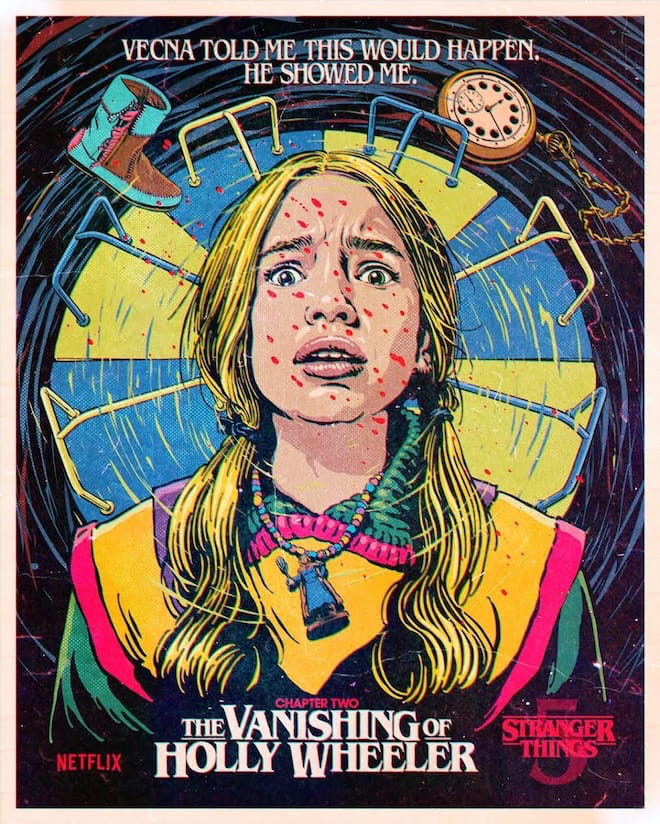
And yet, amid the confusion, we’re unmistakably in a new Golden Age of television. Shows like Stranger Things and a deep bench of prestige dramas and genre hits proved that long-form storytelling didn’t just survive the streaming era, it adapted faster than film ever did. TV learned how to pace itself, take risks, and stay culturally relevant beyond a single opening weekend.
It also learned that audiences have an apparently limitless appetite for serial-killer content, which exploded again in 2025. Whether that’s healthy is debatable. What’s not debatable is that Charlie Hunnam may never live down his macabre and frequently laughable performance in Monster: The Ed Gein Story. That accent didn’t just miss the mark, it became the meme of the year, endlessly clipped, mocked, and replayed long after the show itself faded from memory.
The one real downside of all the Stranger Things hype finally arrived with its conclusion. Season 5 of what may be the most popular television series in the world landed with a thud, trading tension and invention for bloated sentiment and narrative wheel-spinning. The Upside Down, once genuinely unsettling, now feels more like a haunted house you’ve walked through too many times.
It’s hard to shake the feeling that the Duffer Brothers somehow managed to make a finale less compelling than the last season of Game of Thrones, which is not an achievement anyone should be chasing. Still, even its stumble underscores the larger point. Television took bigger swings in 2025 than film did, and even when it missed, it remained the most vital storytelling medium in consumer media.
TV Technology Overload: Better Pictures, More Confusion
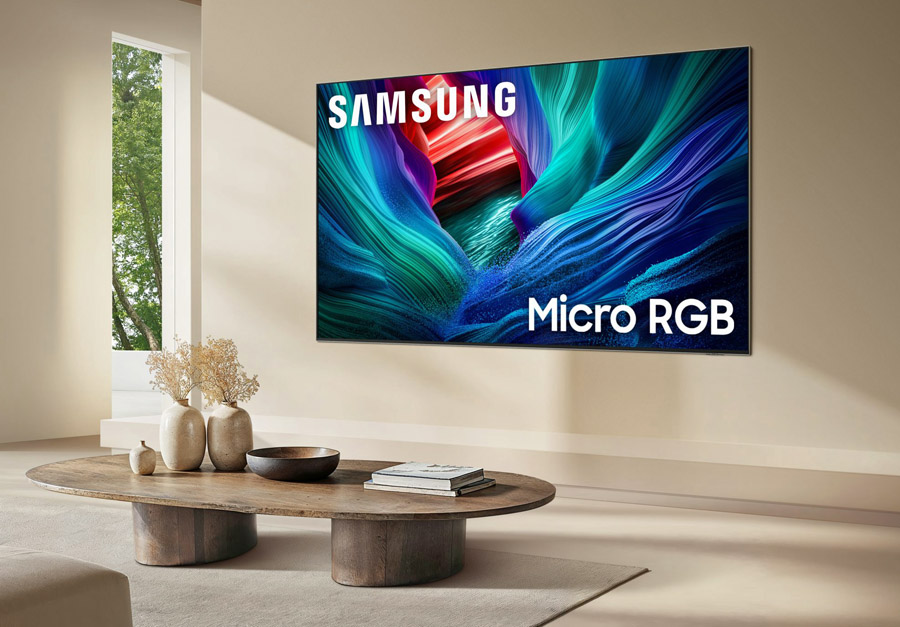
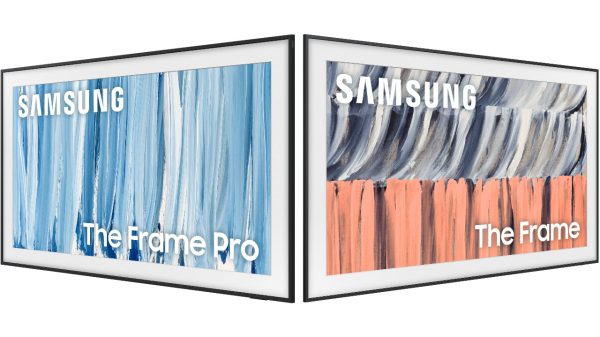
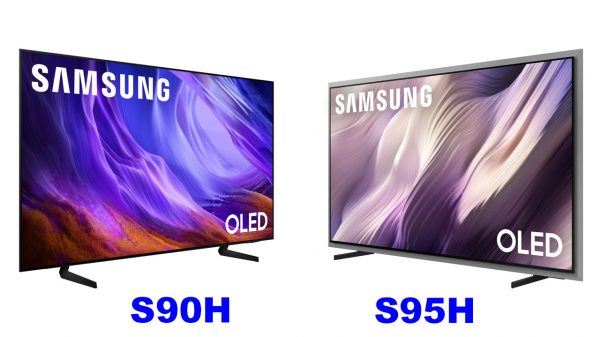
TV technology did consumers no favors in 2025. Manufacturers worked overtime trying to move the needle on display tech, but the result was more confusion than clarity. Shoppers were once again asked to choose between OLED, QD-OLED, Mini-LED, MicroLED, Micro RGB LED, and a stack of HDR formats that sound more like software patches than viewing experiences. AI pushed deeper into picture processing, upscaling, tone mapping, and content discovery, often improving image quality while also making TVs feel like opinionated roommates who won’t stop adjusting the lights. Displays have never looked better. Understanding what you’re actually buying has never been harder.
We spent time up close with first-generation Micro RGB LED, and while the promise is real, so is the price. Color purity, brightness control, and long-term potential are impressive, but these sets are not headed for mass affordability anytime soon. They’re technology statements, not mainstream solutions. Meanwhile, screen sizes kept ballooning. You can absolutely score aggressive deals on 98-inch and 100-plus-inch TVs from brands like Hisense and TCL, but then reality shows up at your front door. These things are hard to move, hard to install, and borderline absurd to maneuver in real homes. Try carrying a 100-inch TV down a flight of stairs and tell me how much you saved.
Which is exactly why projectors are still very much relevant. From a logistical perspective alone, they make far more sense for a lot of households. Lifestyle projectors and ultra-short-throw models avoid the moving-glass nightmare entirely, scale more easily, and don’t permanently dominate a room. Not everyone wants a 100-inch slab of glass bolted to their wall, and screens still have the magical ability to disappear when they’re not in use.
Expect projectors, especially lifestyle models and USTs, to be a major focus at CES 2026, and honestly, that’s probably a healthy correction. How people watch is evolving, and it’s no longer just about bigger panels. It’s about flexibility, space, and not turning your living room into a permanent electronics showroom.
Affordable High-End Audio: The Best Trend Nobody Should Ignore
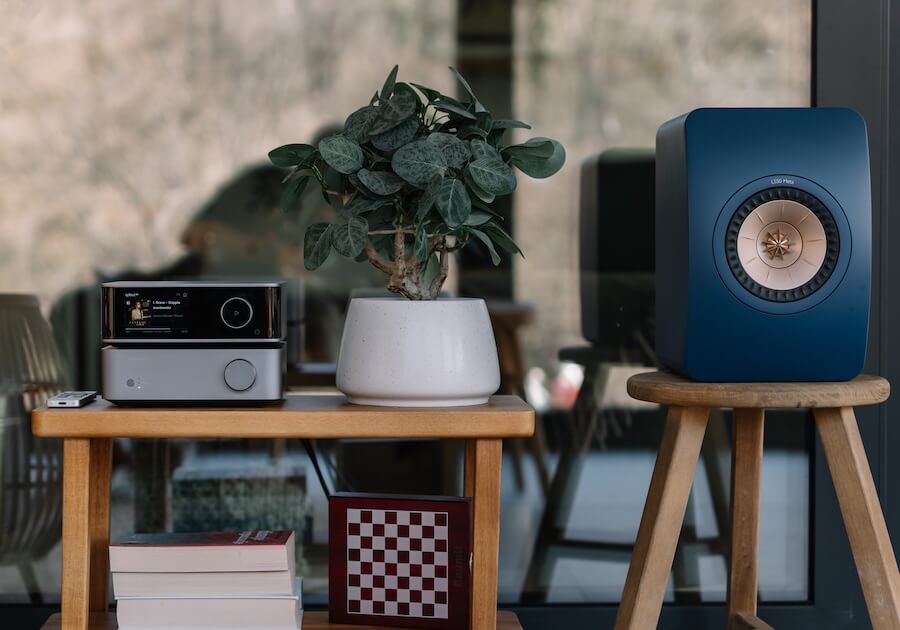
One of the genuinely encouraging trends in 2025 was the continued rise of affordable high-end audio, a category that would have sounded like an oxymoron a decade ago. Brands like WiiM, Topping, FiiO, Bluesound, Shanling, and Eversolo made it increasingly difficult to argue that good sound has to be expensive or complicated. Network players and network amplifiers have gotten better, smarter, and far more reliable, delivering clean signal paths, solid app ecosystems, and real-world performance that would have required a rack full of gear not that long ago.
Wireless loudspeakers followed the same trajectory. Affordable active and streaming-enabled speakers from KEF, Audioengine, ELAC, Triangle, PSB, Q Acoustics, JBL, and DALI continued to close the gap between convenience and serious listening. Even more are coming at CES, and yes, we’ve seen them. No, we can’t talk about them yet. But the direction is clear. Better sound, fewer boxes, and less friction between the listener and the music. That’s not dumbing things down. That’s progress.
A big part of why this works now is that Class D amplification has finally grown up. The old argument that Class D isn’t “real” high-end audio has crossed from skepticism into full-blown fantasy. Modern implementations are quieter, faster, more efficient, and more consistent than many legacy designs, especially at sane price points. If Class D wasn’t capable of high-end performance, someone should probably inform NAD, Devialet, Marantz, Orchard Audio, Cambridge Audio, and Naim, all of whom are building serious products around it. The debate isn’t whether Class D can sound good. It’s whether clinging to outdated assumptions makes any sense anymore. The market has already answered that question.
Headphones and Portable Audio: The Smart Money Keeps Flowing

And yet, amid the chaos, one sector just kept winning: high-end headphones and portable audio. This is no longer a niche hobby hiding in forums. It’s a multi-billion-dollar global industry spanning gaming, portable audio, desktop rigs, and professional monitoring, and it keeps growing because it actually fits how people live now. As living rooms got messier and streaming splintered further, serious listening retreated to the personal space, where premium headphones, dongle DACs, desktop DAC/amps, and wireless earbuds with increasingly absurd spec sheets continued their steady climb. Head-Fi has never been more popular, and that isn’t nostalgia talking. It’s math.
Events tell the story. CanJam didn’t just survive, it expanded aggressively, with major shows across North America, Europe, Asia, and now Dubai. That doesn’t happen unless demand is real and sustained. The quality of everything in this category has never been better. Wired headphones, IEMs, dongle DACs, desktop DAC/amps, and wireless headphones and earbuds are all operating at a level that would have been unthinkable even five years ago.
Hi-res Bluetooth is no longer a promise, gaming audio has matured into a serious performance category, and AI is already creeping into noise reduction, spatial audio, and personalization whether people realize it or not. The level of choice is bordering on absurd, and that’s exactly why the smart money keeps flowing here.
Big corporations noticed. Sony didn’t buy Audeze for fun. Beyerdynamic didn’t get scooped up by a massive Asian OEM because the market was slowing down. This is where growth, margins, and innovation still intersect. Personal audio scales globally, travels easily, and doesn’t require a dedicated room, cooperative neighbors, or a structural engineer.
That reality hit home for me during some holiday housecleaning. I realized I own more than 20 pairs of headphones and IEMs, and every single one of them fits on or around my desk in my home office. Try that with a traditional rack system and see how far you get before the conversation turns into an intervention. In a year defined by uncertainty, personal audio remained refreshingly direct. Put them on. Press play. Ignore the noise. It wasn’t just a survival strategy for 2025. It’s starting to look like the smartest long-term bet in consumer audio.
Tariffs, Pricing, and the Cost of Living in 2025

And finally, tariffs. Not the sexiest topic, but impossible to ignore in 2025. Tariffs reshaped pricing across consumer A/V early in the year, and Q1 and Q2 were rough. Manufacturers scrambled, distributors recalculated, and we were flooded with daily requests asking us to revise reviews and news stories to reflect new MSRPs. It wasn’t subtle. Prices moved, sometimes more than once, and consumers noticed. That initial shock did real damage to momentum, especially in value-driven categories where even a $50 jump can change a buying decision.
What’s changed since then is how manufacturers are handling it. The panic phase is mostly over. Supply chains adjusted, margins were reworked, and pricing has largely stabilized, even if it settled higher than anyone would have liked. No one is pretending tariffs didn’t make things more expensive, but companies are navigating them more intelligently now, spreading increases where possible and avoiding the constant whiplash of week-to-week price changes. The industry didn’t solve the problem, but it adapted, which is about as good as it gets in the real world.
How does this play out long term? Probably the same way it has everywhere else. Audio gear got more expensive, but so did everything else. Clothing. Food. Shoes. Utilities. Pick a lane. As the head of a household of six, including a dog who somehow eats better than I do, I don’t need an economics lecture to understand how expensive life has become. Tariffs didn’t break consumer A/V. They just forced it to grow up faster. Value matters more. Expectations are sharper. And consumers are paying closer attention to what they’re actually getting for their money. That’s not the end of the world. If anything, it may be one of the few pressures pushing the industry in a healthier direction.
What Really Matters Going Forward: Content, AI, and Control
And that’s the real takeaway from 2025. Affordable high-end audio is one of the genuinely good stories, and it’s not a small one. Better network players, smarter amps, excellent speakers, and legitimately good headphones at sane prices mean more people can hear what they’ve been missing without taking out a second mortgage. Wider support for hi-res and lossless audio is also a positive, even if it remains a niche. It matters that the option exists. Physical media still has real support, especially where quality and ownership count. At the same time, the upper end of high-end audio remains stubbornly, often hilariously expensive, and no amount of marketing prose is going to convince smarter consumers that a $75,000 component is “essential.”
Consumers are smarter now. They compare more, tolerate less nonsense, and increasingly see through hype. Which may explain why I’ve largely tuned out the endless wave of YouTube channels all reviewing the same products, saying the same things, chasing the same affiliate links. The signal-to-noise ratio collapsed. Hard. The irony is that while everyone argues about gear, the real story going forward isn’t hardware at all. It’s content. Who controls it. Who owns it. And how AI will increasingly decide what we’re shown, what we hear, and what quietly disappears. That influence is already here, and pretending otherwise is naïve.
Meanwhile, social media remains what it has largely become: a cesspool of poorly informed opinions, performative outrage, and casual hate masquerading as insight. You don’t have to participate. You never did. Maybe the healthiest response to all of this is also the simplest. Read a good book. Put on a pair of headphones. Listen to some music without an algorithm nudging you every thirty seconds. In a year full of noise, that might be the most rational act left.
Related Reading:
- Netflix AI Search: Because Apparently, The Algorithm That Keeps Recommending Bad Influence Wasn’t Sensitive Enough
- Netflix Moves To Acquire Warner Bros. And HBO In A Deal That Could Rewrite Hollywood’s Future
- Paramount Launches Hostile Bid For Warner Bros. Discovery As High-Stakes Showdown With Netflix Erupts
- The Head-Fi Bubble, Aavik Goes Nuclear, McMurphy Still Dies, And Wharfedale’s Super Denton Redemption: Editor’s Round-Up




























Anton
December 29, 2025 at 1:27 pm
By far the best summary of 2025 in any of the Hi-Fi magazines. Everyone else is trying to make the case for high priced crap and how great everything is.
Appreciate the deep dive into Hollywood and how movies and streaming are actually doing.
Ian White
December 29, 2025 at 3:14 pm
Anton,
Appreciate the kind words. I think the “content” part of the story is what people need to focus on. Products keep getting better, but people need to understand that access to content is never a given, and AI is already being heavily used to decide what you watch and listen to. Netflix has been testing this abroad for a year and it’s definitely part of the platform now. Same with the music platforms. Qobuz’s recent Reddit Q&A even focused on the topic with a commitment from them to work hard to keep AI-created music off their playlists. Spotify has already allowed it to happen. I suspect the other platforms will fail at keeping it off.
IW
Paul
December 29, 2025 at 10:52 pm
Ian – your articles are the hardest hitting and most realistic I am reading across all the many hifi websites I (sadly) scour daily. Whilst I don’t agree 100% with everything you write, your observations about class d, high prices, legacy audiophiles, active speakers etc are always spot on.
Ecoustics is now in my top 3 daily reads. I appreciate the way you also call out the ‘cack’ (an English word) when you hear it, or smell it!
Ian White
December 29, 2025 at 11:14 pm
Paul,
Appreciate that very much.
Just getting started on the shite.
Happy New Year!
IW
Emiko
December 30, 2025 at 5:06 pm
Ian, well said. I thoroughly enjoyed your article and was very glad to read a lot of what you perceived. You’ve honed in on a lot of what others have missed and – on some of the lines, you’ve said out loud what I’ve been thinking and observing for a while. Thank you for putting it in print!
Ian White
December 30, 2025 at 7:31 pm
Emiko,
Appreciate the kind words and I’m glad that what I wrote seems to have resonated with others. My nurse just told me to put my phone down and let her do my bandages. Had stomach surgery this morning and currently responding from my hospital bed.
Happy New Year!
IW
Catherine Lugg
December 31, 2025 at 2:03 pm
Ian:
First of all, Happy New Year!! Second, thank you and to your team for keeping us informed about all things audio, visual, etc. I concur that affordable hi-fi has been a game changer. It means ART is available to more and more people. In my professional opinion (former musician and music teacher), this is a wonderful and life enhancing development. Here’s to MORE great news in the coming year. BRAVO!
Ian White
December 31, 2025 at 2:24 pm
Catherine,
And may it continue. Happy New Year to you as well from my warm and cozy hospital bed. It’s been a fun week. All good on my end. Already feeling better. And thinner.
IW
Asa
January 2, 2026 at 6:13 pm
Happy 2026, and speedy recovery, Mister Ian. Thank you to the ecoustic team for keeping us all informed in the ever changing world of audio/video.
I’ve only spent one evening in my life in a hospital (animal bite that went south), and ended up walking around half the evening chatting with the staff. They were probably glad to get rid of me. Like you, I got no sleep due to the ever-present intercom coding and IV changes.
Cheers,
AB
Ian White
January 2, 2026 at 11:20 pm
Asa,
How I survived 2026 is definitely going to end up in a book.
I’m not a big fan of hospital stays -people tend to pick up other ailments unrelated to the initial diagnosis and croak.
We had a great year as a team and 2026 will be even stronger.
IW