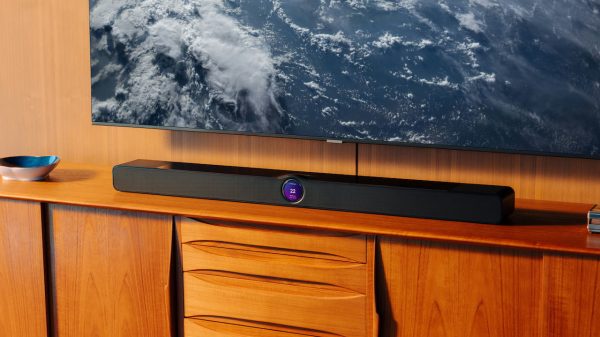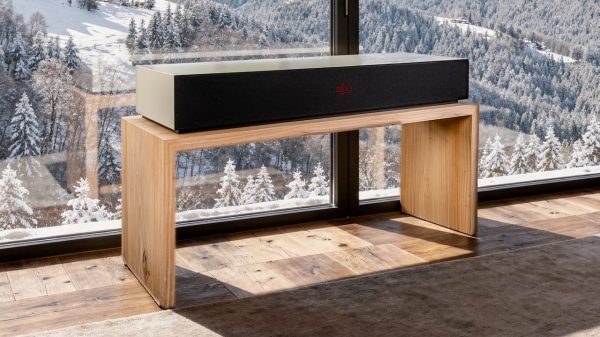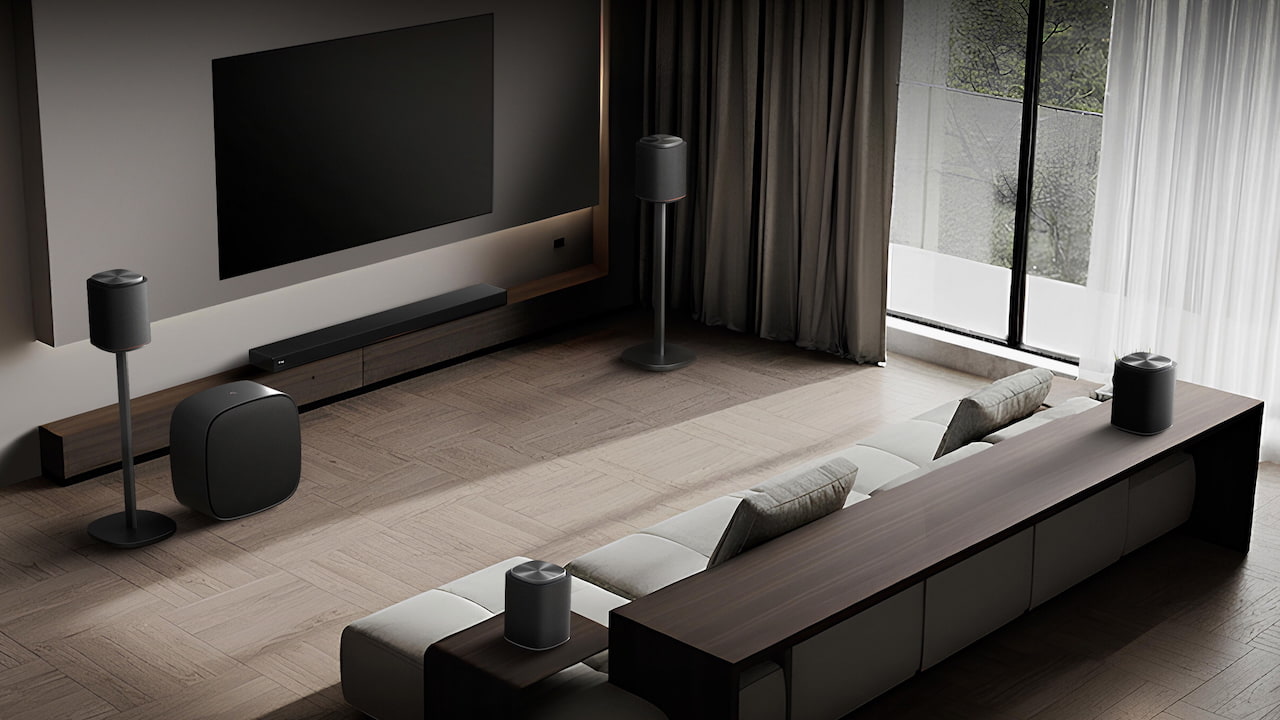
LG is setting the stage for a major audio push in 2026 with LG Sound Suite, a new six-component, soundbar-based system designed for modular expansion—engineered to automatically calibrate itself whether users buy the entire system at once or build it out piece by piece over time. At the center of the system is the H7 soundbar, which LG is positioning as a genuine first: the world’s first soundbar with Dolby Atmos FlexConnect. The promise is straightforward and refreshingly practical—immersive Dolby Atmos sound that intelligently adapts to your room layout and speaker placement, without calibration gymnastics, ceiling holes, or a PhD in acoustics. If it works as advertised, LG Sound Suite could finally make flexible, room-friendly Atmos less of a science project and more of a plug-and-play reality.

Pro Tip: TCL previously announced Dolby Atmos FlexConnect support for select TCL TV models, setting the stage for wider adoption of the format. LG’s move now signals that FlexConnect isn’t a science experiment or a one-brand stunt—it’s shaping up as a real, cross-manufacturer play heading into CES 2026.
What Dolby Atmos FlexConnect Is
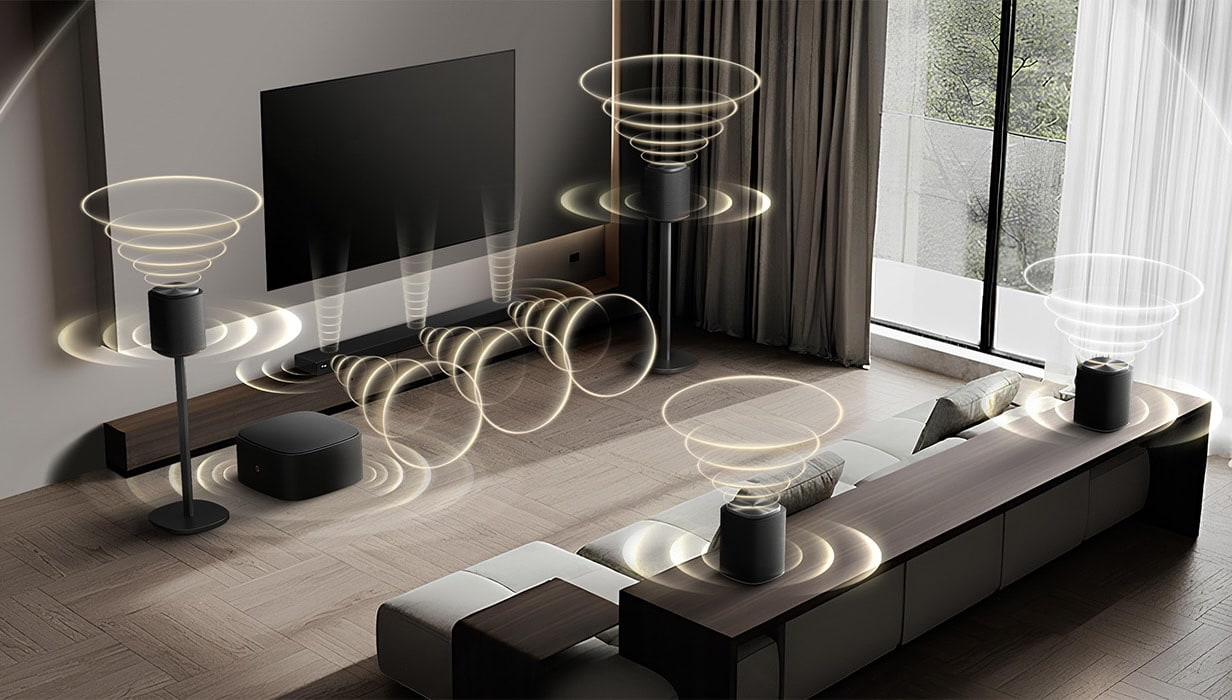
Dolby Atmos FlexConnect (DAFC) is designed to seamlessly link a TV’s or soundbar’s built-in audio system with additional wireless speakers, expanding the soundstage and unlocking a more immersive Dolby Atmos experience. The system automatically calibrates and optimizes playback based on the room’s layout and the actual placement of each speaker—no manual measurements, no receiver menus, and no installer drama.
Crucially, according to Dolby, FlexConnect is brand-agnostic, meaning it’s intended to support mix-and-match wireless speakers from different manufacturers. If that promise holds at scale, DAFC could break one of the long-standing pain points of wireless home theater: being locked into a single brand’s ecosystem just to make Atmos work.
Dolby Atmos FlexConnect with LG
LG Sound Suite is designed to work seamlessly with LG’s premium TVs, giving users the freedom to pair and expand the system using LG’s wireless components. These include the forthcoming M7 and M5 surround speakers, along with the W7 subwoofer. The idea is flexibility first: consumers can start with a compact setup and scale all the way up to a full 13.1.7-channel home-theater configuration, tailored to the size and layout of their room.
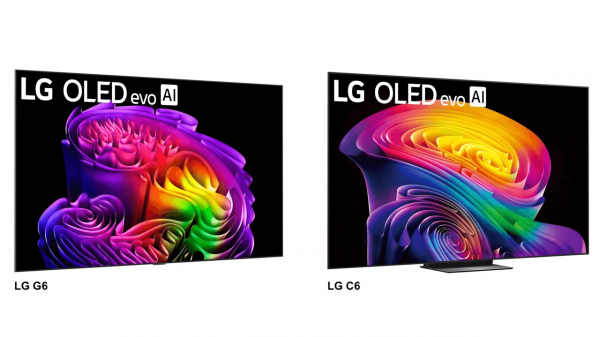
When the H7 soundbar is used as the primary audio device, Dolby Atmos FlexConnect functions with any compatible TV over HDMI, not just LG displays—an important distinction. In addition, LG plans to bring Dolby Atmos FlexConnect support to its 2026 premium TV lineup, as well as select 2025 models—specifically the OLED C5 and OLED G5 (it has also been confirmed since this article was published that it will also include the 2025 CS5 OLED and QNED9M LCD-based models) — via a software update. LG says more details will be shared closer to launch, but the direction is clear: FlexConnect is being positioned as a platform feature, not a one-off demo trick.
Dolby Atmos FlexConnect delivers the simplest and most flexible way to bring immersive Dolby Atmos sound to complement your TV viewing with great sound.
Ultra-wideband (UWB) technology is used to dynamically adjust the listening sweet spot based on the listener’s physical location in the room. When paired with Dolby Atmos FlexConnect, the result is genuinely personalized immersion—no more “best seat in the house” politics, because every seat is treated like the money seat. Layered on top of that, Room Calibration Pro analyzes the room’s acoustic characteristics and applies AI-driven processing to fine-tune the presentation for balanced, room-filling sound.

At the heart of the system, the H7 soundbar incorporates LG’s α (Alpha) 11 AI Processor Gen 3, the same silicon that powers the company’s flagship OLED TVs. Bringing this processor into the audio domain adds both horsepower and intelligence. Using deep learning and its Neural Processing Unit, the system delivers more precise sound rendering. AI Sound Pro+ can up-mix stereo content into multi-channel surround, while AI-based object separation keeps dialogue, music, and effects distinct and properly balanced. The system also adapts its tuning based on content type, optimizing playback whether you’re watching movies, streaming TV, or listening to music.

Every component in the LG Sound Suite is built around Peerless speaker units—a name that’s been associated with high-performance loudspeaker design for more than a century. By combining the simplicity and layout flexibility of Dolby Atmos FlexConnect with the proven acoustic pedigree of Peerless drivers, LG is positioning Sound Suite as more than just another soundbar ecosystem—it’s a serious attempt to make immersive Dolby Atmos practical, scalable, and genuinely room-friendly.
“Together with Dolby, Lee Jeong-seok, Head of the LG Media Entertainment Solution Company’s Audio Business Division, said, we’ve made immersive audio flexible for every home. LG Sound Suite is a testament to our shared focus on audio innovation. LG Sound Suite combines Dolby Atmos FlexConnect with its wireless modular design and AI-driven tuning, so consumers can create the system they want and enjoy cinematic sound from any seat.”
John Couling, Senior Vice President of Entertainment at Dolby Laboratories, said, “Dolby and LG are unlocking a new level of audio flexibility for anyone who wants to enjoy better sound with Dolby Atmos. Whether your speakers sit on a shelf or are tucked into a corner, Dolby Atmos FlexConnect fits naturally into any home without the complexity of traditional systems. We’re excited for consumers to experience this new level of audio flexibility and performance.”
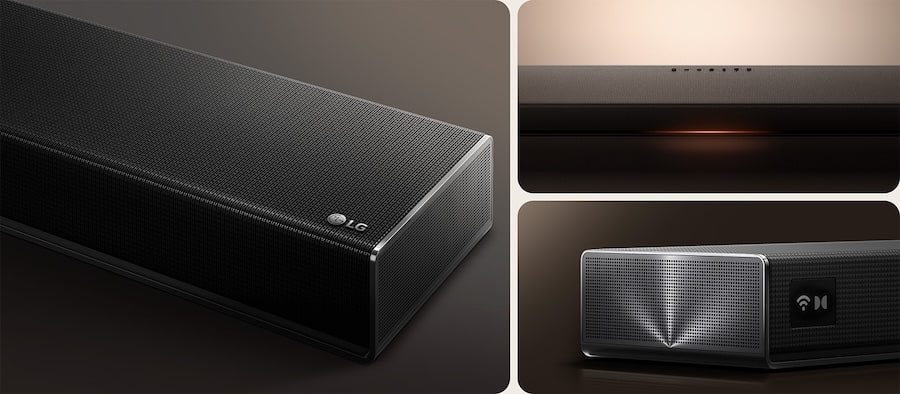
LG H7 Soundbar Specifications
| LG Model | H7 |
| Product Type | Soundbar |
| Price | $999.99 |
| Channels | 5.1.3 |
| Passive Radiators | 8 x (3.3″x1.5″) |
| Audio Format Support | AAC/AAC+ AAC (C4A/USB) MP3 (C4A/USB) WAV (C4A/USB) Dolby Atmos® Dolby Digital Dolby Digital Plus Dolby TrueHD LPCM |
| SoundModes | Personal Sound Wizard Bass Boost Custom EQ AI Sound Pro+ Clear Voice Pro+ Standard |
| Connectivity | Dolby Atmos® FlexConnect Wi-Fi (2.4G/5G) Bluetooth SIMPLINK™ (HDMI™ CEC) USB Host |
| DisplayType | OLED |
| MyButton | Yes |
| Auto Power (On/Off) Remote/App | Yes |
| Auto Volume Leveler | Yes |
| Customize EQ Remote/App | Yes |
| Dynamic Range Control | Yes |
| Easy Setup with BLE | Yes |
| HDMI Audio Return Channel (eARC/ARC) | Yes |
| LED Lighting | Yes |
| Night Time Mode (On/Off) Remote/App | Yes |
| Smartphone Remote App (iOS/Android) | Yes |
| Dimensions (WHD) | 47.2″x2.5″x5.6″ |
| Net Weight | 16.9lbs |
| TV Matching | 65″&larger |
| Included Accessories | HDMI Cable Batteries Remote Control Simple User Manual Wall Mount Bracket Warranty Card |
LG M7/M5 Wireless Surround Specifications
| LG Model | M7 | M5 |
| Product Type | Wireless Surround Speakers | Wireless Surround Speakers |
| Price | $399.99 | $249.99 |
| Channels | 2.1.1 | 1.1.1 |
| Woofer | 4″x1 | 3″x1 |
| Audio Format Support | AAC (C4A,Airplay2) AAC (C4A/USB) Dolby Atmos® LPCM MP3 (C4A/USB) SBC WAV (C4A/USB) | AAC (C4A,Airplay2) AAC (C4A/USB) Dolby Atmos® LPCM MP3 (C4A/USB) SBC WAV (C4A/USB) |
| SoundModes | Bass Boost Clear Voice Pro Custom EQ AI Sound Pro Standard | Bass Boost Clear Voice Pro Custom EQ AI Sound Pro Standard |
| Connectivity | Dolby Atmos® FlexConnect Bluetooth v5.4 Tidal Connect Apple Air Play2 Google Cast LGRadio+ USBC-Type (Audio-In) Wi-Fi | Dolby Atmos® FlexConnect Bluetooth v5.4 Tidal Connect Apple Air Play2 Google Cast LGRadio+ USBC-Type (Audio-In) Wi-Fi |
| MyButton | Yes | Yes |
| AILighting | Yes | Yes |
| RoomCalibrationPro | Yes | Yes |
| FirmwareOver-the-air(FOTA) | Yes | Yes |
| LEDLighting | Yes | Yes |
| StereoMode | Yes | Yes |
| 24-bitUpsampling | Yes | Yes |
| Built-inSubwoofer | Yes | Yes |
| HighResolutionAudio | Yes | Yes |
| SpotifyConnectSupported | Yes | Yes |
| Power-onmode(Chargingstatus) | 25W | 15W |
| StandbyMode | Less than 0.3W | Less than 0.3W |
| Dimensions (WHD) | 6.9″x9.4″x6.9″ | 5.9″x7.8″x5.9″ |
| Net Weight | 6.1lbs | 3.7lbs |
| IncludedAccessories | Powe Cord AC Adapter Warranty Car | Power Cord AC Adapter Warranty Car |
LG W7 Wireless Sub Specifications
| LG Model | M7 |
| Product Type | Wireless Subwoofer |
| Price | $599.99 |
| Channels | .1 |
| Connectivity | Dolby Atmos® FlexConnect Wi-Fi (2.4G/5G) |
| EasySetupwithBLE | Yes |
| SmartphoneRemoteApp(iOS/Android) | iOS/AndroidOS |
| Standby Power Consumption | 0.5W ↓ |
| Dimensions (WHD) | 16.1″x16.3″x7.6″ |
| Weight | 19.4lbs |
| IncludedAccessories | Power Cable Simple User Manual Warranty Card |
The Bottom Line
LG jumping into Dolby Atmos FlexConnect is the right move—and arguably overdue. It’s a clear signal that LG isn’t treating audio as an accessory category anymore, but as a parallel pillar to its display dominance. If Dolby truly delivers on its brand-agnostic promise, FlexConnect could give consumers far more freedom than today’s closed soundbar ecosystems, letting them mix and match compatible speakers based on room, budget, and taste rather than brand loyalty. That could put pressure on tightly controlled platforms like Sonos, especially as more TV and speaker brands pile in.
That said, the big unanswered question is cross-brand reality vs. marketing theory. Will LG’s H7 soundbar and upcoming FlexConnect-enabled TVs actually play nice with TCL’s Z100 smart panoramic sound speakers—and vice versa? Until we see confirmed interoperability between LG and TCL hardware, FlexConnect’s “agnostic” status remains a promise, not a proven ecosystem. There’s also the wildcard of WiSA, which LG has supported for years. Whether LG quietly phases it out or keeps both standards alive will say a lot about how committed the company is to offering real wireless choice rather than just the newest logo on the box.
FlexConnect has the potential to shake up the wireless home-audio hierarchy—but execution will matter more than slogans. If Dolby and LG deliver genuine cross-brand compatibility, things could get very uncomfortable for the usual suspects. If not, it’s just another promising idea waiting on a firmware update.
Price & Availability
The Sound Suite is available for pre-order purchase at LG.com with the following prices:
H7 Soundbar: $999.99
M7 Surround Speakers: $399.99
M5 Surround Speakers: $249.99
W7 Subwoofer: $599.99
Related Reading: