
Sony and TCL have confirmed plans to deepen their relationship through a strategic partnership in home entertainment, a move that comes as the global TV market continues to consolidate around scale, manufacturing efficiency, and platform-driven ecosystems. Sony currently ranks fifth worldwide in TV market share and revenue, while TCL is on track to become the world’s second-largest TV brand, giving the agreement immediate weight across the industry.
The companies intend to form a global joint venture that will take over Sony’s home entertainment business, spanning televisions and home audio products, and covering everything from product development and industrial design to manufacturing, sales, logistics, and customer support.
Under the proposed structure, TCL will hold a controlling 51 percent stake, with Sony retaining 49 percent — a shift that effectively places Sony’s TV business under majority TCL control and marks one of the most consequential power realignments the global TV industry has seen in years.
Sony and TCL expect to move quickly, with the definitive agreement targeted for completion by the end of March 2026, subject to final contracts and regulatory approvals. The newly formed company, which has not yet been named, is scheduled to begin full operations in April 2027, setting a relatively aggressive timeline for a deal of this scale and complexity.
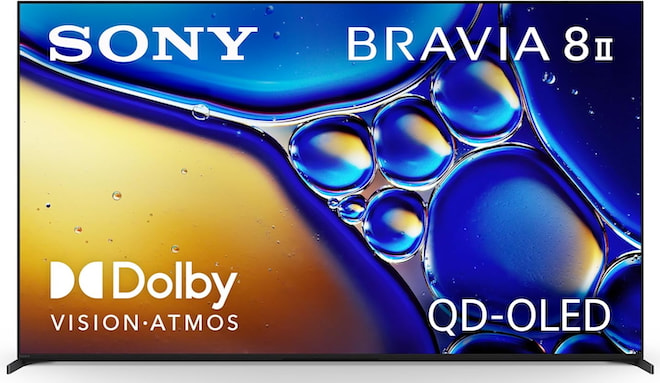
The joint venture will combine Sony’s picture and audio processing technologies, brand equity, and long-standing operational expertise with TCL’s advanced display development, massive global manufacturing footprint, vertically integrated supply chain, and cost efficiencies. Products developed by the new company are expected to continue carrying the BRAVIA and Sony names, with the stated goal of creating new customer value across televisions and home audio categories.
Stripped of corporate phrasing, the reality is straightforward: Sony is handing control of its BRAVIA TV business to TCL, a move that fundamentally alters how Sony-branded TVs will be designed, built, and brought to market going forward.
From Kimio Maki, Representative Director, President and CEO, Sony Corporation: “We are pleased to have reached this agreement with TCL for a strategic partnership. By combining both companies’ expertise, we aim to create new customer value in the home entertainment field, delivering even more captivating audio and visual experiences to customers worldwide.”
From Du Juan, Chairperson, TCL Electronics Holdings Limited: “We believe that this strategic partnership with Sony represents a unique opportunity to combine the strengths of Sony and TCL, creating a powerful platform for sustainable growth. Through strategic business complementarity, technology and know-how sharing, and operational integration, we expect to elevate our brand value, achieve greater scale, and optimize the supply chain in order to deliver superior products and services to our customers.”
What’s Included — and What Isn’t (Yet)
When asked whether the joint venture would extend beyond televisions and home audio into Sony’s broader Premium Home portfolio — including projectors, receivers, Blu-ray players, and professional and CLED products — a Sony representative responded with the following statement:
“The transfer is expected to include the television and home audio business. In addition to general consumer products, it is expected to include some B2B business. At this point, we are in the memorandum of understanding stage, and we will refrain from commenting on any further details for the time being.”
At this stage, Sony has only confirmed the inclusion of televisions and home audio, along with some B2B activity. All other premium home categories remain outside the scope of what the company is willing to discuss publicly until definitive agreements are executed.
The Bottom Line
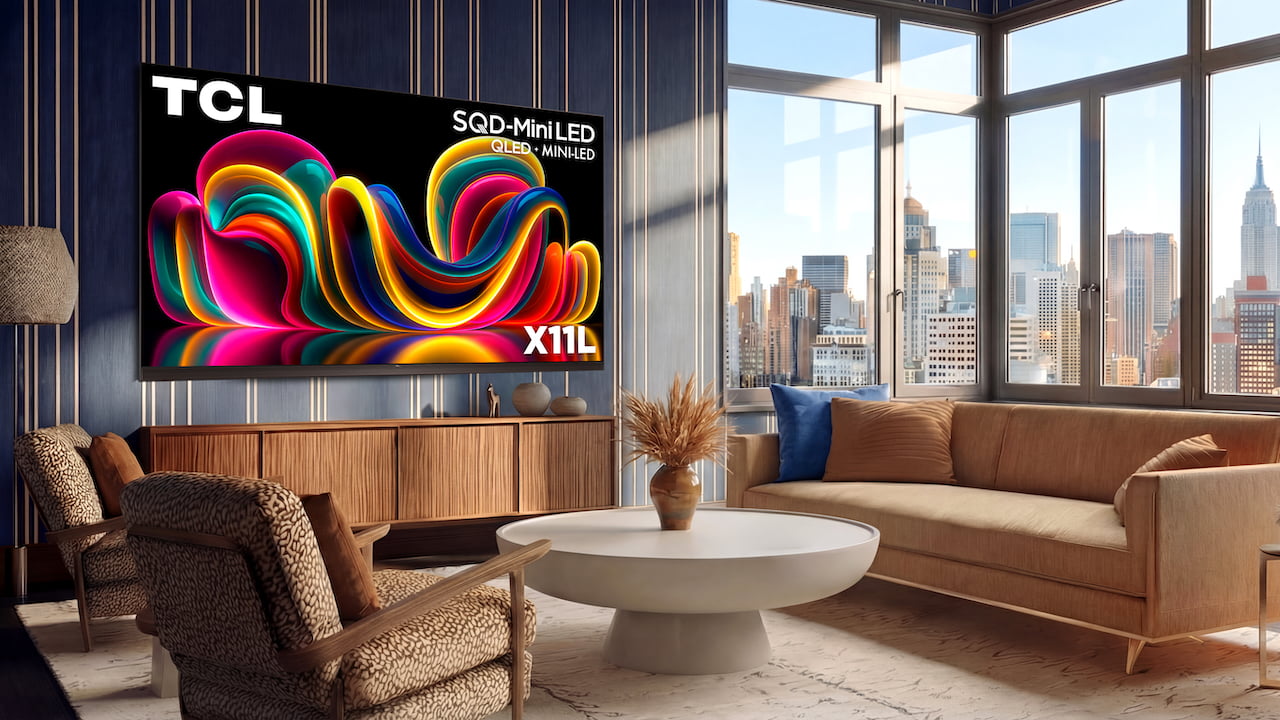
If this joint venture executes as outlined, Sony and TCL could fundamentally reset the global TV power structure at exactly the moment display technology is entering its most disruptive phase in decades. Sony brings world-class image processing, audio engineering, and brand credibility; TCL brings scale, speed, cost control, and an aggressive roadmap spanning RGB MiniLED, SQD MiniLED, and potentially IJP OLED. Together, they form the most credible long-term threat yet to Samsung’s two-decade grip on TV market leadership, even as Samsung pushes MicroRGB LED and next-gen MiniLED harder than ever.
The collateral damage may fall hardest on LG, whose TV business remains heavily dependent on OLED panels in a market still dominated by LED/LCD volume. If TCL’s ink-jet-printed OLED technology matures quickly and Sony chooses to pivot away from LG Display and Samsung Display panels, LG’s pricing advantage and OLED exclusivity could erode faster than expected. That scenario would compress margins, intensify competition, and accelerate a shift toward lower-cost OLED alternatives that LG currently does not control.
Sony has also clarified that the transfer is expected to include the television and home audio business, along with some B2B activity, but stopped short of confirming whether other Premium Home categories will be part of the deal. According to a Sony representative, the companies remain at the memorandum of understanding stage and will not comment further until definitive agreements are executed.
None of this is settled yet. Execution speed, regulatory approvals, and how aggressively the new company aligns product strategy will determine whether this is a slow realignment or a genuine market shock. CEDIA EXPO later this year and CES 2027 will be early indicators of intent. One thing is already clear: this is no ordinary partnership. If Sony and TCL move decisively, the global TV market may look very different by the end of the decade — and Samsung and LG will not be watching from the sidelines.
Related Reading:
- Sony BRAVIA 8 II OLED TV Review – Long Live the King
- I’ve Seen the Future of Sony TVs in All Its Red, Green and Blue Glory. Here’s What’s Coming
- TCL’s X11L SQD-Mini LED TV Debuts at CES 2026 with Flagship-Level Color and HDR Performance
- TCL QM9K QD-MiniLED 4K TV with Google Gemini
- TCL Q10M RGB MiniLED Extra Large TVs Launch in China












Andy Dandy
January 20, 2026 at 5:22 pm
Probably not a good development for OLED TVs.
I hope TCL continues to make their premium TVs and the prices come down.
TCL has carved out a strong niche for itself and Sony only seems to have the premium OLED customer.
LG loses big in this scenario.
Arthur Morgan
January 20, 2026 at 6:54 pm
Is this next-gen miniLED from Samsung a referency to the QD-EL?
Seems Samsung is already preparing for the TCL IJP expansion, but LG needs to shake up…
Robert Silva
January 21, 2026 at 12:56 am
Next Gen MiniLED is not QD-EL. When you hear the phrase “MiniLED” it is referring to an LCD-based TV technology.
Arthur Morgan
January 22, 2026 at 5:49 am
Thank you for the enlightening.
Would you mind to say which model of Samsung 2026 lineup fits the term “next-gen MiniLED”? Should I assume it refers to the “MicroRGB LED” then?
Best regards!