
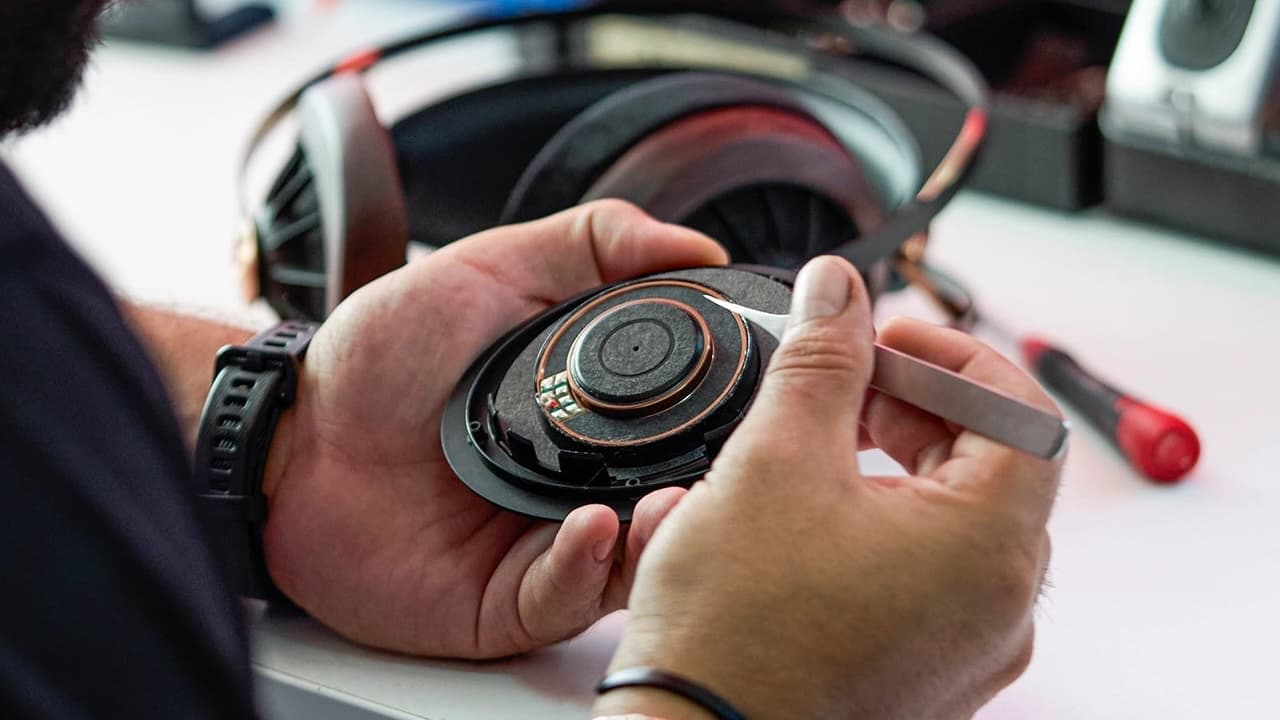
It’s never been easier to find a pair of good-sounding headphones. The average quality of the dynamic driver has skyrocketed over the past five years, and innovation in alternative driver technologies hasn’t slowed either. Planar magnetic drivers, once the domain of top-tier luxury designs, have effectively become mainstream in that same period.
But better sound has come with greater complexity. Modern consumer headphones are no longer simple transducers. They’re dense ecosystems of circuit boards, batteries, sensors, and glue. Your $450 wireless headphones may not even include a 3.5mm input anymore, which makes them functionally useless the moment the battery gives up.
So what happens when the battery fails, or a circuit board dies?
Headphone Prices Are Rising, But Warranty Coverage Isn’t

High-quality audio has never been more accessible, but that hasn’t pushed down the prices of so-called “premium,” tech-heavy headphones from either major brands or boutique players. Sony, for example, sells its flagship WH-1000XM6 wireless headphones for a crisp $460. For that money, you get the legally safe minimum: a thoroughly unremarkable one-year warranty.
Even more puzzling, the Sony MDR-MV1, a $420 headphone positioned for professional use doesn’t clearly disclose its warranty terms on Sony’s own website. The coverage exists, but you have to dig far more than you should to find the duration or the fine print.
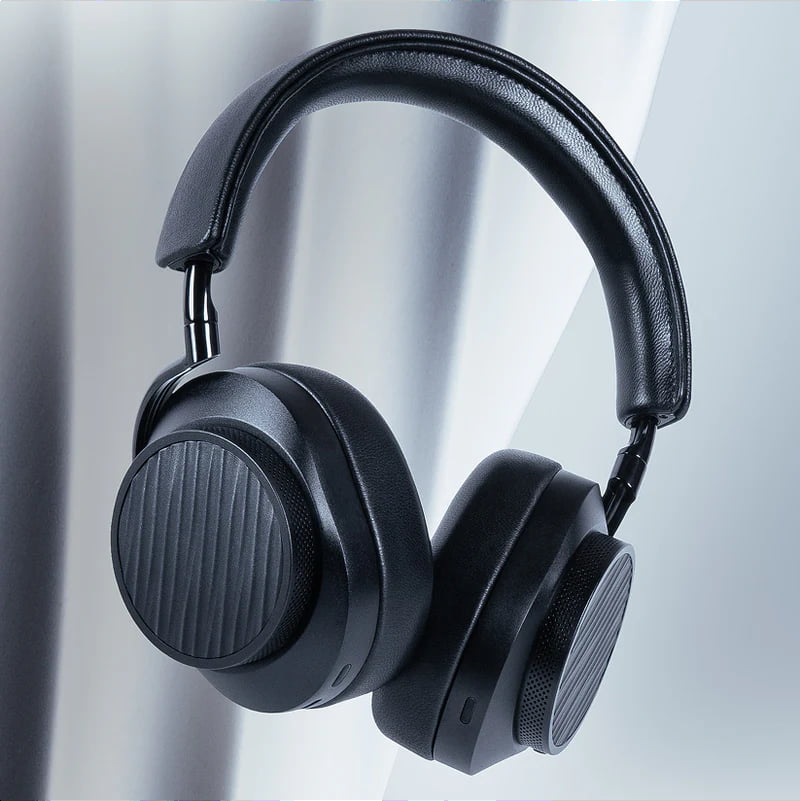
Smaller, design-forward brands don’t fare any better. Master & Dynamic asks $750 for the MW75, and U.S. buyers still receive the same paltry one-year warranty. Premium pricing, bargain-basement protection.
But here is the real question. If the prices of high end headphones keep climbing, why have warranties not followed? Should consumers really be expected to pay for layers of technology they may never use and then cover the cost of repairs when something inevitably fails?
If you live in the EU, the answer is actually no. Under EU regulations, many of these same headphones are covered for two years rather than the single year buyers receive in the US. The key point is that the profit math already works with a two year warranty. These companies could offer the same coverage in the US. They simply choose not to because it saves money and so far it has not hurt sales.
Your Headphones Are More Than Future E Waste
I have taken Sony to task for its lackluster warranties on high end products, but to be fair, the company is among the better players when it comes to access to repair manuals and spare parts. Sony lists roughly 35 individual replacement parts for the WH-1000XM6, including the most important one of all: the battery.
That said, availability does not automatically equal repairability. These headphones are still held together with generous amounts of glue, a design choice that lowers manufacturing costs while quietly discouraging home repair. Parts may be for sale, but the barrier to actually using them remains high.
You deserve products that last longer than a year or two. You deserve products you can repair without a PhD in materials engineering or a fully equipped home workshop. There are brands that agree and have built their identities around durability and repairability.
Meze Audio is one of them. You can order replacement parts for every headphone they sell and perform repairs yourself, with no glue involved. The company also provides clear, cleanroom style videos that walk owners through basic maintenance and repair tasks. Their message is consistent and refreshingly direct: spare parts are only an email away, and customers should always be able to restore their gear to working condition.
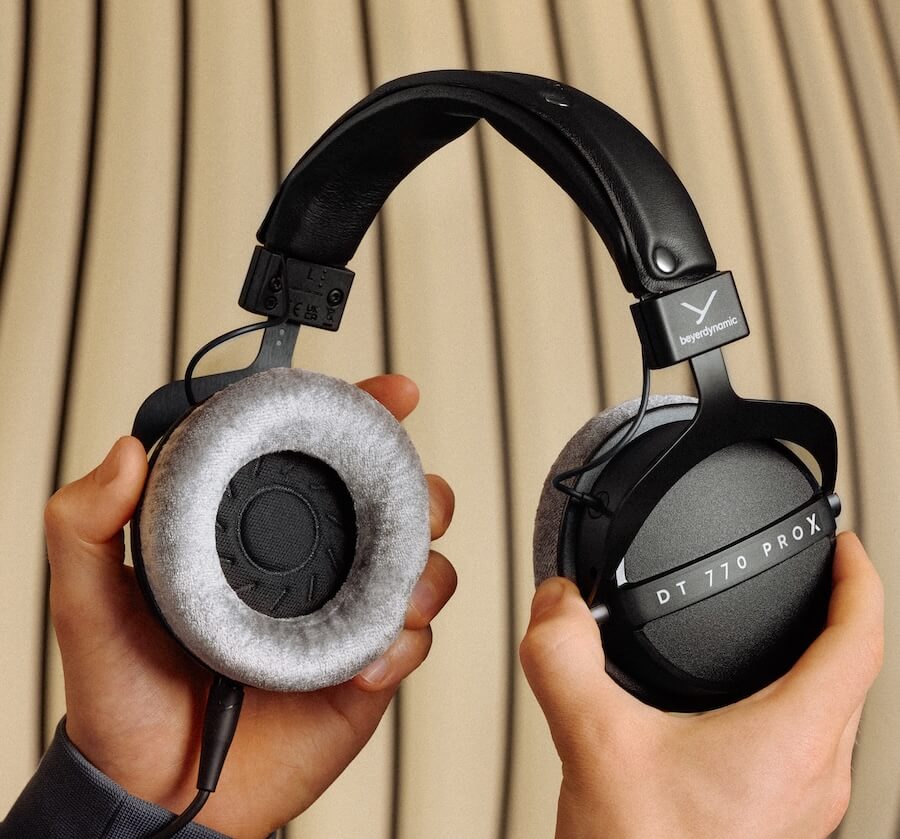
Legacy brands are hit and miss, but Beyerdynamic does better than average. The company offers a two year warranty on most of its products and sells a wide range of spare parts to support long term ownership. Even relatively affordable wired models like the DT 770 Pro X benefit from this confidence in workmanship and serviceability.
Beyerdynamic’s flagship wireless headphones, the Aventho 300, also come with a two year warranty, but there is no obvious path to purchasing spare parts. That contrast says a lot. Once batteries, circuit boards, and glue enter the picture, even brands with good intentions tend to fall back on designs that are far harder to keep alive long term.
Repair Does Not Always Mean Self Service
Not every product is realistically repairable by its owner. That is simply part of modern ownership. But that does not mean products themselves have to be disposable. There is an important difference between something you cannot fix yourself and something that cannot be repaired at all.
We have already seen how simpler, wired headphones tend to be far more serviceable, at least on the over ear side. Earphones and IEMs are another story. Their compact size and fragile internal components make meaningful repair difficult, especially at home. Still, a handful of brands do the right thing by offering in house repairs at fair, transparent labor rates, proving that repairability does not have to end just because DIY does.
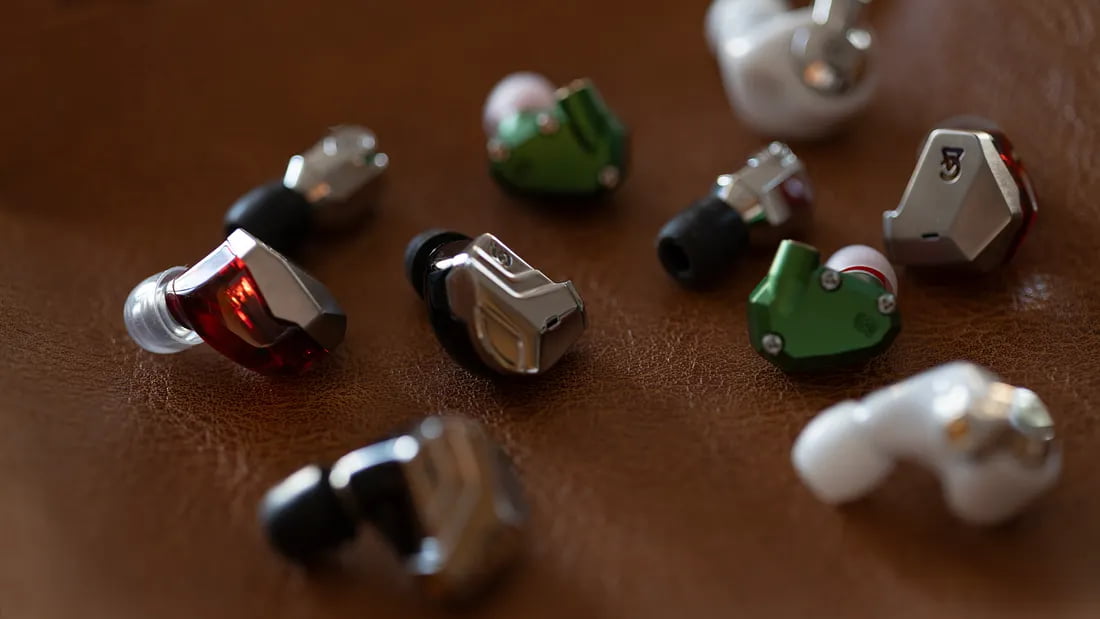
Campfire Audio, for example, offers repair services for every product it has made, provided spare parts are still available from the original manufacturing partners. Repairs are priced transparently based on the nature of the failure, and when you combine that policy with a standard global two year warranty, you get IEMs that are clearly designed for long term ownership rather than planned replacement.
High end boutique custom IEM maker AAW takes a slightly different approach. Its warranty coverage is a more modest one year, but it is backed by straightforward flat rate repair pricing, which still gives owners a predictable and reasonable path to keeping their earphones in service.
Speaker Owners Are Not Entirely Safe Either
You would expect speakers, given their lower parts complexity and often higher prices, to come with warranties that reflect that reality. Some do, but many still fall short. The result is an uneven landscape where price does not reliably predict protection.
In general, active speakers, those with built in amplification, tend to offer longer warranties than passive designs. That added electronics stack usually forces manufacturers to think more seriously about long term support, even if the execution remains inconsistent.
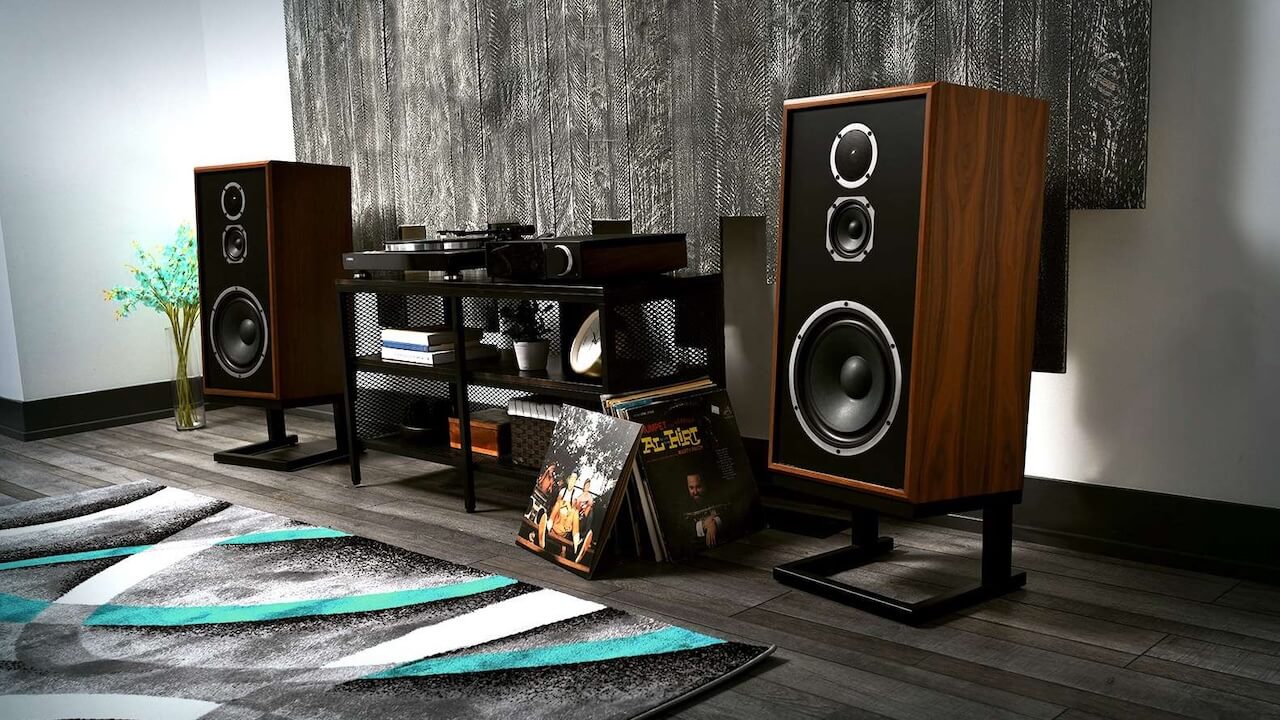
Premium audio brands like KLH still treat warranty coverage seriously. A ten year warranty with no questions asked sets a clear standard. Even outside the warranty window, KLH will ship replacement parts or arrange for a nearby dealer to handle repairs. At prices north of two thousand dollars, that level of long term support feels appropriate rather than exceptional.
It helps that these speakers are passive. Passive designs are relatively simple, consisting of the cabinet, the drivers, and a small crossover network to divide the incoming signal. Active speakers are far more complex, with amplifiers, power supplies, and digital components added to the mix, yet their warranties are often worse. Even expensive active systems priced well above fourteen hundred dollars frequently ship with only one or two years of coverage. If you are prioritizing warranty length, a few brands stand out. Audioengine, for example, offers a standard three year warranty and repair support across its lineup, even on its most affordable models. In addition, REL offers 3-years on its subwoofers, and SVS offers a 5-year unconditional warranty on all of its speakers and subwoofers.
The Bottom Line
The brands mentioned here represent only a small slice of the broader audio market. There are plenty of repair minded companies that did not make the cut, just as there is no shortage of brands designing products around battery powered planned obsolescence. The point is simple. It is entirely possible to offer audio products that can be repaired under clear terms and at reasonable cost.
There is no reason to accept the idea that expensive gear should be treated as disposable once it breaks or wears out. Warranty length and repair support should be part of the buying decision, not an afterthought. If a company truly stands behind its products, it should be willing to prove it. The only way to push the industry in that direction is to vote with your wallet.
My next pair of headphones will come with a meaningful warranty. My next pair of speakers will be from a brand with a real repair network. I am done buying future E waste. You should be too.
Related Reading:
- Does the Audiophile Community Have a Problem?
- Best Wireless Headphones: Editors’ Choice
- Best Wireless Earbuds: Editors’ Choice
- Best IEMs: Editors’ Choice






















Antonio
January 26, 2026 at 2:55 pm
Finally. None of the other publications have touched this topic and kudos for finally tackling it.
The warranties on these products are a joke.
IW
Ian White
January 26, 2026 at 7:40 pm
Anton,
Do most consumers even read the fine print when they buy things anymore? Like the warranty on their smart phones or laptops? One of the reasons I have spent money on Meze headphones is precisely for the reason mentioned. I own 6 pairs of their headphones and with the exception of the original 99 Classics, I’ve never had to replace an original part. And those are from the first 2,500 they ever made. Only the ear pads which wore down after 8+ years of use. I have Grado headphones that are 10 years old that are still running fine. I’ve had $$$$ amplifiers die on me. In less than a year. Not good.
I think you need to be more careful when selecting brands and reading the online forums in regard to reliability. It’s hard with reviews, because we don’t get to keep things very long. I can only tell you how “reliable” something is if I buy it and use it for a couple of years. Meze gets an A+ in that regard.
My 40 year-old Thorens tables that were restored by Vinyl Nirvana have proven to be super reliable. Not one issue. Just regular maintenance and Dave has parts for almost anything.
IW
Aaron Sigal
February 5, 2026 at 4:15 am
Thanks Antonio. I’m a big proponent of Right to Repair and Right to Own. My goal this year is to bring a spotlight to products and brands that support those fundamental freedoms.
Chris Boylan
January 30, 2026 at 5:06 pm
Great article. One of the reasons we awarded the T10 Bespoke TWS earbuds and Loewe Leo headphones “Best in Show” at this year’s CES (in addition to their outstanding sound quality) was due to their repairability/upgradeability. The designer, Bear Clark, takes the “swiss watch” approach with screws, gaskets and replaceable components rather than copious amounts of glue and ultrasonic welds. Need a new battery or a replacement driver? No problem, just send it to the shop and the company will replace it for a reasonable fee. Love that!
Ian White
January 30, 2026 at 11:34 pm
Chief,
Bryston had the best warranty in the entire industry until a week ago. It was for anything they ever made and they would guarantee it. It is now based on products purchased from them directly or dealers only. And I think the products now have to be 10 years old or less. Customers could transfer the warranty to a buyer if they sold it privately as well. Not anymore. They don’t have the parts anymore or access to specific parts, so the product has to be relatively new.
IW
Aaron Sigal
February 5, 2026 at 4:13 am
Thank you! I totally agree, Chris.