Streaming was supposed to simplify everything. Instead, it is starting to look a lot like the cable bundles it replaced, with higher monthly costs, more fragmentation, and ads creeping back into tiers that once promised otherwise. For a growing number of viewers, that frustration is pushing them back toward something far less convenient but far more reliable: physical media.
Owning your movies and TV shows means they do not disappear when licensing deals expire or platforms reshuffle their catalogs overnight. You press play, and it works. No buffering, no logins, no surprise paywalls. It also means consistently better performance. DVD, Blu-ray, and especially 4K Ultra HD Blu-ray still deliver higher bitrates than streaming, which translates into cleaner images, more stable motion, deeper color, and lossless audio formats that actually take advantage of a proper surround sound system.
Finding discs is not as easy as it used to be. Major retailers like Best Buy and Target have scaled back or eliminated in store selections, but physical media is not disappearing. It is shifting. Walmart and Barnes & Noble still carry a solid range in store, and online options are stronger than ever. Boutique labels like The Criterion Collection, Kino Lorber, and Arrow Video continue to release restored editions, special features, and curated catalogs that streaming platforms rarely match.
This article and the three companion videos break down exactly what you get from DVD, Blu-ray, and 4K Ultra HD Blu-ray. Not just resolution numbers, but the real world differences in picture quality, HDR support, audio formats, and overall viewing experience so you can decide if going back to discs is nostalgia or just common sense in 2026.
- Watch on YouTube: DVD vs. Blu-ray vs. 4K Blu-ray DISCS
- Watch on YouTube: DVD vs. Blu-ray vs. 4K Blu-ray PLAYERS
- Watch on YouTube: Where Can You Buy DVD and Blu-ray Movies Now?
The Bottom Line
DVD still has a place, but Blu-ray and 4K Ultra HD Blu-ray remain the standard for anyone who actually cares about how movies look and sound. Streaming has improved, but it still cannot match the higher bitrates, consistent image quality, and lossless audio you get from a disc spinning in a dedicated player. That gap becomes obvious the moment you pair them with a modern 4K TV and a real surround sound system.
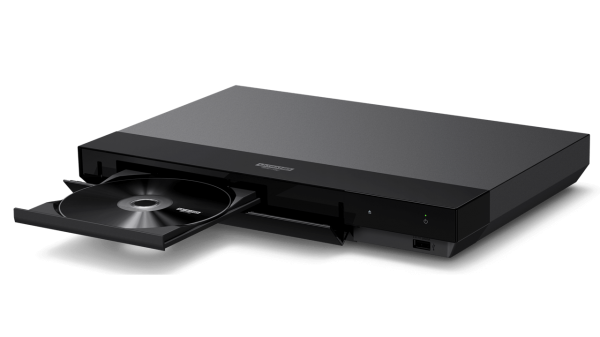
The three videos break down what matters in 2026. DVD is limited to standard definition. Blu-ray delivers full HD with excellent clarity and solid audio. 4K Ultra HD Blu-ray adds true 4K resolution, HDR formats like HDR10 and Dolby Vision, and the best available home audio formats. To take advantage of it, you need the right hardware. A 4K Ultra HD Blu-ray player, a compatible TV with HDR support, and an audio system that can handle formats like Dolby Atmos or DTS:X. Get that right, and physical media is not just surviving. It is still the benchmark.
Where to buy?
- Panasonic UB420 4K Blu-ray Player – $420 at Amazon
- Panasonic UB450 4K Blu-ray Player – $250 at Amazon
- Panasonic UB820 4K Blu-ray Player – $549 at Crutchfield
Related Reading:
- 2025 Guide To 4K Blu-ray Players: Streaming Can’t Replace Physical Media
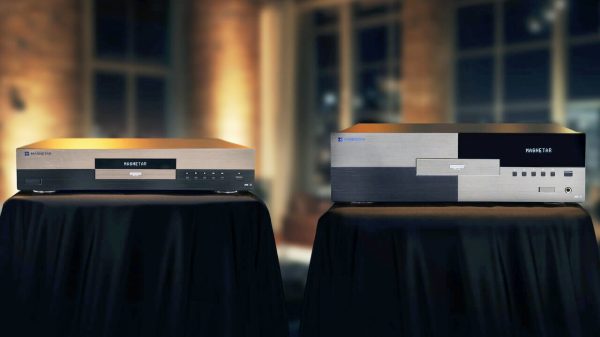
- Magnetar Doubles Down On Physical Media With UDP900MKII And UDP800MKII Blu-Ray Players At CEDIA 2025
- The Empire Struck First: How Streaming Killed (And Accidentally Resurrected) Physical Media
- 10 Essential Criterion Collection Movies In 4K You Need To Buy In 2025