
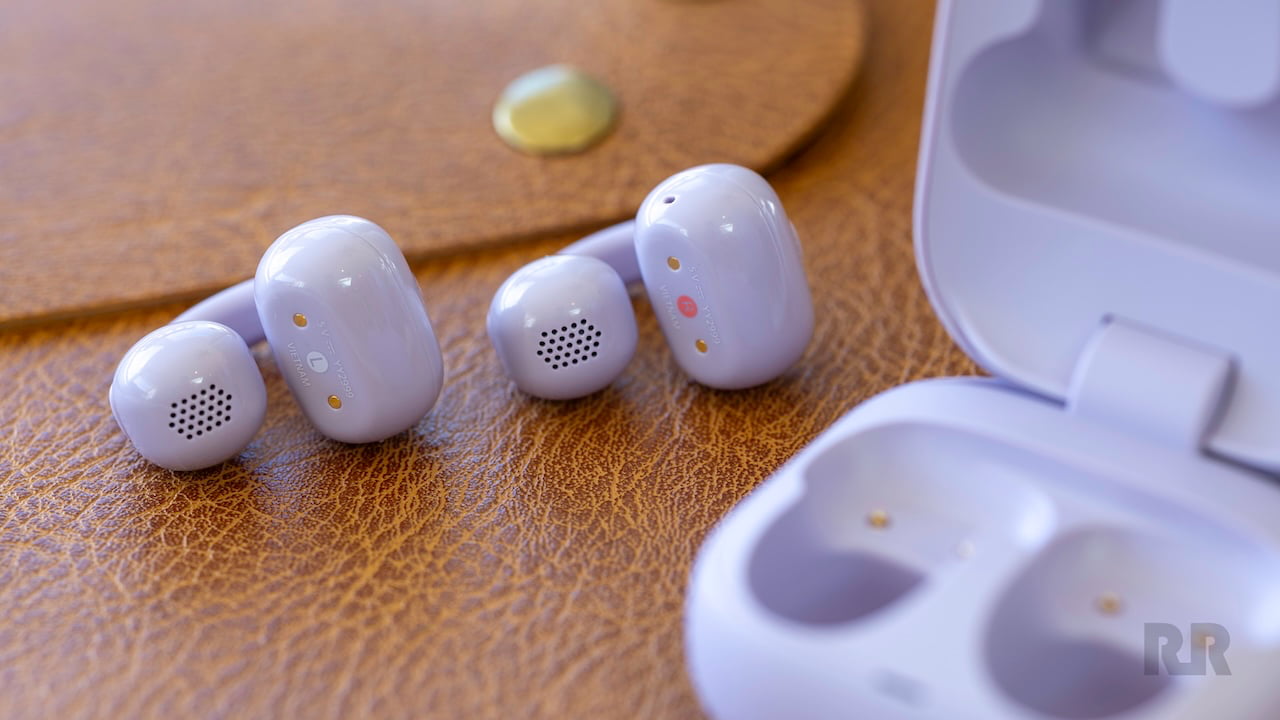
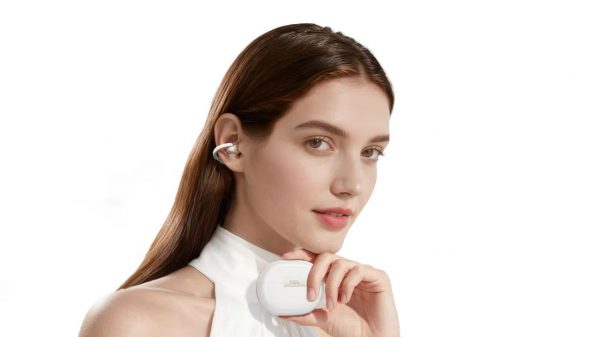
The Sony LinkBuds Clip represent another attempt by Sony to cover yet another corner of the wireless earbud market. A premium-priced, open-ear true wireless design, the LinkBuds Clip are built to fit a wide range of listeners, including those with smaller ears who often struggle to find a secure, comfortable fit with conventional earbuds.
Sony’s footprint in audio is hard to match. The company operates across the entire sound chain, from professional recording and production equipment to mass-market consumer headphones and legitimately high-end audiophile offerings. Few brands show the same willingness to build products for very specific audiences rather than chasing a single, universal solution.
With the LinkBuds Clip, Sony is clearly aiming at an underserved segment, packing a compact form factor with modern features while prioritizing comfort and everyday usability. But solving a fit problem doesn’t automatically justify a premium price. At $229—where the LinkBuds Clip are currently positioned at most major retailers—these earbuds need to deliver more than clever ergonomics.
The real question is whether they offer enough in sound quality, usability, and overall performance to make sense at this level. Let’s get into it.
Thoughtful Ergonomics and Everyday Comfort
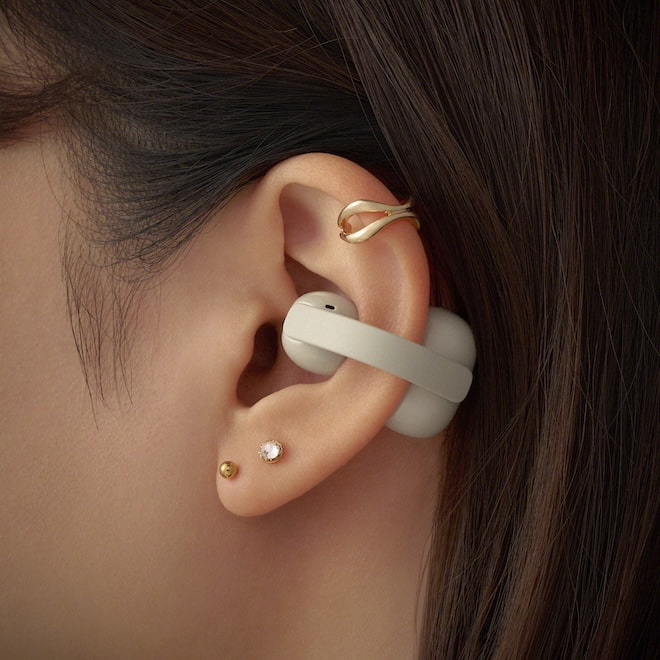
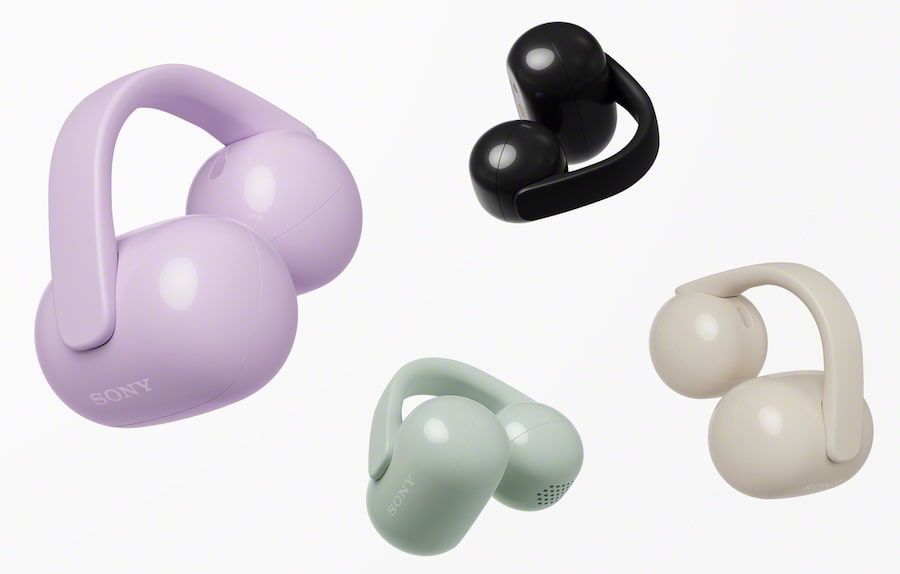
The LinkBuds Clip’s most important feature is its physical design. Sony has significantly revised the geometry of its earlier open-ear products in an effort to improve comfort, stability, and compatibility for listeners with smaller ears.
In practice, those changes matter. My wife, for example, has very small ears and, as a result, a severely limited pool of earbuds she can wear comfortably. Sony’s inclusion of bespoke “ear cushions” made it possible for her to wear the LinkBuds Clip for extended listening sessions. She typically took a break around the 3.5-hour mark, but even then reported only minimal discomfort.
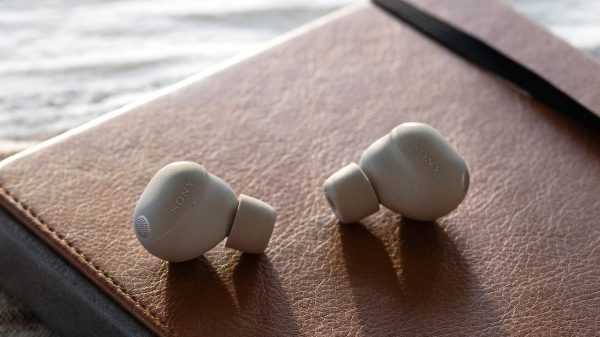
Despite its somewhat bulbous appearance, the LinkBuds Clip are surprisingly light. That low weight translated into real-world usability: I was able to garden, jog, work out, and even skateboard while wearing them without noticeable fatigue. They remained stable and secure on my ears, including during an unplanned fall off my board.
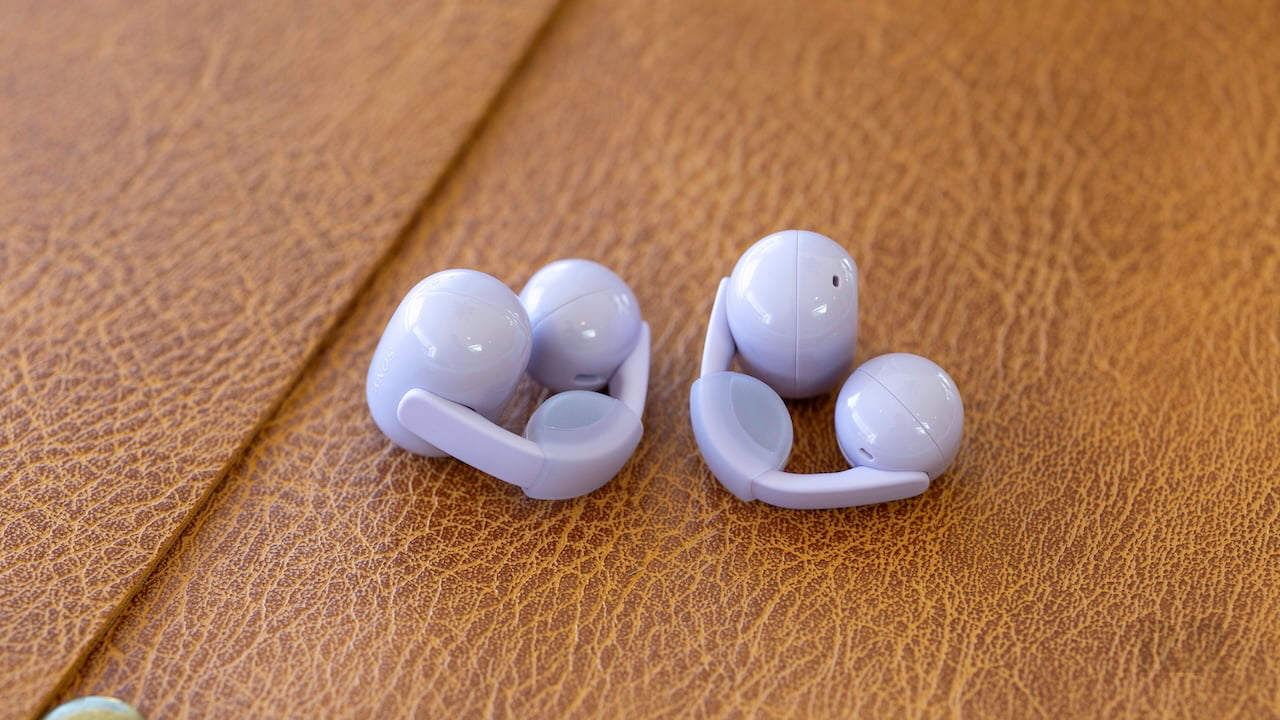
Fit still matters. Depending on your ear anatomy, it’s important to ensure that the speaker grille is not pressed directly against the wall of the inner ear. When positioned incorrectly, the LinkBuds Clip’s already limited sound quality takes a noticeable hit.
The open-ear design will appeal to commuters, parents, and the perpetually cautious. While noise intrusion is usually something earbuds try to eliminate, situational awareness can be a feature rather than a flaw. The LinkBuds Clip do a respectable job of passively reducing quieter background sounds while still allowing more important noises through—passing cars, raised voices, and other real-world interruptions that you may need to hear.
Features, Battery Life, and Core Specs
The LinkBuds Clip keep things relatively simple on the feature front, but what’s here is purposeful. Sony includes three listening modes: a Standard mode intended for general music playback, a Voice Boost mode designed to improve speech intelligibility for podcasts, audiobooks, and YouTube, and a Sound Leakage Reduction mode that attempts to limit how much of your audio escapes into the surrounding space. That last option is particularly relevant with open-style earbuds, where the drivers sit outside the ear canal rather than sealing inside it—making sound leakage a real concern in quiet or shared environments.
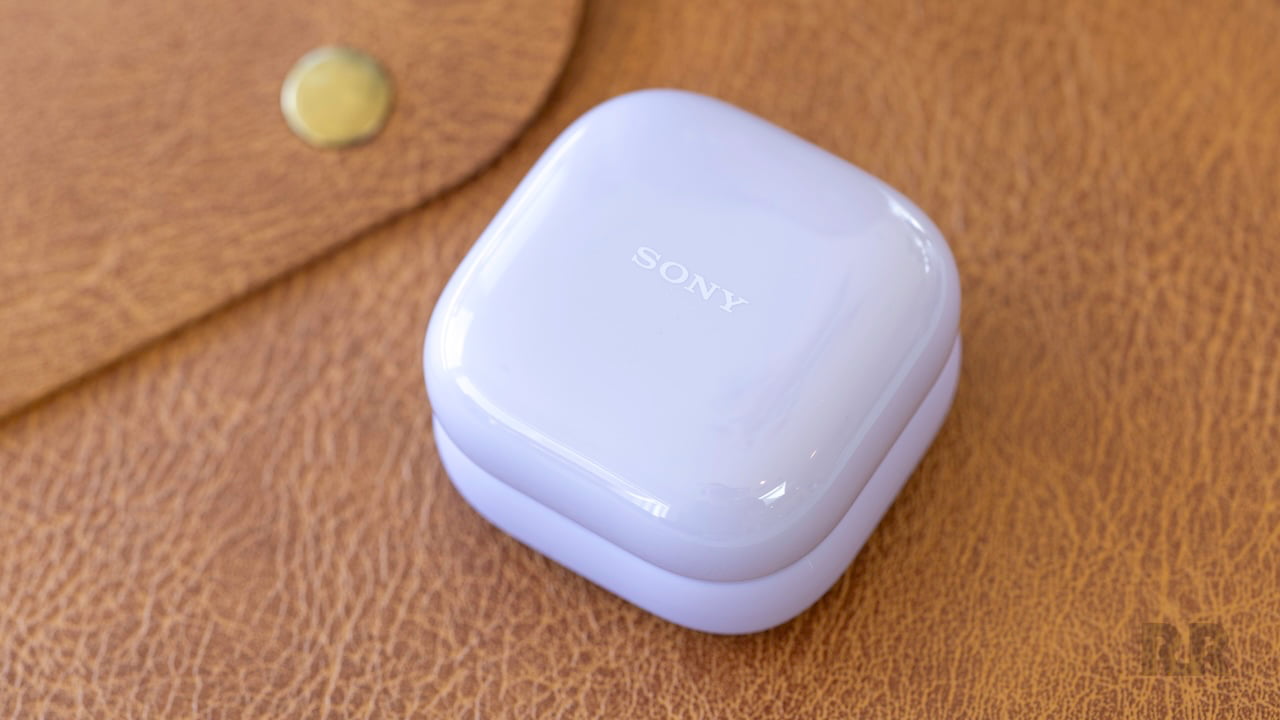
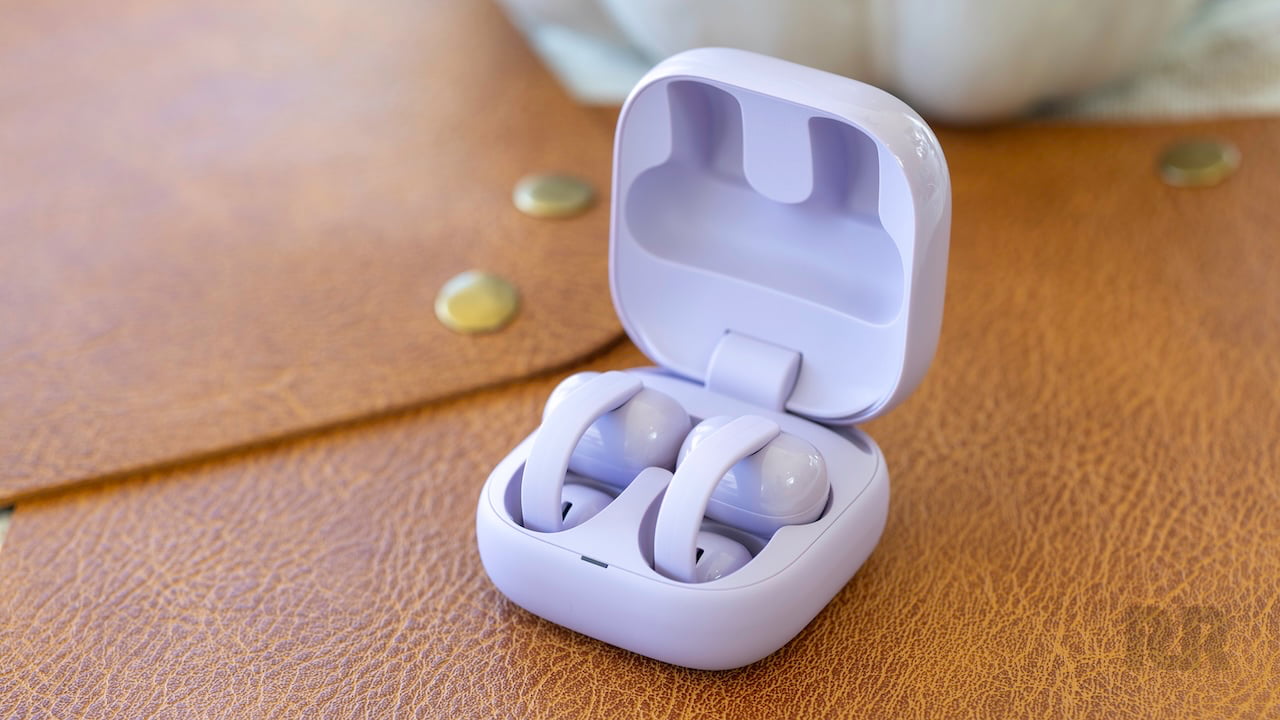
Battery life is a clear upside. Because the LinkBuds Clip don’t rely on active noise cancellation, power demands are lower. Sony rates them at up to nine hours of playback on a single charge, with the charging case providing an additional 28 hours. That’s competitive for this category, though there’s no wireless charging, which feels like an omission at this price.
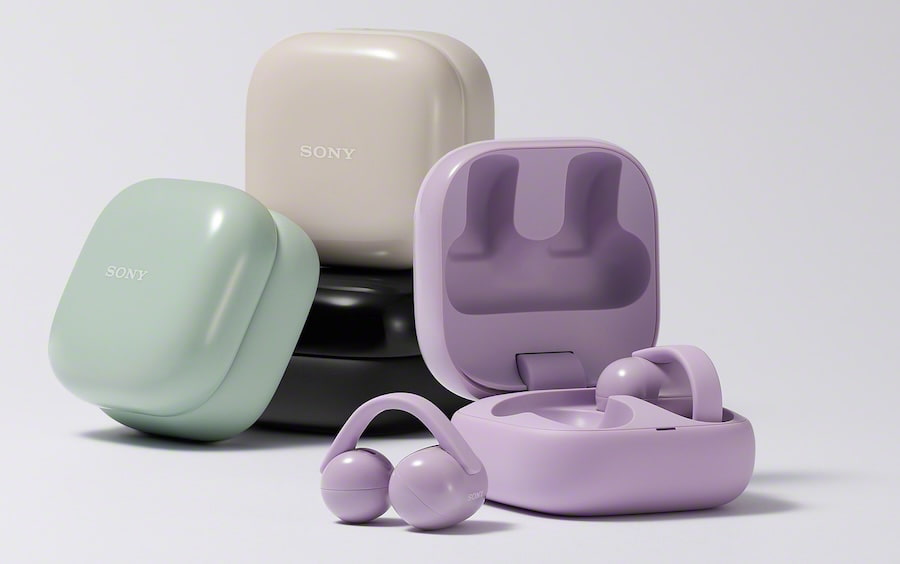
In the box, you’ll find the earbuds, the charging case, and multiple fitting cushions to help dial in comfort and stability. The charging cable is sold separately. The case itself measures approximately 50.4 x 50.4 x 32.6 mm and weighs about 42 grams per earbud. Connectivity is handled via Bluetooth 5.3 with a stated effective range of up to 10 meters, operating in the standard 2.4 GHz band. Supported Bluetooth profiles include A2DP, AVRCP, HSP, and HFP.
Accessorize to Your Heart’s Content
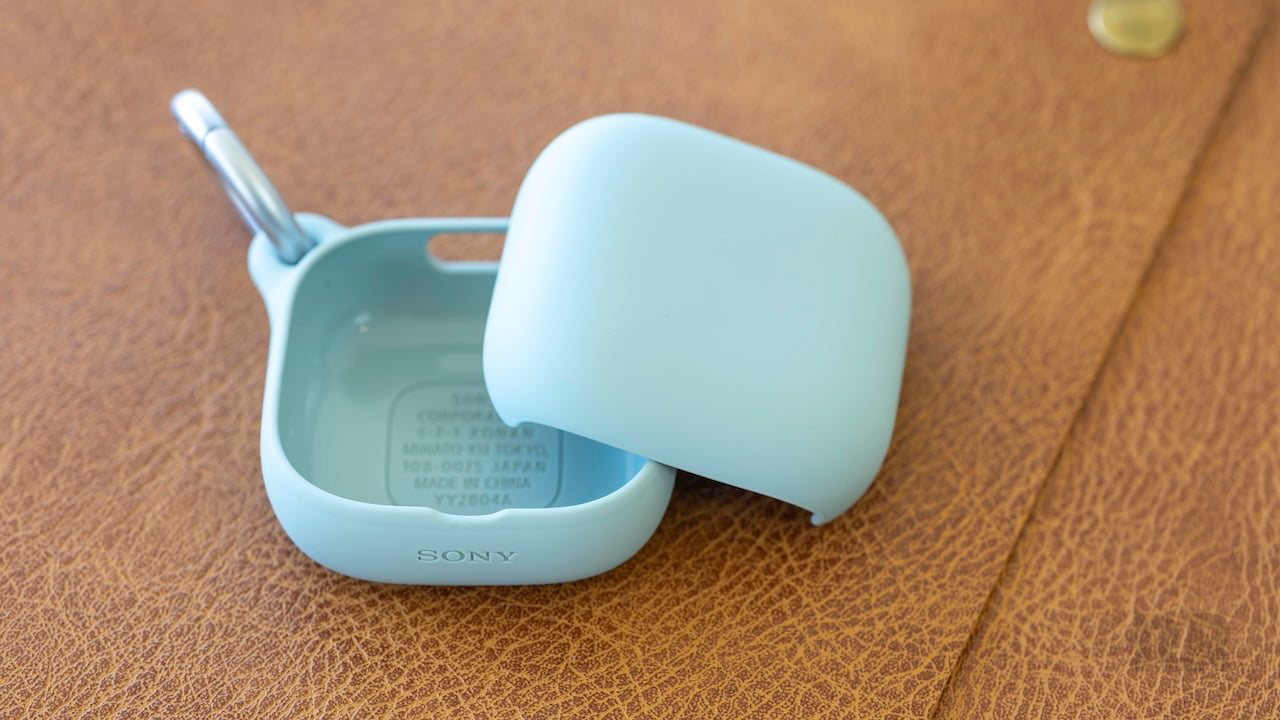
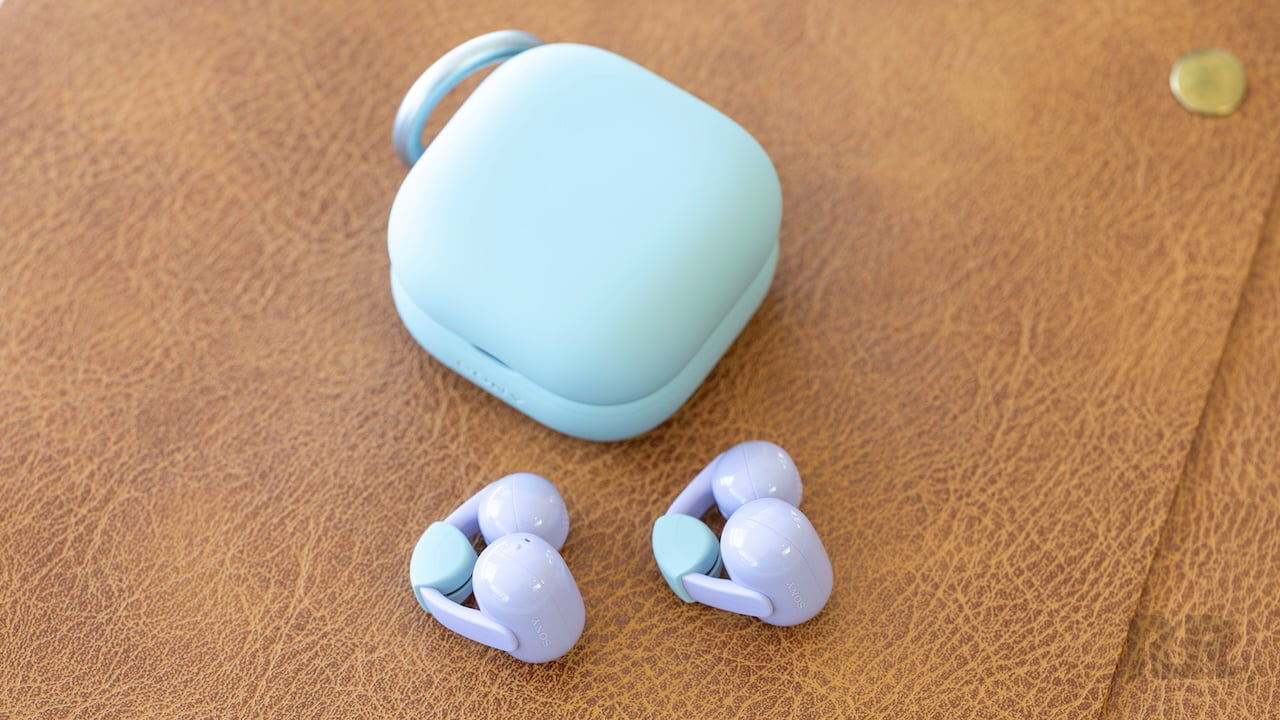
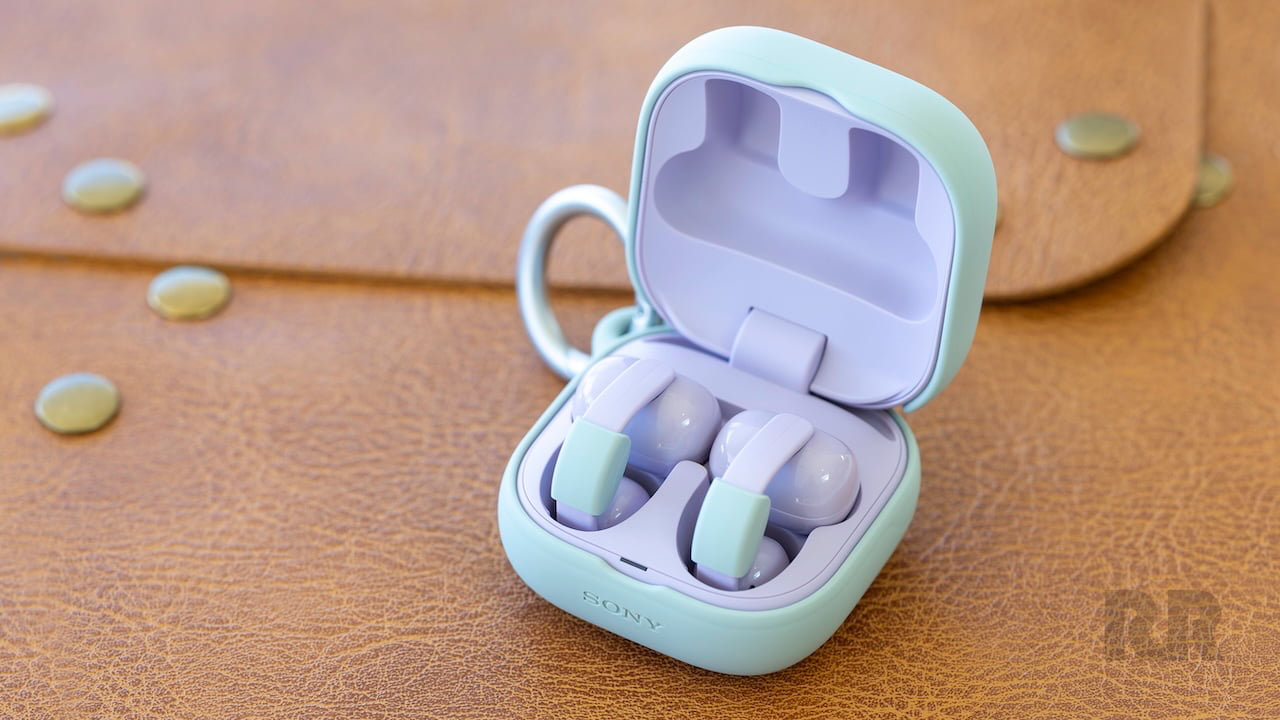
While I typically gravitate toward muted, neutral colorways, there’s clearly a sizable group of buyers who appreciate having more playful options. My wife included. She was particularly taken with the lavender earbuds paired with the mint-colored case protector, a combination that leans more toward “cute” than understated.
Color preferences won’t matter to everyone, but for listeners who value personalization and aesthetic appeal, Sony’s willingness to offer bolder choices adds to the LinkBuds Clip’s broader appeal.
LinkBuds Clip owners can purchase these rubberized case protectors directly from Sony for $24.99. In use, they do a good job of preventing scratches and cosmetic wear on the charging case. The material is also easy to clean, making it a low-maintenance option for listeners who are particular about keeping their gear looking presentable.
Practical Listening Modes for Everyday Use
One of the LinkBuds Clip’s core features is the ability to switch between listening modes. I usually treat these sorts of options as gimmicks, but given the unusual form factor of the LinkBuds Clip, I gave them a fair shot. Modes can be changed either through the companion app or by tapping an earbud, and include Standard, Voice Boost, and Sound Leakage Reduction.
Voice Boost mode processes the audio to emphasize vocals and improve intelligibility. For music, it comes across as a fairly mediocre EQ preset. For spoken-word content, however, it is genuinely useful, making audiobooks and podcasts easier to follow in the presence of nearby noise. Not all voices benefit equally; deeper male voices tend to gain less clarity than average or higher-pitched ones.
Sound Leakage Reduction Mode is a more peculiar option. It appears to alter driver behavior while also applying an EQ that reduces higher-frequency content, which is more likely to escape the ear. The mode does reduce audible leakage, but it does so at the expense of sound quality. In especially sensitive environments—such as open-plan offices, waiting rooms, or museums—simply lowering the volume in Standard mode may be the better solution.
Audio Quality Won’t Impress Enthusiasts
Sony itself acknowledges that most consumers consider sound quality to be the most important aspect of an earphone. With that in mind, the company has clearly put effort into extracting as much performance as possible from the open-ear form factor. That’s a tall order, given the inherent limitations of abandoning a seal in the ear—and, unsurprisingly, the LinkBuds Clip don’t really compete with conventional true wireless earbuds when it comes to sound.
Low-end presence is limited, and clarity suffers on busy or densely layered tracks. Mainstream pop remains perfectly listenable, but more complex genres such as metal and alternative quickly expose the shortcomings. Sony’s companion app does provide access to a 10-band EQ, which helps. With some careful tuning, it’s possible to squeeze out a bit more clarity and balance tailored to your ear anatomy, but even then the LinkBuds Clip fall short of the performance offered by traditional wireless earbuds or headphones.
That’s largely to be expected. Listeners who prioritize fidelity, or who don’t regularly consume spoken-word content like podcasts or audiobooks, simply aren’t the target audience here. Enthusiasts and audiophiles will likely be better served by conventional designs—or by sticking with wired solutions—especially given the LinkBuds Clip’s price point.
The Bottom Line
The Sony LinkBuds Clip succeed on their own terms. They deliver a highly convenient, low-friction wireless experience for listeners who value comfort, awareness, and flexibility—especially those with smaller ears who struggle with conventional earbud designs. Sony’s thoughtful hardware design and well-integrated, AI-assisted features make them easy to live with, particularly for podcasts, audiobooks, and everyday movement.
That convenience comes with tradeoffs. The open-ear form factor limits sound quality and low-end performance, and listeners who prioritize isolation or high-fidelity playback will find better value in more traditional true wireless options like the Sony WF-1000XM5 or Sony LinkBuds Fit. At $229, the LinkBuds Clip are a niche product—but for the right listener, they fill that niche effectively.
Who This is For
- Gym-goers, hikers, bikers, and other active listeners
- Professionals that need environmental awareness
- Parents that need to be able listen for their children
- Podcast and E-book consumers
- Don’t mind lack of wireless charging option
Who This is Not For
- Buyers looking for top-quality audio
- Those that require noise isolation
- Might be less comfortable for those with above-average ear sizes
- Listeners looking to maximize price-to-performance
Where to buy
Sony LinkBuds Clip are available now in black, greige, green, and lavender.
LinkBuds Clip case covers and Fitting Cushions are available now in coral, green, blue, lavender, and black for $12.49 at Sony.
Related Reading:
- Bose Ultra Open Earbuds Review
- 8 Open-Ear Style Wireless Earbuds Compared
- Cleer Audio to Unveil THX-Certified ARC 4 Wireless Earbuds
















Joe
January 29, 2026 at 5:53 pm
The Sony Linkbuds S earbuds are among the best I’ve ever owned. Problem with the two that I purchased consecutively is that after one year the battery peters out in left bud. Seems to be an issue that Sony never addresses.
Hope these new ones fair better.