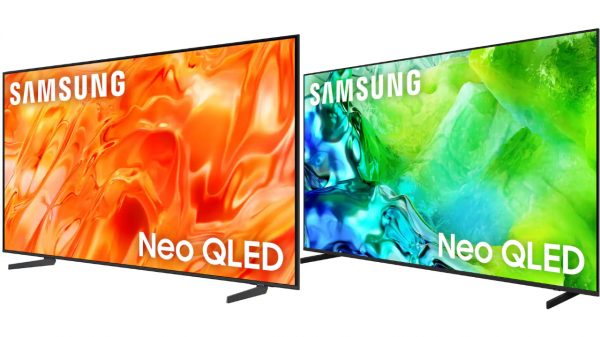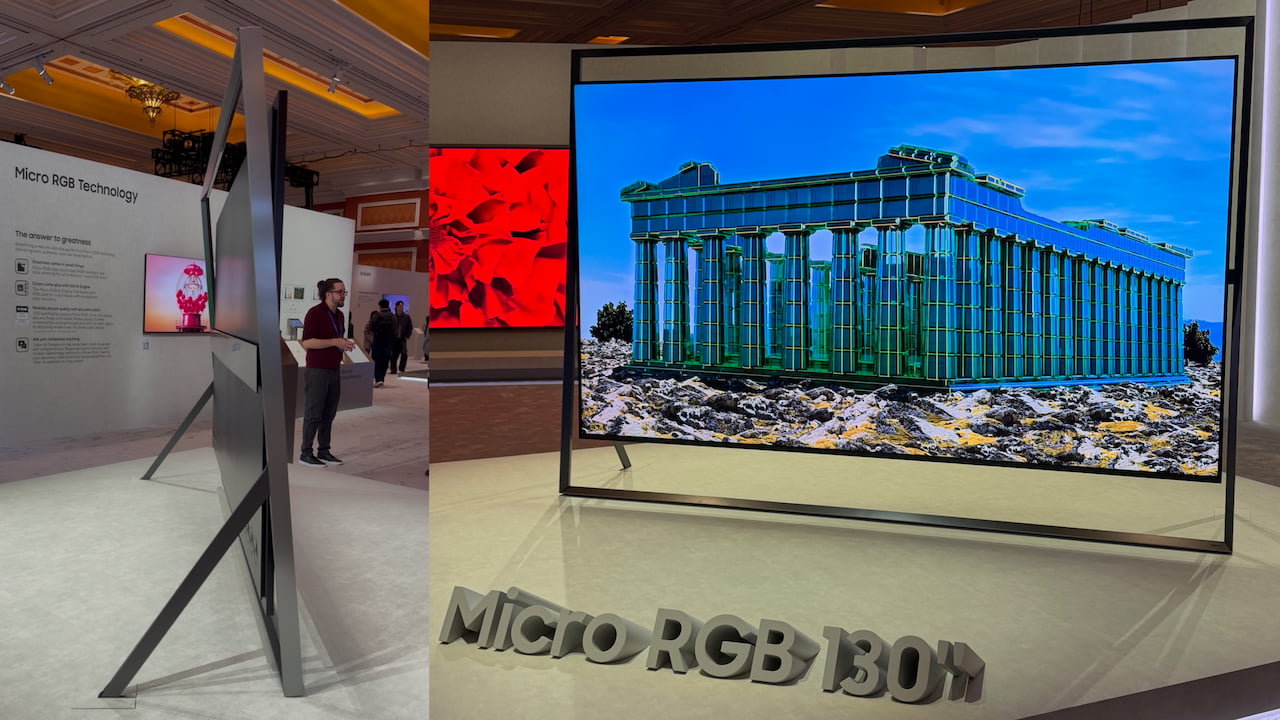
Samsung Electronics used an early CES 2026 preview in Las Vegas to push its ultra-premium TV ambitions further, unveiling the 130-inch Micro RGB TV (R95H)—its largest Micro RGB display to date and a clear signal that the company is rethinking scale and industrial design at the top of its lineup. While the TV is more than just a “concept,” it does not yet have final pricing nor an estimate as to retail availability.
However, it does serve as a showcase for how far the company believes Micro RGB can be pushed, and it stands as one of the boldest—and most technically ambitious—TVs shown at CES this year.
What Is Micro RGB LED & Why It Matters
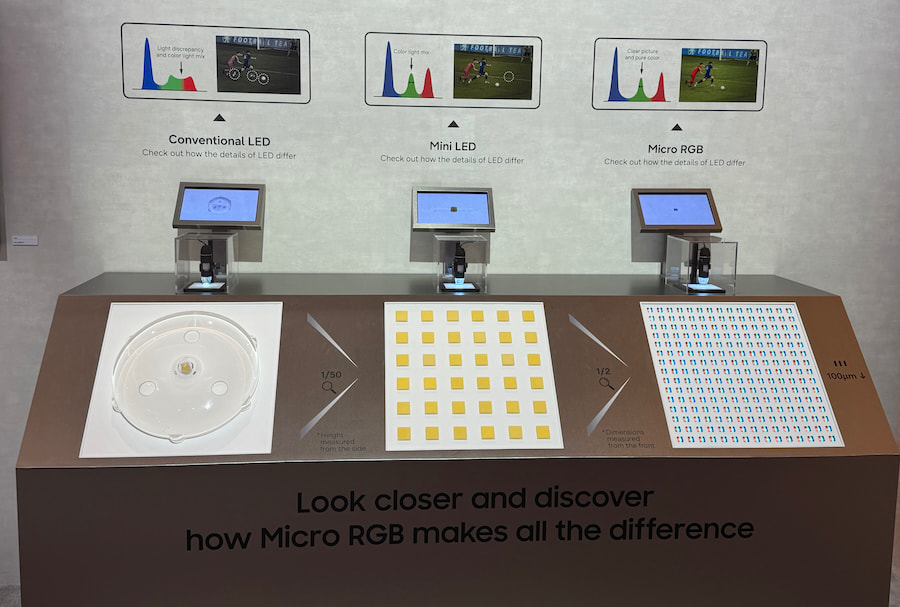
Micro RGB LED is an evolution of LCD TV backlighting, not a replacement for the LCD architecture itself. Like RGB-MiniLED, it abandons traditional white or blue LED backlights in favor of individually controlled red, green, and blue LEDs positioned behind the LCD panel. The goal is straightforward: higher color purity, improved brightness control, and fewer compromises as luminance increases. The tradeoff is equally real. These systems are more complex to manufacture, harder to keep uniform at scale, more demanding in power management, and significantly more expensive. There is no perfect display technology, and Micro RGB is no exception.
In 2025, both Hisense and Samsung Electronics began commercializing this approach, with Hisense branding it RGB-MiniLED (formerly TriChroma LED) and Samsung calling its implementation Micro RGB. The underlying concept is the same. Samsung’s distinction comes from using smaller individual backlight elements, measuring under 100 micrometers, compared to roughly 100 to 200 micrometers in many RGB-MiniLED systems. That naming difference is more about positioning than a fundamental break in technology. Sony has also previewed similar RGB backlighting to journalists, though it has yet to announce production models.
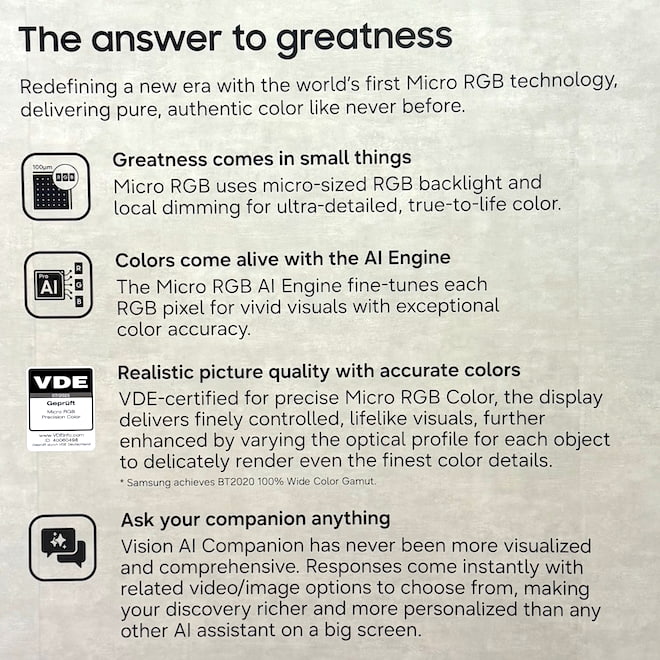
Both RGB-MiniLED and Micro RGB remain LCD-based technologies. They still rely on a liquid crystal layer to form the image and still use a color filter, but that filter and the processing behind it have been redesigned to work with dynamically controlled red, green, and blue light sources. The LEDs are grouped into zones behind the panel, and unlike conventional Mini-LED systems, each primary color can be controlled independently. The result is an LCD image with far more precise color and luminance control, narrowing the gap with emissive technologies like OLED and MicroLED, while retaining the brightness advantages of LCD.
What began as an ultra-exclusive solution for displays well over 100 inches is now starting to filter down into more realistic screen sizes, typically in the 55- to 85-inch range, from multiple manufacturers. Pricing remains the big unknown, with clearer guidance expected during CES and into Q1. For readers who want to understand where Micro RGB fits—and where it still falls short—we recommend reading our in-depth explanation that breaks down how this technology works, why it matters, and how it compares to OLED and Mini-LED in the real world.
Samsung 130-Inch Micro RGB TV (R95H): What We Know So Far
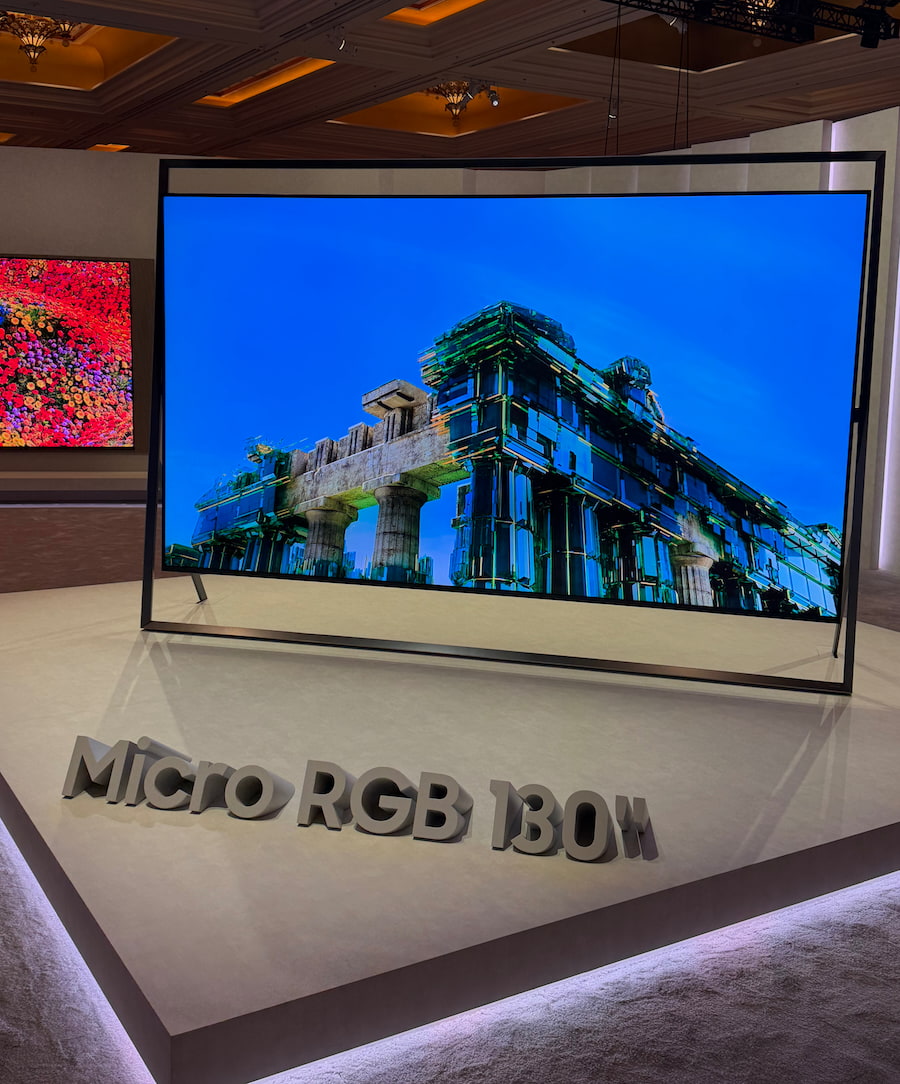
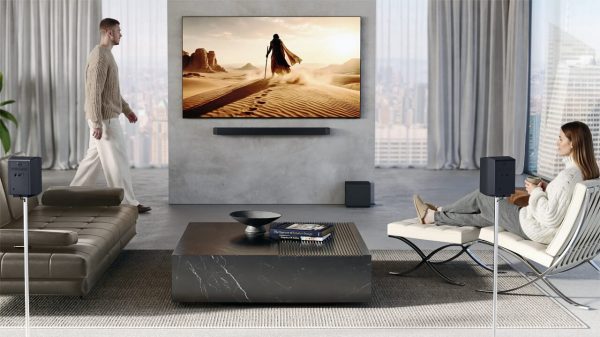
The 130-inch Micro RGB TV underscores Samsung’s push to blend large-scale display engineering with a more deliberate, design-forward approach. Its size alone is commanding, but Samsung is clearly positioning the display as an architectural element rather than a conventional television. The goal is immersion without visual dominance, using scale, proportion, and integrated audio to make the screen feel like part of the room rather than an object sitting in it.
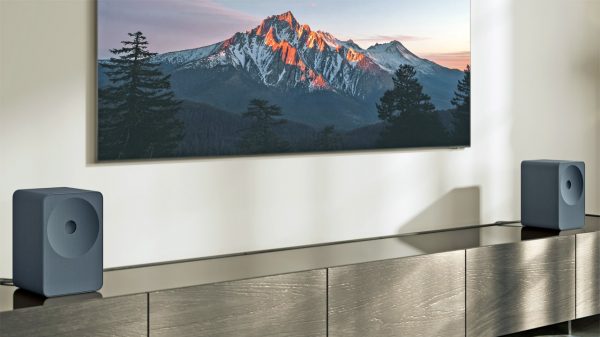
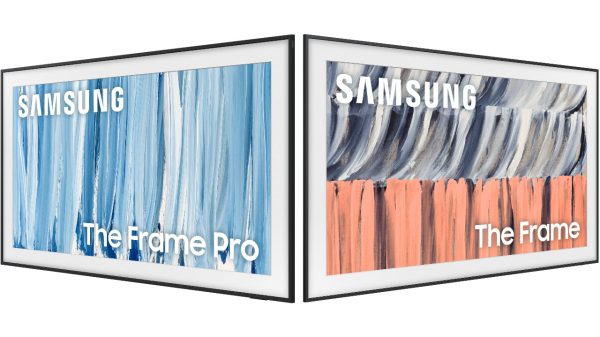
Visually, the TV adopts a gallery-inspired design built around Samsung’s updated Timeless Frame, an evolution of the company’s earlier Timeless Gallery concept first introduced in 2013. The refined frame is intended to present the display as a framed window rather than a slab of glass, with the screen appearing to float within its borders. Audio is integrated into the frame itself and tuned to match the display’s scale, aiming for a more cohesive relationship between picture and sound without relying solely on external speakers.
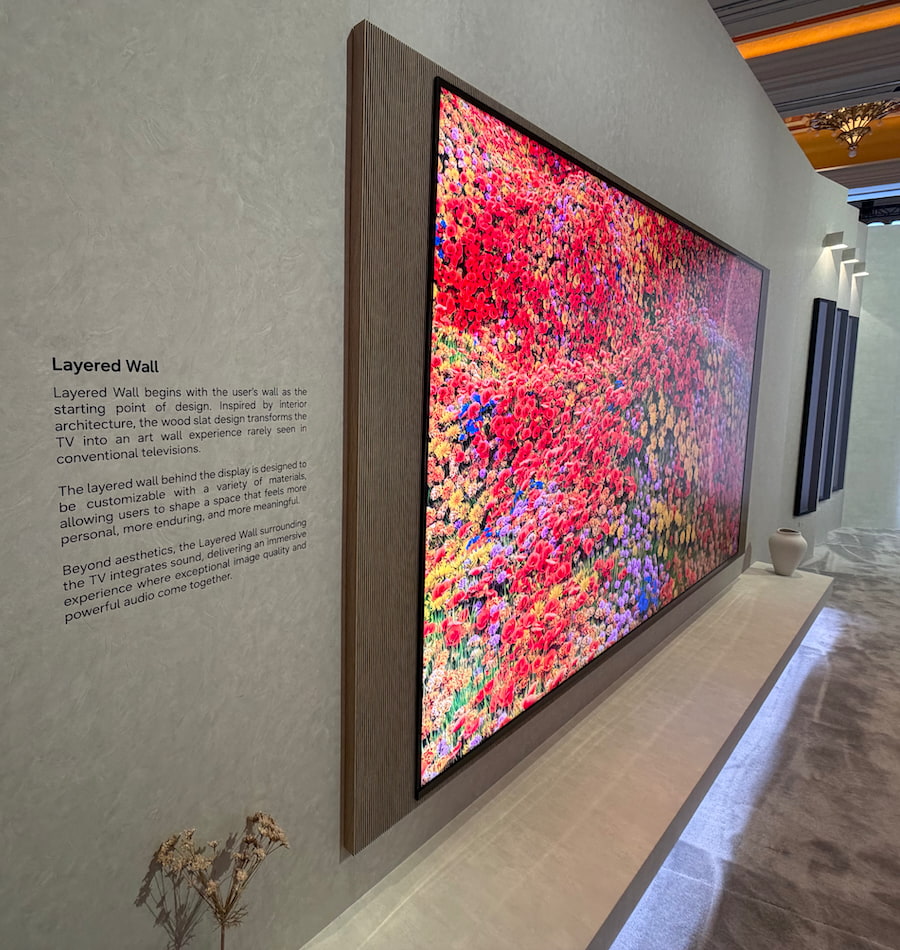
On the technical side, the 130-inch model showcases Samsung’s most advanced Micro RGB implementation to date. Processing is handled by the Micro RGB AI Engine Pro, alongside Micro RGB Color Booster Pro and Micro RGB HDR Pro, which apply AI-based processing to improve color gradation, manage contrast, and maintain detail across bright and dark scenes.
The display is rated for 100 percent BT.2020 color gamut coverage under Samsung’s Micro RGB Precision Color 100 specification and has received VDE certification for color accuracy. Samsung’s Glare Freescreen treatment is also included to reduce reflections and preserve contrast under a wider range of lighting conditions.
The TV supports HDR10+ Advanced and Eclipsa Audio, and incorporates Samsung’s latest Vision AI Companion features. These include conversational search, recommendation tools, and access to AI-driven functions such as AI Football Mode Pro, AI Sound Controller Pro, Live Translate, Generative Wallpaper, and integrations with Microsoft Copilot and Perplexity. As with the display itself, these features are positioned as part of a broader ecosystem rather than as standalone headline upgrades.
The Bottom Line
Samsung’s 130-inch Micro RGB TV is a freestanding, architectural display intended to live in a space the way a large installation or structural element would, not something you bolt onto drywall and hope for the best. At this scale, the question isn’t mounting options—it’s whether your room, wall, floor, and layout can realistically accommodate something this massive.
Samsung is also making its strongest case yet for deep AI integration as a core part of the TV experience. Vision AI Companion and the accompanying AI-driven picture, sound, and interaction features are clearly central to the concept, positioning this display as much a computing platform as a screen. Some of that intelligence will trickle down, but here it’s being used to show how far Samsung plans to push automation, optimization, and content interaction at the top end.
The lingering questions remain unavoidable. Pricing hasn’t been discussed, but it’s hard to imagine this coming in under $50,000, and timing is completely undefined. This is not a TV you’ll find at Best Buy, and it’s unlikely to ever be widely available. Whether it eventually reaches select buyers or remains a low-volume halo product, the intent is clear: Samsung wants to redefine what an ultra-premium LCD display can be, and it’s doing so on its own terms.
Related Reading:
- CES 2026 Coverage
- LG Enters The Micro RGB LED TV Race With Evo MRGB95B: CES 2026
- Samsung Expands Micro RGB LED TV Line Ahead Of CES 2026
- WTF Are RGB-MiniLED And Micro RGB LED TVs? Breaking Down The Next-Gen Display Tech