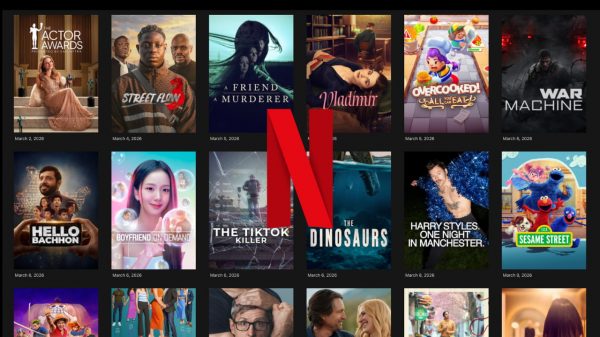
In a move that feels less like a routine media deal and more like Vecna ripping open the Upside Down, Netflix confirmed it has entered into a definitive agreement to acquire Warner Bros., HBO, and HBO Max. This isn’t just another streaming headline—it’s a tectonic shift that pulls one of Hollywood’s most storied studios into the gravitational field of the world’s biggest video streaming platform. The implications for movies, television, licensing, and the future of premium content are enormous, and every rival—from Disney to Amazon—is about to feel the Demogorgon’s breath on their neck.
The Financial Highlights
Here’s the hard math behind the headline-grabbing chaos:
The deal values Warner Bros. Discovery at an enterprise total of roughly $82.7 billion, anchored by a $27.75 per-share cash-and-stock offer that reflects an equity value of $72 billion. Netflix isn’t just buying a studio; it’s taking on one of the largest entertainment portfolios on the planet, and the price tag reflects the scale of that ambition.
The transaction is slated to close after WBD completes the previously announced spin-off of its Global Networks division—Discovery Global—into a separate publicly traded company, a process now targeting Q3 2026. That restructuring clears the runway for Netflix to absorb the crown jewels: Warner Bros.’ century-spanning film and TV library, plus full control of HBO and HBO Max, two brands synonymous with prestige and cultural impact.
On paper, this merger fuses the world’s dominant streaming service with one of Hollywood’s deepest content arsenals. In reality, it sets the stage for a power shift that could redefine everything from theatrical windows to how television and movies are funded, licensed, and distributed.
What Netflix & Warner Bros. Discovery Are Saying
From Ted Sarando, Co-CEO of Netflix: “Our mission has always been to entertain the world,…By combining Warner Bros.’ incredible library of shows and movies—from timeless classics like Casablanca and Citizen Kane to modern favorites like Harry Potter and Friends—with our culture-defining titles like Stranger Things, KPop Demon Hunters, and Squid Game, we’ll be able to do that even better. Together, we can give audiences more of what they love and help define the next century of storytelling.”
From Greg Peters, Co-CEO of Netflix: “This acquisition will improve our offering and accelerate our business for decades to come,…Warner Bros. has helped define entertainment for more than a century and continues to do so with phenomenal creative executives and production capabilities. With our global reach and proven business model, we can introduce a broader audience to the worlds they create—giving our members more options, attracting more fans to our best-in-class streaming service, strengthening the entire entertainment industry, and creating more value for shareholders.”
David Zaslav, President and CEO of Warner Bros. Discovery: “Today’s announcement combines two of the greatest storytelling companies in the world to bring to even more people the entertainment they love to watch the most,…For more than a century, Warner Bros. has thrilled audiences, captured the world’s attention, and shaped our culture. By coming together with Netflix, we will ensure people everywhere will continue to enjoy the world’s most resonant stories for generations to come.”
Why This Makes Sense for Netflix
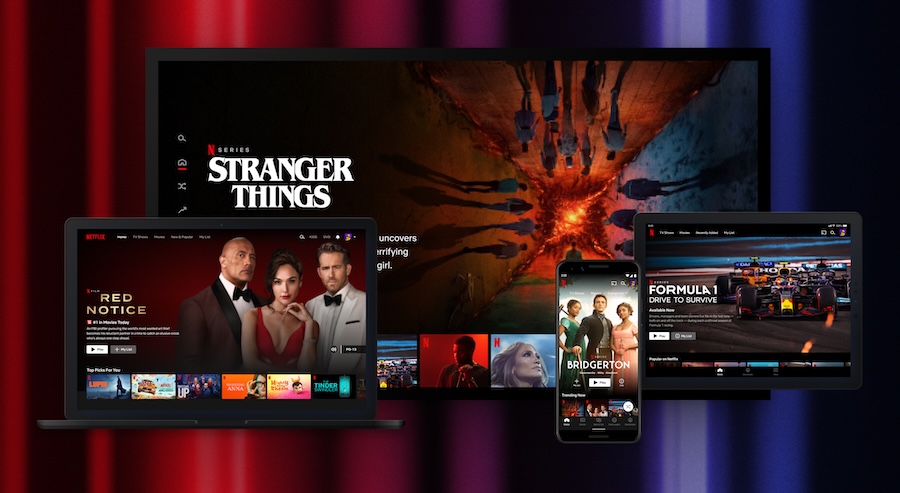
The strategic upside isn’t subtle: Netflix effectively absorbs one of its toughest streaming rivals by taking control of HBO Max, but the real jackpot is Warner Bros.’ vast film and TV library plus its world-class production infrastructure. Fold in WB’s century-old studios, global facilities, post-production assets, and Netflix’s own expansions in New Mexico and its forthcoming New Jersey mega-studio in Monmouth County on the Jersey Shore, and the company evolves from a content-hungry streamer into a fully armed Hollywood production empire. If Netflix wanted to crank out premium films and series at a rate that would make even a caffeinated showrunner sweat, this is how you do it.
Then there’s the intellectual property haul. Netflix gains access to global juggernauts like Harry Potter, The Lord of the Rings, Dune, The MonsterVerse, and the DC Universe—the kind of evergreen franchises that anchor theaters, streaming charts, and theme-park dreams. Combine those with Netflix’s own heavyweight originals like Stranger Things, Squid Game, Wednesday, and new audience magnets like K-Pop Demon Hunters, and Netflix finally steps into the franchise arena with actual nuclear options instead of improvised fireworks.
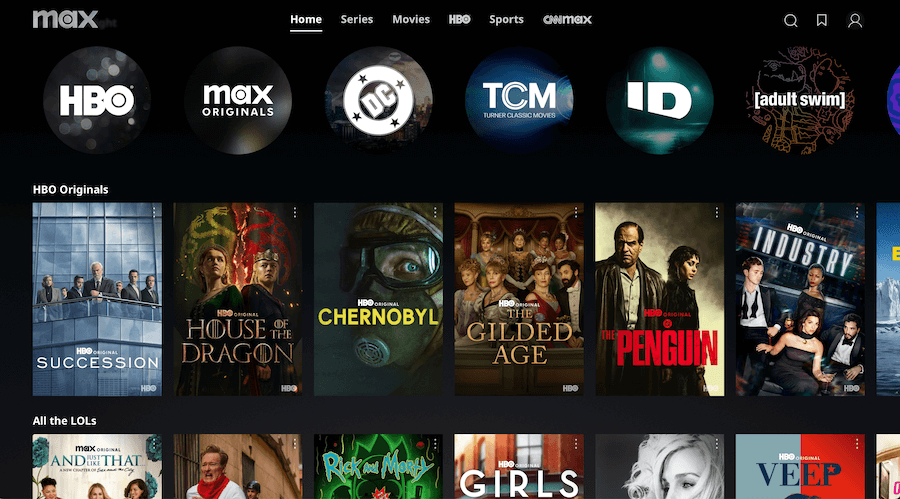
And let’s not forget the crown jewels from HBO that will inevitably make their way onto Netflix’s platform. Prestige pillars such as The Last of Us, House of the Dragon, Euphoria, The White Lotus, Succession, and the entire The Sopranos and Game of Thrones libraries become part of Netflix’s arsenal. That’s not just content; that’s cultural currency. Bringing HBO’s premium storytelling into the Netflix ecosystem turns the world’s biggest streamer into the definitive destination for both watercooler TV and tentpole spectacle—something no competitor can claim with a straight face.
Managing the WB Content Library
With more than a century of Warner Bros. film and television history now under its umbrella, Netflix suddenly controls one of the deepest libraries in global entertainment. That gives the company an endless reservoir of titles to rotate across both Netflix and HBO Max, while also unlocking lucrative licensing plays. Netflix can lease out specific shows and films to rival streamers, cable networks, and broadcast outlets on fixed windows—turning the WB archive into a revenue-generating machine that never sleeps. Even older Netflix originals could get a second life through cross-platform circulation, something the company has historically been hesitant to do.
There’s also the preservation question. Warner Bros.’ film restoration efforts—including the beloved Warner Archive physical media division—have long been a lifeline for cinephiles who want pristine restorations of everything from classic noir to deep-cut animation. Whether Netflix will continue investing in those efforts is an open question, and collectors aren’t exactly calm about it. Physical media forums went DEFCON-2 the moment the acquisition news dropped, with many fearing that Netflix—historically indifferent to discs—might scale back or even shutter physical releases from the archive. For now, the potential upside is clear: Netflix gains a powerful, revenue-rich catalog. The mystery is whether it will preserve that heritage with the same care WB’s archivists have shown for decades.

The Big AI Push
AI is the new gravitational force in streaming, and Netflix has already begun weaving it into the platform with its upgraded AI-powered homepage search. With the combined libraries of Netflix and HBO Max soon merging under one corporate roof, the need for smarter discovery becomes unavoidable. Expect AI to act as a universal content compass—instantly telling viewers where a title lives, surfacing deep-cut catalog gems, and even shuttling users directly to the correct subscription page if what they want sits on the other service. Convenience, yes. A little dystopian? Also yes.
But there’s a darker undercurrent. As soon as the acquisition news broke, unions wasted no time sounding the alarm. The fear is simple: a Netflix this powerful, armed with both a historic content empire and an aggressive AI strategy, will come back to the bargaining table looking to rewrite terms on labor, residuals, and creative protections. Add concerns about AI replacing actors or spawning “AI edits” of legacy content, and you have a perfect storm of anxiety brewing across Hollywood. The tech may make it easier to find what to watch, but the industry is already bracing for what it might cost.
What This Means for Pricing
Subscriber pricing is the billion-dollar question, and right now the answer is a very cautious “we’ll see.” Netflix sits on the streaming throne with more than 300 million global subscribers, while HBO Max brings roughly 130 million of its own to the table. Their top ad-free tiers currently run $24.99 for Netflix and $22.99 for HBO Max. Anyone subscribing to both today is handing over $47.98 per month, which is the kind of math that makes households rethink who actually needs three simultaneous streams.
Netflix has already framed the two services as complementary, not competitive, which strongly hints at future bundle options. A discounted pairing could supercharge adoption for both platforms, especially in markets where HBO Max hasn’t fully scaled. But as of now, Netflix isn’t making immediate pricing moves—publicly, anyway. With the acquisition expected to close in late 2026, it’s hard to imagine they’re not modeling every possible bundle, upsell, and “premium tier” behind the scenes. Once the ink dries on this deal, expect pricing news to follow.
The State of the Streaming Landscape
Netflix just detonated the status quo across both streaming and theatrical ecosystems. Overnight, the world’s largest streamer also became the owner of the fourth-largest streaming service. That’s not consolidation—that’s absorption. And when you look at the numbers, the power imbalance becomes impossible to ignore.
Approximate global subscriber counts paint the picture:
- Netflix: 301 million
- Amazon Prime Video: 200 million
- Disney+: 131-153 million
- Max (HBO/Discovery+): 130 million
- Tencent Video (China): 114 million
- iQIYI (China): 101 million
- JioCinema (India): 100 million
- Paramount+: 79 million
- Hulu: ~55-64 million
- Peacock: 41 million
Put simply, Netflix was already king. Add HBO Max’s 130 million subscribers into that orbit—even if the services remain separate—and the distance between Netflix and its rivals becomes the kind of gap you only see in F1 when a team brings the “illegal but not technically illegal” upgrade package.
Amazon Prime Video sits in second place but still trails by a canyon. Disney, even when paired with Hulu, can’t close the gap. Everyone else is fighting for relevance. And then there are the stragglers: Paramount+, freshly folded into Skydance, and Peacock, NBCUniversal’s perennial “we swear it’s growing” platform. Both services are deep in the danger zone. The question isn’t if they’ll be forced into mergers or shutdowns; it’s when the pressure becomes too much.
Netflix has reshaped the battlefield. Some players will adapt. Others will disappear. But the era of a dozen competing platforms is over, and this acquisition just lit the fuse.
What Happened to the Skydance/Paramount Bid for WB/HBO?
Skydance/Paramount was very much in the hunt for Warner Bros., submitting its own acquisition bid—but WB ultimately chose Netflix’s offer instead. The wrinkle? Skydance/Paramount reportedly offered $30 per share, a number higher than Netflix’s $27.75 valuation. That discrepancy has turned into a full-blown grievance: Skydance/Paramount has now filed a complaint with the Warner Bros. Discovery board, accusing the sale process of being unfair and improperly handled.
Warner Bros. Discovery responded with boilerplate corporate calm:
“Please be assured that the WBD Board attends to its fiduciary obligations with the utmost care, and that it has fully and robustly complied with them and will continue to do so.”
But the story doesn’t stop at spreadsheets and fiduciary language. Skydance/Paramount—along with CBS News—is run by the Ellison family, whose close ties to the Trump administration are already fueling speculation that political pressure may be deployed to derail or re-examine the Netflix deal on antitrust grounds. The irony, of course, is that Skydance had no objections to the rules or the process when they were the ones making the offer. Losing out to Netflix not only bruises the ego; it opens the door for a very public, very political counterattack.
Netflix may have won the bidding war, but it hasn’t heard the last from Skydance—or from Washington.
It Ain’t Over Yet
A deal this massive doesn’t just trigger headlines—it activates every regulator, guild, and industry watchdog with a pulse. Netflix now faces scrutiny from U.S. and international regulators, plus formal complaints and objections from Skydance/Paramount, the Directors Guild of America, the Writers Guild of America, and even The European Theater Owners’ Group. Each of these parties sees the acquisition as a seismic shift that could give Netflix unprecedented control over production, distribution, and retail access to premium content.
Underneath the legal filings is a deeper anxiety rooted in Netflix’s past behavior. The company has a long history of tightly controlling where and when its original films are shown—often pulling titles from theaters after a token two-week run before locking them behind the Netflix paywall. That legacy has cinema owners worried and guilds demanding hard guarantees: full theatrical windows, real exhibition commitments, and assurances that major films won’t simply vanish from big screens in favor of streaming metrics.
Netflix has been investing more heavily in its film slate, signaling at least some desire to play nicer with theaters. But let’s be honest—the commitment so far hasn’t been deep, and that’s precisely what alarms stakeholders. With Warner Bros. and HBO now in the mix, the pressure to protect theatrical exhibition, creative labor rights, and competitive access to content is about to intensify. This acquisition may be monumental, but it’s nowhere near done fighting its way through the gauntlet.
The Bottom Line
Here’s the truth: this Netflix–Warner Bros. deal is the biggest power shift Hollywood has seen since Disney swallowed Fox, and it’s going to reshape the ecosystem for years. But it’s not a done deal—not even close. Discovery still needs a full year to spin off its cable networks (TNT, CNN, etc.) into Discovery Global before anything can close, and HBO Max will keep operating as its own service until at least the end of 2026. Warner Bros. will continue making and releasing theatrical films, and the studio’s leadership isn’t being gutted—at least not on paper. So the sky isn’t falling tomorrow.
But let’s not pretend this is business as usual. By late 2026, the studio map will look like this: Netflix owns Warner Bros., Disney owns Fox, Comcast owns Universal, Amazon owns MGM, and Skydance owns Paramount. That’s not a competitive landscape—it’s a handful of media empires carving up the entire theatrical and streaming marketplace. Some of that consolidation brings real positives: deeper libraries, more production capability, potential bundle pricing, and fewer fragmented subscriptions for consumers who are tired of juggling eight apps just to watch a show. If Netflix handles this responsibly, viewers could benefit from clearer choices and easier access to premium content across both services.
The legitimate concerns aren’t paranoia—they’re baked into Netflix’s history. The company’s theatrical commitments have never been deep, and groups ranging from the DGA and WGA to European theater owners want firm assurances that Warner Bros. films won’t be yanked off screens after two weeks so they can be fed straight to the algorithm. Add in political pressure—Skydance and the Ellison family leveraging their ties to Trump-world to question the process, plus antitrust chatter already heating up—and this deal will be dragged through every legal and regulatory arena available.
For consumers, the impact will be massive. Expect bundled pricing, a consolidated content library that blends prestige HBO originals with Netflix’s global juggernauts, and a new level of AI-driven discovery as the platform tries to make sense of its own scale. But also expect tighter control, shorter theatrical windows unless regulators force otherwise, and a future where a handful of companies dictate what gets made, how it gets delivered, and how much you pay for it.
In short: this is the biggest swing Netflix has ever taken, and it could redefine the streaming era—for better, for worse, and almost certainly with collateral damage.
Related Reading
- Premium TV Streaming Plans are Getting Messy: Prices Up, Quality Down
- Netflix Q1 2025 Earnings Soar: AI Search, New Jersey Studio & No Tariff Tantrums
- Netflix Cuts Off Casting to Google TV and New Chromecasts: What Subscribers Need to Know
- Netflix Unlocks the Hitchcock Vault: Stream the Master of Suspense—But Don’t Blink
- Netflix Adds HDR10+: Samsung TV Owners Rejoice!