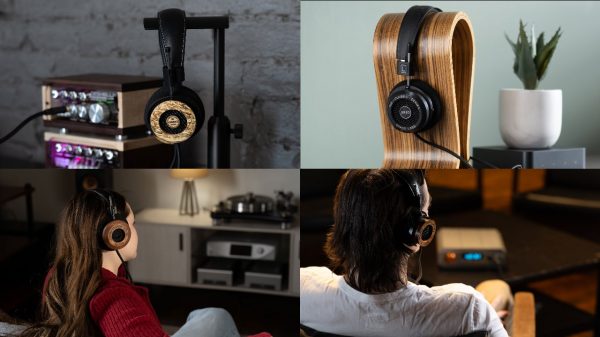
For more than a decade, Drop, born as Massdrop in 2012, was one of the most important community-driven marketplaces in enthusiast tech. It wasn’t just another storefront. It was where headphone obsessives, keyboard nerds, and gear junkies pooled their buying power to will products into existence. Some of the most talked-about collaborations in personal audio came out of that model, including limited-run headphones with brands like Sennheiser that delivered genuine performance at prices the traditional retail channel couldn’t touch.
That chapter is now closing.
Following its 2023 acquisition by Corsair, Drop has confirmed it will cease operating as a standalone e-commerce store. The final day to place orders on Drop.com is March 25, with the site officially transitioning away from direct retail on March 31. Going forward, Drop.com will function as a brand and collaboration hub inside the broader Corsair ecosystem, spotlighting licensed partnerships tied to franchises like The Lord of the Rings, Cyberpunk 2077, and Fallout Nuka Cola.
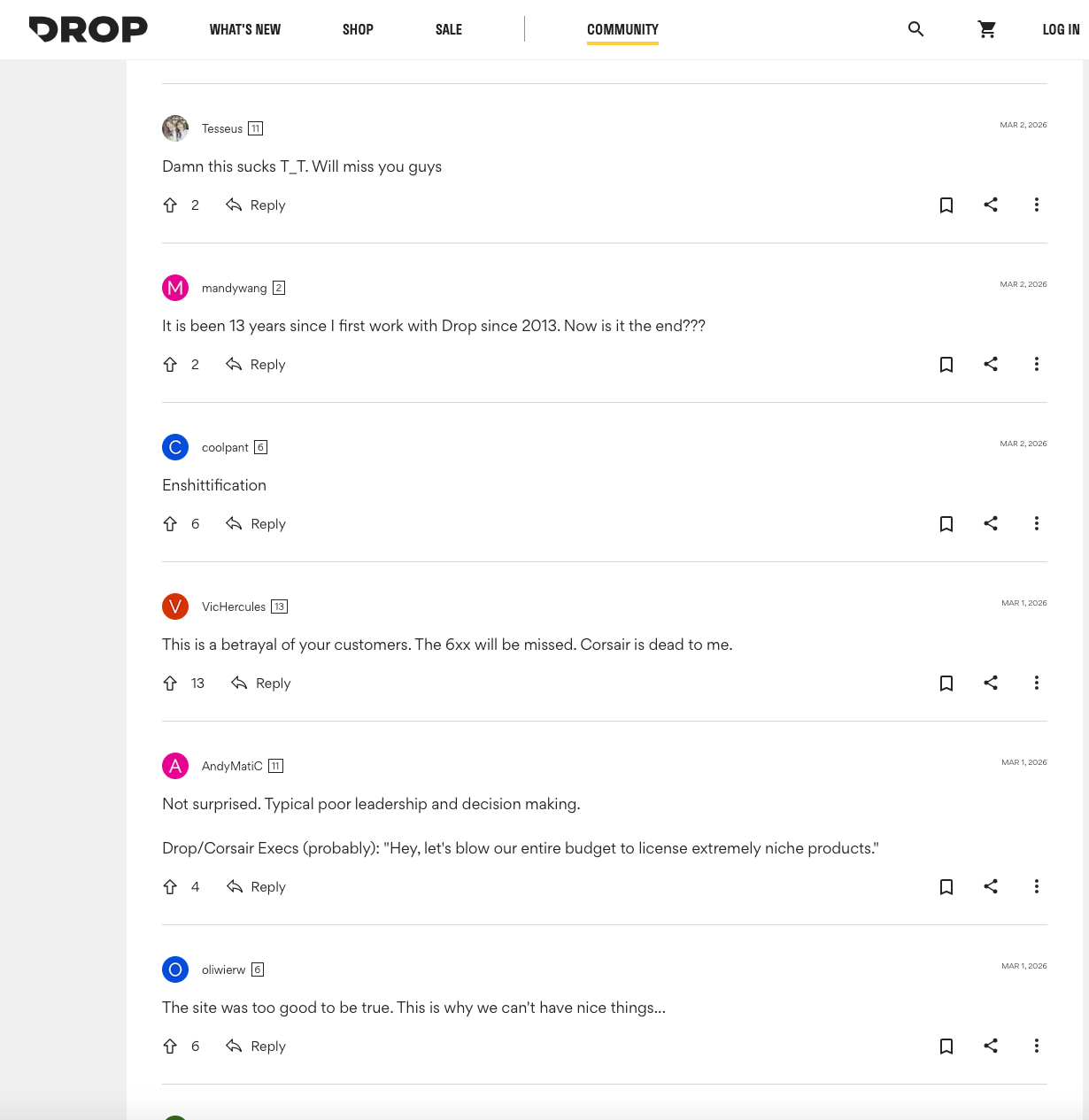
On paper, this is an “evolution.” In practice, it marks the end of the Massdrop model; the community voting, the group buys, the feeling that enthusiasts were steering the ship. And if you’ve spent any time in the forums or comment sections this week, it’s clear the reaction isn’t nostalgic gratitude. It’s frustration. For many longtime members, the independent storefront wasn’t just a place to shop. It was the point.
What the Shutdown Means for Orders, Rewards, Warranties, and Future Availability
Drop’s transition away from operating as a standalone ecommerce store comes with some important deadlines and structural changes that customers need to understand.
The final day to place an order on Drop.com is March 25 at 11:59 PM PT. After that, direct purchasing through the site ends. The good news is that all existing orders, including preorders, will be fulfilled as previously scheduled. There is no disruption to shipments already in the system.
Drop Rewards, however, come with a hard stop. Any unused rewards must be redeemed by March 25. After that date, remaining balances will expire and will no longer be redeemable. If you have credits sitting in your account, this is the moment to use them.
As for products, this is not a complete disappearance. Many Drop designed items will continue to live on through Corsairand partner retail channels. That includes models like the CSTM80 and a range of licensed collaborations. The difference is where and how they are sold. Instead of a centralized community driven storefront, distribution shifts into the broader Corsair retail ecosystem.
Warranties remain intact. All existing product warranties will continue to be honored, and customer service and support will now route through Corsair.
Going forward, select Drop products will be available through Corsair.com as well as major retail partners such as Amazon and Best Buy. In practical terms, Drop transitions from being an independent marketplace powered by its community to becoming a collaboration and product label operating inside a much larger corporate framework.
The Bottom Line
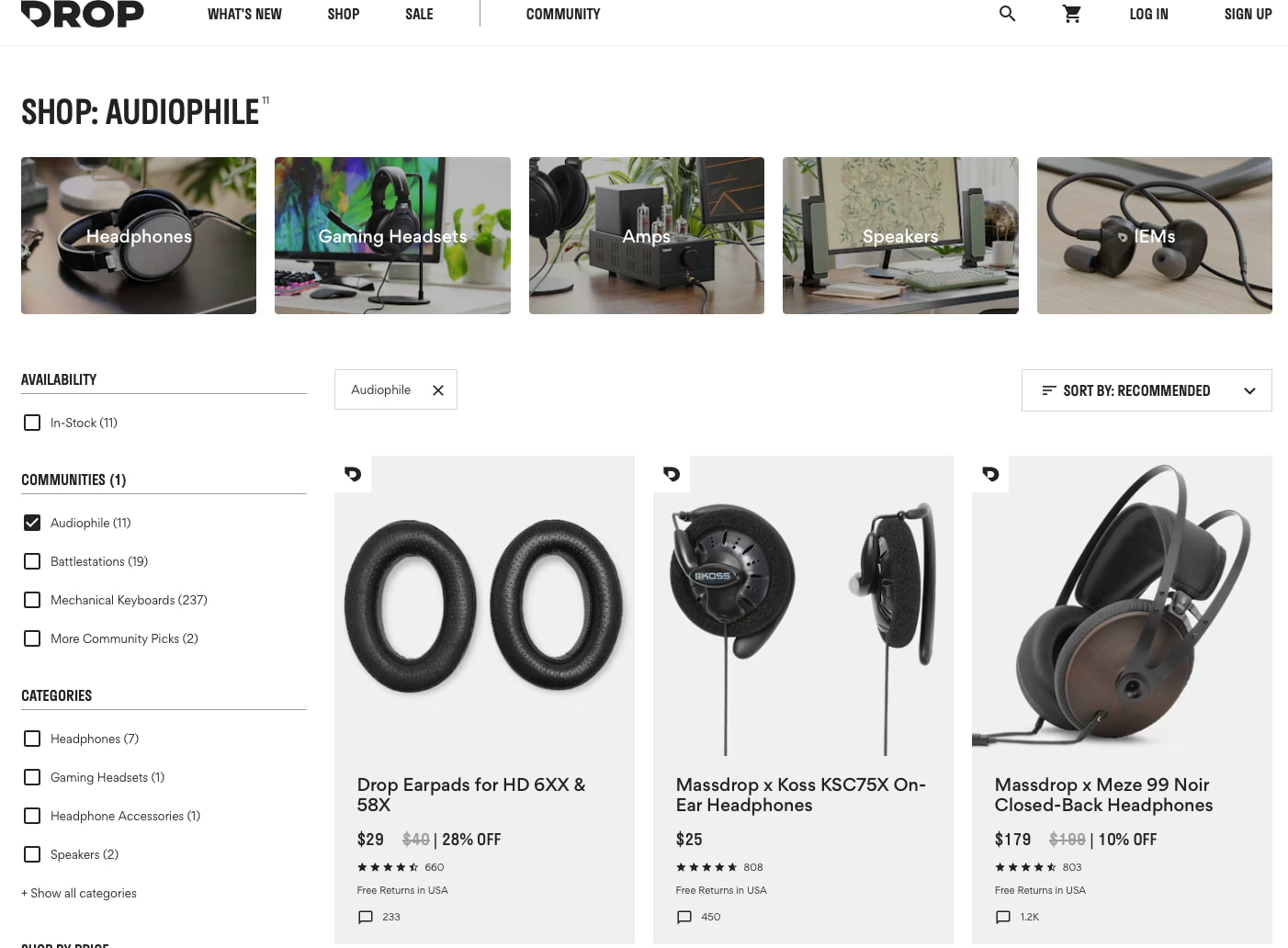
Drop had a real run. At its peak, the platform reshaped how enthusiast audio products came to market. The Drop plus collaborations with Sennheiser, Dan Clark Audio, Meze Audio, HiFiMAN, Beyerdynamic, Koss, and Axel Grell delivered some of the most popular enthusiast headphones of the past decade. These were not gimmicks. Many were category defining products that offered serious performance at prices that disrupted the traditional retail model.
Now most of those headline products are sold out or permanently out of stock. The amplifiers and speakers are gone. The group buys are gone. The voting is gone. What remains is a brand being folded into the larger machinery of Corsairdistribution.
The products are not vanishing. The platform that built them is.
It is hard to imagine this new structure fostering the same level of risk taking or enthusiast driven innovation. Community driven product development does not scale easily inside a publicly traded hardware ecosystem. The backlash online is real. Longtime members feel betrayed. At the same time, once the acquisition happened in 2023, this trajectory was not exactly shocking. Consolidation tends to smooth edges. It rarely sharpens them.
For consumers, this is a loss. Drop lowered prices, pushed brands to experiment, and gave enthusiasts a voice that actually influenced final products. It was messy at times. It was also effective. Thirteen years is a respectable lifespan in ecommerce. It was a good run. But when growth, margins, and corporate alignment take priority, the community experiment is usually the first thing to go.
For more information: drop.com
Related Reading: