
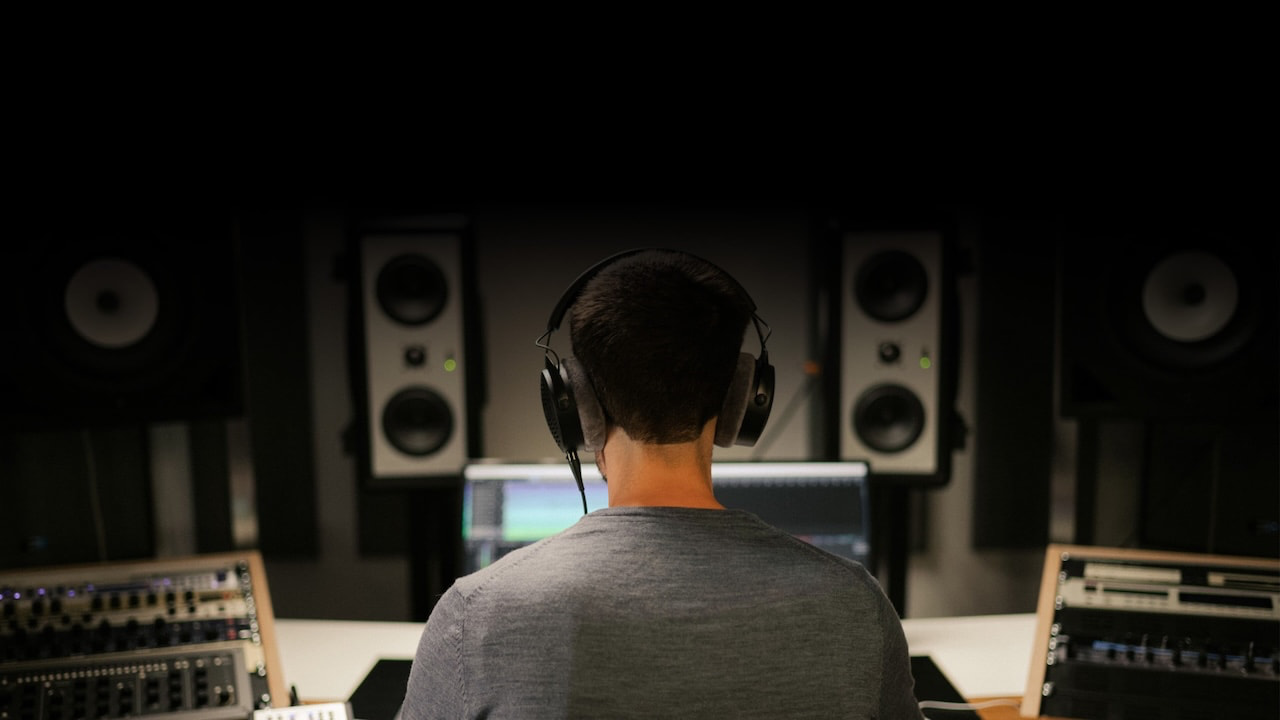
Let’s get one thing straight — “Studio Sound” is the biggest load of marketing fertilizer this side of “audiophile-grade copper.” After years of hearing, “You’re not supposed to enjoy those, they’re for studio use,” I’m officially done pretending that phrase means anything. Every brand seems to have its own take on what “studio” supposedly sounds like — and spoiler alert — they’re all different. The lightbulb moment came courtesy of the new Beyerdynamic DT 990 PRO X. It’s named like the DT 990, looks like the DT 900 PRO X, and somehow manages to sound like neither. Yet all three proudly wear the “studio headphone” badge. If “studio sound” actually meant a consistent sonic signature, how the hell did we end up with three wildly different signatures from the same brand?
Is it possible we’ve been duped this whole time — that “studio headphones” are just regular cans dressed up with thicker pads and tougher joints, built to survive the abuse of coffee-fueled engineers and gravity-prone mic stands?

The term “Studio Sound” wasn’t born from headphones or speakers at all — it came from what engineers heard in the control room versus what the rest of us heard at home. Back then, it actually meant something. The secret wasn’t magic drivers or gold-plated cables — it was the room itself. Acoustic treatment killed reflections, echoes, and stray vibrations, giving engineers a brutally clean, controlled sound that was miles away from what you’d get in a living room with drywall, windows, and a couch acting as a bass trap.
That equipment often defined each studio’s unique sonic fingerprint. Abbey Road wasn’t just the Beatles’ hangout because it had nice wallpaper — it was loaded with gear that shaped their sound. Chief among them was the Hammond RT-3 organ, purchased by the studio back in the 1950s, long before the Fab Four showed up. That same organ ended up on a ton of Beatles tracks and became part of their DNA.
Abbey Road was already hallowed ground by then — the birthplace of British rock & roll — with Cliff Richard and the Drifters (who’d later become The Shadows) cutting “Move It” in 1958 inside the now-legendary Studio Two. As John Lennon once put it, “Before Cliff and ‘Move It,’ there was really nothing worth listening to in Britain.” So the Beatles didn’t just stumble onto Abbey Road — they followed Cliff’s trail.
They even considered inviting Billy Preston, the man behind that unmistakable organ tone on so many Beatles sessions, to join as the unofficial “Fifth Beatle.” And it’s no coincidence that Pink Floyd later gravitated to Abbey Road as well — that same Hammond RT-3 was still there, humming away, ready to shape yet another generation’s idea of “studio sound.”
Other studios built their reputations the same way — by hunting down classic pianos, organs, synths, and amps that gave musicians access to sounds they could never afford to own themselves. A good studio was more than four walls and a console; it was a curated arsenal of tones. Most kept a deep bench of microphones, amplifiers, and instruments, each with its own color and character for engineers to experiment with. In many cases, the final decision on where to record an album came down to something as simple — and as crucial — as which studio had the best piano, organ, or mic locker.
The next step was physical separation — baffles between instruments or even putting players in entirely different rooms. This cut down on bleed and gave engineers precise control over each instrument and vocal track. The result was a level of clarity and isolation that made “studio sound” something entirely different from what anyone would ever hear in a typical living room.
From those origins, it’s fair to say “studio sound” was meant to be clean, well-separated, and revealing — where every detail could be heard without the room getting in the way. By that logic, any headphone, speaker, or playback chain marketed for studio use should deliver precise detail, strong instrument and stereo separation, and an immediate, accurate response to mix changes — so engineers can catch every nuance before it hits the final master.
You could also argue that a truly “studio” headphone or speaker should add no coloration of its own, so the mix stays accurate no matter where it’s played back. A bass-heavy headphone, for example, might trick an engineer into cutting around 120Hz to tame a kick drum that only sounds bloated because of the gear.
Then, when that same mix hits a neutral playback system, the low end suddenly feels hollow and lifeless. If you’re using colored monitors or headphones, you’d better know their quirks inside out — when to trust what you’re hearing and when to ignore that extra lift or dip that’s just your playback chain lying to you.
Today, there are almost as many studios as there are artists — and each one sounds a little different. Some are little more than converted closets, while others are sprawling, multimillion-dollar temples of acoustics. No two sound exactly alike, just as no two artists share the same vision.
So what is “studio sound” in 2025? Beyond some basic expectations of clarity and detail, it’s basically a free-for-all — an idea as fluid and subjective as the music being made.
Related Reading:
- Does the Audiophile Community Have a Problem?
- Audeze MM-500 Open-Back Studio Headphones: Review
- Best Audiophile (Wired) Headphones: Editors’ Choice
- Studio Headphones News and Reviews

































Pete
November 16, 2025 at 12:14 am
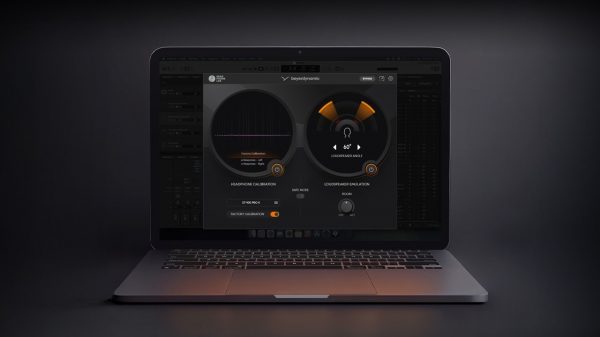
Good article. There now exist so many processors and plug-ins for DAWs, that the sound of a studio or other venue can be “emulated”. I prefer the real thing. I’m also fond of other recording spaces, such as the former Medinah Temple in Chicago, and hundreds of other non-studio spaces that may add coloration, but it’s coloration that I believe improves the recording.
W. Jennings
November 18, 2025 at 12:03 pm
Gotta agree that not all coloration detracts whether introduced by venue or gear. Sometimes those deviations from technically correct are the things that hold our interest and make a song great.